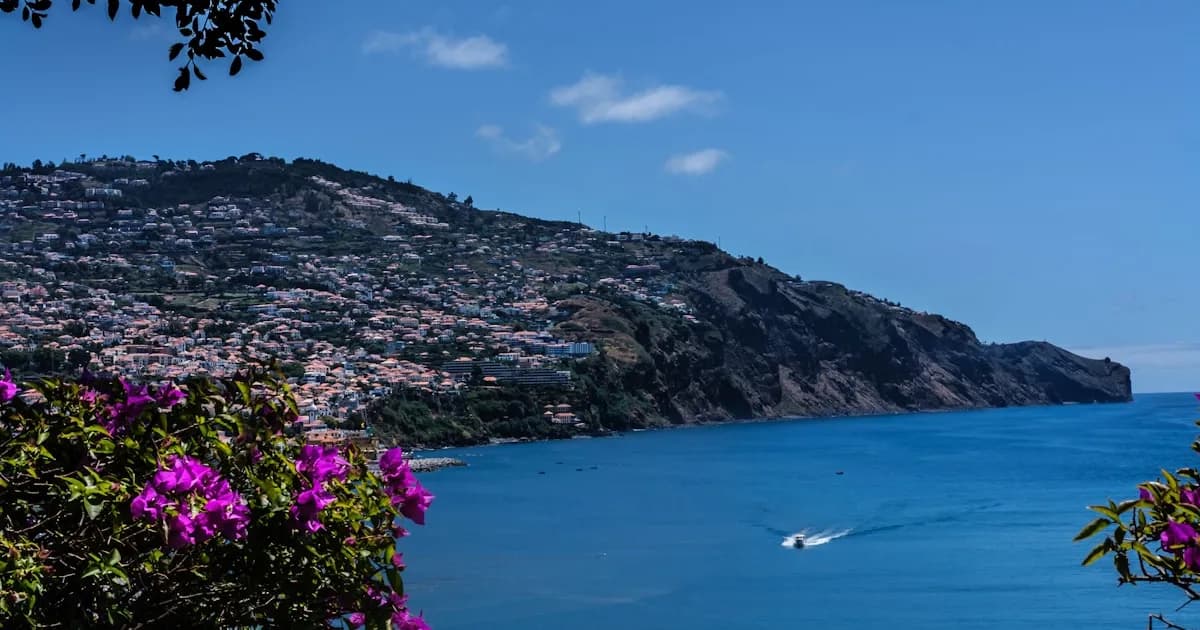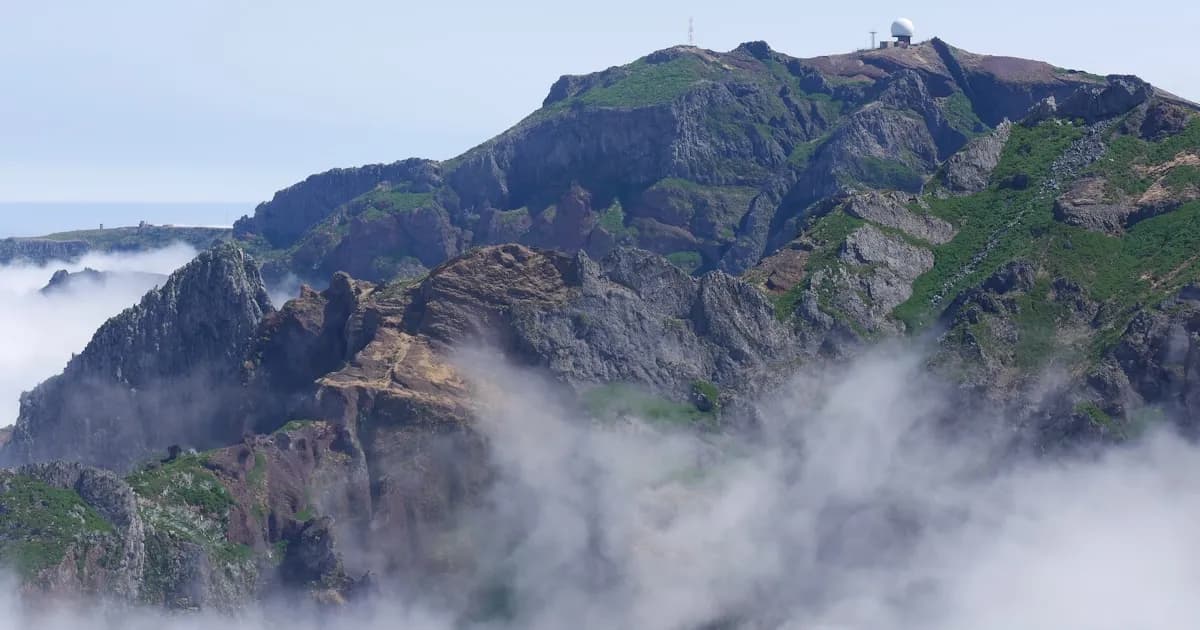
Both born from volcanic fire, both shaped by Portuguese history, both floating in the Atlantic — yet Madeira and Cape Verde could hardly feel more different. One is a lush green mountain rising from the ocean off Morocco; the other is a sun-scorched archipelago scattered 600 km off West Africa. If you're weighing these two up for your next holiday, this detailed comparison will make the decision clearer.
Climate: Subtropical vs Tropical-Dry
Madeira enjoys what many consider Europe's best year-round climate. Temperatures hover between 19°C and 25°C regardless of the month, rainfall is modest and concentrated in the mountainous interior, and the southern coast — where most visitors stay — basks in over 2,100 hours of sunshine annually. You can swim comfortably from May to November, and even winter days feel pleasantly mild.
Cape Verde sits closer to the equator and has a distinctly tropical-dry climate. Temperatures range from 24°C to 30°C, with a hot season from July to October that can push 35°C on certain islands. The archipelago is arid — parts of Sal and Boa Vista resemble the Sahara more than Portugal. Rain is scarce, falling almost exclusively between August and October, and some years barely at all. The constant trade winds keep things bearable, but the heat is a different calibre entirely.
If you want warm weather without extreme heat, Madeira is more comfortable. Cape Verde suits travellers who actively seek tropical temperatures and don't mind arid landscapes.
Winner: Madeira for year-round comfort. Cape Verde for guaranteed heat and tropical sun.
Adventure Activities: Engineered Thrills vs Ocean Sports
This is where priorities matter.
Madeira has built an impressive adventure infrastructure. The Adrenaline Adventures zipline in Porto Moniz sends you 320 metres above sea level across 1.6 km of cable at up to 110 km/h, with the Atlantic stretching endlessly beneath you. The giant swing suspends you 250 metres above the coast. Add professional canyoning through volcanic gorges and scenic UTV rides through mountain trails, and you have an island purpose-built for adrenaline.
Cape Verde's thrills are ocean-driven. Sal and Boa Vista are internationally recognised for kitesurfing and windsurfing — the constant trade winds create world-class conditions from November to June. Surfing on Santiago and Santo Antão's coasts attracts a small but dedicated crowd. Sport fishing is excellent, with blue marlin and wahoo among the catches. Diving, particularly around Sal's shipwrecks and Santa Luzia's reefs, reveals a rich underwater world.
The Adrenaline Adventures zipline and giant swing are experiences you simply cannot find in Cape Verde. If structured mountain adventure excites you, Madeira is the clear choice. If wind and waves are your fuel, Cape Verde delivers.
Winner: Madeira for land-based adventure. Cape Verde for wind-powered water sports.
Beaches: A Tale of Two Coastlines
Let's be honest — Madeira isn't a beach destination in the traditional sense. The coastline is mostly dramatic cliffs and rocky shores. The island offers natural volcanic rock pools (Porto Moniz is famous for these), a handful of pebble beaches, and a few man-made sandy stretches. For proper golden sand, you need to take the 15-minute flight to Porto Santo, which has a glorious 9 km beach that rivals anything in the Mediterranean.
Cape Verde, on the other hand, was made for beach lovers. Sal's Santa Maria beach stretches for kilometres of fine, golden sand lapped by turquoise water. Boa Vista's Praia de Chaves is a postcard come to life. Even the more mountainous islands like Santiago and São Vicente have beautiful bays tucked between volcanic headlands. If lying on warm sand with a caipirinha is your primary goal, Cape Verde wins this category before the conversation starts.
Winner: Cape Verde by a wide margin for beaches. Madeira for dramatic natural pools and coastal scenery.
Culture & Food: European Refinement vs African-Portuguese Fusion
Madeira is unmistakably European. Funchal's old town has cobblestoned streets, historic churches, and a thriving restaurant scene that ranges from traditional tabernas to modern fine dining. The island's culinary identity centres on espetada (garlic-marinated beef on a laurel skewer), bolo do caco (garlic flatbread), and the legendary poncha cocktail. Madeira wine, produced here since the 15th century, is a cultural institution. Festivals like the Flower Festival and New Year's Eve fireworks (often ranked among the world's best) draw crowds.
Cape Verde pulses with a completely different energy. The culture is a vibrant blend of Portuguese and West African influences. Morna — the melancholic music genre made famous by Cesária Évora — fills the air in Mindelo, the archipelago's cultural capital. The food fuses both traditions: cachupa, a slow-cooked stew of corn, beans, and fish or meat, is the national dish and varies from island to island. Grogue, a sugar cane spirit, is Cape Verde's answer to rum. The atmosphere is more Caribbean than European — relaxed, rhythmic, and deeply musical.
Winner: A tie. Two genuinely different cultural experiences, both enriching.
Cost of Travel: Budget Breakdown
Madeira offers excellent value by European standards. Budget accommodation starts around €40–60/night, mid-range hotels €80–130, and a proper meal at a local restaurant costs €10–18 per person. Car rental is affordable (€25–40/day), and the island's compact size means fuel costs are minimal.
Cape Verde is generally comparable or slightly cheaper for accommodation and food, but getting there is more expensive. Flights from Europe to Cape Verde are typically €100–200 more than flights to Madeira. Inter-island travel within Cape Verde (flights or ferries) adds significant cost if you want to explore multiple islands. A week of island-hopping in Cape Verde can easily cost 40–60% more than a week based in Madeira.
Madeira's excellent European flight connections — served by Ryanair, easyJet, and other budget carriers — keep overall trip costs lower. Cape Verde has fewer routes and less competition.
Winner: Madeira for overall value. Cape Verde is reasonable once you arrive, but getting there costs more.
Flights & Accessibility
Funchal airport receives direct flights from most major European cities — London, Lisbon, Frankfurt, Amsterdam, Paris, and many more. Flight time from central Europe is 3.5–4.5 hours. Budget airlines keep prices sharp, with return flights often available under €100 in the off-season.
Cape Verde's main airports are on Sal (SID) and Boa Vista (BVC), with Santiago (RAI) handling some international traffic. Direct flights from Europe exist but are less frequent and served by fewer airlines — mainly TUI, Transavia, and TACV (Cabo Verde Airlines). Flight time from Lisbon is around 3.5 hours, from northern Europe 5–6 hours. Connections between Cape Verdean islands require TICV domestic flights.
Winner: Madeira for ease and affordability of flights.
Safety & Infrastructure
Madeira benefits from full EU membership. Healthcare is European-standard, roads are excellent (including free motorways), tap water is drinkable, and the tourism infrastructure is mature. It's one of the safest destinations in Europe.
Cape Verde is generally safe by West African standards and increasingly popular with tourists, but the infrastructure is uneven. Main tourist islands (Sal, Boa Vista) have solid hotel zones, but venturing further means encountering rougher roads, limited healthcare, and areas where basic Portuguese or Creole is helpful. Petty theft can occur in busier tourist areas. Tap water is not reliably drinkable throughout the archipelago.
Winner: Madeira for infrastructure and ease of travel.
Which Destination Is Right for You?
Choose Madeira if you want:
- Comfortable subtropical weather without extreme heat
- Organised adventure activities (zipline, giant swing, canyoning)
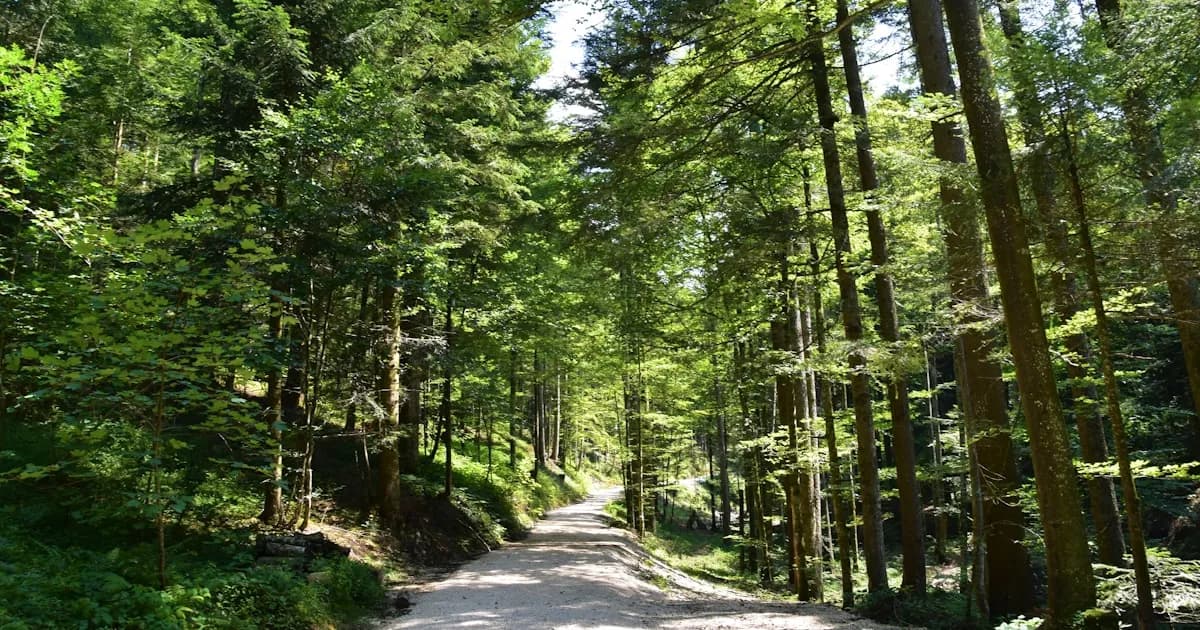
- 2,000+ km of levada hiking trails through ancient forests
- European infrastructure, safety, and healthcare
- Easy budget flights from most of Europe
- Excellent food and wine culture
- A base to explore one compact, endlessly varied island
Choose Cape Verde if you want:
- Tropical heat and guaranteed sunshine
- World-class kitesurfing, windsurfing, and water sports
- Stunning golden-sand beaches
- African-Portuguese cultural fusion and live music
- A more exotic, off-the-beaten-path feeling
- Island-hopping across varied landscapes
- A slower, more Caribbean pace of life
For adventure seekers who love mountains, forests, and adrenaline activities, Madeira delivers an unbeatable combination. The zipline, giant swing, canyoning, and levada trails — all within one compact island — mean you'll never run out of extraordinary things to do.
Can You Combine Both?
It's possible but not straightforward. There are no direct flights between Madeira and Cape Verde — you'd need to connect through Lisbon. A combined trip works best as a two-week itinerary: one week in Madeira for mountains, levadas, and adventure, followed by a week in Cape Verde for beaches and water sports. Two very different worlds, one unforgettable holiday.
Frequently Asked Questions
Is Madeira better than the Canary Islands?
Madeira wins for hiking, adventure activities, and authentic culture. The Canaries win for beaches and nightlife. Both have great year-round weather.
Is Madeira expensive compared to other islands?
Madeira is generally 10-20% cheaper than comparable European islands like Mallorca or Santorini, with better value for food and accommodation.
Can I island-hop from Madeira?
You can visit Porto Santo (2.5h ferry or 15min flight). For the Azores, SATA flies direct. The Canaries require connecting via Lisbon.
Which island is best for adventure?
Madeira leads Europe for adventure tourism with its zipline at 320m altitude, 2000km of levada trails, canyoning, and coasteering.
Read Also
- 25 Best Things to Do in Madeira — The ultimate activity guide for your Madeira trip.
- Madeira vs Azores: Which Portuguese Island Is Right for You? — Another honest comparison to help you decide.
- Is Madeira Worth Visiting? — Everything you need to know before booking.