You've seen the photos on Instagram. A friend mentioned it over dinner. Maybe an algorithm served you a reel of someone flying across a valley on a zipline, or walking through a misty forest that looked like something out of a fantasy novel. And now you're asking: is Madeira actually worth visiting?
The short answer is yes — emphatically, unreservedly yes. But you deserve more than a short answer. Here are 12 concrete reasons why Madeira deserves a spot on your travel list, plus an honest look at the few downsides you should know about before booking.
1. Year-Round Perfect Weather
Madeira's subtropical climate is one of its greatest assets. Average temperatures sit between 19°C and 25°C throughout the year, meaning there's no "wrong" time to visit. Winters are mild enough for hiking in a light jacket, and summers never reach the oppressive heat that sends tourists fleeing from Mediterranean destinations.
The island benefits from the warm Gulf Stream and the Azores High, which together create remarkably stable conditions. You'll find more sunshine hours than London, Paris, or Berlin in every single month of the year — and when it does rain, it tends to be brief and localised, often clearing within the hour.
Madeira's microclimates mean that if one side of the island is cloudy, the other is often bathed in sunshine. Locals say you can experience four seasons in one day — and they're not exaggerating.
For outdoor enthusiasts, this means one thing: you can hike, swim, and explore 365 days a year. No seasonal shutdowns, no "sorry, we're closed until April." Just consistent, comfortable conditions whenever you arrive.
2. World-Class Hiking
If you enjoy walking in nature, Madeira is a paradise with few equals in Europe. The island has over 2,000 kilometres of levada trails — paths that follow centuries-old irrigation channels through some of the most breathtaking landscapes you'll ever see.
The Laurisilva forest, a UNESCO World Heritage Site, covers roughly 20% of the island. Walking through it feels genuinely primeval — towering laurel trees draped in moss, ferns taller than you, and the constant sound of running water. Popular routes like Levada das 25 Fontes and Levada do Caldeirão Verde take you past waterfalls, through tunnels carved into rock, and along cliff edges with views that make your stomach flip.
What makes Madeira's hiking scene special is its range. The Vereda do Pico do Arieiro to Pico Ruivo trail takes you above the clouds at 1,862 metres. The Levada do Rei is a gentle forest walk suitable for families. And everything in between is covered too — you could hike every day for a month and never repeat a trail.
Read our complete guide: Best Hikes & Levadas in Madeira
3. Unique Adventure Experiences You Won't Find Elsewhere
Madeira is rapidly earning its reputation as one of Europe's top adventure destinations, and the experiences on offer here are genuinely unlike anything you'll find on the continent.
At Adrenaline Adventures in Porto Moniz, you can fly across a valley at 110 km/h on a zipline suspended 320 metres above sea level — one of the highest in Europe. The panoramic flight covers 1.6 kilometres with the Atlantic Ocean stretching out below you. It's the kind of experience that stays with you long after you've landed.
Beyond the zipline, there's a giant cliff swing that delivers 20 metres of free-fall over a 250-metre drop, canyoning through Madeira's steep volcanic gorges, and coasteering along the wild northern coastline. Each activity comes with professional equipment, full safety briefings, and a scenic UTV transfer to the launch platforms.
Book Your Adventure in MadeiraThe island also offers paragliding, scuba diving in volcanic underwater caves, whale watching (over 20 cetacean species pass through these waters), and surfing on the powerful north coast swells. You could spend a week doing nothing but adventure activities and still have more to try.
Read more: Things to Do in Madeira
4. Stunning Natural Beauty
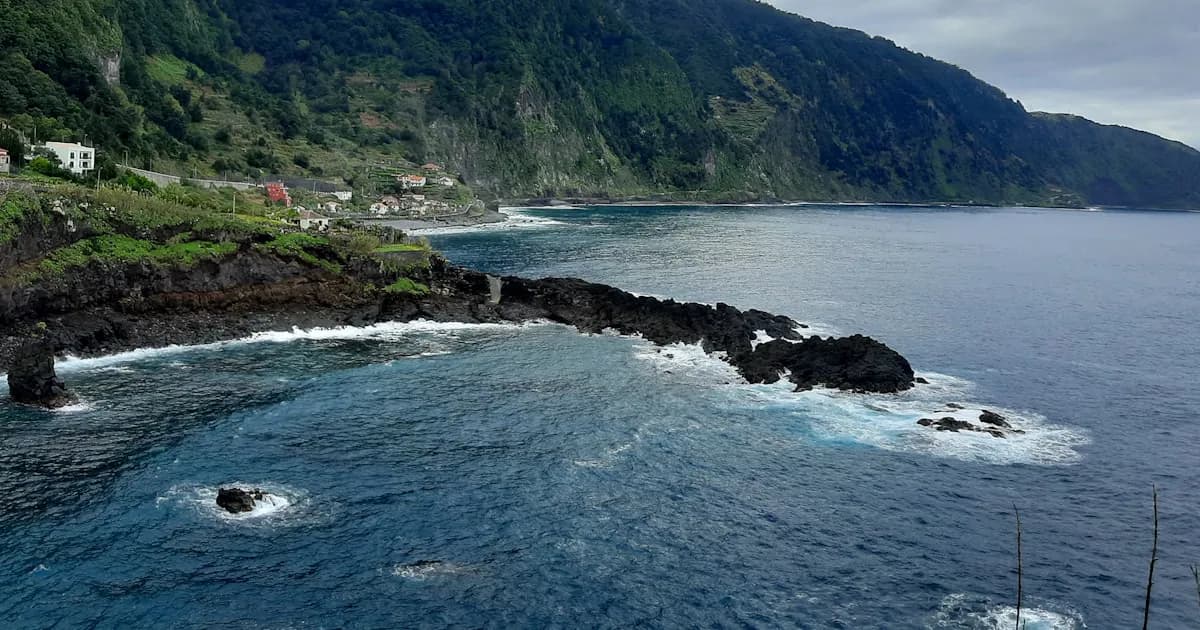
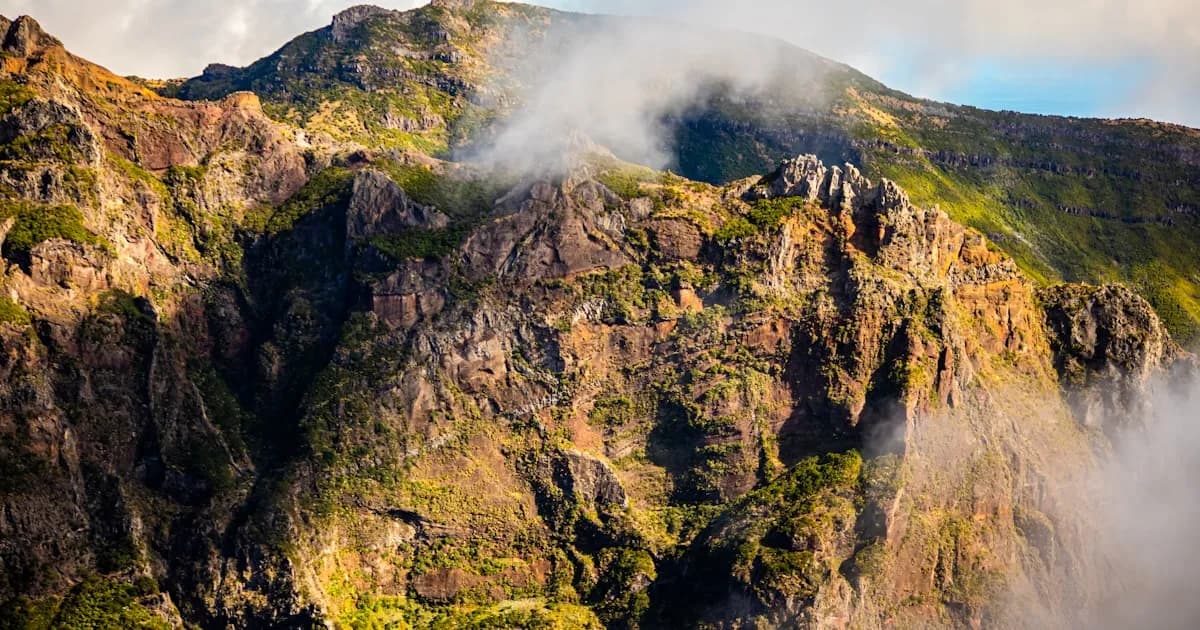
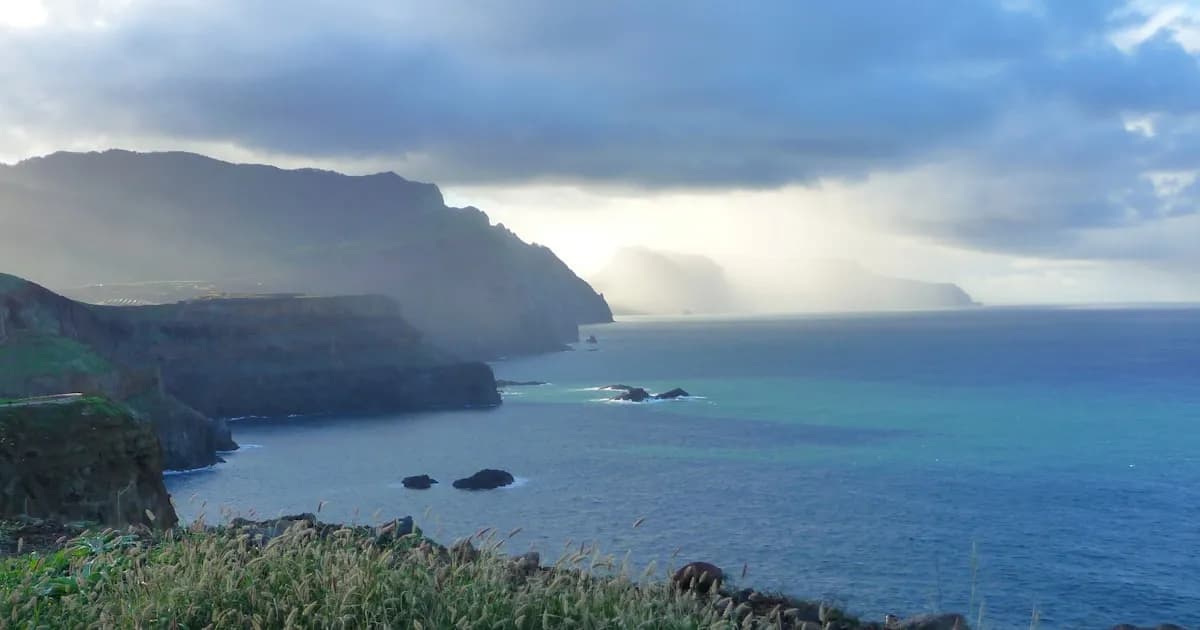
Photographs don't do Madeira justice — and that's saying something, because the photographs are already spectacular. This is an island of extremes: 600-metre sea cliffs at Cabo Girão (the second highest in Europe), volcanic peaks piercing through clouds, ravines carpeted in subtropical vegetation, and waterfalls that appear around seemingly every bend in the road.
The diversity of landscapes packed into such a small area is staggering. Drive from the south coast to the north and you'll pass through banana plantations, eucalyptus forests, heather moorlands, and misty mountain passes in under an hour. The Paul da Serra plateau, at 1,400 metres, feels like the Scottish Highlands. Five minutes later, you're descending into a tropical valley.
Sunrise from Pico do Arieiro, with clouds pooling in the valleys below and the neighbouring islands visible on the horizon, is one of those travel moments that genuinely changes your perspective.
Discover the best views: Best Viewpoints in Madeira
5. Amazing Food and Wine
Madeiran food is hearty, flavourful, and deeply tied to the island's culture. Start with espetada — beef skewered on laurel branches and grilled over wood charcoal. Move on to bolo do caco, a garlic flatbread that's warm, pillowy, and dangerously addictive. Fresh seafood is everywhere: black scabbardfish (espada) served with banana, grilled limpets (lapas), and tuna steaks that rival anything in the Azores.
Then there's the wine. Madeira wine has been produced for over 500 years and was famously used to toast the signing of the American Declaration of Independence. The fortified wine ranges from dry to sweet, and a tasting at one of Funchal's historic wine lodges is a cultural experience in itself. Don't leave without trying poncha either — the island's signature drink made from aguardente, honey, and fresh citrus.
What surprises most visitors is the value. A full meal with wine at a traditional Madeiran restaurant rarely exceeds €15-20 per person. At a local tasca, you'll eat generously for under €10.
Explore the flavours: Madeira Food Guide
6. Safe and Welcoming
Safety is an underrated factor in choosing a travel destination, and Madeira scores exceptionally well. The island consistently ranks among the safest destinations in Europe, with very low crime rates and virtually no issues with tourist-targeting scams or theft.
The local culture is genuinely welcoming. Madeirans are proud of their island and happy to share it. Don't be surprised if a restaurant owner sits down to chat about the best viewpoints, or a farmer on a hiking trail offers you fruit from his garden. This isn't performative hospitality — it's just how people are here.
Healthcare is excellent too. Funchal has a modern hospital, and pharmacies are well-stocked and widely available. For a small island, the infrastructure is remarkably solid.
7. Excellent Value for Money
Here's a question that often follows "is Madeira worth visiting": can I afford it? The answer is almost certainly yes. Madeira offers significantly better value than comparable European island destinations.
A comfortable mid-range trip to Madeira — decent hotel, eating out twice a day, rental car, and activities — runs between €80-120 per person per day. Budget travellers can get by on €50-80 per day with guesthouses and local restaurants. Compare that to the Canary Islands, Balearics, or Greek islands, where similar quality costs 20-40% more.
Rental cars in Madeira typically cost €20-35 per day, fuel is reasonably priced, and there are no toll roads. A car gives you freedom to explore the entire island at your own pace.
Flights are affordable too, especially from the UK, Germany, and Portugal. Budget airlines like Ryanair, easyJet, and Transavia operate regular routes, and booking a few weeks ahead often yields fares under €100 return.
8. Easy to Reach
Madeira might sit in the middle of the Atlantic, but it's surprisingly well-connected. Cristiano Ronaldo International Airport (yes, named after that Cristiano Ronaldo — he's from Funchal) receives direct flights from over 30 European cities year-round.
Flight times are manageable: 3.5 hours from London, 3 hours from Paris, 4 hours from Berlin, 1.5 hours from Lisbon. You can leave your house in the morning and be sitting on a terrace in Funchal with a poncha in hand by early afternoon.
No visa complications either — Madeira is part of Portugal, so it's EU and Schengen. For UK visitors, the standard 90-day tourist allowance applies with just a passport.
9. Compact Island, Maximum Variety
Madeira is just 57 kilometres long and 22 kilometres wide. You can drive from one end to the other in about 1.5 hours. This compact size means you're never far from anything — and a single day can include a mountain hike, a coastal lunch, a zipline adventure, and a sunset swim.
This is a huge advantage over larger destinations where you lose hours to transit. In Madeira, everything is close, but the terrain is so dramatically varied that it never feels small. The landscape changes completely every few kilometres, from lush south-coast valleys to wild, windswept northern cliffs.
For a week-long trip, you can genuinely see and do most of the island's highlights without rushing. For a longer stay, you simply go deeper — exploring hidden villages, lesser-known trails, and local festivals that tourists rarely see.
10. Natural Pools and Beaches
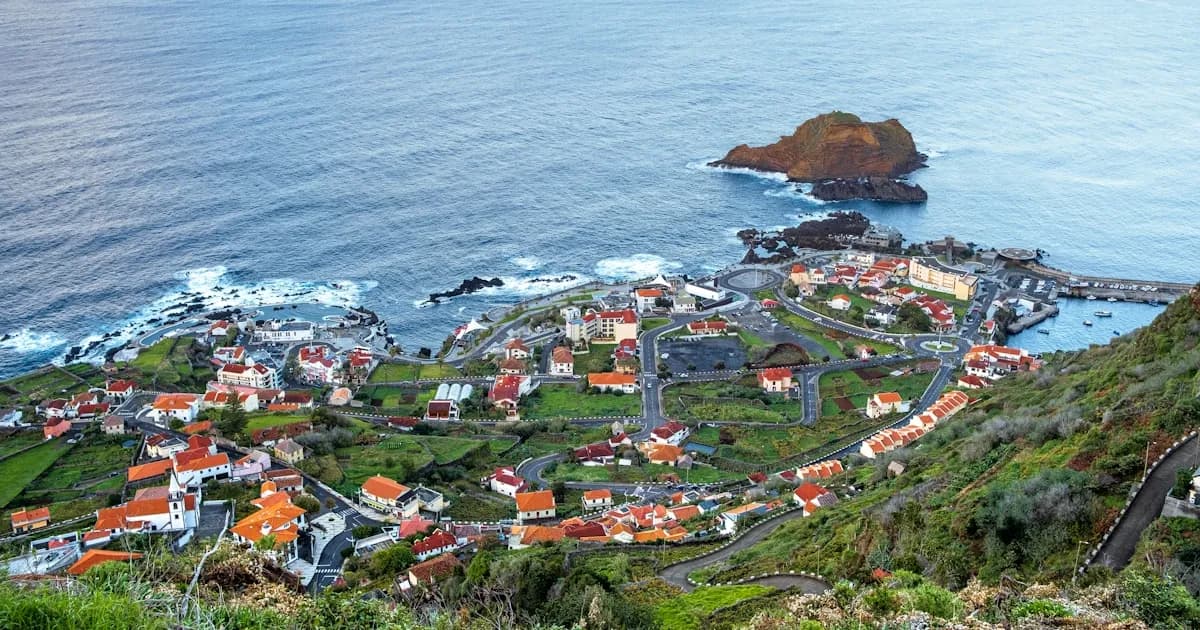
Madeira isn't a beach destination in the traditional sense — but what it offers instead is arguably better. The volcanic natural pools at Porto Moniz are iconic: seawater pools carved into lava rock, filled by Atlantic waves, and set against a backdrop of towering cliffs. Swimming here feels like being in a natural infinity pool at the edge of the world.
Calheta has a proper golden sand beach (imported sand, but who's complaining when the water is this clear). Seixal boasts a dramatic black sand beach framed by green cliffs and waterfalls. And scattered around the coast, you'll find dozens of complexos balneares — bathing complexes built into the rocky shoreline with ladders into deep, crystal-clear water.
Discover them all: Best Beaches & Natural Pools in Madeira
11. Perfect for Every Type of Traveller
One of Madeira's greatest strengths is its versatility. This isn't an island that caters to one demographic.
Solo travellers love the safety, the hiking community, and the ease of getting around. Couples come for the romantic viewpoints, wine tastings, and boutique hotels perched on clifftops. Families appreciate the gentle levada walks, natural pools, and adventure activities suitable for children (the panoramic zipline has no minimum age, only a weight requirement of 35 kg to 120 kg). Seniors enjoy the mild climate, the wellness hotels, and the slower-paced south coast.
Adventure seekers — well, you already know. Between ziplines, canyoning, coasteering, surfing, paragliding, and mountain hiking, Madeira is a playground.
And for digital nomads, Funchal has solid wifi infrastructure, coworking spaces, and the kind of quality of life that makes you question why you ever lived in a grey northern city.
12. It Hasn't Been Overtouristed — Yet
Madeira receives around 3.5 million visitors per year — significant for a small island, but still a fraction of what places like Tenerife, Mallorca, or Santorini see. You won't find mega-resorts, all-inclusive compounds, or streets lined with souvenir shops selling identical tat.
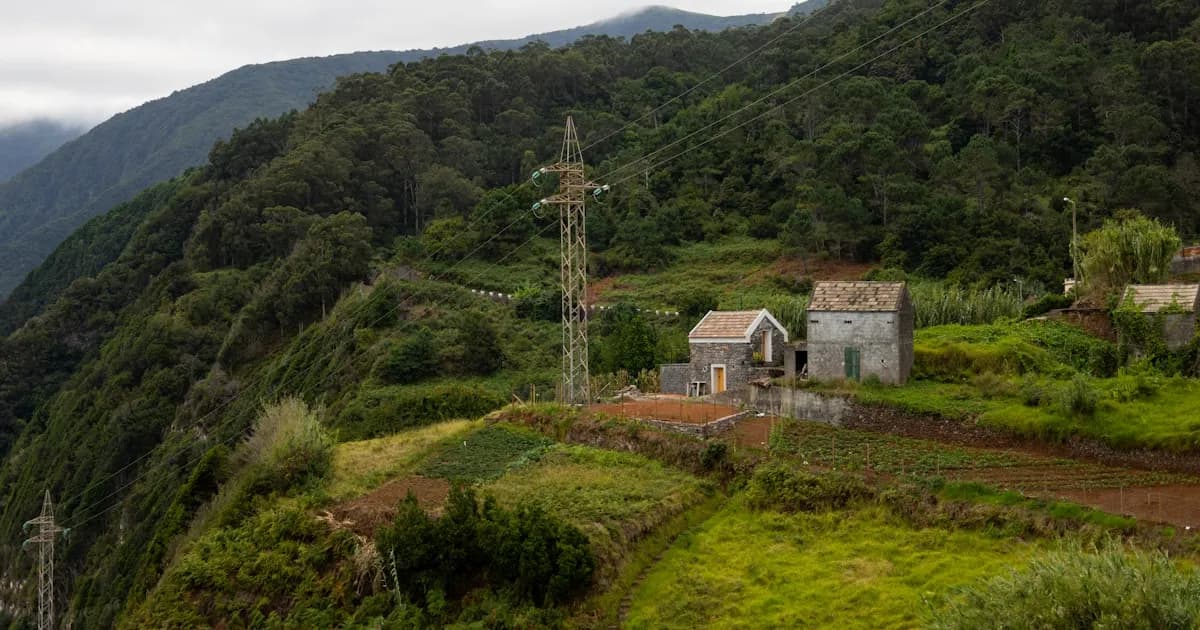
The tourism infrastructure is mature enough that everything works smoothly, but not so developed that the island has lost its character. Step off the beaten path — and you don't have to step far — and you'll find villages where life moves at the same pace it has for generations.
This balance won't last forever. Madeira has been gaining popularity rapidly, winning "Best Island Destination" at the World Travel Awards multiple years running. Visiting now means experiencing the island at its sweet spot: discovered enough to be accessible, but not yet overwhelmed.
Is There Anything Negative About Madeira?
Honesty matters, so here are the genuine downsides:
No classic beach paradise. If your ideal holiday is lying on a long stretch of white sand, Madeira isn't the right fit. The coastline is predominantly rocky, and while there are beaches, they're not the island's main attraction.
Mountain roads can be intense. Some roads, particularly on the north coast and up to the peaks, involve steep inclines, tight hairpin bends, and the occasional single-lane tunnel. If you're not a confident driver, this can be stressful — though the modern motorway network covers the main routes comfortably.
Rain happens. The north coast and higher elevations get more rainfall than the sunny south coast. It's rarely a washout, but if you're hiking at altitude, pack a waterproof layer regardless of the forecast.
Limited nightlife. Funchal has bars and a few clubs, but if you're looking for Ibiza or Mykonos, look elsewhere. Madeira's evenings are more about long dinners, wine, and stargazing.
These are minor trade-offs. For the overwhelming majority of visitors, what Madeira offers far outweighs what it doesn't.
The Verdict: Is Madeira Worth Visiting?
Absolutely, without hesitation. Madeira is one of those rare destinations that delivers more than it promises. The scenery is more dramatic than the photos suggest. The food is better than you expect. The adventures are more thrilling than you imagined. And the overall experience — the combination of natural beauty, outdoor activities, safety, value, and genuine warmth — puts it in the top tier of European destinations.
Whether you're planning a long weekend or a two-week escape, Madeira won't disappoint. The only regret most visitors have is not staying longer.
Book Your AdventureAll Adrenaline Adventures activities include professional equipment, safety briefings, and UTV transfer. Contact us for group bookings or custom adventure packages.
Frequently Asked Questions
How many days do I need in Madeira?
5-7 days covers the main highlights. 10-14 days lets you explore at a relaxed pace including Porto Santo.
What is the daily budget for Madeira?
Budget travellers: €40-60/day. Mid-range: €80-120/day. Luxury: €200+/day. These include accommodation, food, and activities.
Is one week enough for Madeira?
Yes, one week is perfect for a first visit. You can cover Funchal, Porto Moniz, the east coast, and several levada walks.
Should I rent a car?
Highly recommended for exploring beyond Funchal. Rental cars start from €15-20/day. The island is small — you can drive coast to coast in 1.5 hours.