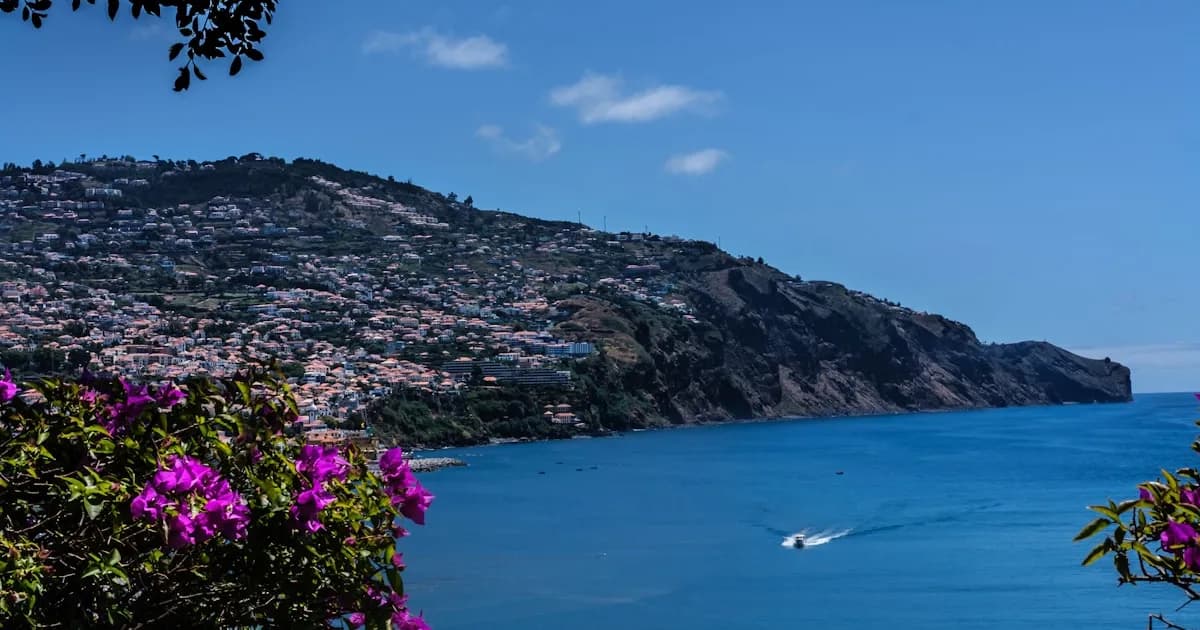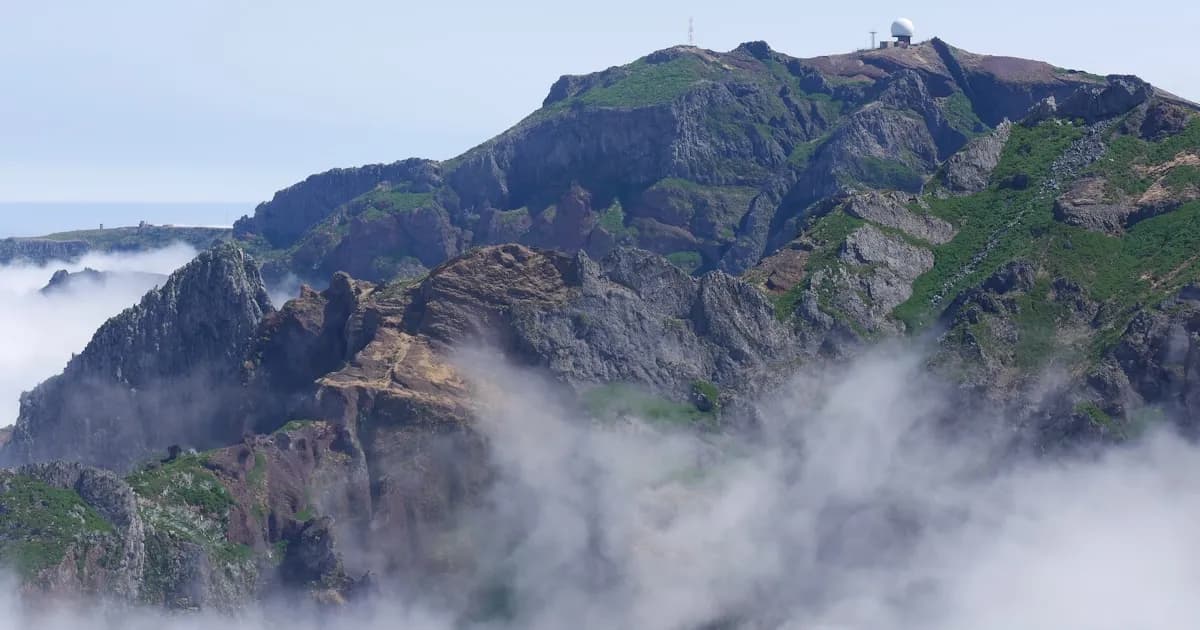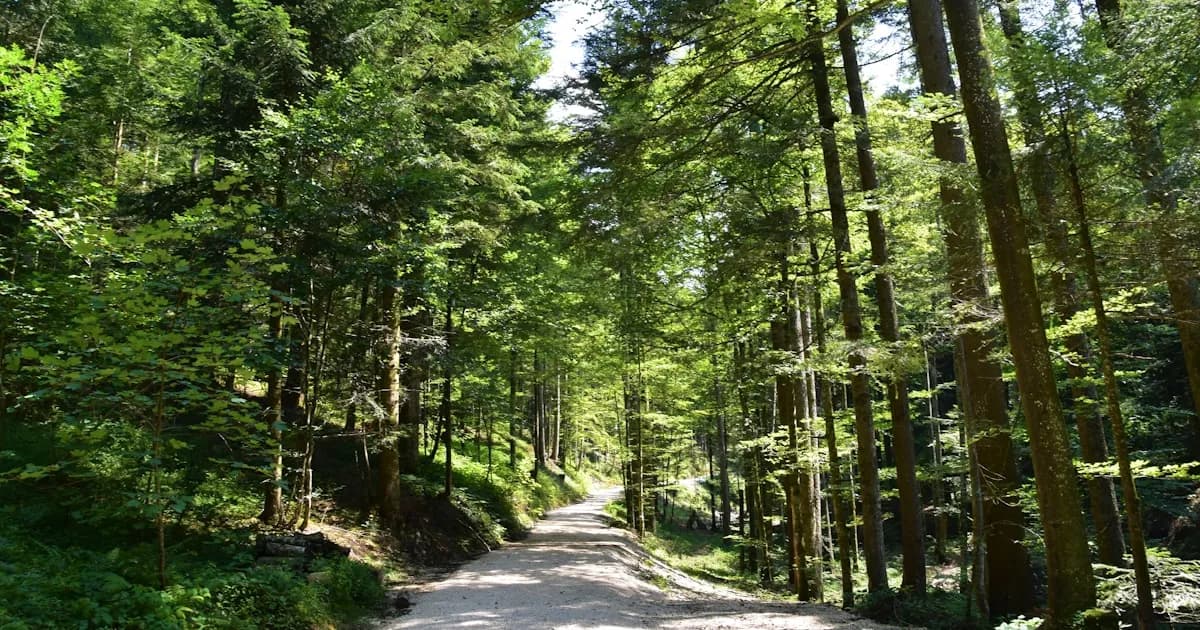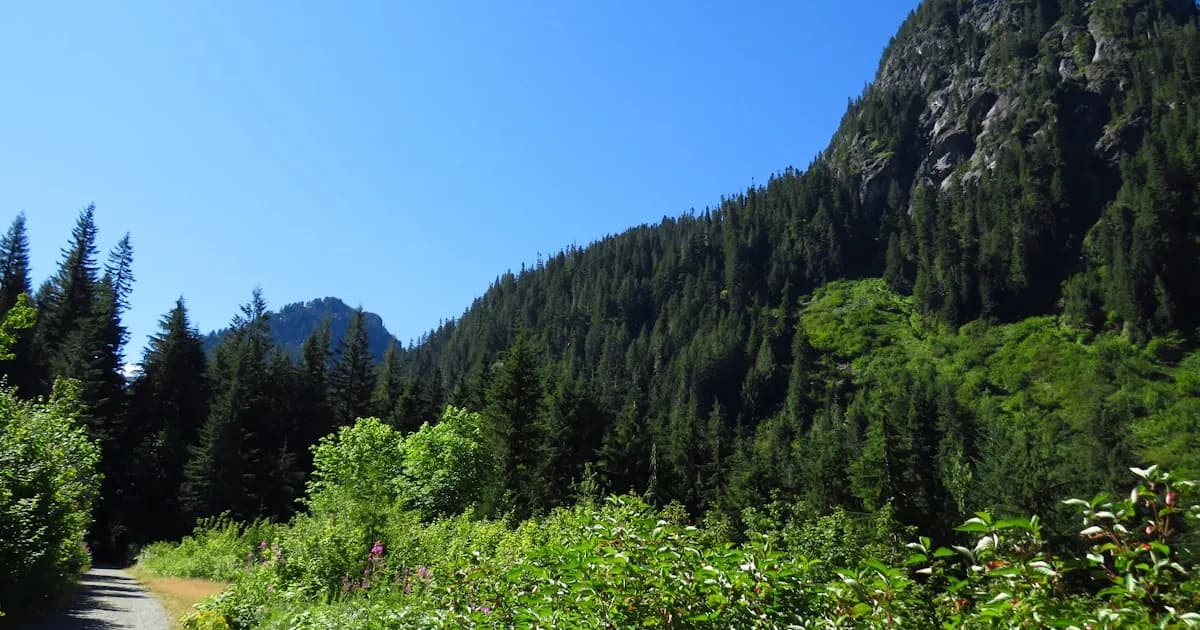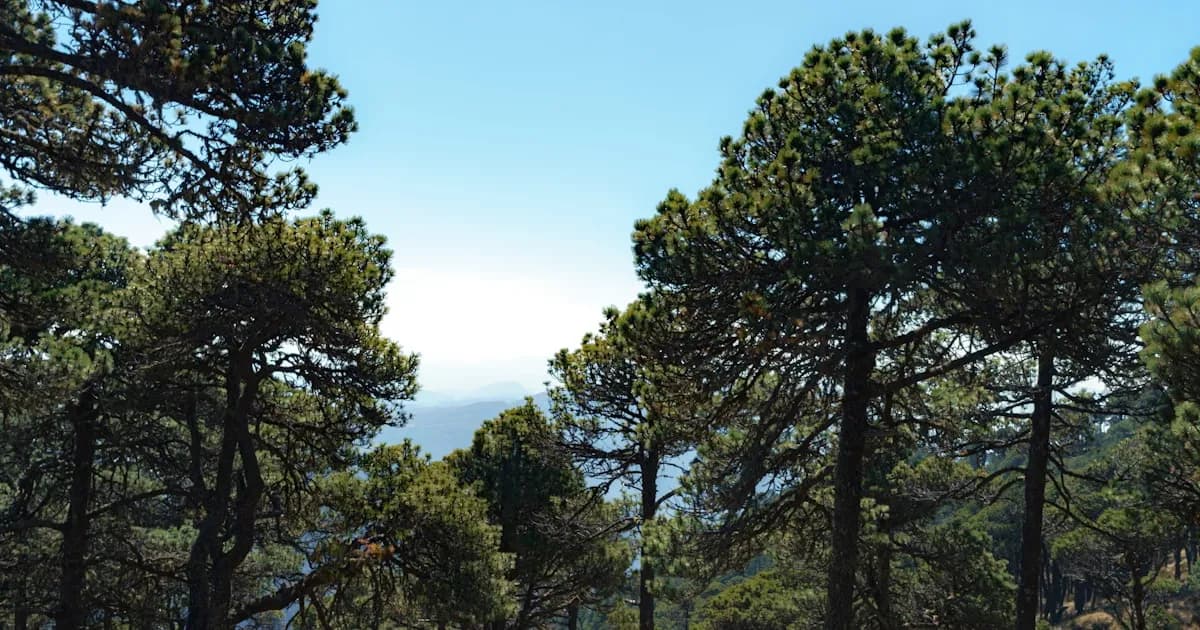
They're both volcanic islands draped in impossibly green vegetation, rising from the ocean with dramatic cliffs and subtropical forests. Both offer world-class hiking, year-round mild weather, and the kind of landscapes that make you question whether you're still on the same planet. The difference? One sits in the middle of the Pacific Ocean, a full day's travel from most of Europe. The other is a short flight from virtually any European capital. Let's put Madeira and Hawaii side by side and see how Europe's Atlantic gem measures up against the world's most famous island paradise.
Two Volcanic Islands, One Striking Resemblance
The first thing that hits most visitors to Madeira is how much it reminds them of Hawaii — or vice versa. Both archipelagos were formed by volcanic hotspots, creating steep mountains, deep valleys, and coastlines where green cliffs tumble into deep blue ocean. Madeira's Pico Ruivo (1,862 m) and Hawaii's Mauna Kea (4,207 m) dominate their respective skylines, while lush laurel forests on Madeira echo the tropical rainforests of Kauai.
The resemblance isn't coincidental. Similar geological processes created similar landscapes, and both islands sit at subtropical latitudes that produce mild, comfortable weather year-round. The key differences lie in scale, accessibility, and price — and that's where things get interesting for European travellers.
Climate: Both Earn the "Eternal Spring" Label
Hawaii's climate is legendary — average temperatures between 24°C and 30°C, with warm trade winds and over 270 days of sunshine a year. Madeira is remarkably similar in character, if slightly cooler. Average temperatures range from 17°C to 26°C depending on season and altitude, with mild winters that rarely dip below 15°C at sea level.
Both islands share a fascinating microclimate effect: the north side tends to be wetter and greener, while the south enjoys more sunshine. On Madeira, you can drive from misty mountain peaks to sunny Funchal in 20 minutes. Hawaii's Big Island famously spans 11 of the world's 13 climate zones.
For hiking and adventure activities, Madeira's slightly cooler temperatures are actually an advantage. You won't overheat on a levada walk the way you might on a midday hike in Maui.
Hiking: Two World-Class Destinations
This is where both islands genuinely shine, and comparing them feels almost unfair — both are extraordinary.
Hawaii offers iconic trails like the Kalalau Trail along Kauai's Na Pali Coast, the volcanic moonscapes of Haleakala, and rainforest treks through Waimea Canyon. The variety is staggering.
Madeira counters with its entirely unique levada network — over 2,000 kilometres of trails following centuries-old irrigation channels through UNESCO-listed laurel forests, along vertiginous cliff faces, and past cascading waterfalls. The Pico Arieiro to Pico Ruivo trek, weaving above the clouds at nearly 1,900 metres, rivals anything in Hawaii for sheer drama.
The practical difference? Madeira's trails are concentrated on a single compact island. You can hike a coastal levada in the morning and a mountain peak in the afternoon without spending hours driving between trailheads.
Madeira's levada trail system is unique in the world — there's nothing comparable in Hawaii or anywhere else. Over 2,000 km of paths following historic irrigation channels through ancient forests.
Adventure Activities: Madeira Packs a Punch
Hawaii is famous for surfing, snorkelling, and ocean sports. Madeira has built a different kind of adventure scene — one focused on altitude and adrenaline. The Adrenaline Adventures zipline in Porto Moniz sends you flying 1.6 km at speeds reaching 110 km/h, 320 metres above the Atlantic. The giant swing, perched 250 metres above the ocean, is an experience Hawaii simply doesn't offer.
Add professional canyoning through volcanic gorges, paragliding from mountain peaks, coasteering along rugged cliffs, and trail running on ancient paths, and Madeira delivers a concentration of mountain-meets-ocean adventure that's hard to match.
Hawaii excels in water-based activities — world-class surfing on Oahu's North Shore, manta ray night snorkelling on the Big Island, and kayaking along the Na Pali Coast. If your idea of adventure is ocean-first, Hawaii has the edge. If you want altitude-driven thrills with Atlantic panoramas, Madeira wins.
Check Zipline and Swing Prices in MadeiraBeaches: Hawaii Takes This One
Let's be straightforward — if pristine sandy beaches are your primary motivation, Hawaii is the clear winner. White sand, black sand, even green sand beaches stretch across the archipelago. Waikiki, Lanikai, Hapuna — Hawaii's beaches are iconic for a reason.
Madeira's coastline is predominantly rocky, with pebbly beaches, dramatic cliffs, and the famous volcanic natural pools of Porto Moniz. Calheta has an artificial golden sand beach that's pleasant enough, but it can't compete with Hawaii's endless stretches of natural sand.
That said, Madeira's natural pools are something special — volcanic rock formations filled with crystal-clear Atlantic water, offering a swimming experience that's arguably more memorable than lying on a beach. Different, not lesser.
Food and Drink: Both Outstanding, Completely Different
Hawaiian cuisine blends Polynesian, Japanese, and American influences — poke bowls, kalua pig, loco moco, and fresh tropical fruit. It's vibrant, varied, and often expensive.
Madeira's gastronomy is rooted in Portuguese tradition with island twists. Espetada (beef on a laurel wood skewer), espada com banana (black scabbardfish with banana), bolo do caco (garlic bread), and Madeira wine — the island's famous fortified wine that's been exported since the 15th century. The food is hearty, flavourful, and remarkably affordable.
A meal at a local restaurant in Funchal — fresh fish, local wine, homemade dessert — might cost €15-20 per person. A comparable dining experience in Maui? Easily $50-70. The quality is comparable; the price is not.
Madeira wine has been one of the world's great fortified wines for over 500 years. A tasting at one of Funchal's historic wine lodges is an essential experience — and far more affordable than you'd expect.
Cost: Madeira Wins by a Landslide
This is where the comparison becomes almost unfair. Hawaii is one of the most expensive destinations in the United States, which makes it one of the most expensive island destinations in the world.
| Category | Madeira (avg.) | Hawaii (avg.) | |---|---|---| | Hotel (mid-range, per night) | €70–120 | €180–350 ($200–380) | | Meal at a local restaurant | €10–20 | €40–60 ($45–65) | | Car rental (per day) | €20–35 | €50–90 ($55–100) | | Coffee | €1–1.50 | €4–6 ($4.50–6.50) | | Domestic beer | €2–3 | €6–8 ($7–9) |
A week in Madeira — including flights from mainland Europe, a good hotel, car rental, and daily dining out — costs roughly what you'd pay for flights and three nights of accommodation in Hawaii. That's not an exaggeration. For European travellers, Madeira delivers a genuinely comparable island experience at a fraction of the cost.
Flights and Accessibility: No Contest for Europeans
This might be the single biggest factor for most readers. Hawaii sits roughly 15–20 hours of travel time from European cities, requiring at least one connection through the US mainland plus a transpacific flight. Return flights from Europe typically cost €800–1,500 per person, and the jet lag is brutal — an 10-12 hour time difference.
Madeira? Direct flights from most major European cities in 3–4 hours. London, Frankfurt, Amsterdam, Paris, Lisbon — all connected with frequent, affordable flights. Return tickets regularly fall between €80 and €250 depending on season and booking window. No connecting flights. No visa for EU citizens. No jet lag.
You can leave your home in Berlin on a Friday morning and be swimming in a natural pool in Porto Moniz by lunchtime. Try doing that with Hawaii.
Madeira is connected by direct flights to over 30 European cities. Budget airlines like Ryanair, easyJet, and Transavia keep prices competitive year-round.
Culture and Atmosphere
Hawaii has the aloha spirit, a rich Polynesian heritage, and a laid-back vibe shaped by surf culture and island living. It's unmistakably American in infrastructure but distinctly Hawaiian in soul.
Madeira offers a deep Portuguese culture — centuries-old churches, traditional festivals, cobblestone streets in Funchal, and a warmth of hospitality that feels genuinely European yet distinctly island. The Festa da Flor (Flower Festival), the wine harvest, and the legendary New Year's Eve fireworks over Funchal are cultural experiences with no equivalent in Hawaii.
Both islands have a welcoming, relaxed atmosphere. The difference is more about context — American Pacific vs European Atlantic — than quality.
The Verdict: Which Paradise Is for You?
Choose Hawaii if sandy beaches are non-negotiable, you want world-class surfing, you're already based in the Americas, or it's been a lifelong dream destination worth the investment.
Choose Madeira if you want a volcanic island paradise with world-class hiking, unique adventure activities, outstanding food and wine, dramatically lower costs, and a flight time that lets you actually enjoy your holiday rather than spending it in transit. For European travellers seeking the Hawaii experience without the 20-hour journey and the four-figure budget, Madeira is the answer you didn't know existed.
The truth is, both islands are extraordinary. But for anyone based in Europe, Madeira delivers 90% of the Hawaii magic at 30% of the cost and 20% of the travel time. That's a comparison that's hard to argue with.
Discover Madeira Adventures — See Our PricesFrequently Asked Questions
Is Madeira better than the Canary Islands?
Madeira wins for hiking, adventure activities, and authentic culture. The Canaries win for beaches and nightlife. Both have great year-round weather.
Is Madeira expensive compared to other islands?
Madeira is generally 10-20% cheaper than comparable European islands like Mallorca or Santorini, with better value for food and accommodation.
Can I island-hop from Madeira?
You can visit Porto Santo (2.5h ferry or 15min flight). For the Azores, SATA flies direct. The Canaries require connecting via Lisbon.
Which island is best for adventure?
Madeira leads Europe for adventure tourism with its zipline at 320m altitude, 2000km of levada trails, canyoning, and coasteering.
Read Also
- 25 Best Things to Do in Madeira — The ultimate activity guide for your Madeira trip.
- Best Hikes and Levada Walks in Madeira — World-class trails you won't find anywhere else.
- Is Madeira Worth Visiting? — Everything you need to know before booking your trip.