There is no drink in the world quite like Madeira wine. It has survived shipwrecks, crossed equators in the holds of sailing ships, toasted the signing of the American Declaration of Independence, and graced the tables of European monarchs for over five centuries. Unlike almost every other wine, Madeira improves with heat and time — a bottle from 1850 can be opened today and taste extraordinary.
Whether you are a seasoned oenophile or someone who has never tried a sip, this guide covers everything you need to know: the history, the unique production process, the four noble grape varieties, the best places to taste, and how to bring the perfect bottle home.
Five Centuries of Winemaking
Madeira's story as a wine island begins in the early fifteenth century. When Portuguese settlers arrived around 1419, they cleared dense laurel forest by setting fires that reportedly burned for years. The resulting volcanic soil, rich in minerals and potash, proved ideal for viticulture. Within decades, Madeira wine was being shipped to mainland Europe and quickly became a prized commodity.
By the seventeenth century, the island was a compulsory stop on trade routes to the East Indies and the Americas. Ships loaded barrels of wine as ballast, and merchants discovered something remarkable: wine that crossed the tropics and returned tasted far better than wine that had stayed in the cellar. The heat of the ship's hold, the constant rolling of the waves, and the oxidation transformed the wine into something richer, more complex, and virtually indestructible.
This accidental discovery became the foundation of Madeira's winemaking identity. Producers began deliberately heating their wines — a process that would later be refined into the technique known as estufagem.
Madeira Wine and the American Connection
Few people realise how deeply Madeira wine is woven into American history. It was the most popular wine in the American colonies during the eighteenth century, favoured by George Washington, Thomas Jefferson, and Benjamin Franklin. The Declaration of Independence was toasted with Madeira in 1776, and it remained the drink of choice among American statesmen well into the nineteenth century.
The Estufagem Process: Heat That Creates Magic
What sets Madeira wine apart from every other wine on earth is estufagem — the deliberate heating and controlled oxidation that gives it its signature character and near-eternal shelf life.
How It Works
After fermentation, the wine is heated using one of two methods:
- Estufagem (Cuba de Calor) — the most common method. The wine is placed in large stainless-steel tanks fitted with heating coils and gradually warmed to between 45 and 50 degrees Celsius for a minimum of three months. This accelerated process replicates the tropical sea voyages of centuries past.
- Canteiro — the traditional and premium method reserved for the finest wines. Barrels are stored in warm lofts (canteiros) directly beneath the roof, where Madeira's natural subtropical heat gently ages the wine over years or even decades. No artificial heating is used. Canteiro-aged wines are considered the pinnacle of Madeira winemaking.
The estufagem process is what makes Madeira wine virtually indestructible. Once opened, a bottle of Madeira can last for months without deteriorating — unlike any other wine. Bottles from the 1800s have been opened and found to be in perfect condition, their flavours only deepened by time.
Why It Matters
The heating and oxidation strip away the fragility that affects other wines. Madeira cannot be ruined by temperature fluctuations, making it perhaps the most travel-friendly wine in the world — which is rather fitting for a wine born on a mid-Atlantic island.
The Four Noble Grapes
Madeira wine is classified by grape variety, and the four noble grapes produce styles that range from bone-dry to lusciously sweet. Understanding them is the key to finding your perfect Madeira.
Sercial — Dry
Sercial is planted at the highest altitudes on the island, where cooler temperatures produce grapes with high acidity and restrained sugar. The resulting wine is dry, crisp, and mineral, with notes of citrus peel, almond, and sea salt.
Best served: slightly chilled, as an aperitif or with light starters such as smoked fish, almonds, or fresh goat's cheese.
Verdelho — Medium-Dry
Verdelho thrives at mid-altitude and produces a wine with beautiful balance — not quite dry, not quite sweet. Expect smoky, honeyed notes with hints of peach, caramel, and a gentle salinity on the finish.
Best served: at room temperature or slightly cool. Exceptionally versatile with food — pairs beautifully with soups, risotto, grilled chicken, and soft cheeses.
Boal (Bual) — Medium-Sweet
Boal is grown on the warmer, lower slopes and yields a rich, complex, medium-sweet wine. The flavour profile is layered: caramel, dried apricot, roasted walnut, and a distinctive smokiness that lingers on the palate.
Best served: after dinner, alongside strong cheeses, dark chocolate, or dried fruit. Also magnificent with foie gras.
Malmsey (Malvasia) — Sweet
Malmsey is the richest, sweetest, and most opulent of the four nobles. Grown at the lowest, warmest altitudes, it produces a wine of extraordinary depth — think toffee, fig, dark chocolate, raisins, and honey, wrapped in velvety texture.
Best served: as a dessert wine. Pairs spectacularly with crème brûlée, fruit tarts, blue cheese, or simply on its own to close a meal.
If you are new to Madeira wine, ask for a tasting flight of all four noble varieties. This is the fastest way to understand the spectrum and discover which style you prefer. Most wine lodges offer this for around fifteen to twenty euros.
Where to Taste: The Best Wine Lodges
Blandy's Wine Lodge, Funchal
The most famous Madeira wine producer, making wine since 1811 in a converted seventeenth-century Franciscan monastery in the heart of Funchal. The guided tour takes you through the ageing rooms — where barrels from multiple centuries line the walls — and concludes with a tasting. Their premium vintage tastings, covering wines from 10 to over 40 years old, are a masterclass.
Don't miss: the Vintage Room, where you can taste wines dating back to the nineteenth century. It is an expensive experience but genuinely once-in-a-lifetime.
Pereira d'Oliveira
A family-run house, quietly regarded by connoisseurs as one of the finest producers on the island. Their cellars hold some of the oldest vintages available for purchase anywhere in the world — some dating to the mid-nineteenth century. The tasting experience is more intimate and less commercial than Blandy's, and the staff are extraordinarily knowledgeable.
Don't miss: ask about their single-vintage wines from the 1800s. Even if you don't buy one, hearing the story behind each bottle is fascinating.
Henriques & Henriques, Câmara de Lobos
The largest independent Madeira wine producer, based in the winemaking heartland of Câmara de Lobos. Their range covers all four noble varieties and their 15-year and 20-year Verdelho are consistently among the best on the island. The tasting room overlooks the vineyard terraces, and the atmosphere is relaxed and welcoming.
Don't miss: the 20-year-old Verdelho — widely considered one of the best-value aged Madeiras you can buy.
Wine Routes: Explore the Vineyards
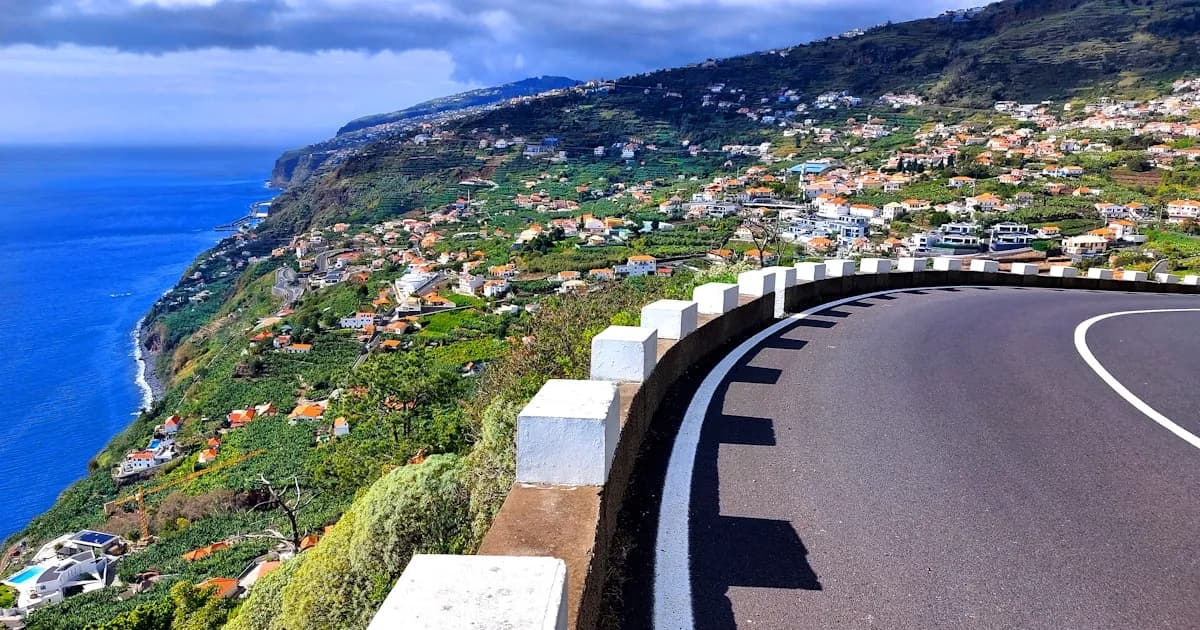
Madeira's wine country is concentrated on the sunny south coast, where steep terraced vineyards called poios cling to volcanic hillsides. Two routes stand out.
Estreito de Câmara de Lobos Route
The traditional heartland of Madeira viticulture. Drive up from the fishing village of Câmara de Lobos through narrow lanes lined with terraced vines. Small family quintas dot the hillside, and during harvest season (late August to September) you can often see grapes being picked by hand. Stop at a local tasca for a glass of young table wine and a plate of espetada — this is Madeira at its most authentic.
São Vicente to Porto Moniz (North Coast)
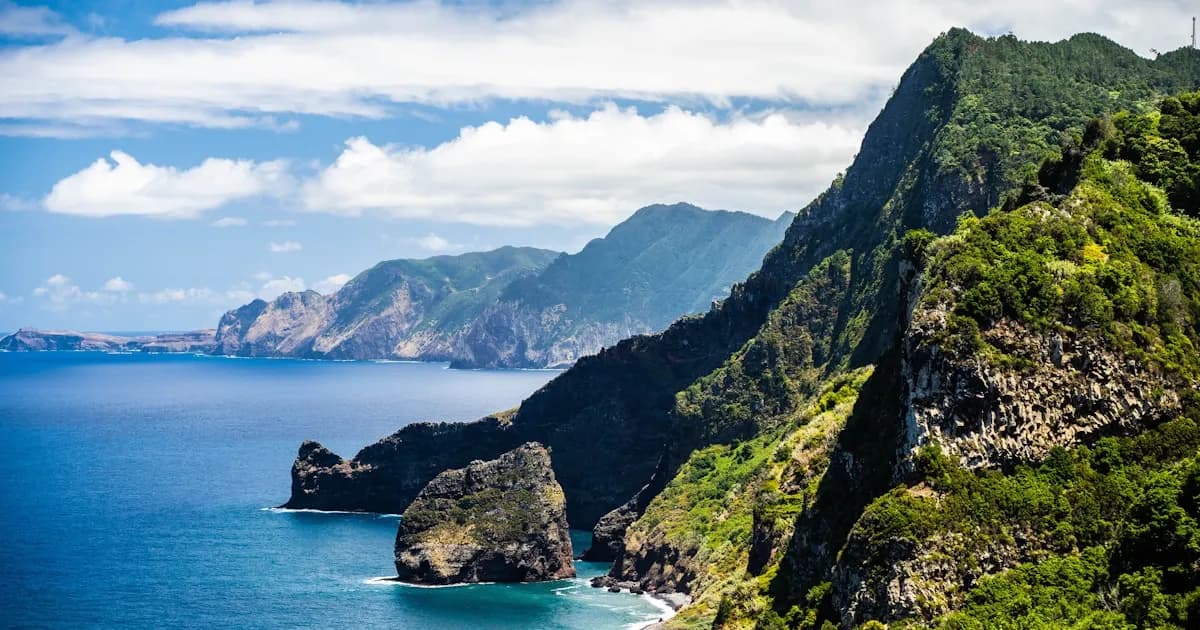
The north coast is not traditionally wine country, but it offers something the south cannot: dramatic landscapes to pair with your tasting experience. Combine a morning drive along the coast — stopping at the volcanic caves of São Vicente and the natural pools of Porto Moniz — with a tasting at a small producer in the interior. The cooler northern slopes are increasingly being explored for Sercial production.
Food Pairing Guide
Madeira wine is one of the most food-friendly wines in the world, thanks to its acidity, sweetness range, and concentrated flavours.
| Wine | Best Pairings | |------|--------------| | Sercial (dry) | Smoked fish, almonds, olives, fresh goat's cheese, sushi, light soups | | Verdelho (medium-dry) | Grilled chicken, risotto, soft cheese, mushroom dishes, Asian cuisine | | Boal (medium-sweet) | Blue cheese, foie gras, dark chocolate, dried fruit, strong hard cheese | | Malmsey (sweet) | Crème brûlée, fruit tarts, pecan pie, tiramisu, aged Stilton |
A local secret: pair a chilled Sercial with freshly grilled lapas (limpets) dripping with garlic butter. The crisp acidity of the wine cuts through the richness of the butter perfectly. You can try this combination at any seafood restaurant in Câmara de Lobos or Porto Moniz.
Buying Guide: How to Choose and What to Bring Home
Age Classifications
- Finest (3 years) — entry-level, made from Tinta Negra. Good for cooking and mixing.
- Reserve (5 years) — more character, still affordable. A solid everyday drinking wine.
- Special Reserve (10 years) — where things get interesting. Complex flavours, smooth finish.
- Extra Reserve (15 years) — rich and nuanced. Excellent value for a serious wine.
- Vintage / Frasqueira (20+ years) — single-vintage wines from a single noble grape. The pinnacle of Madeira wine.
What to Buy
For gifts and personal collections, a 10-year noble variety offers the best balance of quality and price. A 10-year Verdelho or Boal from any of the major producers will cost between twenty and forty euros and tastes outstanding.
For a special occasion, invest in a 20-year or vintage Malmsey — rich, complex, and virtually impossible to find outside the island at the same price.
Transporting Wine Home
Madeira wine is uniquely suited to travel. Its heat-resistant nature means you do not need to worry about temperature in your checked luggage. Most wine lodges offer shipping services if you buy several bottles, and Funchal airport has a well-stocked duty-free section with competitive prices.
Combine Wine and Adrenaline: The Perfect Day
Madeira is an island of contrasts, and the best days here combine culture with adventure. Here is our recommended itinerary:
Morning: Start your day with a zipline or giant swing at Adrenaline Adventures in Porto Moniz — there is nothing like a rush of pure adrenaline above the Atlantic to sharpen your senses.
Lunch: Head to a harbour restaurant in Porto Moniz for grilled fish, lapas, and a glass of chilled Sercial with ocean views.
Afternoon: Drive south to Câmara de Lobos and visit Henriques & Henriques for a guided tasting, then continue to Funchal for the cellars at Blandy's or Pereira d'Oliveira.
Evening: Close the day with a Malmsey at sunset on Funchal's waterfront. You've earned it.
Book Your Adventure in Porto MonizPractical Tips
- Best time for wine tourism: September, during the Madeira Wine Festival, when estates open their doors and grape treading events take place across the island.
- Do you need to book tastings? Blandy's accepts walk-ins, but premium experiences and private tastings at Pereira d'Oliveira and Henriques should be booked in advance.
- Driving and tasting: Madeira's roads are winding and steep. If you plan to visit multiple producers, consider hiring a taxi or joining an organised wine tour. The spitting cup exists for a reason.
- Budget: You can enjoy a full tasting experience at a major lodge for fifteen to twenty-five euros. A bottle of quality 10-year Madeira costs between twenty and forty euros — a fraction of what you would pay for equivalent wines in mainland Europe.
Frequently Asked Questions
What is the must-try dish in Madeira?
Espetada — beef skewered on laurel wood sticks and grilled over charcoal. Pair it with bolo do caco bread and a glass of Madeira wine.
How much does a meal cost in Madeira?
A prato do dia (daily special) costs €6-8. A full dinner at a mid-range restaurant averages €15-25 per person.
Is Madeira wine sweet?
Madeira wine ranges from bone-dry (Sercial) to sweet (Malmsey). There are four noble varieties to suit every palate.
Are there vegetarian options?
Yes, most restaurants offer vegetarian dishes. Try grilled vegetables, sopas, açorda, and the abundant tropical fruit.