Europe has more spectacular islands than any other continent, and choosing just one for your next trip can feel overwhelming. From volcanic peaks in the Atlantic to sun-drenched Mediterranean shores, each island offers something genuinely different. We've spent years exploring Europe's best islands — and running adventure experiences on one of them — so we decided to put the top ten head-to-head across the seven categories that matter most to travellers.
Here's our honest comparison for 2026.
The Top 10 European Islands
Before diving into the categories, here's the shortlist. These ten islands consistently rank among Europe's most popular and rewarding destinations:
- Madeira (Portugal) — The adventure capital of the Atlantic
- Tenerife (Spain, Canary Islands) — Volcanic landscapes and resort beaches
- Mallorca (Spain, Balearic Islands) — Mediterranean charm with mountain scenery
- Crete (Greece) — History, hiking, and the largest Greek island
- Sicily (Italy) — Culture, cuisine, and Mount Etna
- Sardinia (Italy) — Pristine beaches and rugged interior
- Santorini (Greece) — Iconic caldera views and romance
- Azores (Portugal) — Remote, green, and volcanic
- Corsica (France) — Wild mountains meeting turquoise waters
- Iceland — Otherworldly landscapes and extreme nature
Category 1: Adventure Activities
This is where the gap between islands becomes dramatic. Madeira leads convincingly with Europe's most concentrated collection of adventure experiences on a single island. The Adrenaline Adventures zipline in Porto Moniz — 1.6 km long at 320 metres altitude, reaching speeds of 110 km/h — is one of Europe's highest and longest. Add a giant swing suspended 250 metres above the Atlantic, professional canyoning through volcanic gorges, world-class paragliding, coasteering, and mountain biking on rugged trails, and no other European island offers this density of adrenaline experiences.
Iceland comes second for adventure with glacier hiking, ice caves, and whale watching, but its extreme prices and weather limit accessibility. Tenerife has paragliding and water sports but nothing at Madeira's level. Corsica offers excellent canyoning, while Crete and Mallorca have developing adventure scenes. Sardinia, Sicily, Santorini, and the Azores fall further behind in this category.
Winner: Madeira
Madeira's zipline and giant swing in Porto Moniz are unique in Europe — there's nothing comparable on any other island. Both experiences include UTV transfers through scenic mountain trails.
Category 2: Hiking
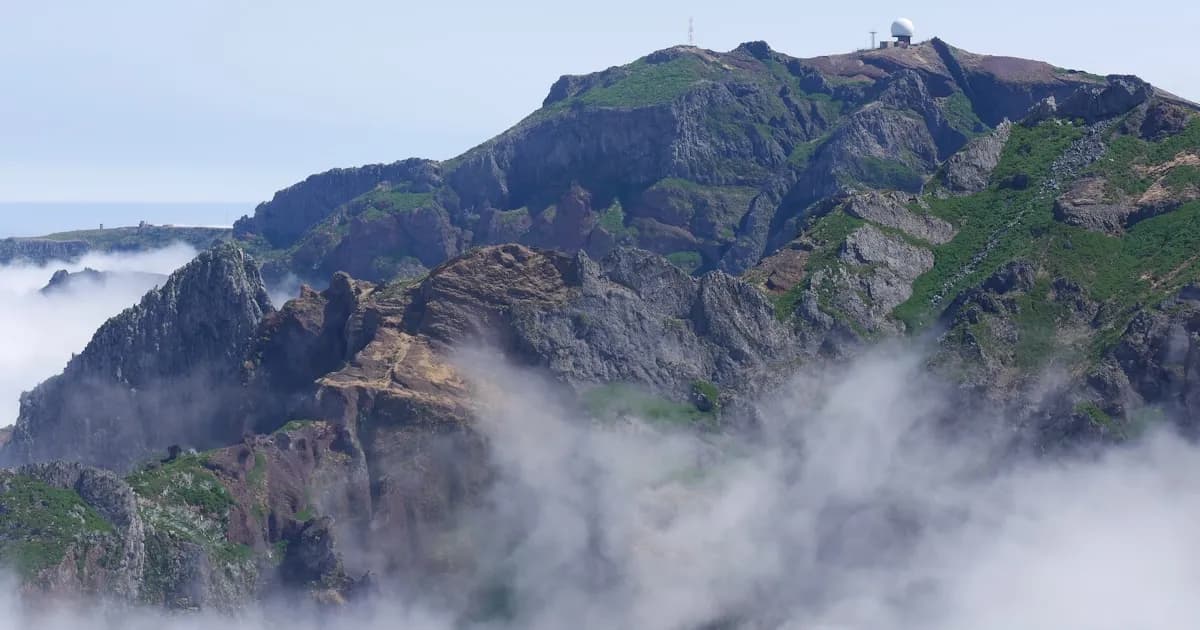
Madeira again takes the top spot. Its 2,000+ kilometre levada trail network — irrigation channels winding through UNESCO-listed laurel forests, past waterfalls, and along cliff edges — is genuinely unique in the world. The Pico Arieiro to Pico Ruivo trek is one of Europe's most spectacular day hikes.
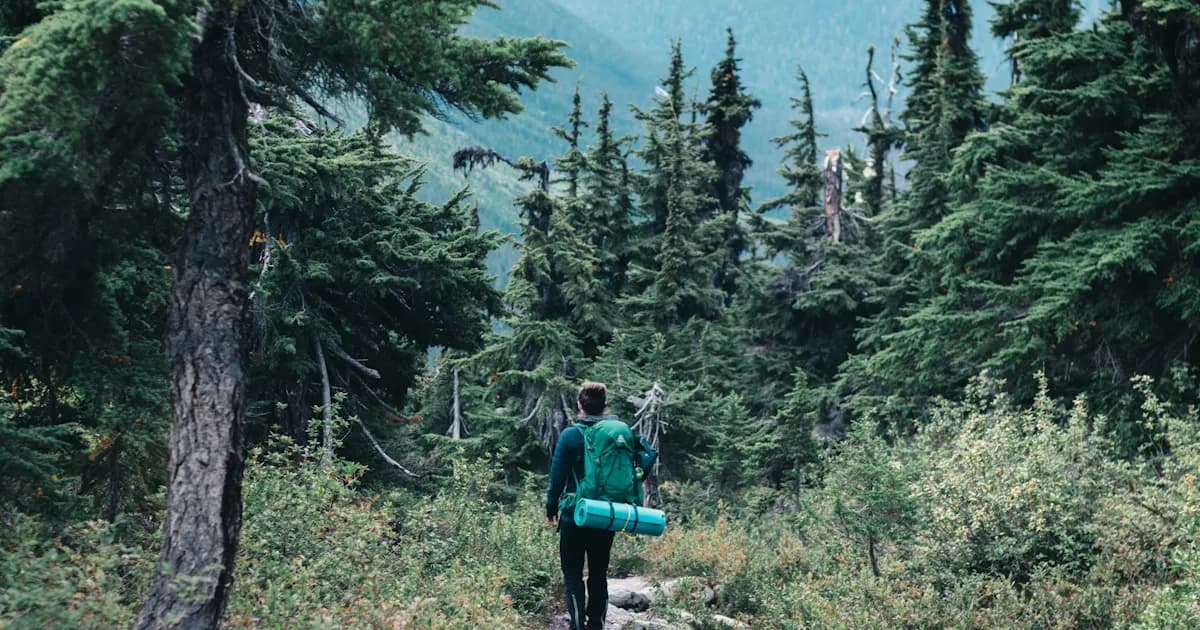
Corsica is a close second with the legendary GR20, widely considered Europe's toughest long-distance trail. Crete impresses with the Samaria Gorge and the E4 European trail. Iceland offers otherworldly highland treks but requires careful preparation. Mallorca has the excellent Serra de Tramuntana, and Tenerife boasts trails through Teide National Park. The Azores have beautiful green trails but less variety. Sicily, Sardinia, and Santorini are less notable for hiking.
Winner: Madeira (with Corsica a close second)
Category 3: Food and Drink
Sicily takes this category convincingly. The island's cuisine — arancini, pasta alla Norma, fresh seafood, cannoli, granita — is arguably the best regional food in all of Europe. Sicilian wines are increasingly world-class.
Crete is a strong second with its extraordinary olive oil, fresh produce, and traditional taverna culture. Sardinia follows closely with its unique culinary traditions (pane carasau, culurgiones, roast suckling pig) and the famous Cannonau wine linked to the island's Blue Zone longevity. Madeira holds its own with espetada, bolo do caco, fresh espada, and the legendary Madeira wine — genuinely underrated. Corsica and Mallorca both offer excellent regional cuisine. Tenerife has solid Spanish-Canarian food, while Santorini offers great Greek dining with caldera views. Iceland and the Azores are less competitive in this category.
Winner: Sicily
Category 4: Beaches
Sardinia is hard to beat here. The Costa Smeralda, Cala Goloritzé, and La Pelosa offer some of Europe's most stunning beaches with Caribbean-clear turquoise water. Mallorca follows closely with Caló des Moro and Es Trenc. Crete boasts Elafonisi and Balos — pink-sand beaches that look almost tropical.
Corsica has the extraordinary Palombaggia and Santa Giulia. Tenerife offers diverse beaches from black volcanic sand to golden resort strands. Santorini has its iconic red and black beaches, more photogenic than practical. Sicily has excellent beaches along its south coast.
Let's be honest — Madeira, Iceland, and the Azores are the weakest here. Madeira's coastline is primarily rocky with pebbly beaches and spectacular volcanic natural pools (Porto Moniz's are world-famous), but traditional beach lounging isn't the island's strength. If sand is your priority, look elsewhere.
Winner: Sardinia
Category 5: Weather
Tenerife edges this category with arguably Europe's most consistently pleasant year-round climate. The southern coast averages 22-28°C even in winter, and rain is rare. Madeira is a very close second — the "Island of Eternal Spring" delivers mild 18-26°C temperatures year-round with more variation between coast and mountains (which is actually better for active travellers who don't want to overheat on hikes).
Mallorca, Sicily, Sardinia, Crete, and Santorini all have scorching summers (35°C+) and cooler winters that limit their appeal to roughly April-October. Corsica follows a similar Mediterranean pattern. The Azores are mild but cloudier. Iceland is obviously the outlier — beautiful in summer, harsh in winter.
Winner: Tenerife (Madeira very close second)
Category 6: Cost and Value
Madeira leads this category. Accommodation, car rental, dining, and activities are genuinely affordable compared to most popular European islands. A superb meal of fresh fish with Madeira wine at a local restaurant costs a fraction of what you'd pay for comparable quality in Santorini, Sardinia, or Mallorca. The island feels less commercialised, so tourist-trap pricing is rare.
Crete and Tenerife are also good value, especially outside resort areas. Sicily offers reasonable prices by Italian standards. Mallorca is moderate but rising. Corsica is expensive by any measure — French island prices apply. Sardinia ranges from affordable inland to eye-watering on the Costa Smeralda. Santorini is the most overpriced island on this list. Iceland is notoriously the most expensive destination in Europe. The Azores offer decent value but with fewer flight connections, getting there can be costly.
Winner: Madeira
Madeira offers outstanding value for adventure travellers. All Adrenaline Adventures experiences include professional equipment, safety briefing, and scenic UTV transfers — check our prices for details.
Category 7: Culture and Heritage
Sicily and Crete share the top spot here. Sicily's layers of Greek, Roman, Arab, Norman, and Baroque heritage make it one of the most culturally rich places on Earth. The Valley of the Temples alone justifies a visit. Crete's Minoan civilisation — the oldest in Europe — combined with Venetian architecture and deeply rooted traditions is equally compelling.
Mallorca has Palma's stunning cathedral and a rich artistic heritage (Miró lived there for decades). Corsica has a distinct identity blending French and Italian influences. Sardinia has mysterious nuraghi prehistoric towers found nowhere else. Santorini trades on its Cycladic beauty more than deep culture. Madeira has a fascinating history as a crucial Atlantic waypoint, beautiful Funchal architecture, and a wine tradition dating back centuries — underappreciated culturally. Iceland has its Viking sagas and unique literary tradition. The Azores are culturally charming but smaller in scope. Tenerife has interesting Guanche heritage but less cultural depth overall.
Winner: Sicily and Crete (tied)
The Overall Ranking Table
| Island | Adventure | Hiking | Food | Beaches | Weather | Cost | Culture | Total | |---|---|---|---|---|---|---|---|---| | Madeira | 10 | 10 | 7 | 4 | 9 | 10 | 6 | 56 | | Sicily | 4 | 5 | 10 | 6 | 7 | 7 | 10 | 49 | | Crete | 5 | 8 | 9 | 8 | 7 | 8 | 10 | 55 | | Corsica | 6 | 9 | 7 | 8 | 6 | 4 | 6 | 46 | | Tenerife | 5 | 6 | 6 | 7 | 10 | 8 | 5 | 47 | | Mallorca | 4 | 7 | 7 | 8 | 7 | 6 | 7 | 46 | | Sardinia | 3 | 4 | 8 | 10 | 7 | 5 | 7 | 44 | | Azores | 5 | 6 | 5 | 4 | 6 | 7 | 5 | 38 | | Santorini | 2 | 3 | 7 | 5 | 7 | 3 | 6 | 33 | | Iceland | 8 | 7 | 4 | 2 | 3 | 2 | 6 | 32 |
Why Madeira Wins for Adventure Seekers
The numbers tell the story, but here's what they don't fully capture: Madeira's combination of top-tier adventure, world-class hiking, excellent value, and year-round mild weather makes it uniquely suited for active travellers.
On Madeira, you can fly down a 1.6 km zipline over the ocean in the morning, hike through an ancient laurel forest in the afternoon, and enjoy fresh grilled espetada with a glass of Madeira wine in the evening — all for less than a day at a Santorini beach club.
The island's compact size means nothing is far away. You don't need to take ferries between islands or fly between cities. Everything is within an hour's drive, including the Adrenaline Adventures base in Porto Moniz on the dramatic northwest coast.
And the weather cooperates year-round. Unlike Mediterranean islands that shut down from November to March, or Iceland where winter daylight barely lasts six hours, Madeira delivers comfortable temperatures and outdoor conditions in every month.
For travellers who prioritise experience over sunbathing, Madeira consistently comes out on top. No other European island matches its combination of adventure, nature, accessibility, and value.
Which Island Is Right for You?
- Beach holiday: Sardinia, Mallorca, or Crete
- Cultural immersion: Sicily or Crete
- Adventure and adrenaline: Madeira — by a clear margin
- Hiking: Madeira or Corsica
- Budget-friendly: Madeira or Crete
- Year-round destination: Madeira or Tenerife
- Romantic getaway: Santorini (if budget allows)
- Unique landscapes: Iceland (in summer)
- All-rounder: Madeira or Crete
Frequently Asked Questions
Is Madeira better than the Canary Islands?
Madeira wins for hiking, adventure activities, and authentic culture. The Canaries win for beaches and nightlife. Both have great year-round weather.
Is Madeira expensive compared to other islands?
Madeira is generally 10-20% cheaper than comparable European islands like Mallorca or Santorini, with better value for food and accommodation.
Can I island-hop from Madeira?
You can visit Porto Santo (2.5h ferry or 15min flight). For the Azores, SATA flies direct. The Canaries require connecting via Lisbon.
Which island is best for adventure?
Madeira leads Europe for adventure tourism with its zipline at 320m altitude, 2000km of levada trails, canyoning, and coasteering.
Read Also
- 25 Best Things to Do in Madeira — The ultimate activity guide for your Madeira trip.
- Why Madeira Is the Best Adventure Destination in Europe — A deeper look at what makes Madeira unbeatable for thrill-seekers.
- Madeira vs Canary Islands: Which Should You Choose? — A direct comparison with Europe's most popular Atlantic islands.