Two jewels of Portugal, lost in the middle of the Atlantic Ocean — yet worlds apart. Madeira and the Azores both promise dramatic landscapes, fresh seafood, and the kind of quiet that mainland Europe lost decades ago. But the experience on each is fundamentally different. If you're torn between the two, this honest comparison will help you decide which archipelago deserves your next holiday.
Geography & Climate: One Island vs Nine
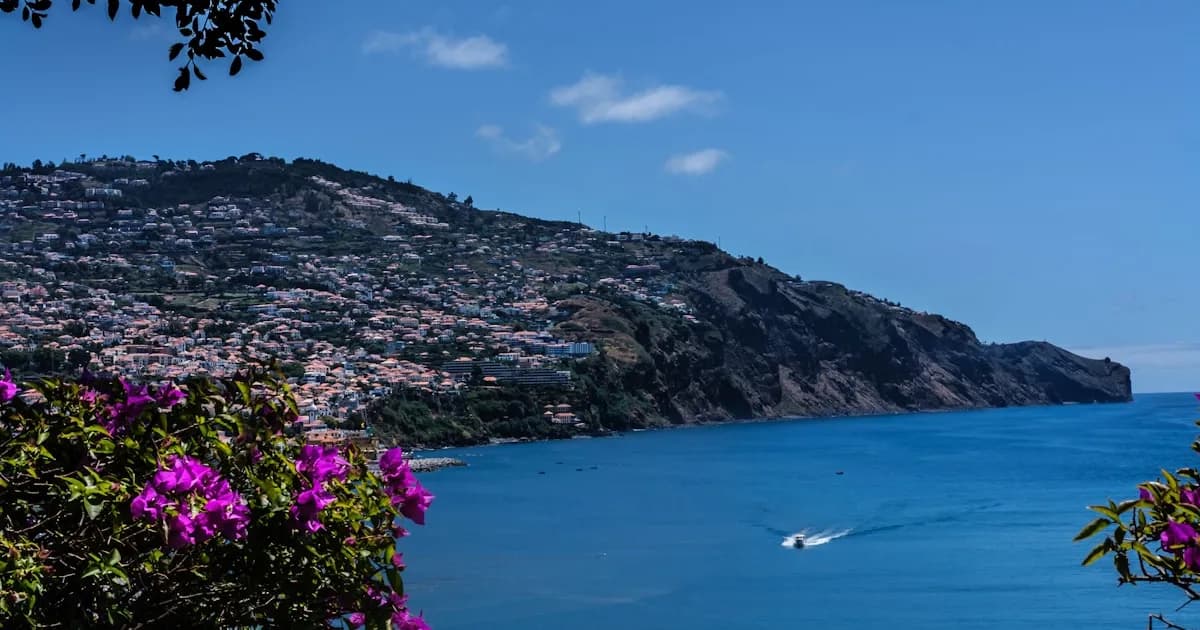
Madeira is essentially one main island (plus the smaller Porto Santo). It's compact — roughly 57 km long and 22 km wide — which means you can explore the entire island without ever packing and unpacking. The climate is subtropical, with temperatures sitting comfortably between 19°C and 25°C year-round. Rain falls mainly in the mountainous interior, while the coast stays reliably dry, particularly on the south side. Funchal averages over 2,100 hours of sunshine per year.
The Azores is an archipelago of nine islands scattered across 600 km of open ocean. The landscape is greener, lusher, and more volcanic in character. Temperatures are slightly cooler (16–23°C), and rainfall is significantly higher — São Miguel can see rain on 200 days per year. The weather is famously unpredictable: locals joke that you can experience four seasons in a single afternoon.
If consistent, warm weather matters to you, Madeira is the safer bet. The Azores rewards travellers who don't mind carrying a rain jacket and embracing moody skies.
Winner: Madeira for reliable weather. The Azores for raw, elemental atmosphere.
Adventure Activities: Adrenaline vs Wilderness
This is where the two islands diverge sharply.
Madeira has developed a serious adventure scene. The headline act is the Adrenaline Adventures zipline in Porto Moniz — 320 metres above sea level, reaching 110 km/h over a 1.6 km cable with the Atlantic Ocean stretching beneath you. Add to that a giant swing suspended 250 metres above the coast, professional canyoning through volcanic gorges, and scenic UTV rides through mountain trails. Madeira packs a remarkable density of adrenaline experiences into a small island.
The Azores offer a different kind of adventure — one rooted in nature's raw power rather than engineered thrills. Whale watching is genuinely world-class here (the Azores sit along major migration routes, and sightings of sperm whales are almost guaranteed in season). You can swim in natural hot springs heated by volcanic activity, dive alongside manta rays at Princess Alice Bank, and kayak across crater lakes that fill the calderas of dormant volcanoes.
The Adrenaline Adventures zipline and giant swing are unique to Madeira — there's nothing remotely comparable in the Azores. If structured adventure activities excite you, Madeira is the clear choice.
Winner: Madeira for organised adventure activities. Azores for wildlife encounters and geothermal experiences.
Hiking & Nature: Levadas vs Volcanic Craters
Both destinations are exceptional for hikers, but the character is completely different.
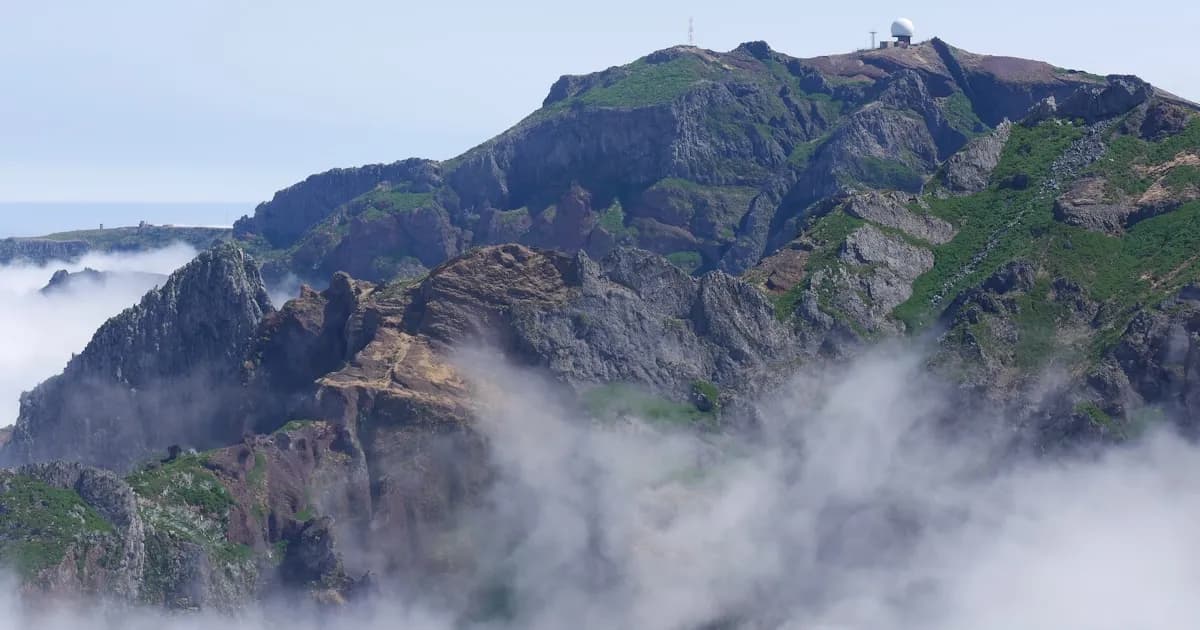
Madeira boasts over 2,000 km of levada trails — footpaths that follow centuries-old irrigation channels through UNESCO-listed laurel forests, past cascading waterfalls, and along vertigo-inducing cliff edges. Pico Ruivo, the island's highest point at 1,862 m, offers panoramic views that stretch to Porto Santo on clear days. The hiking here is varied, accessible, and remarkably well maintained.
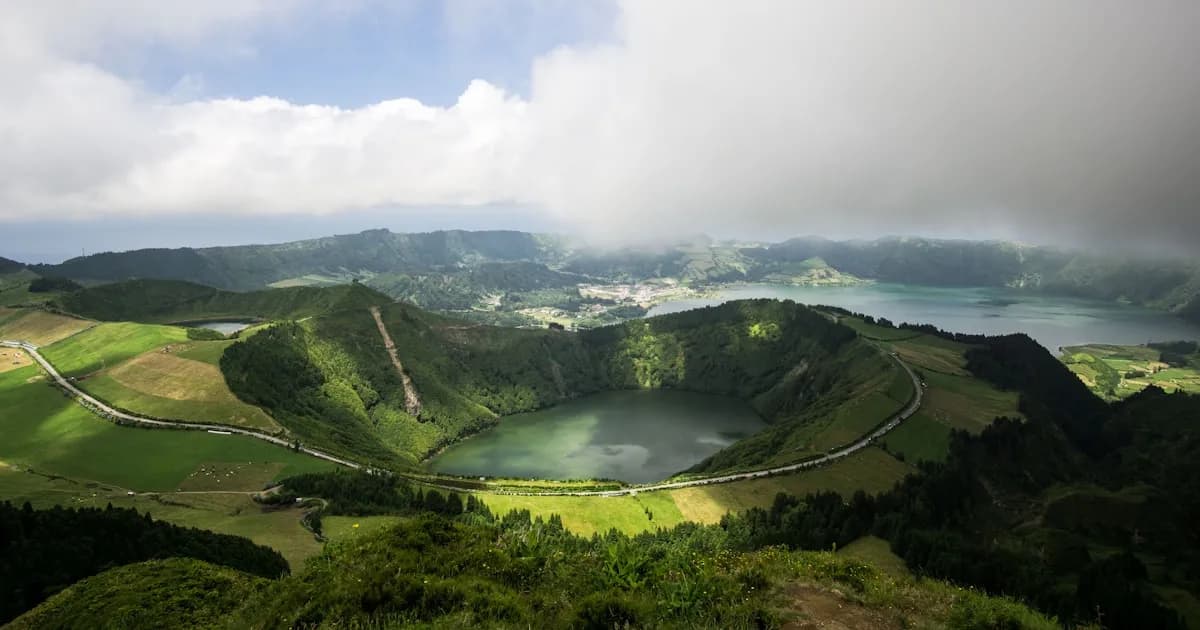
The Azores deliver volcanic drama. The twin lakes of Sete Cidades — one green, one blue — fill a massive caldera on São Miguel and rank among Portugal's most photographed landscapes. Caldeira Velha hides a warm waterfall in the forest. Pico island's eponymous mountain (2,351 m) is the highest point in all of Portugal and requires a proper summit attempt. The terrain feels wilder, more remote, and less trodden.
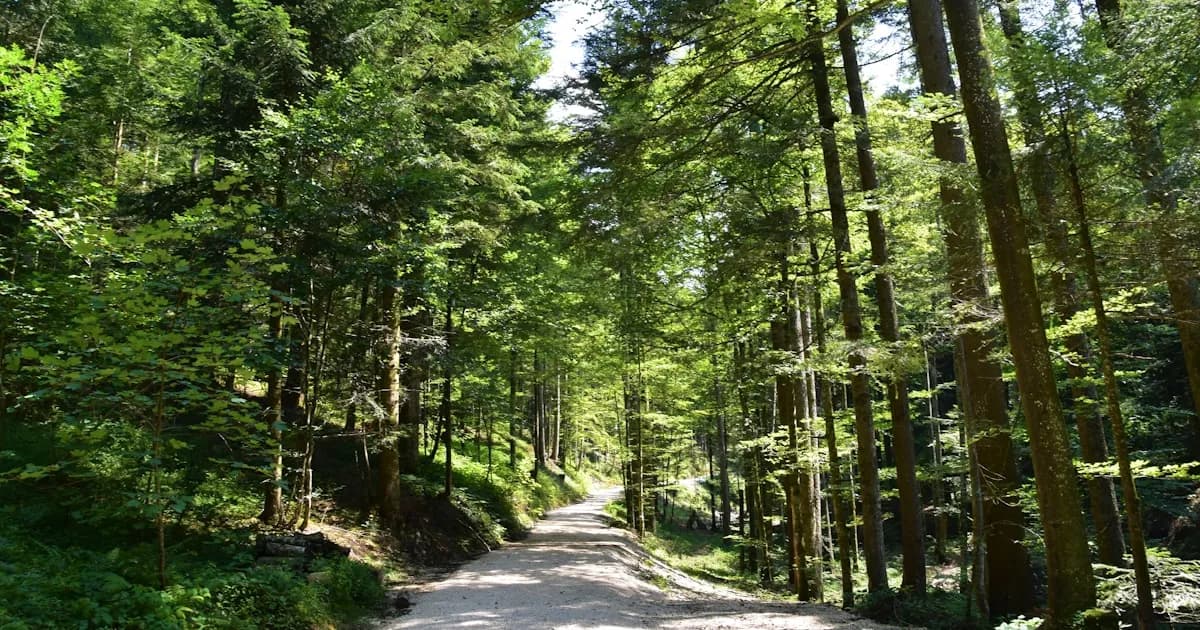
Madeira's laurel forest (Laurissilva) is the largest surviving example in the world and a UNESCO World Heritage Site. The Azores have their own endemic flora and biodiversity, but the sense of walking through a prehistoric forest is uniquely Madeiran.
Winner: A genuine tie. Madeira for trail variety and accessibility, Azores for volcanic grandeur.
Getting There & Cost: Logistics Matter
Madeira is well connected. Funchal airport receives direct flights from most major European cities — London, Lisbon, Frankfurt, Amsterdam, Paris — with flight times of 3–4 hours. Budget carriers like Ryanair and easyJet serve the route, keeping prices competitive. A return flight from London often costs under €100 in the off-season.
The Azores have fewer direct international connections. Most flights route through Lisbon, adding time and cost. Once you're there, getting between islands requires inter-island flights (SATA) or ferries, which adds both expense and logistical complexity. A week of island-hopping in the Azores typically costs 30–50% more than a week based in Madeira.
On the ground, Madeira is generally cheaper. Accommodation, dining, and car rental are 15–25% less expensive than the Azores, where the remote location pushes prices up. A traditional meal in a Madeira taberna will leave you comfortably full and pleasantly surprised by the bill.
Madeira offers better value for most travellers. Fewer flights, simpler logistics, and lower daily costs add up to a more budget-friendly holiday without sacrificing quality.
Winner: Madeira for ease of access and overall value.
Food & Culture: Two Distinct Tables
Madeira's culinary identity is bold and distinctive. Espetada — chunks of beef marinated in garlic and bay leaf, grilled on a laurel wood skewer — is the island's signature dish. Bolo do caco, a round flatbread rubbed with garlic butter, accompanies nearly everything. Poncha, a potent cocktail of aguardente, honey, and citrus, is the unofficial island drink. And then there's Madeira wine — the fortified wine that has been produced here since the 15th century and was famously used to toast American independence.
The Azores bring something altogether different. Cozido das Furnas is a stew slow-cooked underground using volcanic heat — you literally bury the pot in geothermally active ground and return hours later. Queijo São Jorge is a pungent, semi-hard cheese aged on São Jorge island that rivals anything from mainland Portugal. Fresh fish is extraordinary, and if you're open-minded, you might encounter whale steak on older menus (though it's become rare as conservation awareness has grown).
Both destinations share Portugal's café culture, generous hospitality, and that wonderful habit of treating every meal as an occasion worth savouring.
Winner: A tie. Both islands will feed you brilliantly, just in very different styles.
Which One Is Right for You?
Choose Madeira if you want:
- Consistent, warm weather you can count on
- Organised adventure activities (zipline, giant swing, canyoning)
- Over 2,000 km of levada hiking trails
- Easy European flight connections and simpler logistics
- Better overall value for money
- A more developed (but not overcrowded) tourism infrastructure
- Funchal's restaurants, bars, and nightlife
Choose the Azores if you want:
- Remote, untouched wilderness across nine islands
- Volcanic landscapes, crater lakes, and hot springs
- World-class whale watching and marine encounters
- The adventure of island-hopping
- Fewer tourists and a more off-the-grid feeling
- A slower, quieter pace of life
For adventure seekers specifically, Madeira is hard to beat. The combination of the zipline, giant swing, canyoning, and levada trails — all on one compact island — means you'll never run out of things to do.
Can You Do Both?
Yes. SATA airlines operates direct flights between Madeira and the Azores, and combining both in a two-week trip is absolutely feasible. Start with a week in Madeira for adventure and levada hiking, then fly to São Miguel for volcanic landscapes and whale watching.
However, if you only have one week, pick one. Splitting seven days between the two means you'll feel rushed in both and won't do justice to either. One island, done properly, always beats two islands done superficially.
Frequently Asked Questions
Is Madeira better than the Canary Islands?
Madeira wins for hiking, adventure activities, and authentic culture. The Canaries win for beaches and nightlife. Both have great year-round weather.
Is Madeira expensive compared to other islands?
Madeira is generally 10-20% cheaper than comparable European islands like Mallorca or Santorini, with better value for food and accommodation.
Can I island-hop from Madeira?
You can visit Porto Santo (2.5h ferry or 15min flight). For the Azores, SATA flies direct. The Canaries require connecting via Lisbon.
Which island is best for adventure?
Madeira leads Europe for adventure tourism with its zipline at 320m altitude, 2000km of levada trails, canyoning, and coasteering.
Read Also
- 25 Best Things to Do in Madeira — The ultimate activity guide for your Madeira trip.
- Why Madeira Is the Best Adventure Destination in Europe — What makes this island stand out for adrenaline seekers.
- Madeira vs Canary Islands: Which Should You Choose? — Another head-to-head comparison to help you plan.