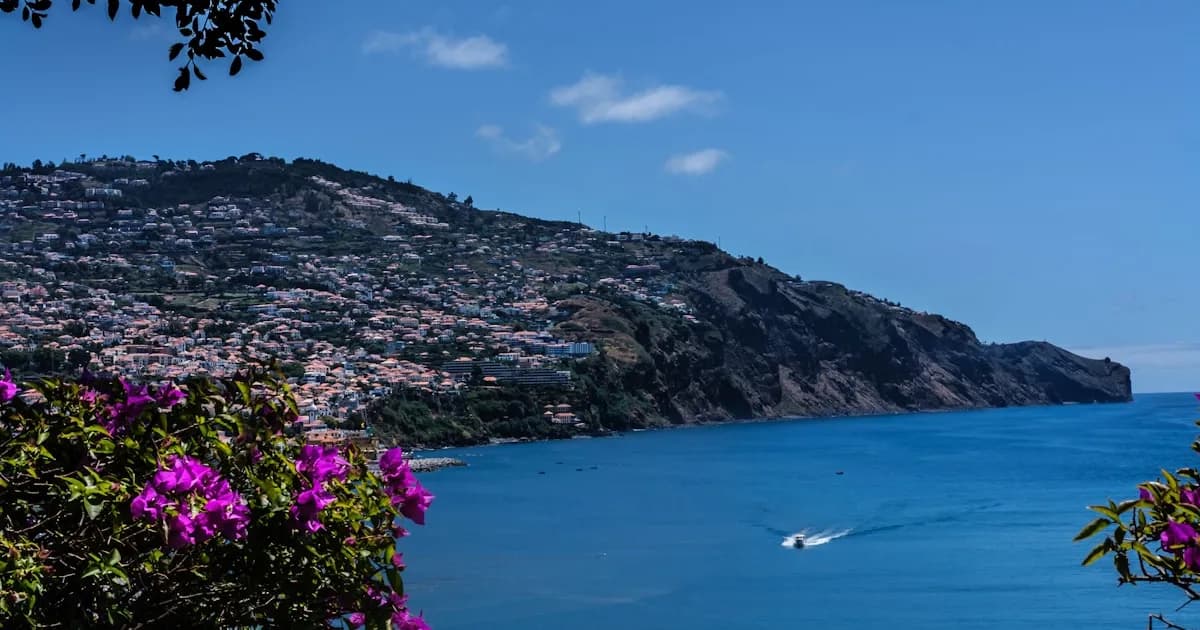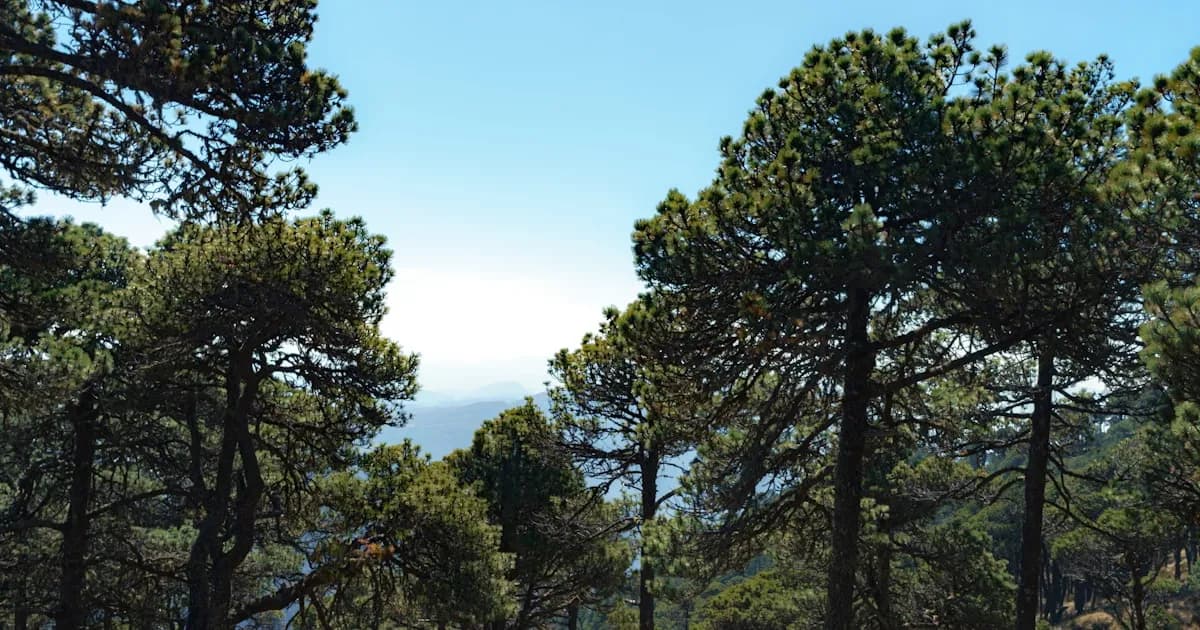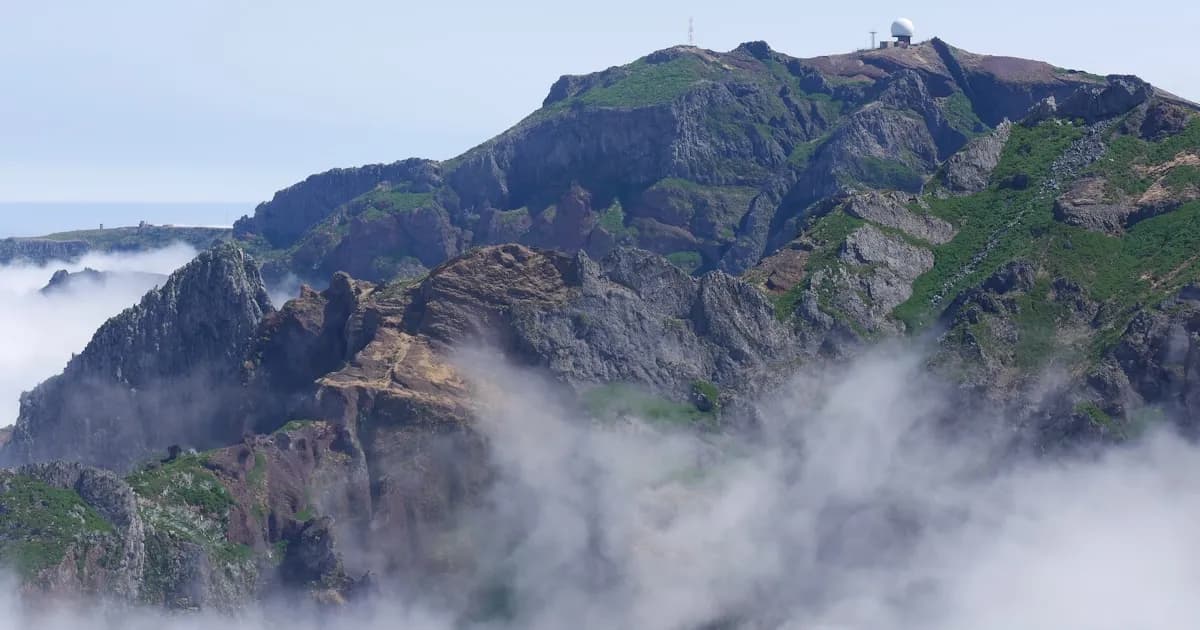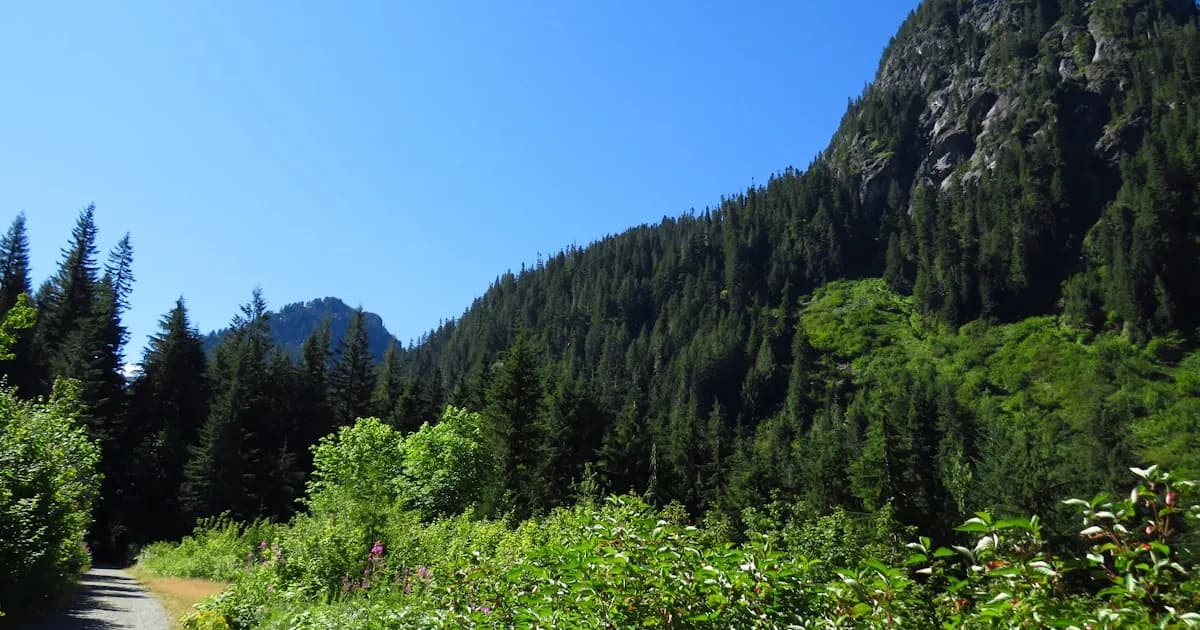
Emerald mountains plunging into the Atlantic on one side. Crystal-clear Adriatic waters lapping against medieval walled towns on the other. Madeira and Croatia are two of Europe's most spectacular summer destinations — but they could hardly be more different. One is a compact volcanic island built for adventure and nature. The other is a sprawling coastline of a thousand islands, built for beach-hopping and history. Here's an honest, category-by-category comparison to help you decide.
Climate: Madeira's Year-Round Comfort vs Croatia's Seasonal Extremes
Madeira enjoys one of the most stable climates in Europe. Temperatures hover between 19°C and 26°C year-round, with no punishing summer heat and no real winter. You can hike, zipline, and explore comfortably in any month.
Croatia is glorious from June to September, with coastal temperatures reaching 28-32°C and reliably sunny skies. But it's a distinctly seasonal destination. Shoulder months can be hit-or-miss, and winter effectively shuts down most of the Dalmatian coast for tourism. July and August bring the kind of intense Mediterranean heat that makes afternoon sightseeing in Dubrovnik feel like an endurance test.
If you want guaranteed pleasant weather without checking a forecast, Madeira wins. If you specifically want hot Mediterranean summer days, Croatia delivers.
Beaches: Croatia Wins This Round
Let's give credit where it's due — Croatia has some of the most beautiful coastline in the Mediterranean. The Adriatic is famously crystal-clear, with that distinctive turquoise hue that photographs astonishingly well. Zlatni Rat in Bol, the beaches of Hvar, the hidden coves of Vis — Croatia's beach game is genuinely world-class.
Madeira's coastline is volcanic and dramatic rather than sandy. You'll find pebbly beaches, striking black-sand shores at Prainha, and the spectacular natural volcanic pools at Porto Moniz — but traditional beach lounging isn't what this island does best. If lying on a pristine sandy beach with clear water is your top holiday priority, Croatia is the stronger choice.
That said, Madeira's Porto Moniz natural pools offer a swimming experience that's entirely unique — ocean water flowing into volcanic rock formations with mountain views. It's not a beach, but it's unforgettable.
Adventure Activities: Madeira Wins Decisively
This is where Madeira leaves Croatia far behind. The island has developed one of Europe's most concentrated adventure scenes. The Adrenaline Adventures zipline in Porto Moniz — 1.6 km long, reaching 110 km/h at 320 metres altitude over the Atlantic — is a standout experience you simply cannot replicate anywhere in Croatia. Add a giant swing perched 250 metres above the ocean, professional canyoning through volcanic gorges, world-class paragliding, coasteering, and mountain biking, and you have an adventure density that Croatia doesn't attempt to match.
Croatia offers kayaking around Dubrovnik's walls, some ziplines (notably in Omiš and Cetina Canyon), and diving. These are enjoyable, but they're side activities in a destination that's primarily about beaches and culture. Madeira is purpose-built for adrenaline.
The Adrenaline Adventures zipline and giant swing in Porto Moniz are unique to Madeira — there's nothing comparable along Croatia's coast. Both experiences include UTV transfers through scenic mountain trails.
Island-Hopping: Croatia Wins Convincingly
Croatia has over 1,200 islands, of which roughly 50 are inhabited. The island-hopping culture — ferrying from Split to Hvar to Vis to Korčula, each with its own personality — is one of the best travel experiences in the Mediterranean. You could spend three weeks exploring different islands and still not see them all.
Madeira is essentially one island (plus the tiny Porto Santo, a short flight or ferry away). There's no comparable island-hopping experience. If variety of destinations within a single trip is important to you, Croatia offers something Madeira simply can't.
However, Madeira's compactness is actually a strength for many travellers. Everything is within a 90-minute drive. No ferry schedules, no packing and unpacking, no logistical headaches. You base yourself in one place and explore an entire island without wasting a day in transit.
Hiking: Madeira's Levadas Are Unrivalled
Madeira's levada trail network is genuinely unique on the planet. Over 2,000 kilometres of irrigation channels winding through UNESCO-listed laurel forests, past waterfalls, along cliff edges with panoramic ocean views. The Pico do Arieiro to Pico Ruivo traverse, the atmospheric Caldeirão Verde trail, the ancient forests of Fanal — Madeira is one of Europe's greatest hiking destinations.
Croatia has some pleasant walking paths — the Paklenica National Park and Plitvice Lakes offer lovely day hikes — but hiking is not why people visit Croatia. The trails don't compare in variety, drama, or infrastructure to Madeira's levada network.
If walking through ancient misty forests along cliff-edge irrigation channels sounds like your idea of a perfect day, Madeira is in a different league entirely.
Combine adventure and nature in one trip: hike a levada trail in the morning, then fly the zipline in the afternoon. That's a typical day on Madeira that simply isn't possible in Croatia.
Food: Both Excellent, Different Worlds
Croatian cuisine leans Mediterranean — grilled fish, octopus salad, pršut (cured ham), fresh oysters from Ston, truffles from Istria. The seafood along the Dalmatian coast is outstanding, and the wine regions (particularly Pelješac and Istria) are increasingly respected.
Madeira's food is Atlantic and Portuguese. Espetada (beef on a laurel skewer), black scabbardfish with banana, bolo do caco (garlic bread), and the island's legendary Madeira wine, which has been aged in barrels for centuries. The flavours are bolder, the portions more generous, and the dining experience less pretentious.
Both destinations will have you eating exceptionally well. Croatia edges ahead on Mediterranean seafood variety; Madeira wins on unique flavour combinations and value for money at the table.
Cost: Madeira Is Significantly Cheaper
This is becoming an increasingly important factor. Croatia — particularly Dubrovnik, Hvar, and Split in summer — has become genuinely expensive. A decent hotel in Dubrovnik's old town in August can cost as much as London or Paris. Restaurant prices in tourist areas have risen sharply, and Croatia's adoption of the euro in 2023 accelerated this trend.
Madeira remains excellent value. Accommodation, dining, car rental, and activities all cost noticeably less than equivalent experiences on the Croatian coast. A full day of adventure activities on Madeira costs less than a mediocre dinner for two in Dubrovnik's old town in peak season.
Madeira offers outstanding value for adventure travellers. All Adrenaline Adventures experiences include professional equipment, safety briefing, and scenic UTV transfers — check our prices for details.
Crowds: Madeira Offers Breathing Room
Croatia receives over 20 million tourists per year, with the vast majority concentrated on a narrow coastal strip during June-September. Dubrovnik has become so crowded that cruise ship arrivals are now limited by city ordinance. Hvar's harbour in August feels less like a tranquil island and more like a floating nightclub.
Madeira welcomes around 3 million visitors annually, spread more evenly across the year. Even in peak summer, you can find a levada trail with barely another soul on it. Porto Moniz feels pleasantly lively, not suffocatingly packed. If you value actually experiencing a place rather than queuing through it, Madeira has a clear advantage.
Which Destination Is Right for You?
Choose Croatia if your ideal summer involves crystal-clear Adriatic beaches, island-hopping by ferry, Mediterranean nightlife, medieval old towns, and you don't mind sharing the experience with significant crowds and paying premium prices.
Choose Madeira if you want concentrated adventure, world-class hiking through ancient forests, fewer crowds, dramatically better value, year-round reliable weather, and unique experiences — like flying 1.6 km over the Atlantic on a zipline — that you genuinely cannot find anywhere else in Europe.
For adventure seekers and nature lovers, the decision is straightforward. Madeira packs more unique outdoor experiences into one compact island than Croatia's entire 1,200-island coastline.
Frequently Asked Questions
Is Madeira better than the Canary Islands?
Madeira wins for hiking, adventure activities, and authentic culture. The Canaries win for beaches and nightlife. Both have great year-round weather.
Is Madeira expensive compared to other islands?
Madeira is generally 10-20% cheaper than comparable European islands like Mallorca or Santorini, with better value for food and accommodation.
Can I island-hop from Madeira?
You can visit Porto Santo (2.5h ferry or 15min flight). For the Azores, SATA flies direct. The Canaries require connecting via Lisbon.
Which island is best for adventure?
Madeira leads Europe for adventure tourism with its zipline at 320m altitude, 2000km of levada trails, canyoning, and coasteering.
Read Also
- 25 Best Things to Do in Madeira — The ultimate activity guide for your Madeira trip.
- Best Beaches and Natural Pools in Madeira — Discover Madeira's most stunning swimming spots, from volcanic pools to hidden coves.
- Why Madeira Is Europe's Best Adventure Destination — Everything that makes this island an outdoor playground like no other.