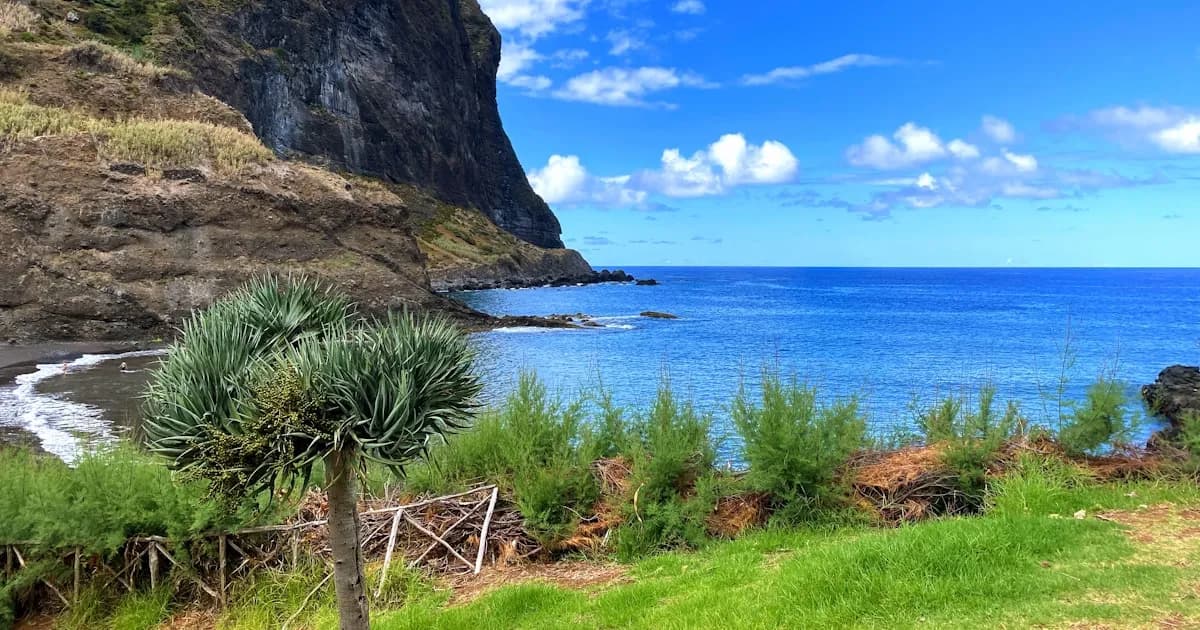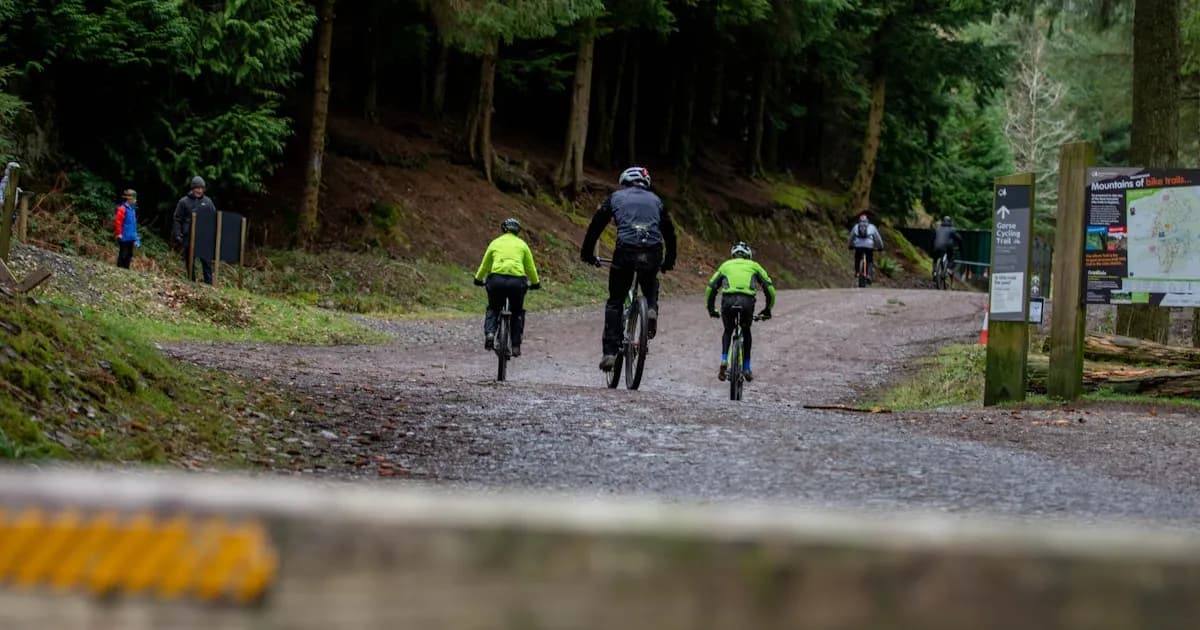
Madeira is rapidly earning its reputation as one of Europe's finest mountain biking destinations. With nearly 1,900 metres of elevation change packed into a compact volcanic island, year-round rideable weather, and a trail network that ranges from gentle levada paths to gravity-defying downhill runs, it is the kind of place that makes every type of rider grin from ear to ear. Here is everything you need to know to plan your MTB adventure on the island.
Why Madeira for Mountain Biking
Dramatic Elevation Changes
Few places in Europe can match Madeira's vertical range. You can start a ride at Pico do Arieiro (1,818 m) and descend all the way to sea level in a single run — nearly 1,800 metres of vertical drop through completely different landscapes. Above the clouds you ride barren volcanic moonscapes; lower down, the trail plunges through eucalyptus forest and subtropical farmland before reaching the coast. That kind of variety in a single ride is extraordinary.
Diverse Terrain
The island packs an astonishing range of surfaces into its 741 square kilometres. You will find technical rocky single-track, flowy forest trails, wide fire roads across highland plateaus, narrow levada paths carved into cliffsides, and everything in between. Whether you prefer enduro-style descents or cross-country exploration, Madeira delivers.
Year-Round Riding
Thanks to Madeira's subtropical climate, you can ride every month of the year. Temperatures at sea level rarely drop below 16°C in winter or exceed 26°C in summer. The south coast is drier and sunnier; the north is lusher and more dramatic. At altitude, conditions can be cooler and cloudier, so layering is essential — but there is no off-season for MTB here.
Growing Trail Network
The island's trail infrastructure has expanded significantly in recent years. Former agricultural paths, forest roads, and levada maintenance tracks have been opened to riders, and several operators now maintain dedicated MTB routes. The Madeira regional government has invested in trail signage and access, recognising mountain biking as a key adventure tourism asset.
Best Mountain Biking Trails in Madeira
1. Pico do Arieiro Downhill
Difficulty: Advanced | Distance: 25 km | Elevation drop: ~1,800 m
This is Madeira's flagship MTB descent and one of the most spectacular downhill rides in Europe. Starting at the island's third-highest peak, you drop through cloud level and into dense forest on a mix of single-track and fire road. The upper sections are exposed and rocky; the lower stretches become smoother and more flowy. Most guided operators include shuttle transport to the summit, so you save your energy for the descent.
2. Paul da Serra Plateau Ride
Difficulty: Beginner to Intermediate | Distance: 15–30 km | Elevation: Mostly flat (~1,400 m)
The Paul da Serra is Madeira's only highland plateau — a wide, open expanse at around 1,400 metres that feels completely different from the rest of the island. The riding here is mellow and panoramic, with wide gravel tracks and gentle undulations. On clear days, the views stretch to Porto Santo and the Desertas Islands. It is ideal for less experienced riders or as a warm-up before tackling the descents.
3. Levada Trails Adapted for Bikes
Difficulty: Intermediate | Distance: Varies | Elevation: Gradual
Several of Madeira's levada paths are accessible to mountain bikes. These narrow channels, originally built to carry water from the wet north to the agricultural south, are flanked by paths that wind through ancient laurel forest and along dramatic cliffs. Not all levadas permit cycling, so check locally — but those that do offer a uniquely Madeiran experience. Expect narrow sections, occasional tunnels (bring a light), and unforgettable scenery.
Not every levada is open to bikes. Stick to the wider levada maintenance tracks and always yield to hikers. Ask local operators which routes are currently rideable.
4. Poiso to Ribeiro Frio
Difficulty: Intermediate | Distance: 12 km | Elevation drop: ~500 m
Starting at the Poiso pass (1,412 m) on the central mountain road, this route descends through beautiful laurel forest to the village of Ribeiro Frio. The trail mixes paved forest road with off-road sections and offers a fast, flowy descent through some of the island's most pristine vegetation. At Ribeiro Frio, refuel at the local trout restaurant before arranging your return transport.
5. Encumeada Descents
Difficulty: Intermediate to Advanced | Distance: 10–20 km | Elevation drop: ~900 m
The Encumeada pass sits at the divide between Madeira's north and south coasts. From here, multiple trails drop in both directions — north towards São Vicente through steep, forested terrain, or south towards Serra de Água on more open, scrubby hillside. The northern descents are wetter and more technical; the southern runs are drier and faster. Both reward riders with dramatic valley views.
6. Vereda do Fanal Downhill
Difficulty: Intermediate to Advanced | Distance: 15 km | Elevation drop: ~1,100 m
Fanal is known for its mystical old-growth laurel trees, often shrouded in mist. The descent from Fanal towards the north coast combines atmospheric forest riding in the upper sections with faster, more open terrain lower down. The trail surface varies from rooty forest floor to packed earth, keeping things interesting throughout. This is a less-travelled route, so you are likely to have it largely to yourself.
Difficulty Levels: What to Expect
Beginner
Paul da Serra plateau rides and gentle coastal paths. Mostly fire roads and wide gravel tracks. Minimal technical challenge but stunning scenery. Suitable for anyone comfortable on a bike.
Intermediate
Levada trails, Poiso to Ribeiro Frio, and moderate forest descents. Expect some narrow sections, occasional roots and rocks, and sustained downhill grades. A reasonable level of off-road experience is helpful.
Advanced
Pico do Arieiro downhill, Encumeada north-face descents, and Fanal technical sections. Steep, rocky single-track with exposure, loose volcanic surface, and fast speeds. These trails demand solid bike handling skills and proper protective gear.
Expert
Custom routes combining the most technical descents with unmarked trails. Only with local guides who know the terrain intimately. Madeira's volcanic geology creates genuinely challenging terrain — sharp rocks, sudden drops, and unpredictable surfaces.
Bike Rental and Guided Tours
Several operators on the island offer high-quality bike rental and guided packages:
- Full-suspension mountain bikes are available for rent in Funchal and at key trail access points. Expect to pay €50–€80 per day for a quality full-suspension rig.
- Guided downhill packages typically include shuttle transport to the start point, a full-suspension bike, helmet, and an experienced guide. Prices range from €60 to €95 per person.
- Multi-day packages are available for riders wanting to explore several trails. These often include accommodation transfers and bike storage.
Most operators provide helmets and basic protective gear. Bring your own gloves and knee pads if you prefer a specific fit.
Electric Mountain Bikes (e-MTB)
Electric mountain bikes have transformed riding in Madeira. The island's relentless gradients mean that without motor assistance, many trails are strictly shuttle-and-descend affairs. With an e-MTB, you can ride point-to-point routes that would otherwise require vehicle support, and you can tackle longer distances without arriving at the trailhead already exhausted.
Several rental shops in Funchal now stock quality e-MTBs from brands like Specialized, Trek, and Haibike. Expect to pay €70–€110 per day. Battery range is generally sufficient for a full day of riding, but carry your charger if you are planning a particularly long route.
E-MTBs open up routes that would be punishing on a regular bike. If you want to ride from coast to coast or tackle climbs between descents, an electric option is well worth considering.
Bike Transport on the Island
Getting your bike (or yourself) to the trailhead is straightforward:
- Shuttle services: Most guided tour operators include shuttle transport. Independent riders can arrange shuttle pickups through local companies — expect to pay €20–€40 per transfer.
- Rental cars with bike racks: Several car rental agencies in Funchal offer vehicles with roof or tailgate bike racks. This gives you maximum flexibility.
- Public transport: Madeira's bus network reaches most parts of the island, but buses do not carry bikes. It is not a practical option for MTB logistics.
- Bringing your own bike: If you fly with your bike, Funchal airport handles bike boxes without issue. Most airlines charge €30–€60 each way for a bike bag.
Best Season for Mountain Biking in Madeira
You can ride year-round, but the sweet spots are:
- May to October: Drier conditions, clearer skies, and warmer temperatures. Trails are at their most rideable, and the long daylight hours give you plenty of time on the bike.
- April and November: Shoulder months with fewer visitors and still-good conditions. Occasional rain keeps the trails fresh.
- December to March: Rideable but wetter, especially at altitude and on the north coast. The south coast stays drier. Bring waterproof layers and expect muddier trails.
Avoid riding exposed highland trails in heavy fog or after prolonged rain — volcanic rock becomes extremely slippery when wet.
Combine MTB and Zipline for the Ultimate Adrenaline Day
Here is how to build the perfect adventure day in Madeira: spend the morning on a gravity-fuelled mountain bike descent — say, the Pico do Arieiro downhill — then head to Porto Moniz in the afternoon for the 1.6 km zipline and giant swing at Adrenaline Adventures. You go from shredding volcanic single-track to soaring 250 metres above the Atlantic at 110 km/h. It is an unbeatable combination of two very different kinds of adrenaline, and it makes for a day you will never forget.
View Zipline Prices and Book Your RidePractical Tips for MTB in Madeira
- Wear a full-face helmet on advanced descents. Volcanic rock is unforgiving.
- Bring knee and elbow pads for anything beyond plateau riding.
- Carry water and snacks — there are no services on most trails.
- Pack a lightweight waterproof even on sunny days. Conditions change fast at altitude.
- Respect hikers on shared trails. Slow down, announce your presence, and give way.
- Check tyre pressure before descents. Lower pressure gives better grip on loose volcanic surfaces.
Mountain biking in Madeira is one of those experiences that exceeds expectations. The combination of dramatic scenery, diverse terrain, and year-round climate makes it a destination that serious riders return to again and again. Whether you are a beginner rolling across Paul da Serra or an expert threading through the volcanic rock above Encumeada, the island has a trail with your name on it.
Need Help Planning Your Adventure? Contact UsFrequently Asked Questions
Do I need experience for adventure activities?
Most activities welcome beginners. Professional guides provide full briefings and all equipment is included.
What is the best adventure activity in Madeira?
The zipline at Porto Moniz is the top-rated experience — 1.6 km at 320m altitude with speeds up to 110 km/h over the Atlantic.
Can I combine multiple activities in one day?
Yes. A popular combo is the zipline and giant swing in the morning, followed by natural pools in Porto Moniz in the afternoon.
Are adventure activities safe for children?
Many activities welcome younger participants with adult supervision. Adrenaline's zipline and giant swing have no age limit — the only requirement is a weight between 35 kg and 120 kg, and minors need parental or guardian consent.
Read Also
- Things to Do in Madeira: Ultimate Guide — The complete guide to the best activities and experiences on the island.
- Best Hikes and Levadas in Madeira — Discover the top trails and levada walks, from easy strolls to challenging mountain routes.
- Outdoor Adventures in Madeira 2026 — The ultimate guide to every outdoor activity on the island this year.