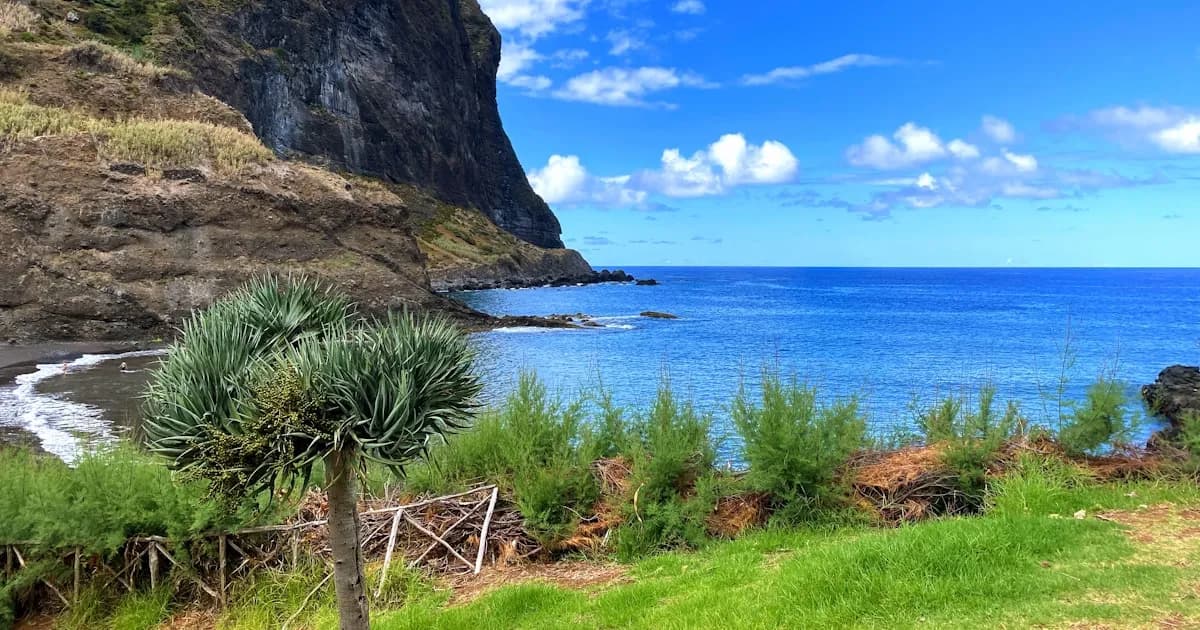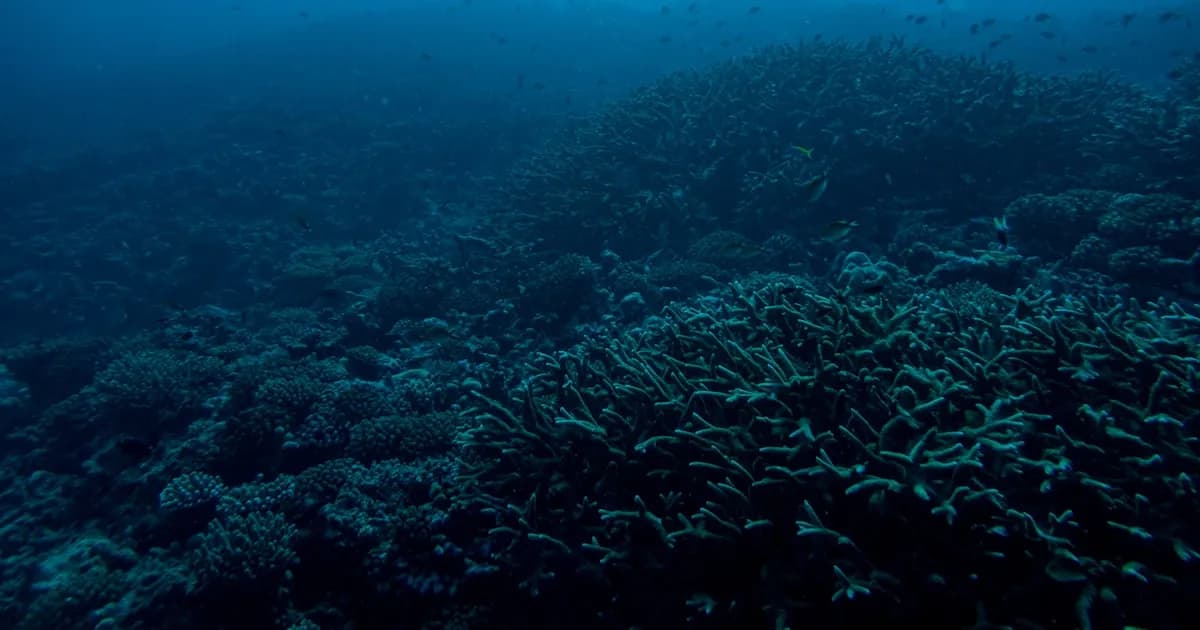
Madeira is famous for its green mountains, levada walks, and dramatic coastline. But beneath the surface of the Atlantic lies an entirely different world — one that most visitors never discover. Volcanic rock formations, underwater caves, shipwrecks resting on the seabed, and warm Gulf Stream currents that attract everything from massive manta rays to curious sea turtles. Whether you are a certified diver or someone who has never put on a mask, this island offers some of the best underwater experiences in Europe.
Here is our complete guide to scuba diving in Madeira, covering where to dive, what you will see, how much it costs, and how to make the most of your time below the waves.
Why Dive in Madeira?
Most people do not immediately associate Madeira with diving, and that is precisely what makes it so special. The island sits in the middle of the Atlantic, where the warm Gulf Stream meets nutrient-rich deep ocean currents. This creates exceptional conditions:
- Water temperature ranges from 18°C in winter to 24°C in summer — comfortable enough to dive year-round with a 5mm wetsuit
- Visibility regularly reaches 30 metres and can exceed 40 metres on the best days, particularly between July and October
- Volcanic underwater landscapes include dramatic walls, arches, caves, and boulder fields unlike anything you will find in the Mediterranean
- Marine biodiversity is extraordinary thanks to the convergence of temperate and subtropical species
Madeira is also refreshingly uncrowded compared to popular dive destinations like the Red Sea or the Canary Islands. You will often have entire dive sites to yourself, even in peak season.
Best Dive Sites in Madeira
Garajau Marine Reserve (Reserva Natural do Garajau)
This is Madeira's flagship dive site and one of the most important marine reserves in the Atlantic. Established in 1986, it stretches along the southern coast between Funchal and Caniço. Fishing has been banned here for decades, which means marine life is abundant and remarkably unafraid of divers.
The underwater terrain features volcanic walls that drop from 5 metres to beyond 40 metres, covered in colourful sponges and anemones. Large groupers are the stars here — some weighing over 30 kg — and they often approach divers with genuine curiosity. You will also encounter moray eels peering out from crevices, schools of barracuda patrolling the blue, and if you are lucky, manta rays gliding overhead.
Depth: 5–40m | Level: All levels (shallow areas for beginners, walls for advanced) | Access: Boat from Caniço
Caniçal
On Madeira's eastern tip, Caniçal offers a different character. The landscape here is more rugged, with scattered volcanic boulders creating a labyrinth of swim-throughs and overhangs. The area is known for encounters with large pelagic species — Atlantic manta rays, eagle rays, and occasionally dolphins passing through.
The dive site known as Ponta de São Lourenço is particularly impressive, where strong currents attract larger marine life. This site is best suited for experienced divers comfortable with some current.
Depth: 10–35m | Level: Intermediate to advanced | Access: Boat from Caniçal harbour
Porto Santo Shipwreck (The Madeirense)
About 40 km northeast of Madeira, the island of Porto Santo is home to one of the region's most exciting dives. The Madeirense, a former inter-island ferry, was deliberately sunk in 2000 to create an artificial reef. Resting at around 30 metres, the 70-metre-long wreck is now encrusted with marine life and has become a thriving ecosystem.
You can penetrate several compartments of the ship, swim along the deck, and explore the bridge. Visibility around Porto Santo is often even better than Madeira itself, frequently exceeding 40 metres. The wreck is surrounded by sandy bottom where you might spot stingrays and angel sharks.
Depth: 14–33m | Level: Advanced (wreck penetration requires certification) | Access: Boat from Porto Santo (day trip by ferry or flight from Madeira)
Desertas Islands
The Ilhas Desertas, a group of uninhabited islands about 25 km southeast of Madeira, represent the wildest diving the archipelago offers. These are protected nature reserves, home to the endangered Mediterranean monk seal. Diving here requires special permits and is only available through select operators.
The underwater scenery is pristine — untouched volcanic walls teeming with fish, large pelagic visitors, and exceptional visibility. This is a bucket-list dive for those who want something truly remote and unspoiled.
Depth: 10–40m+ | Level: Advanced | Access: Full-day boat trip from Funchal (weather dependent)
If you only have time for one dive in Madeira, choose Garajau Marine Reserve. The combination of easy access, incredible marine life, and varied depths makes it the best all-round site for any level.
Marine Life You Will Encounter
Madeira's position in the Atlantic means you get an unusual mix of Mediterranean, tropical, and deep-ocean species. Here is what you can expect to see:
- Manta rays — Atlantic mantas visit Madeira's waters, especially around Caniçal and the Desertas. Sightings are most common from June to October
- Sea turtles — Loggerhead turtles are regular visitors, and you may also spot green turtles on deeper dives
- Groupers — Garajau is famous for its massive, friendly dusky groupers that have been protected for decades
- Moray eels — Black and Mediterranean morays hide in nearly every rocky crevice
- Barracuda — Schools of Atlantic barracuda are a common sight, especially at deeper sites
- Eagle rays and stingrays — Found around sandy bottoms and near wrecks
- Octopus — Common across all dive sites, often spotted by sharp-eyed guides
- Nudibranchs — Macro enthusiasts will find dozens of colourful species on the volcanic rock
Between July and October, the chances of encountering larger pelagic species increase significantly as water temperatures peak and visibility improves.
Certifications and Dive Centres
Funchal and Caniço host several reputable dive centres offering courses and guided dives:
- PADI and SSI certifications are widely available, from Open Water Diver for complete beginners to advanced specialties like wreck diving and deep diving
- Most centres offer Discover Scuba Diving (baptism dives) for people with no experience — you can be underwater within a few hours
- Equipment rental is included in most dive packages, so you do not need to bring your own gear
- Courses are typically available in English, Portuguese, German, and French
A full PADI Open Water course takes 3–4 days and includes theory, pool sessions, and four open water dives. You will leave Madeira with a certification that is valid worldwide.
Prices
Diving in Madeira offers excellent value compared to many European destinations:
| Experience | Approximate Price | |---|---| | Single guided dive (certified divers) | €50–€70 | | Two-dive package | €80–€120 | | Discover Scuba Diving (baptism) | €60–€80 | | PADI Open Water course | €350–€450 | | PADI Advanced Open Water | €280–€350 | | Full equipment rental (per day) | €20–€30 | | Desertas Islands day trip | €120–€180 |
Prices typically include equipment, boat transfer, and guide. Multi-dive packages and group discounts are available at most centres. Porto Santo trips may cost more due to ferry or flight transfers.
Best Season for Diving
You can dive in Madeira year-round, but conditions vary:
- June to October is the prime season. Water temperatures reach 22–24°C, visibility is at its best (often 30–40m), and marine life is most active. This is when you have the best chance of spotting manta rays and turtles
- November to February brings cooler water (18–19°C) and reduced visibility (15–25m), but fewer divers and a different mood underwater. You may encounter species that prefer cooler water
- March to May is transitional — water begins to warm, visibility improves, and spring brings increased plankton that attracts feeding fish
Book your dives for the morning whenever possible. Conditions are usually calmest before midday, and morning light creates the best underwater visibility and colours.
Snorkelling for Non-Divers
Not ready to dive? Madeira offers excellent snorkelling opportunities too. The clear water and volcanic coastline create natural pools and sheltered bays perfect for surface exploration:
- Garajau Marine Reserve has shallow areas along the coast where snorkellers can spot groupers, octopus, and colourful reef fish from the surface
- Porto Moniz natural pools offer a safe, sheltered environment with small fish and marine invertebrates in crystal-clear water
- Caniçal has calm bays where guided snorkelling tours take you to spot barracuda and rays
Most dive centres offer guided snorkelling tours starting from around €25–€35 per person, including mask, snorkel, fins, and wetsuit.
Combine Diving with a Zipline: Sea and Sky in One Day
For the ultimate Madeira adventure day, combine a morning dive with an afternoon on the zipline at Porto Moniz. Start your day exploring the underwater world at one of Funchal's dive sites, then drive to Porto Moniz and fly 1.6 km over the Atlantic on the longest zipline course in Madeira. It is the perfect way to experience the island from both below and above the waves.
You can also add the giant swing for a 250-metre pendulum swing above the ocean — because after breathing underwater, swinging over a cliff feels perfectly natural.
Check Zipline and Giant Swing PricesPractical Tips
- Bring your certification card (or digital version) — dive centres will ask to see it
- Do not fly within 24 hours of your last dive. Plan your diving days at the beginning of your trip if you are flying home
- Wear reef-safe sunscreen to protect the marine environment
- Book in advance during July and August, as dive boats fill up quickly
- Consider travel insurance that covers diving activities, particularly if you plan to dive deeper than 18 metres
Frequently Asked Questions
Do I need to be certified to dive in Madeira?
No. All major dive centres offer Discover Scuba Diving experiences where instructors guide complete beginners through a shallow dive after a brief pool session. You can be underwater the same day with no prior experience.
Is diving in Madeira safe?
Yes. Madeira's dive centres are well-regulated, use modern equipment, and operate with certified instructors. The sheltered southern coast offers calm conditions for most of the year. Always follow your instructor's guidance and never exceed your certification limits.
Can I see whales and dolphins while diving?
Dolphins are occasionally spotted during dives, particularly around Caniçal and the Desertas. Whales are more commonly seen from the surface during dedicated whale-watching tours. Some dive operators combine whale watching with diving in a single day trip.
How do I get to Porto Santo for the shipwreck dive?
You can take a ferry from Funchal (about 2.5 hours) or a short flight (15 minutes). Several dive centres organise full-day Porto Santo dive trips including transfers. The ferry runs daily in summer and several times per week in winter.
Frequently Asked Questions
Do I need experience for adventure activities?
Most activities welcome beginners. Professional guides provide full briefings and all equipment is included.
What is the best adventure activity in Madeira?
The zipline at Porto Moniz is the top-rated experience — 1.6 km at 320m altitude with speeds up to 110 km/h over the Atlantic.
Can I combine multiple activities in one day?
Yes. A popular combo is the zipline and giant swing in the morning, followed by natural pools in Porto Moniz in the afternoon.
Are adventure activities safe for children?
Many activities welcome younger participants with adult supervision. Adrenaline's zipline and giant swing have no age limit — the only requirement is a weight between 35 kg and 120 kg, and minors need parental or guardian consent.
Read Also
- Best Beaches and Natural Pools in Madeira — From Porto Moniz volcanic pools to Calheta golden beach, the best places to swim on the island.
- Things to Do in Madeira — A complete overview of everything the island has to offer, from adventure to culture.
- Outdoor Adventures in Madeira 2026 — All the outdoor activities you can experience in Madeira this year.