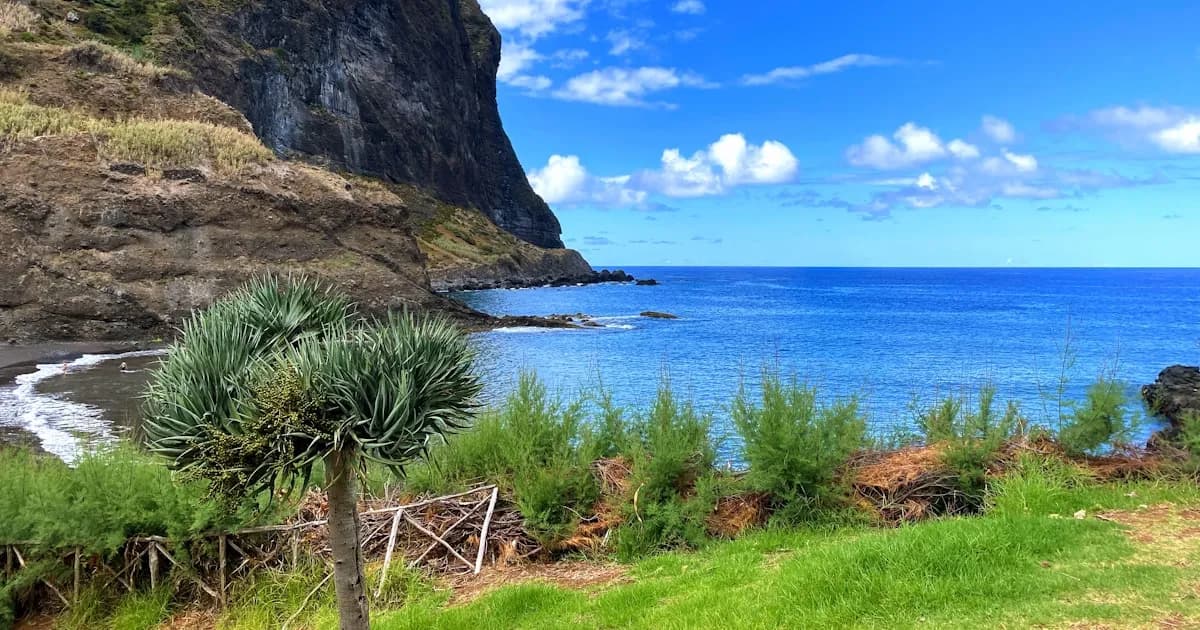
Madeira has become one of Europe's most exciting trail running destinations — and once you set foot on the island, it is easy to understand why. With peaks reaching 1,862 metres, a network of ancient levada channels threading through laurel forest, and a subtropical climate that allows training year-round, this volcanic island in the Atlantic delivers everything a trail runner could want: relentless elevation, diverse terrain, and scenery that makes every uphill effort worthwhile.
Whether you are preparing for the legendary Madeira Island Ultra Trail (MIUT) or simply looking for a week of spectacular training runs, this guide covers the best routes, the top races, essential gear, and practical tips for running in Madeira.
Why Madeira Is a Trail Runner's Paradise
Elevation Everywhere
Madeira packs extraordinary vertical gain into a compact area. The island is just 57 kilometres long and 22 kilometres wide, yet its terrain is relentlessly mountainous. A 15-kilometre run can easily include 1,000 metres or more of climbing. This makes it an ideal training ground for anyone preparing for mountain ultras — you simply cannot avoid elevation here.
Diverse Terrain
Within a single run you might cross exposed volcanic ridges above the clouds, descend through moss-draped laurel forest, follow a levada canal cut into a cliff face, and finish on a windswept coastal peninsula. The variety of surfaces — from technical rocky single-track to smooth levada paths — keeps your legs guessing and your mind engaged.
Year-Round Running
Thanks to its position in the subtropical Atlantic, Madeira enjoys mild temperatures throughout the year. Coastal areas rarely drop below 15°C in winter or exceed 26°C in summer. The mountains are cooler and wetter, but even in January you can find runnable conditions at altitude on clear days. There is no off-season here.
The Best Trail Running Routes in Madeira
1. Pico do Arieiro to Pico Ruivo
Distance: 7 km (one way) | Elevation gain: ~600 m | Terrain: Rocky ridge, tunnels, exposed sections
This is the crown jewel. Starting at Madeira's third-highest peak (1,818 m) and finishing at the summit of Pico Ruivo (1,862 m), the route follows a dramatic knife-edge ridge with vertiginous drops on both sides. The trail passes through carved tunnels and includes several steep staircase sections. As a run, it is technical and demanding — but the reward is running above the clouds with the entire island spread out beneath you.
Start at dawn to avoid hikers on the narrow sections. The trail is popular by mid-morning and passing can be difficult on the exposed ridges.
2. Ponta de São Lourenço
Distance: 8 km (round trip) | Elevation gain: ~300 m | Terrain: Dry, rocky, exposed coastal trail
The eastern peninsula of Madeira feels like a different planet. The terrain is arid and windswept, with red and gold rock formations, dramatic sea cliffs, and ocean on both sides. It is a fast, runnable out-and-back with constant visual drama. There is zero shade, so bring water and sun protection.
3. Paul da Serra Plateau
Distance: Variable (10–25 km) | Elevation gain: Minimal on the plateau itself | Terrain: Open moorland, dirt tracks, gentle undulation
The Paul da Serra is Madeira's only flat area — a high-altitude plateau sitting at roughly 1,400 metres. It is the perfect place for longer, steadier efforts. The landscape is open and expansive, very different from the forested valleys below. Several dirt tracks and old roads cross the plateau, and you can link them into loops of various distances. Fog can roll in quickly, so carry a GPS device.
4. Levada Trails for Recovery Runs
Distance: Variable | Elevation gain: Minimal | Terrain: Flat canal-side paths, occasional tunnels
Madeira's levada network is a gift to trail runners who need recovery days. These irrigation channels contour along the mountainsides at a constant gradient, creating perfectly flat paths through stunning forest scenery. The Levada das 25 Fontes, Levada do Caldeirão Verde, and Levada do Rei are all excellent choices. The pace is gentle, the footing is easy, and the surroundings are beautiful — ideal active recovery.
Some levada paths have narrow sections with steep drop-offs and no barriers. Run cautiously and bring a headlamp for tunnels.
5. Encumeada to São Vicente Descent
Distance: ~12 km | Elevation gain: Mostly downhill (~1,000 m descent) | Terrain: Forest trails, switchbacks, village paths
Starting from the Encumeada pass (1,007 m) in the centre of the island, this route descends through laurel forest and terraced farmland to the north coast village of São Vicente. It is a fast, technical downhill with constant switchbacks — excellent training for quad-destroying ultra descents.
The Big Races: MIUT and Beyond
Madeira Island Ultra Trail (MIUT)
The MIUT is the headline event of trail running in Madeira and one of the most respected ultras in Europe. Held annually in April, it offers several distances:
- MIUT 115 km — The flagship race, traversing the entire island from Porto Moniz to Machico with approximately 7,200 metres of elevation gain. It passes through the central mountain range, the laurel forests, and finishes on the east coast. This is an ITRA-qualifying event and attracts elite runners from around the world.
- Ultra 85 km — A shorter but still punishing route covering much of the same terrain.
- Marathon 42 km — A mountain marathon with significant elevation.
- Mini 16 km — An accessible introduction to Madeira trail racing.
The MIUT is known for its technical terrain, extreme weather changes (you can pass from sea level to 1,800 m multiple times), and the incredible support of local volunteers. It regularly sells out, so register early.
Eco Trail Funchal
Held in October, the Eco Trail Funchal offers a different flavour — routes that start in the mountains above Funchal and descend to the city centre, finishing along the seafront promenade. It is a scenic, fast race that attracts both competitive runners and those looking for a first trail race experience.
Training Tips for Madeira Trail Running
- Prepare your legs for elevation: Even short routes in Madeira involve serious climbing. If you are coming from flat terrain, spend at least six weeks doing stair repeats or hill intervals before your trip.
- Practice technical descending: Madeira's trails are rocky and rooty. Fast, confident downhill running makes a huge difference to your overall times and enjoyment.
- Acclimatise to heat: While Madeira is not extreme, running uphill in 22°C with humidity feels harder than it sounds. Train in warm conditions if possible.
- Build in recovery: The terrain is demanding. Plan at least one easy day for every two hard running days. Levada walks are perfect for this.
Essential Gear
- Trail running shoes: Aggressive lugs and a rock plate are essential. The volcanic rock is sharp and unforgiving. Models like the Hoka Speedgoat or Salomon Speedcross work well here.
- Hydration vest: Carry at least 1 litre of water on any run longer than an hour. There are very few water sources on the trails.
- Headlamp: Essential for tunnel sections on levada trails and for early morning starts.
- Wind jacket: Mountain weather changes quickly. A lightweight packable jacket weighs nothing and can save your run.
- GPS watch: Navigation on the plateau and in forested sections can be tricky. Load routes in advance.
When to Go
- March to May: Ideal conditions. Mild temperatures, wildflowers in bloom, and the MIUT in April. The levadas are full of water and the forests are lush.
- June to September: Warmer and drier. Great for high-altitude routes but hot for exposed coastal runs. Afternoons can be humid.
- October to November: Still warm, fewer tourists. The Eco Trail Funchal takes place in October.
- December to February: Cooler with more rain, especially at altitude. Coastal routes remain pleasant. Good for base training if you do not mind occasional showers.
Combine Trail Running with a Recovery Day Thrill
After days of pounding mountain trails, your legs deserve a break — but your appetite for adventure does not have to stop. The zipline and giant swing at Adrenaline Adventures in Porto Moniz is the perfect recovery day activity. You do not need your legs for this one — just launch yourself off the platform and soar 1.6 kilometres over the Atlantic at 110 km/h. It is the ultimate reward after a week of hard running.
Check Zipline Prices and Book Your Recovery DayMadeira offers trail running that rivals anywhere in Europe — massive elevation, technical terrain, world-class races, and scenery that makes every kilometre unforgettable. Whether you come for the MIUT or simply to explore on your own two feet, this island will push you, humble you, and leave you planning your return trip before you have even left.
Questions About Activities in Madeira? Contact UsFrequently Asked Questions
Do I need experience for adventure activities?
Most activities welcome beginners. Professional guides provide full briefings and all equipment is included.
What is the best adventure activity in Madeira?
The zipline at Porto Moniz is the top-rated experience — 1.6 km at 320m altitude with speeds up to 110 km/h over the Atlantic.
Can I combine multiple activities in one day?
Yes. A popular combo is the zipline and giant swing in the morning, followed by natural pools in Porto Moniz in the afternoon.
Are adventure activities safe for children?
Many activities welcome younger participants with adult supervision. Adrenaline's zipline and giant swing have no age limit — the only requirement is a weight between 35 kg and 120 kg, and minors need parental or guardian consent.
Read Also
- Things to Do in Madeira: Ultimate Guide — The complete guide to the best activities and experiences on the island.
- Best Hikes and Levadas in Madeira — The top trails and levada walks, from easy strolls to challenging ridge routes.
- Outdoor Adventures in Madeira 2026 — Every outdoor activity worth doing on the island this year.