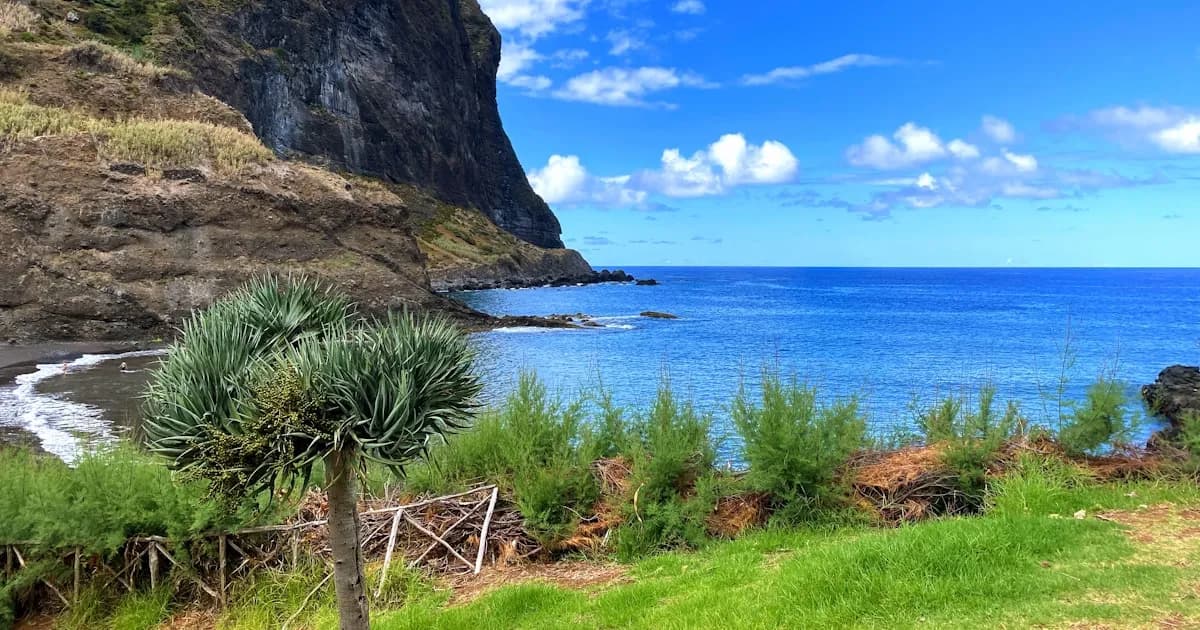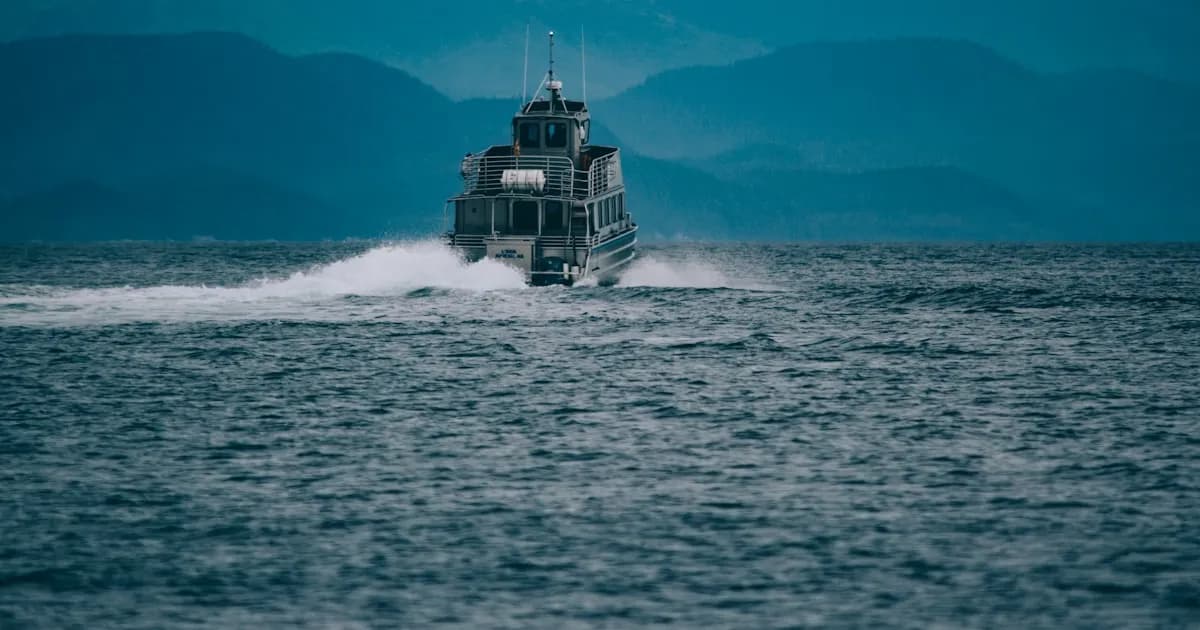
There are few places in Europe where you can reliably see sperm whales, blue whales, and dolphins in a single morning — and Madeira is one of them. Sitting in the deep Atlantic between Portugal and Africa, this volcanic island is surrounded by waters that plunge to over 3,000 metres just a few kilometres offshore. That depth, combined with nutrient-rich currents and a mild year-round climate, makes Madeira one of the continent's premier whale watching destinations.
Why Madeira Is One of Europe's Best Whale Watching Spots
Madeira's position in the open Atlantic places it directly along the migratory routes of dozens of cetacean species. Unlike shallow coastal areas where sightings are seasonal and unpredictable, Madeira's deep offshore waters provide a permanent habitat for resident species and a reliable corridor for migratory ones.
The island's submarine geography is the key. The volcanic shelf drops sharply into abyssal depths, creating upwelling zones where cold, nutrient-dense water rises to the surface. This feeds massive concentrations of plankton, squid, and fish — which in turn attract whales and dolphins throughout the year.
Research teams based in Funchal have documented 28 different cetacean species in Madeiran waters over the past three decades. That is one of the highest densities of whale and dolphin species anywhere in the North Atlantic.
Species You Can See
Year-Round Residents
Sperm Whales — Madeira's star attraction. These deep-diving giants can reach 18 metres in length and are present around the island every month of the year. You will typically see them resting at the surface between dives, their distinctive angled blow making them easy to spot. Madeira is one of the few places in Europe where sperm whale sightings are virtually guaranteed.
Bottlenose Dolphins — The large, charismatic dolphins most people recognise. Pods of 10 to 30 individuals are commonly seen close to shore, often approaching boats with curiosity. Present year-round.
Common Dolphins — Smaller and faster than bottlenose dolphins, common dolphins travel in pods that can number in the hundreds. Their acrobatic leaping and bow-riding behaviour makes them a highlight of any trip.
Short-finned Pilot Whales — Despite their name, pilot whales are actually large dolphins. Madeira hosts a resident population, and pods of 20 to 50 individuals are frequently encountered. They are calm, slow-moving, and often allow boats to observe them at close range.
Seasonal Visitors
Blue Whales (March – May) — The largest animals ever to have lived on Earth pass through Madeiran waters during their spring migration. Sightings are not guaranteed, but when they do appear, it is an unforgettable experience. A blue whale's blow can reach 9 metres high and be visible from several kilometres away.
Bryde's Whales (spring and summer) — A tropical species occasionally spotted in warmer months.
Sei Whales (spring) — Fast-swimming baleen whales that pass through during their northward migration.
Atlantic Spotted Dolphins (summer) — Large pods of these beautifully marked dolphins arrive in warmer months, often mixing with common dolphins.
Striped Dolphins — Present throughout much of the year, though more common in warmer months.
Rare but Documented
Beaked whales (Blainville's and Cuvier's), false killer whales, orcas, humpback whales, fin whales, and even North Atlantic right whales have all been recorded in Madeiran waters. These sightings are rare but add to the extraordinary diversity of the area.
Best Season for Whale Watching in Madeira
Whale watching in Madeira is possible year-round, which is one of the island's great advantages over other European destinations. That said, conditions and species availability vary by season.
Peak Season: April to October
This is when conditions are at their best. Calmer seas mean more comfortable boat trips and higher success rates. Spring (April–June) is particularly rewarding because migratory species overlap with residents — you have the best chance of seeing blue whales, sperm whales, and multiple dolphin species on a single trip. Summer brings Atlantic spotted dolphins and the warmest water temperatures.
Off-Season: November to March
The Atlantic is rougher, and some tours may be cancelled due to sea conditions. However, sperm whales, bottlenose dolphins, common dolphins, and pilot whales remain present. If you happen to be in Madeira during winter, whale watching is still very much worthwhile — just be prepared for choppier seas.
The overall sighting success rate for whale watching tours departing from Funchal exceeds 95% year-round. You are almost certain to see at least dolphins, and the probability of whale sightings is highest between April and June.
Types of Whale Watching Tours
Most whale watching tours depart from Funchal marina, with some also leaving from Calheta. Here are the main formats.
Catamaran Tours
The most popular option for families and anyone prone to seasickness. Catamarans are stable, spacious, and often have shaded areas and onboard facilities. They typically carry 30 to 60 passengers. The trade-off is less manoeuvrability and a slightly greater distance from the animals.
Zodiac / RIB Boats
Rigid inflatable boats carry 10 to 12 passengers and sit low on the water, putting you much closer to the action. They are faster, more agile, and can reposition quickly when animals are spotted. The experience feels more immersive and adventurous, though the ride can be bumpier.
Sailing Boats
A few operators offer whale watching under sail. These trips are quieter (no engine noise disturbing the animals), more intimate, and often include time for swimming. They are slower, which means you cover less ground, but the experience is beautiful.
Prices, Duration & What to Expect
- Price: €40 to €65 per person depending on the boat type and operator. Zodiac tours tend to be at the higher end.
- Duration: 2 to 3 hours. Most trips include a briefing from a marine biologist who accompanies the tour.
- Departure: Typically 09:30 or 14:00 from Funchal marina.
- Group size: 10–12 on zodiacs, 30–60 on catamarans.
- Success rate: Over 95% for dolphin sightings, 80%+ for whales during peak season.
A marine biologist or trained guide on board will explain the species you encounter, their behaviour, and the conservation context. Many operators use hydrophones to listen for whale vocalisations underwater — hearing a sperm whale click is a genuinely thrilling experience.
What to Bring
- Sunscreen and hat — Even on overcast days, UV reflection off the water is intense.
- Windproof jacket — It is always cooler on the water than on land.
- Motion sickness medication — Take it 30 minutes before departure if you are susceptible. The pharmacies in Funchal stock effective options.
- Camera with zoom lens — A 200mm lens or better makes a significant difference for whale photography.
- Binoculars — Not essential (guides will spot animals for you), but they enhance the experience.
- Water and light snack — Most boats do not have food service.
Responsible Whale Watching
Madeira takes marine conservation seriously. All licensed whale watching operators follow a strict code of conduct.
- Boats maintain a minimum distance of 50 metres from cetaceans (100 metres for baleen whales).
- Maximum two boats may observe the same group of animals at any time.
- Engines are cut or reduced to idle when near whales.
- Swimming with wild cetaceans is not permitted.
- Tour operators contribute to ongoing research by reporting sighting data to the Madeira Whale Museum and marine biology research teams.
When booking, choose an operator that is licensed by the regional government and employs a marine biologist on board. This ensures both a better experience and genuine commitment to conservation.
The Madeira Whale Museum in Caniçal is an excellent complement to a whale watching trip. It documents the island's history with whaling (which ended in 1981) and the transition to conservation-based tourism.
Combine Sea and Land: A Perfect Madeira Adventure Day
One of the best ways to experience Madeira is to combine a morning whale watching tour with an afternoon of land-based adventure. Here is a suggested itinerary for an unforgettable day.
Morning: Depart Funchal marina at 09:30 for a whale watching tour. Return by 12:30.
Lunch: Enjoy fresh seafood at one of the restaurants along Funchal's waterfront or drive to Porto Moniz for lunch with a view of the volcanic coastline.
Afternoon: Head to Adrenaline Adventures in Porto Moniz for the zipline and giant swing experience. Soar 1.6 kilometres over the Atlantic at speeds up to 110 km/h, then swing out over the cliff edge 250 metres above the ocean. It is the perfect adrenaline counterpart to the morning's peaceful whale encounters.
This sea-and-sky combination captures everything that makes Madeira special — extraordinary marine life, dramatic volcanic landscapes, and world-class adventure activities in a single day.
Check Prices for the Zipline & Giant SwingPractical Tips
- Book in advance during peak season (June–August). Popular time slots sell out days ahead.
- Morning tours generally offer calmer seas and better light for photography.
- Check cancellation policies — most operators offer free rebooking if trips are cancelled due to weather.
- Funchal is the main hub — the widest choice of operators and departure times.
- Combine with the Whale Museum in Caniçal for the full cetacean experience.
Final Thoughts
Whale watching in Madeira is one of those rare travel experiences that consistently exceeds expectations. The combination of deep Atlantic waters, year-round resident species, and a thriving conservation culture means that almost every trip delivers memorable encounters. Whether you see a pod of 200 common dolphins racing alongside your boat or watch a 15-metre sperm whale slowly descend into the deep, these are moments that stay with you.
Add a zipline flight over the ocean in the afternoon, and you have arguably the best adventure day available anywhere in Europe.
Book Your Madeira AdventureFrequently Asked Questions
Do I need experience for adventure activities?
Most activities welcome beginners. Professional guides provide full briefings and all equipment is included.
What is the best adventure activity in Madeira?
The zipline at Porto Moniz is the top-rated experience — 1.6 km at 320m altitude with speeds up to 110 km/h over the Atlantic.
Can I combine multiple activities in one day?
Yes. A popular combo is the zipline and giant swing in the morning, followed by natural pools in Porto Moniz in the afternoon.
Are adventure activities safe for children?
Many activities welcome younger participants with adult supervision. Adrenaline's zipline and giant swing have no age limit — the only requirement is a weight between 35 kg and 120 kg, and minors need parental or guardian consent.
Read Also
- 25 Best Things to Do in Madeira — The ultimate guide to activities and experiences across the island.
- Best Adventures in Porto Moniz — Ziplines, natural pools, and more in Madeira's adventure capital.
- Outdoor Adventures in Madeira 2026 — The complete guide to this year's best outdoor experiences.