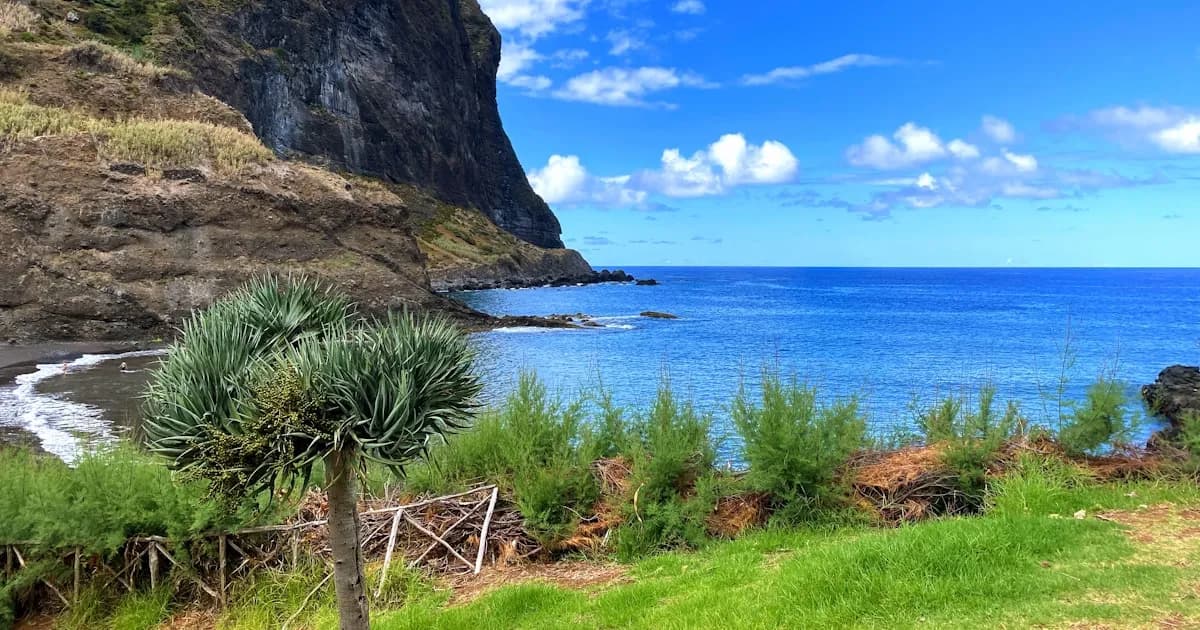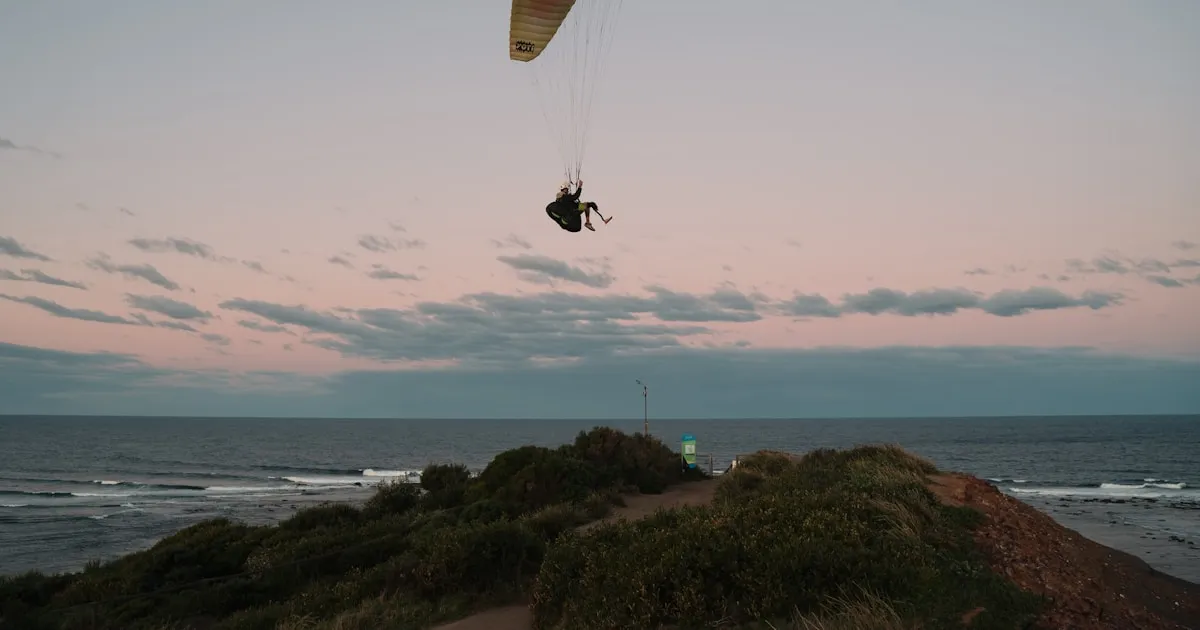
Imagine launching from a volcanic cliff, catching a warm thermal, and gliding silently over the Atlantic Ocean with Madeira's dramatic coastline stretching beneath your feet. Paragliding in Madeira is one of those rare experiences that combines raw adrenaline with absolute serenity — and the island's geography makes it one of the best places in Europe to do it.
Why Madeira Is Perfect for Paragliding
Madeira was practically designed for paragliding. The island's volcanic origins created steep coastal cliffs, deep valleys, and mountain ridges that rise over 1,800 metres above sea level — all of which generate the reliable thermals and ridge lift that pilots depend on.
Year-Round Flying Conditions
Unlike mainland Europe, where paragliding is largely a summer sport, Madeira's subtropical climate means pilots can fly almost every month of the year. Average temperatures sit between 17°C and 25°C, and the trade winds create consistent, predictable conditions. Winter flying is entirely possible, and some pilots actually prefer the cleaner air and smoother thermals of the cooler months.
Thermal Magic
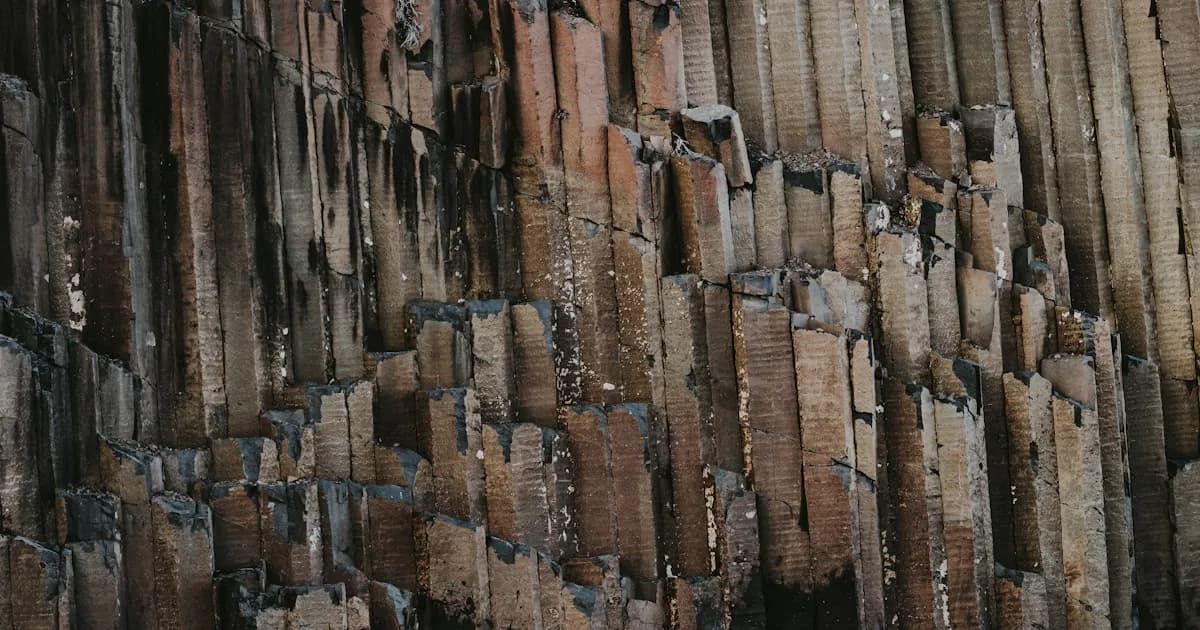
The combination of dark volcanic rock, south-facing cliffs, and the cool Atlantic Ocean creates powerful thermal currents. As the sun heats the black basalt, warm air rises along the cliff faces, giving paragliders natural elevator rides to altitude. On good days, pilots can gain thousands of metres and stay airborne for hours.
Coastal Ridge Lift
When the prevailing north-east trade winds hit Madeira's southern cliffs, they are deflected upward, creating a smooth band of lift that runs along the coast. This ridge lift is remarkably consistent and allows for long, relaxed flights along some of the most spectacular scenery in the Atlantic.
Best Launch Sites in Madeira
Arco da Calheta
The most popular paragliding launch site on the island, Arco da Calheta sits on the south-west coast and benefits from excellent thermal conditions and reliable sea breezes. The launch is at roughly 600 metres, and pilots typically fly towards the coast, landing on the beach or designated areas below. The views over the banana plantations and the deep blue Atlantic are extraordinary.
Paul da Serra
Madeira's high plateau at 1,400 metres provides a completely different flying experience. Paul da Serra offers big-mountain flying with access to strong thermals and cross-country routes. This site is better suited to experienced pilots, but on calm days it provides a breathtaking perspective over the island's interior.
Cabo Girão Area
Flying near Europe's highest sea cliff (580 metres) is an unforgettable experience. Launch sites in the Cabo Girão area allow pilots to soar above one of Madeira's most iconic landmarks while looking down at the tiny fajã farming terraces far below. The dramatic vertical drop makes this one of the most visually impressive flights on the island.
Tandem Paragliding: Perfect for Beginners
You do not need any experience to fly over Madeira. Tandem paragliding pairs you with a certified pilot who handles all the technical aspects while you simply enjoy the ride.
Tandem paragliding flights in Madeira typically cost between €80 and €120, last 15 to 30 minutes depending on conditions, and include photos or video of your flight.
What to Expect
- Briefing: Your pilot will explain the launch procedure, body position, and hand signals. This takes about 10 minutes.
- Launch: You will run a few steps down a gentle slope as the wing inflates above you. Within seconds, your feet leave the ground.
- Flight: Once airborne, you sit back in a comfortable harness. Your pilot will seek thermals to gain altitude, then cruise along the coast. Many pilots offer gentle acrobatic manoeuvres if you are up for it.
- Landing: A smooth approach to the landing zone, often on a beach or grassy field. You will land on your feet, walking a few steps to stop.
What to Bring
- Comfortable shoes with ankle support (trainers or hiking shoes)
- A windbreaker or light jacket for altitude
- Sunglasses with a secure strap
- Sunscreen
- A camera or GoPro with a secure mount (most operators also record your flight)
Best Months for Paragliding in Madeira
While Madeira offers flying opportunities year-round, certain months stand out:
- April to October: The most reliable thermal season, with longer days and warmer temperatures. July and August bring the strongest thermals.
- March and November: Excellent shoulder-season months with fewer tourists and still very flyable conditions.
- December to February: Flying is possible on many days, especially on the south coast, though conditions can be more variable.
Morning flights tend to be smoother and are ideal for beginners. Afternoon thermals are stronger and better suited for longer, more dynamic flights.
Safety Considerations
Paragliding in Madeira has an excellent safety record, but it is important to fly with reputable operators:
- Choose certified pilots: Look for operators whose pilots hold valid licences and are members of the Portuguese Aero Club or equivalent national associations.
- Check weather conditions: Responsible operators will postpone or cancel flights if conditions are not safe. This is a good sign, not a reason to complain.
- Insurance: Confirm that the operator carries liability insurance and that your tandem flight is covered.
- Health requirements: Paragliding is suitable for most people, but those with serious heart conditions, recent surgeries, or severe mobility issues should consult their doctor beforehand.
Combine Paragliding with a Zipline for the Ultimate Flying Day
If one flight is not enough, Madeira offers the perfect way to double your airtime. After your paragliding session, head to Porto Moniz for an entirely different kind of flight.
View Zipline & Adventure PricesThe Adrenaline Adventures zipline sends you soaring over the Atlantic on a 1.6 km cable at speeds up to 110 km/h. While paragliding gives you peaceful, bird-like flight, the zipline delivers pure speed and adrenaline. Together, they make for an unforgettable day of flying above Madeira.
Finish with the giant swing — a 20-metre freefall over a 250-metre cliff — and you will have experienced three completely different ways to take flight on this incredible island.
Planning Your Paragliding Trip
- Book in advance: Tandem flights are popular and slots fill up, especially in summer.
- Be flexible: Wind and weather can change plans. Build a buffer day into your schedule.
- Combine with other activities: Madeira is packed with adrenaline activities that pair perfectly with a paragliding day.
Paragliding in Madeira is more than an activity — it is a completely new way to see an island that already takes your breath away from the ground. Whether you are a first-time tandem passenger or an experienced pilot looking for new flying grounds, Madeira delivers an experience you will not find anywhere else in Europe.
Read Also:
Frequently Asked Questions
Do I need experience for adventure activities?
Most activities welcome beginners. Professional guides provide full briefings and all equipment is included.
What is the best adventure activity in Madeira?
The zipline at Porto Moniz is the top-rated experience — 1.6 km at 320m altitude with speeds up to 110 km/h over the Atlantic.
Can I combine multiple activities in one day?
Yes. A popular combo is the zipline and giant swing in the morning, followed by natural pools in Porto Moniz in the afternoon.
Are adventure activities safe for children?
Many activities welcome younger participants with adult supervision. Adrenaline's zipline and giant swing have no age limit — the only requirement is a weight between 35 kg and 120 kg, and minors need parental or guardian consent.