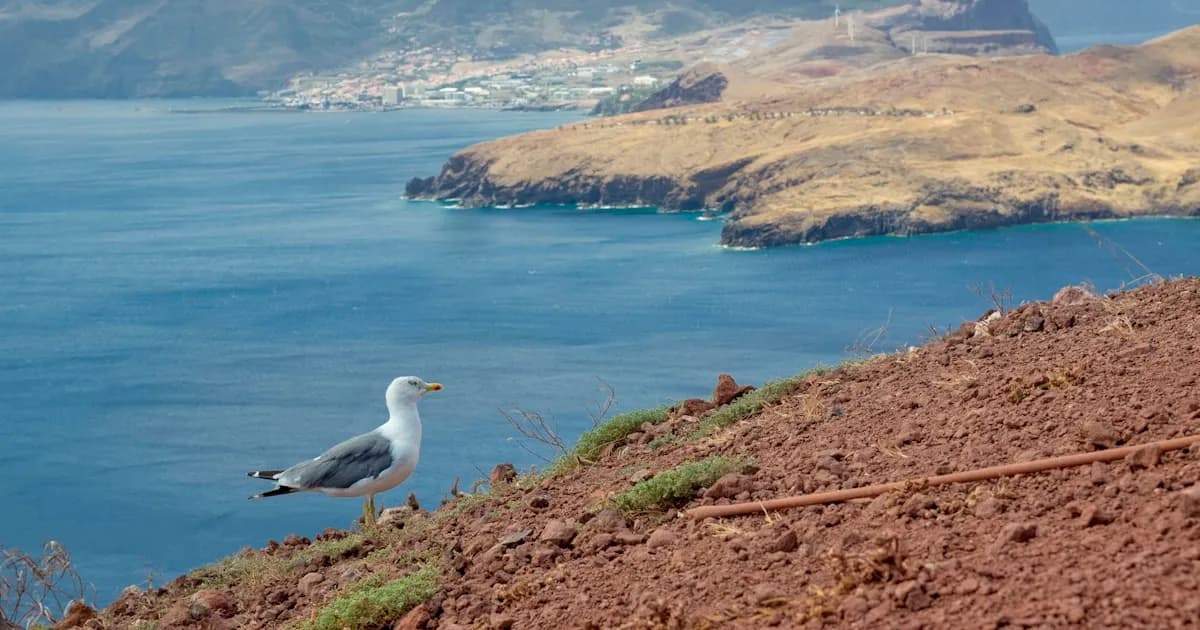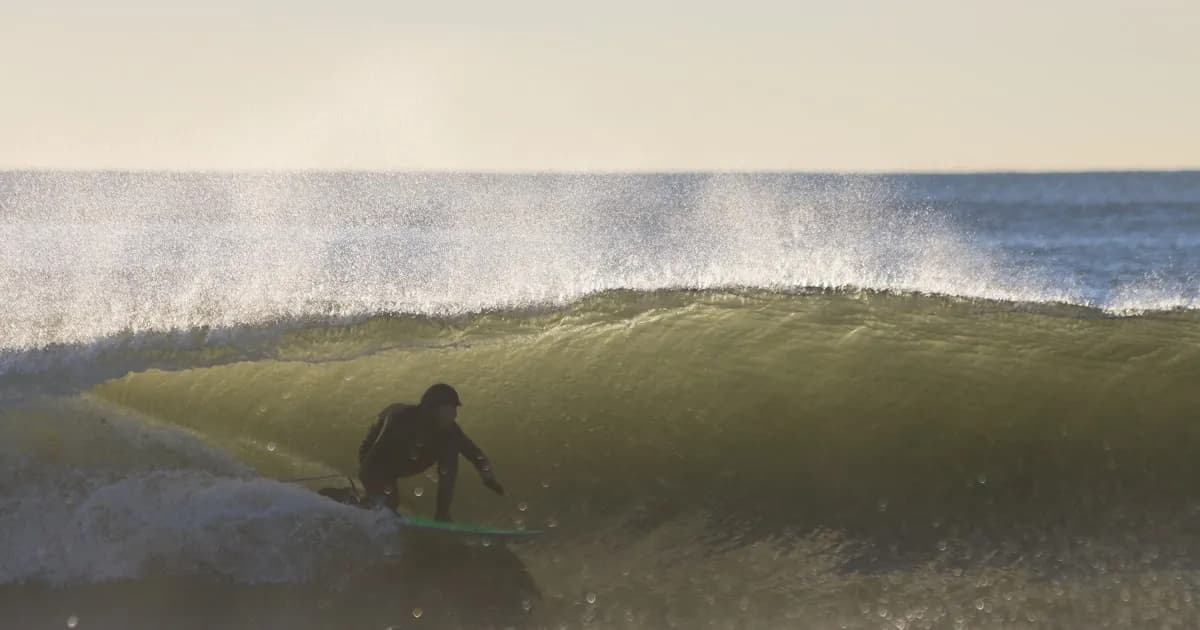
Madeira is not the first place most people think of when planning a surf trip, and that is exactly what makes it special. While the Algarve and the Canary Islands fight over crowds, this volcanic island in the middle of the Atlantic quietly delivers world-class waves, year-round swells, and lineups where you can still surf with just a handful of people in the water.
From the heavy left-handers of Jardim do Mar that have attracted big wave legends to the gentle reforms of Porto da Cruz where beginners can find their feet, Madeira offers something for every level. Add warm water by European standards, dramatic cliff backdrops, and an adventure scene that goes far beyond the ocean, and you have one of the most underrated surf destinations on the continent.
Here is everything you need to know to plan a surf trip to Madeira.
Why Surf in Madeira?
Madeira sits in the open Atlantic, directly exposed to swells generated by storms thousands of kilometres to the north and west. This geographic position means the island receives consistent wave energy throughout the year, with the biggest and most powerful swells arriving between October and March.
Unlike many European surf destinations, Madeira's breaks are rarely crowded. The island's reputation as a hiking and nature destination means most visitors never even consider bringing a board. For surfers who know, this translates to uncrowded peaks and a relaxed atmosphere in the water.
The volcanic coastline creates a variety of wave types. Reef breaks, point breaks, and boulder beach breaks are all within a short drive of each other, and the island's mountainous terrain means you can almost always find a sheltered spot when conditions are too big or too windy on one coast.
Madeira's north coast catches the dominant North Atlantic swells, while the south coast lights up during large westerly or south-westerly swells. Having a car means you can check multiple spots in a single morning and surf the best option.
Best Surf Spots in Madeira
Jardim do Mar — World-Class Left
Jardim do Mar is Madeira's most famous wave and one of the best left-hand point breaks in Europe. When a solid northwest swell hits the island, long, powerful walls peel along the rocky coastline of this picturesque village on the southwest coast.
The wave breaks over a shallow reef and can hold serious size, with faces reaching well over three metres on big days. It is a fast, hollow wave that demands experience and confidence. Intermediate to advanced surfers will find Jardim do Mar absolutely thrilling, but beginners should watch from the promenade and admire the spectacle.
Best conditions: Northwest swell, light east or northeast wind, mid to high tide. Works best from October to March.
Paul do Mar
Just around the headland from Jardim do Mar, Paul do Mar is a fishing village with a heavy, punchy right-hander that breaks close to the harbour wall. The wave is shorter and more intense than its famous neighbour, with a fast takeoff and a barrel section on cleaner days.
Paul do Mar tends to be slightly smaller than Jardim do Mar on the same swell, making it a good alternative when conditions are too big next door. That said, it is still a powerful wave that suits experienced surfers.
Best conditions: Northwest to west swell, east or northeast wind, mid tide.
Lugar de Baixo
Sitting between Jardim do Mar and Funchal on the south coast, Lugar de Baixo offers a more forgiving wave that works well for intermediate surfers. The break is a right-hander that peels along a rocky reef, producing long, workable walls rather than the heavy barrels found further west.
On smaller days, Lugar de Baixo is one of the more accessible spots on the island and a good place to build confidence on reef breaks. It also picks up south and southwest swells that miss the north coast spots entirely.
Best conditions: South to southwest swell, north or northeast wind, all tides.
Porto da Cruz — Beginner Friendly
Porto da Cruz is the go-to spot for beginners and improvers on Madeira's north coast. The break sits in front of a dramatic volcanic rock formation called Penha de Aguia (Eagle Rock), and the wave rolls in over a sandy-boulder bottom, making it far more forgiving than the reef breaks elsewhere.
The waves here are typically smaller and less powerful, with gentle white water sections that are ideal for learning. Several surf schools operate from the beach, offering lessons and board rental. Even on bigger days, the inside section remains manageable for less experienced surfers.
Best conditions: Any north or northwest swell, light winds, all tides. Works year-round, but summer offers the most consistent small waves for beginners.
Machico
On the eastern end of the island, Machico has a beach break that picks up east and northeast swells that bypass the rest of Madeira. It is an inconsistent spot, but when it turns on — typically during winter storms that track further south than usual — it can produce surprisingly fun waves.
The sandy bottom and relatively sheltered bay make Machico another option for less experienced surfers on mellower days. The town itself has a pleasant waterfront with cafes and restaurants, making it a good place to wait for conditions to improve.
Best conditions: East to northeast swell, west wind, mid tide.
Best Season for Surfing in Madeira
October to March — Big Wave Season
This is prime time for experienced surfers. North Atlantic storms send powerful swells directly at Madeira, and the west and north coasts light up with consistent overhead waves. Jardim do Mar and Paul do Mar are at their best during this period, and on the biggest days, the waves can be genuinely world-class.
Water temperatures range from 18 to 20 degrees Celsius, and a 3/2mm wetsuit is sufficient for most sessions. A 4/3mm is worth bringing if you feel the cold, especially for dawn patrols.
April to September — Beginner and Intermediate Season
Summer brings smaller, cleaner swells that are perfect for beginners and intermediate surfers. Porto da Cruz is the most consistent summer spot, with rideable waves on most days. The south coast also picks up occasional swells that provide mellow, fun conditions.
Water temperatures climb to 22 to 24 degrees Celsius, and many surfers are comfortable in a 2mm shorty or even boardshorts on warmer days. The weather is reliably sunny and the trade winds tend to be lighter, meaning conditions stay clean for longer through the day.
The shoulder months of April, May, September, and October often offer the best of both worlds: warm water, decent swell, and fewer people than the peak surf season.
Surf Schools and Board Rental
Madeira has a growing surf school scene, with several reputable operators offering lessons for all levels:
- Porto da Cruz is the main hub for surf lessons, with schools offering two-hour group sessions that typically include board, wetsuit, transport from Funchal, and instruction. Expect to pay around €50 to €70 per person for a group lesson.
- Private lessons are available for those who want faster progression, usually priced between €80 and €120 per session.
- Board and wetsuit rental is available at most surf spots and in Funchal, with daily rates ranging from €20 to €35 depending on the type of board.
If you are an experienced surfer bringing your own board, most airlines serving Madeira accept surfboards as sports luggage for an additional fee. Check with your carrier before booking.
Accommodation Near the Best Surf Spots
West coast (Jardim do Mar / Paul do Mar): These villages have a handful of guesthouses and rental apartments that put you within walking distance of the waves. Staying here is ideal for experienced surfers who want to maximise water time during swell events. The villages are quiet and authentic, with a couple of local restaurants and cafes.
North coast (Porto da Cruz / Sao Vicente): Porto da Cruz has budget-friendly accommodation including hostels popular with surfers. Sao Vicente, a short drive west, offers more options and easy access to multiple north coast breaks.
Funchal: If you prefer a wider range of restaurants, nightlife, and amenities, staying in Funchal and driving to surf spots is perfectly viable. Most breaks are within 30 to 50 minutes by car, and the motorway makes the journey quick and easy.
Stand-Up Paddleboarding for Calmer Days
When the ocean is flat or you want a rest day from surfing, stand-up paddleboarding (SUP) is a fantastic way to explore Madeira's coastline. The sheltered south coast, particularly around Calheta, Funchal, and Machico, offers calm water for paddling, with the chance to explore sea caves, volcanic rock formations, and hidden coves that are inaccessible on foot.
Several operators rent SUP boards by the hour or offer guided tours along the coast. Morning sessions tend to offer the flattest water and best visibility for spotting fish and marine life beneath the board.
Water Temperatures and What to Bring
Madeira's water temperature stays remarkably mild thanks to the Gulf Stream:
- Winter (December to February): 18 to 19 degrees Celsius. A 3/2mm wetsuit is standard.
- Spring (March to May): 18 to 20 degrees Celsius. A 3/2mm wetsuit, though a 2mm can work on warm afternoons.
- Summer (June to September): 22 to 24 degrees Celsius. A 2mm shorty or spring suit. Some prefer boardshorts.
- Autumn (October to November): 20 to 22 degrees Celsius. A 2mm to 3/2mm depending on preference.
Reef boots are recommended for most spots, as the volcanic rock is sharp and entry points can be tricky. Bring reef-safe sunscreen — the Madeiran sun is strong, even on overcast days.
Combine Surfing with a Zipline for the Ultimate Adventure Trip
Madeira is not just about the waves. The island is packed with adrenaline activities that complement a surf trip perfectly. At Adrenaline Adventures in Porto Moniz, you can fly over the Atlantic on a 1.6 km zipline reaching speeds of up to 110 km/h, or swing 250 metres above the ocean on the giant swing.
After a morning surf session on the north coast, Porto Moniz is just a short drive west — making it easy to combine two completely different adrenaline experiences in a single day. Many visitors describe the combination of surfing Madeira's waves and flying over its cliffs as the highlight of their trip.
Check Zipline and Giant Swing PricesPractical Tips for Surfing in Madeira
- Rent a car: Public transport does not serve the best surf spots reliably. A rental car is essential for checking conditions and reaching different breaks.
- Check forecasts: Websites like Windguru, Magic Seaweed, and Surfline cover Madeira's main breaks with reasonable accuracy.
- Respect the locals: Madeira's surf community is small but welcoming. Be respectful in the lineup, do not drop in, and you will be made to feel at home.
- Rock entries: Most spots require navigating volcanic rocks to enter and exit the water. Take your time, watch other surfers, and wear reef boots.
- Healthcare: Madeira has a well-equipped hospital in Funchal and health centres across the island. Travel insurance with sports cover is recommended.
- Combine activities: A surf trip to Madeira pairs perfectly with hiking the island's famous levadas, exploring natural pools and beaches, and experiencing the adrenaline activities that make this island unique.
Madeira may not be the most obvious surf destination, but that is precisely its charm. Uncrowded waves, dramatic scenery, and an island that offers so much more than just the ocean. Bring your board and discover what the Atlantic has been keeping to itself.
Plan Your Madeira AdventureFrequently Asked Questions
Do I need experience for adventure activities?
Most activities welcome beginners. Professional guides provide full briefings and all equipment is included.
What is the best adventure activity in Madeira?
The zipline at Porto Moniz is the top-rated experience — 1.6 km at 320m altitude with speeds up to 110 km/h over the Atlantic.
Can I combine multiple activities in one day?
Yes. A popular combo is the zipline and giant swing in the morning, followed by natural pools in Porto Moniz in the afternoon.
Are adventure activities safe for children?
Many activities welcome younger participants with adult supervision. Adrenaline's zipline and giant swing have no age limit — the only requirement is a weight between 35 kg and 120 kg, and minors need parental or guardian consent.
Read Also
- Things to Do in Madeira: Ultimate Guide — The complete guide to the best activities and experiences on the island.
- Best Beaches and Natural Pools in Madeira — From Porto Moniz volcanic pools to Calheta golden sand.
- Top Adrenaline Activities in Madeira — Zipline, giant swing, canyoning and more adventure experiences.