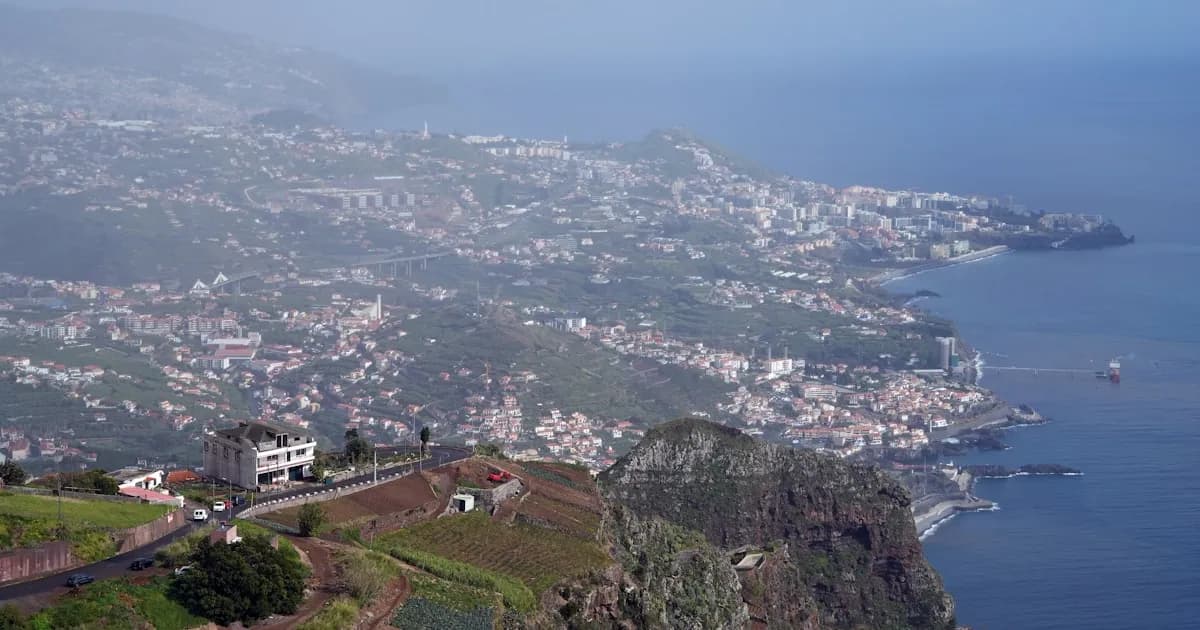
Madeira is famously called the island of eternal spring — and for good reason. Temperatures rarely drop below 15°C or rise above 28°C at sea level, meaning you can visit any month of the year and enjoy pleasant weather. But "pleasant" is relative, and there are real differences between January and August that can shape your trip in important ways.
This guide breaks down what to expect from Madeira's weather every month of the year, including average temperatures, rainfall, sea temperatures, sunshine hours, crowd levels and the best activities for each period. Whether you are planning a hiking holiday, an adventure trip or a relaxing coastal getaway, this will help you choose the perfect time.
Madeira's Climate Explained
Madeira sits in the Atlantic Ocean at roughly the same latitude as Casablanca, about 1,000 kilometres southwest of mainland Portugal. Its climate is classified as subtropical oceanic, which translates to mild, stable temperatures year-round with no true cold season.
The North-South Divide
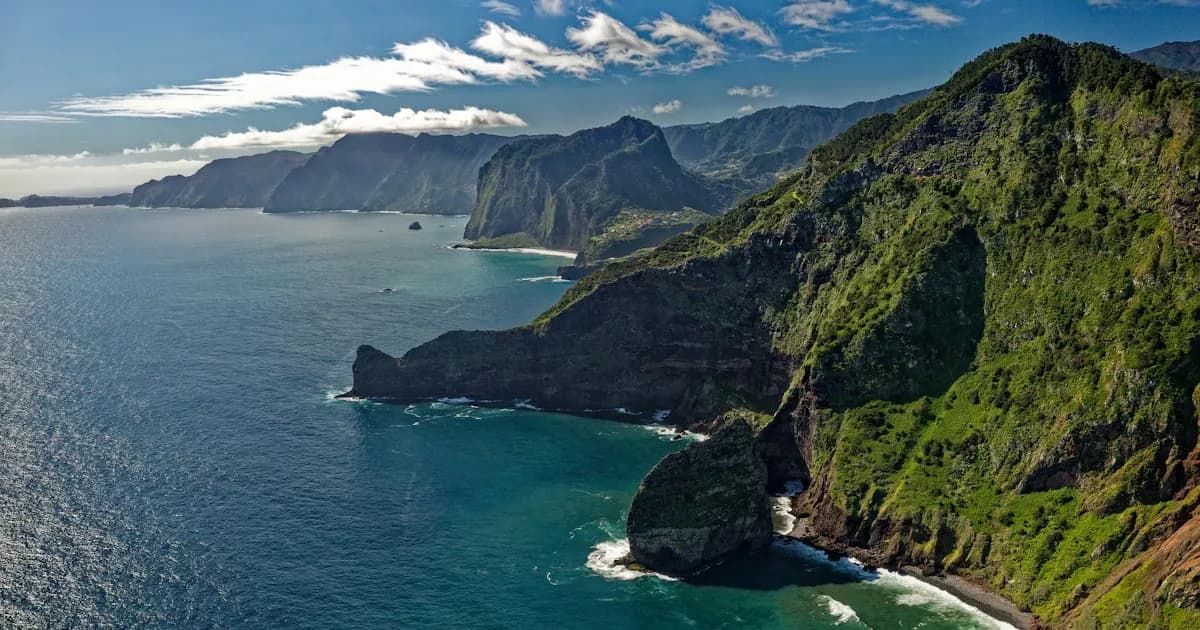
One of the most important things to understand about Madeira's weather is the dramatic difference between the north and south coasts. The island's central mountain range (peaking at Pico Ruivo at 1,862 metres) acts as a natural barrier.
- South coast (Funchal, Calheta, Ribeira Brava): Drier, sunnier and warmer. This is where most visitors base themselves, and where rainfall is lowest.
- North coast (Porto Moniz, São Vicente, Santana): Greener, lusher and wetter. The mountains catch moisture from Atlantic trade winds, feeding the spectacular laurel forests and levada systems.
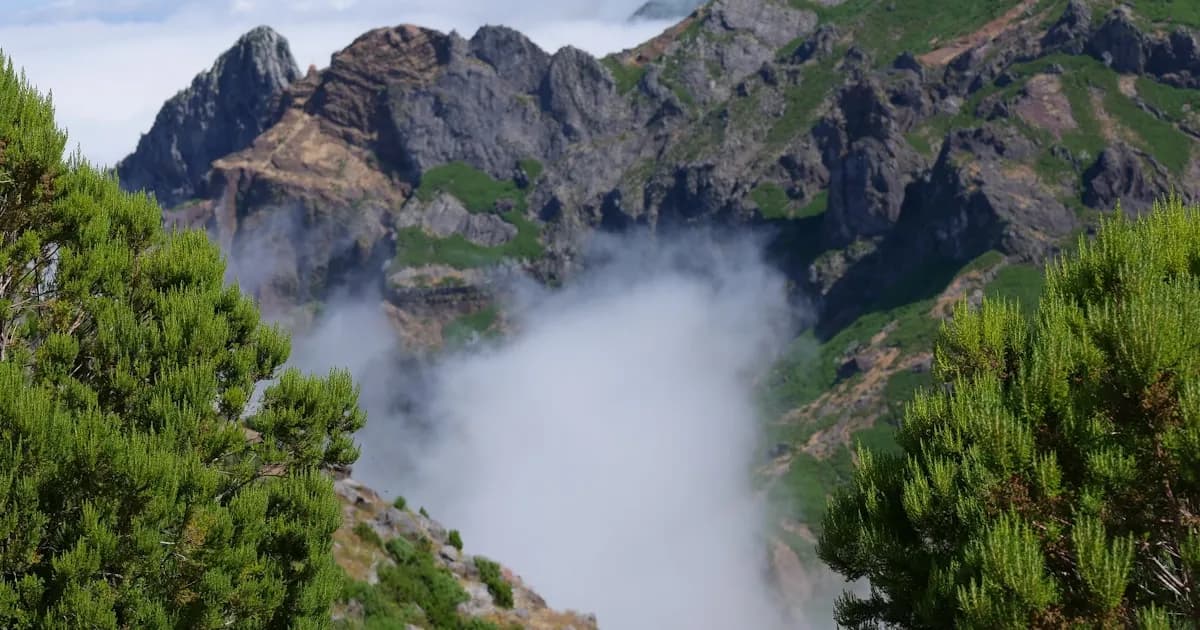
On any given day, it is entirely possible to leave sunny Funchal, drive 30 minutes into cloud-wrapped mountains and emerge into drizzle on the north coast — before the sun breaks through again an hour later.
Altitude Makes a Massive Difference
At sea level, Funchal might be a pleasant 22°C. Drive up to Pico do Arieiro (1,818 metres) and you will find temperatures 8 to 10°C lower, with wind chill that can make it feel even colder. If you are planning mountain hikes, always carry warm layers regardless of the season.
The Gulf Stream Effect
The warm waters of the Gulf Stream keep Madeira's sea temperatures remarkably mild. Even in winter, the Atlantic around Madeira rarely drops below 18°C — warmer than many Mediterranean beaches in early summer.
Month-by-Month Weather Guide
January
| Metric | Value | |---|---| | Average temperature | 17°C | | Rainfall | 80 mm | | Sea temperature | 18°C | | Sunshine hours | 5 per day | | Crowd level | Low | | Price level | Low |
January is one of the quieter months in Madeira. The holiday season is over, hotel prices drop significantly and popular trails are almost empty. Daytime temperatures hover around 17°C on the south coast — cool but comfortable for hiking, especially if you dress in layers.
Rain is a reality in January, but it tends to come in short, sharp bursts rather than all-day drizzle. Funchal still gets around 5 hours of sunshine daily, and many days are perfectly pleasant on the south coast.
Best for: Budget travellers, hiking without crowds, exploring Funchal at a relaxed pace.
February
| Metric | Value | |---|---| | Average temperature | 17°C | | Rainfall | 70 mm | | Sea temperature | 18°C | | Sunshine hours | 5.5 per day | | Crowd level | Low–Medium | | Price level | Low–Medium |
February brings one of Madeira's most spectacular events: Carnival. Funchal's Carnival is one of the best in Europe, with colourful parades, samba groups, elaborate costumes and a Mardi Gras atmosphere that takes over the city for several days. If you time your visit right, you get low-season prices with a world-class cultural experience.
Weather-wise, February is similar to January — mild and occasionally wet, with slightly improving conditions towards the end of the month. Spring is just around the corner and early wildflowers start to appear.
Best for: Carnival, budget travel, quiet hiking, cultural immersion.
March
| Metric | Value | |---|---| | Average temperature | 18°C | | Rainfall | 50 mm | | Sea temperature | 18°C | | Sunshine hours | 6 per day | | Crowd level | Medium | | Price level | Medium |
March marks the start of spring in Madeira, and the island begins its annual transformation. Rainfall drops noticeably, sunshine hours increase and the famous Flower Festival preparations begin. The hillsides start to burst with colour — jacarandas, bird of paradise flowers and agapanthus begin their show.
Temperatures are comfortable for all outdoor activities, and the trails are in beautiful condition after winter rains. It is an excellent month for photography, with dramatic light and green landscapes.
Best for: Spring flowers, photography, hiking, the start of whale watching season.
April
| Metric | Value | |---|---| | Average temperature | 18°C | | Rainfall | 35 mm | | Sea temperature | 18°C | | Sunshine hours | 7 per day | | Crowd level | Medium–High | | Price level | Medium |
April is one of the best months to visit Madeira, full stop. The Flower Festival is in full swing, rainfall drops to just 35 mm and temperatures are ideal for everything from levada walks to adventure activities. Easter can bring a small spike in visitors, but it is nothing compared to summer.
The combination of comfortable weather, spectacular flowers and reasonable prices makes April a sweet spot for those who want the best of Madeira without the peak-season chaos.
Best for: Flower Festival, hiking, whale watching, adventure activities, photography.
May
| Metric | Value | |---|---| | Average temperature | 20°C | | Rainfall | 20 mm | | Sea temperature | 19°C | | Sunshine hours | 7.5 per day | | Crowd level | Medium | | Price level | Medium |
May is when Madeira's weather really hits its stride. Rainfall is minimal at just 20 mm for the entire month, temperatures reach a comfortable 20°C and the island is at peak bloom. The Flower Festival wraps up in early May, but the natural displays continue well into the month.
Crowds remain manageable. Hotel prices have not yet jumped to summer levels. The sea is warming up, making coastal activities more appealing. This is quietly one of the best-kept secrets for visiting Madeira.
Best for: Ideal all-round conditions, hiking, swimming, whale watching, adventure activities.
June
| Metric | Value | |---|---| | Average temperature | 22°C | | Rainfall | 10 mm | | Sea temperature | 20°C | | Sunshine hours | 8 per day | | Crowd level | Medium–High | | Price level | Medium–High |
June signals the start of summer, and with it come warmer temperatures, almost zero rainfall and long sunny days. The sea warms to a comfortable 20°C and outdoor swimming becomes genuinely pleasant without a wetsuit.
This is when Madeira begins its shift into high season. Prices start climbing and popular trails get busier, but early June still offers a good balance before the July–August rush.
Best for: Beach and pool time, all adventure activities, evening dining outdoors, diving.
July
| Metric | Value | |---|---| | Average temperature | 24°C | | Rainfall | 5 mm | | Sea temperature | 22°C | | Sunshine hours | 8.5 per day | | Crowd level | High | | Price level | High |
July is peak season in Madeira. The weather is at its most reliable — hot, dry days with barely a drop of rain. Sea temperatures reach 22°C, perfect for swimming in the natural pools of Porto Moniz or at the beaches around Calheta.
The trade-off is that Madeira is at its busiest. Popular trails require advance permits, restaurants need reservations and the zipline at Porto Moniz can sell out days ahead. Book everything in advance.
Best for: Beach holidays, water sports, guaranteed sunshine, the full Madeira experience.
August
| Metric | Value | |---|---| | Average temperature | 25°C | | Rainfall | 5 mm | | Sea temperature | 23°C | | Sunshine hours | 8.5 per day | | Crowd level | Very High | | Price level | Very High |
August is the hottest and busiest month. Temperatures can touch 28°C on the south coast, the sea reaches its warmest at 23°C and every hotel, trail and restaurant is in full swing. It coincides with European school holidays, so families dominate.
If you visit in August, pre-booking is not optional — it is essential. That said, the weather is spectacular, the energy is high and evenings are warm enough for dining outdoors until late.
Best for: Families, beach time, warm sea swimming, nightlife.
Book Your Zipline and Giant Swing — Secure Your SpotSeptember
| Metric | Value | |---|---| | Average temperature | 24°C | | Rainfall | 20 mm | | Sea temperature | 23°C | | Sunshine hours | 7.5 per day | | Crowd level | Medium | | Price level | Medium |
September is the insider's favourite. Temperatures remain summer-like at 24°C, the sea is still warm at 23°C from months of sunshine, but the crowds thin out dramatically as European holidays end. Prices drop, availability improves and the island breathes a little easier.
The Wine Festival in early September adds cultural flavour, with grape-treading demonstrations, tastings and parades in Funchal and Estreito de Câmara de Lobos.
Best for: Best value-for-money, warm weather without crowds, Wine Festival, hiking, all activities.
October
| Metric | Value | |---|---| | Average temperature | 22°C | | Rainfall | 60 mm | | Sea temperature | 22°C | | Sunshine hours | 6.5 per day | | Crowd level | Medium–Low | | Price level | Medium–Low |
October is autumn in name only. Temperatures remain a very pleasant 22°C, and the sea is still warm enough for swimming at 22°C. Rainfall increases compared to summer but remains moderate, and many days on the south coast are fully sunny.
The landscape takes on warm autumn tones, the vineyards glow golden and the tourist infrastructure is still fully operational without the intensity of peak season. It is an excellent shoulder-season choice.
Best for: Hiking, photography, autumn landscapes, swimming, quieter experience.
November
| Metric | Value | |---|---| | Average temperature | 19°C | | Rainfall | 80 mm | | Sea temperature | 20°C | | Sunshine hours | 5.5 per day | | Crowd level | Low | | Price level | Low |
November is one of the wettest months, particularly in the mountains and on the north coast. Funchal still sees a reasonable amount of sunshine, but you should expect rain on several days. The upside: this is one of the cheapest months to visit, with hotel prices at their lowest and virtually no queues anywhere.
If you are comfortable with the possibility of a rainy day or two, November offers excellent value and an authentic, unhurried experience.
Best for: Budget travel, authentic local experience, off-peak hiking (with rain gear).
December
| Metric | Value | |---|---| | Average temperature | 18°C | | Rainfall | 90 mm | | Sea temperature | 19°C | | Sunshine hours | 5 per day | | Crowd level | Low–High | | Price level | Low–High |
December is a month of two halves. Early December is quiet and affordable, one of the lowest-demand periods of the year. Then everything changes around the 20th as Funchal transforms into one of Europe's most magical Christmas destinations.
The Christmas lights of Funchal are legendary — over 500,000 LED lights draped across the city, turning the streets into a glowing wonderland. And then comes New Year's Eve: Madeira's fireworks display is officially one of the largest in the world, visible from ships at sea and drawing tens of thousands of visitors. Book months ahead for NYE.
Best for: Christmas markets and lights (late Dec), New Year's Eve fireworks, early-month budget travel.
Best Time for Specific Activities
Hiking and Levada Walks
April to June and September to October — Comfortable temperatures, low rainfall and trails in excellent condition. Avoid July–August if you dislike heat and crowds on popular routes.
Zipline and Adventure Activities
Year-round — The Adrenaline Adventures zipline and giant swing at Porto Moniz operate throughout the year, weather permitting. Spring and autumn offer the most comfortable conditions, while summer guarantees dry weather.
Swimming and Beach Time
June to October — Sea temperatures range from 20°C to 23°C. Porto Moniz's volcanic natural pools are open year-round but most enjoyable in summer.
Whale and Dolphin Watching
April to October — Peak cetacean activity, with migratory species joining resident dolphins and pilot whales. Spring is particularly good for rare baleen whale sightings.
Festivals and Events
- February: Carnival
- April–May: Flower Festival
- September: Wine Festival
- December: Christmas lights and New Year's Eve fireworks
Adventure Activities in Any Weather
One of the great advantages of Madeira is that its signature adventure activities operate year-round. The 1.6-kilometre zipline and giant swing at Adrenaline Adventures in Porto Moniz are designed to handle Madeira's variable conditions, only pausing for genuine safety concerns like strong winds or thunderstorms.
In fact, some visitors prefer the zipline on partially cloudy days — the dramatic skies, shafts of light breaking through clouds and the raw Atlantic energy create an atmosphere that clear blue skies simply cannot match.
Whether you visit in January or August, slotting in a morning at Adrenaline Adventures is always possible and always unforgettable.
Check Prices and Book Your ExperienceWhat to Pack for Madeira
Madeira's changeable weather demands smart packing. Here is what experienced visitors always bring:
- Layers: A lightweight base layer, a fleece or softshell mid-layer and a waterproof outer layer. You will use all three in a single day.
- Waterproof jacket: Non-negotiable, even in summer. Mountain weather shifts in minutes.
- Good hiking shoes: Waterproof boots with grip are essential for levada walks and mountain trails.
- Sun protection: SPF 50, sunglasses and a hat. The Atlantic sun is deceptively strong.
- Swimwear: Always pack it. Natural pools and unexpected swimming spots are everywhere.
- Small daypack: For carrying layers, water and a camera on day trips.
For detailed advice on what to wear for adventure activities, read our guide on what to wear for the zipline.
The Verdict: When Should You Visit?
There is no single "best" time — it depends on what you want:
- Best weather: June to September
- Best value: November to March (excluding NYE)
- Best balance: April, May, September, October
- Best for adventure: April to June, September to October
- Best for festivals: February, April, September, December
Whatever month you choose, Madeira will deliver. This is an island that genuinely lives up to its "eternal spring" reputation, and every season brings something worth experiencing.
Frequently Asked Questions
Does it rain a lot in Madeira?
The south coast (Funchal area) gets much less rain than the north. Even in winter, you can expect sunshine most days in the south.
What is the warmest month?
August averages 25°C with sea temperatures reaching 23°C. July and September are similarly warm with fewer crowds.
Can I visit Madeira in winter?
Absolutely. Winter temperatures stay around 17-19°C, perfect for hiking. Plus you get Christmas lights and the famous New Year's Eve fireworks.
What should I pack for Madeira?
Layers are essential — weather changes quickly with altitude. Always bring a waterproof jacket, hiking shoes, and sunscreen.
Read Also
- Madeira First-Time Visitors Guide — Everything you need to know before your first trip to Madeira.
- Spring in Madeira: Complete Guide — Why spring is the best season for adventure in Madeira.
- Summer Adventures in Madeira — The ultimate guide to summer activities on the island.