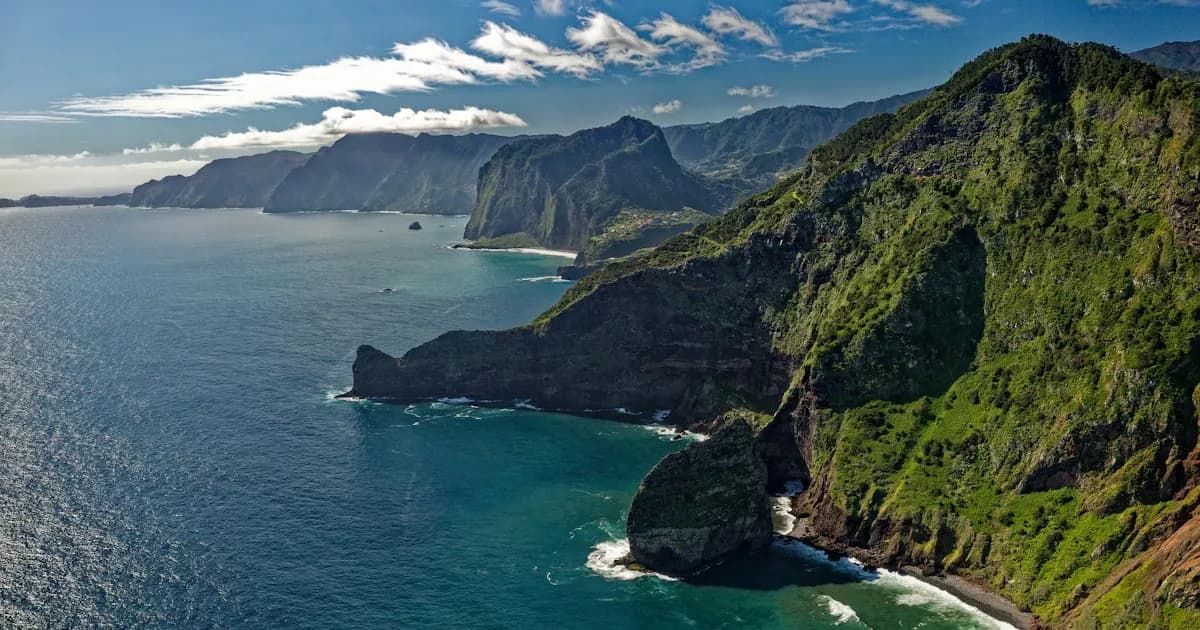
Planning a trip to Madeira and wondering when to go? The honest answer is that there is no bad time to visit this Atlantic island. With year-round temperatures between 15°C and 28°C, Madeira earns its nickname as the island of eternal spring. But every season has a different personality, and the right time for you depends on what you want to do, how much you want to spend and how you feel about crowds.
The short answer: April to June and September to October offer the best overall combination of warm weather, manageable crowds, fair prices and excellent conditions for hiking, adventure and sightseeing. But read on, because every season has compelling reasons to visit.
Spring (March to May): Flowers, Mild Weather and Fewer Crowds
Spring is when Madeira is at its most beautiful. The island explodes with colour as subtropical flowers bloom everywhere — jacaranda, bougainvillea, bird of paradise, hydrangeas and many more. The famous Madeira Flower Festival in April or May transforms Funchal into an open-air garden.
What to Expect
| Detail | Spring | |---|---| | Temperature | 17–22°C | | Sea temperature | 18–20°C | | Rainfall | Moderate, decreasing through season | | Crowds | Low to moderate | | Prices | Mid-range |
Why Choose Spring
- Ideal hiking conditions: Warm but not hot, with long daylight hours. The levadas are flowing strongly and the laurel forests are impossibly green.
- The Flower Festival: One of Madeira's biggest cultural events, with parades, flower carpets and exhibitions.
- Fewer tourists than summer: Hotels, restaurants and trails are pleasantly uncrowded compared to July and August.
- Balanced prices: Accommodation is more affordable than peak summer, with better availability.
Best Spring Activities
- Hiking levadas and mountain trails (especially Levada das 25 Fontes, Pico do Arieiro to Pico Ruivo)
- Attending the Flower Festival in Funchal
- Exploring botanical gardens
- Ziplining and adventure activities in comfortable temperatures
- Whale and dolphin watching (migration season)
Summer (June to August): Warm Days, Lively Atmosphere and Water Activities
Summer is peak season in Madeira, and for good reason. This is when the island is warmest, the sea is most inviting and the days are longest. If you want to combine beach time, water sports and outdoor adventures, summer delivers.
What to Expect
| Detail | Summer | |---|---| | Temperature | 22–28°C | | Sea temperature | 21–24°C | | Rainfall | Very low (almost none) | | Crowds | High | | Prices | Highest of the year |
Why Choose Summer
- Best swimming and water conditions: Sea temperatures peak at around 23–24°C in August, and the natural pools of Porto Moniz and Seixal are at their most inviting.
- Longest days: Up to 14 hours of daylight gives you maximum time for activities.
- Vibrant atmosphere: Funchal and other towns buzz with energy, outdoor dining and summer events.
- Driest weather: Rain is almost non-existent on the south coast in July and August.
What to Keep in Mind
Summer is the busiest period. Popular viewpoints like Cabo Girao and trails like Vereda do Pico do Arieiro can get crowded, especially mid-morning. Hotels and flights are at their most expensive, and booking well in advance is essential.
Best Summer Activities
- Swimming in natural pools (Porto Moniz, Seixal, Doca do Cavacas)
- Canyoning and coasteering
- Sunset boat trips and dolphin watching
- Ziplining above the valley in perfect visibility
- Beach days at Calheta golden sand beach
Autumn (September to November): Warmth, Wine and Value
Autumn is Madeira's best-kept secret and many repeat visitors consider it the ideal season. September and October still feel like summer, with warm temperatures and calm seas, but the crowds thin noticeably and prices drop. November is cooler and wetter, but still far milder than anywhere in northern Europe.
What to Expect
| Detail | Autumn | |---|---| | Temperature | 20–26°C (Sep), 17–21°C (Nov) | | Sea temperature | 23–24°C (Sep), 20°C (Nov) | | Rainfall | Low (Sep–Oct), increasing in Nov | | Crowds | Moderate, dropping | | Prices | Mid-range, dropping |
Why Choose Autumn
- Warm sea temperatures: The Atlantic retains summer heat well into October, making it the best time for swimming if you want fewer crowds than August.
- Wine harvest season: The grape harvest runs from mid-August through September. The Madeira Wine Festival in September celebrates the island's famous fortified wine with tastings, treading grapes and live music.
- Excellent value: Flights and hotels are notably cheaper than summer, while weather remains warm.
- Perfect adventure weather: September and October offer warm, stable conditions ideal for hiking, ziplining and outdoor activities.
Best Autumn Activities
- Swimming — the sea is at its warmest in September
- Madeira Wine Festival celebrations
- Hiking in comfortable temperatures with autumn light
- Ziplining and adventure activities
- Exploring levadas with fewer hikers on the trails
Winter (December to February): Mild Escape, Festive Magic and the Lowest Prices
While the rest of Europe shivers, Madeira offers daytime temperatures around 17–19°C, even in the depths of January. Winter is the quietest and cheapest time to visit, and December brings two of the island's most spectacular events: the Christmas illuminations and the legendary New Year's Eve fireworks.
What to Expect
| Detail | Winter | |---|---| | Temperature | 15–19°C | | Sea temperature | 18–19°C | | Rainfall | Highest of the year (but still moderate) | | Crowds | Lowest (except Christmas/New Year) | | Prices | Lowest of the year |
Why Choose Winter
- Funchal's Christmas lights: From early December, Funchal is draped in hundreds of thousands of lights. The display is consistently ranked among the best in Europe.
- New Year's Eve fireworks: Madeira's midnight fireworks display over Funchal Bay holds a Guinness World Record and draws visitors from around the world. Cruise ships line up in the harbour for the spectacle.
- Budget-friendly: Outside the Christmas week, winter offers the best accommodation deals of the year.
- Comfortable hiking weather: 17°C and dry conditions (which are common even in winter) make for excellent walking conditions without the heat of summer.
- Carnival in February: Madeira's carnival is one of Europe's liveliest, with parades and music through the streets of Funchal.
What to Keep in Mind
Rain is more frequent in winter, particularly on the north coast and in the mountains. Afternoon showers are common but rarely last all day on the south coast. Mountain trails can be cloudy or closed at higher altitudes. Pack layers and a waterproof jacket.
Best Winter Activities
- Christmas light displays and festive markets
- New Year's Eve fireworks (book months in advance)
- Lower-altitude levada walks
- Exploring Funchal's museums, markets and restaurants
- Carnival celebrations in February
- Ziplining — our zipline operates year-round
Best Time by Activity
Not sure which season suits your plans? Here is a quick breakdown by activity type.
| Activity | Best Time | Why | |---|---|---| | Hiking | Apr–Jun, Sep–Oct | Warm but not hot, clear skies, trails uncrowded | | Swimming & beaches | Jul–Sep | Warmest sea temperatures (22–24°C) | | Ziplining & adventure | Year-round | Our activities operate every day, rain or shine | | Whale watching | Apr–Oct | Migration brings more species close to shore | | Festivals & culture | Feb (Carnival), Apr–May (Flowers), Sep (Wine), Dec (Christmas/NYE) | Major event calendar | | Budget travel | Jan–Mar, Nov | Lowest prices for flights and hotels | | Photography | Apr–May, Sep–Oct | Best light, flowers in spring, dramatic autumn skies |
Frequently Asked Questions
Is Madeira warm enough to swim all year?
The sea temperature ranges from 18°C in winter to 24°C in late summer. Many visitors swim year-round, though winter swimming is more refreshing than relaxing. The natural volcanic pools retain warmth better than open beaches.
When is the cheapest time to fly to Madeira?
January and February typically offer the cheapest flights, followed by November. Prices peak in July, August and the Christmas/New Year period. Booking 2–3 months in advance usually secures the best deals.
Does it rain a lot in Madeira?
Less than you might expect. Funchal on the south coast gets around 550 mm of rain per year — less than London, Paris or Amsterdam. Rain is concentrated in winter months and mostly affects the north coast and mountains. Even in winter, many days on the south coast are dry and sunny.
Can I visit Madeira in winter?
Absolutely. Winter in Madeira means 15–19°C, which is warmer than spring in most of northern Europe. The Christmas lights, New Year's fireworks and carnival are reason enough to visit, and you will have the island largely to yourself.
Our Verdict
If we had to choose one window, late April to mid-June edges out the competition. The weather is warm, the flowers are extraordinary, the crowds are manageable and prices are fair. September is a very close second, offering summer warmth at lower prices with the added bonus of the Wine Festival.
But honestly, we welcome visitors every single day of the year at Adrenaline Adventures in Porto Moniz, and every season brings something different and memorable to the island.
Check Prices and Book Your AdventureFrequently Asked Questions
Does it rain a lot in Madeira?
The south coast (Funchal area) gets much less rain than the north. Even in winter, you can expect sunshine most days in the south.
What is the warmest month?
August averages 25°C with sea temperatures reaching 23°C. July and September are similarly warm with fewer crowds.
Can I visit Madeira in winter?
Absolutely. Winter temperatures stay around 17-19°C, perfect for hiking. Plus you get Christmas lights and the famous New Year's Eve fireworks.
What should I pack for Madeira?
Layers are essential — weather changes quickly with altitude. Always bring a waterproof jacket, hiking shoes, and sunscreen.
Read Also
- Madeira Weather Month by Month — Detailed breakdown of temperatures, rainfall and conditions for every month of the year.
- Things to Do in Madeira — The complete guide to activities and experiences across the island.
- Madeira First-Time Visitors Guide — Everything you need to know before your first trip to Madeira.