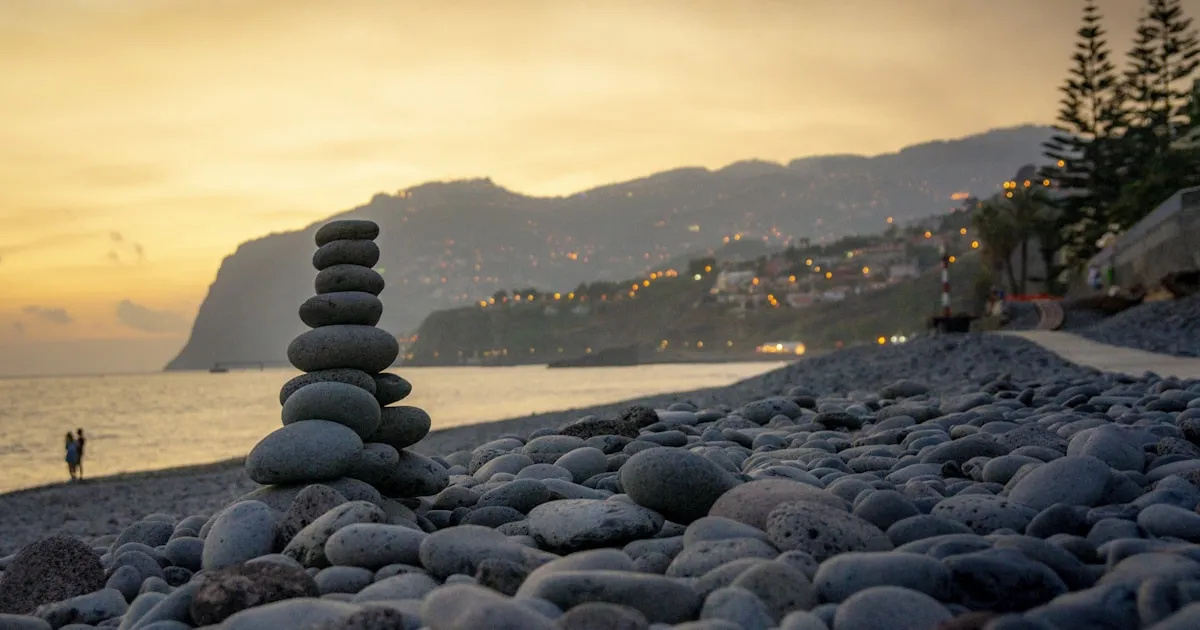
When the rest of Europe reaches for heavier jackets and watches the last daylight fade before dinner, Madeira carries on as if summer never quite left. October and November on this Atlantic island are a quiet revelation — the temperatures stay generous, the ocean remains swimmable, the landscapes shift into rich autumnal colour, and the crowds that define the summer months simply melt away. If you have been hunting for the perfect window to visit, this might be it.
The Weather: Warm Days, Mild Evenings
Madeira's autumn weather is remarkably kind. Expect daytime temperatures between 19 and 22°C along the coast, with occasional warmer spells pushing toward 24°C on sheltered southern shores. Nights settle around 16–18°C — comfortable enough for an evening stroll along the Funchal promenade without a heavy layer.
The sea holds onto its summer warmth well into October, hovering around 22–23°C. Even in November it rarely drops below 21°C, which means natural pools in Porto Moniz and coastal swims remain genuinely enjoyable rather than something you endure for a photograph.
Rainfall does increase compared to the dry summer months, but it follows a pattern that works in your favour. Showers tend to be brief, concentrated in the mountainous interior and along the northern coast. The south — where most visitors stay — enjoys significantly more sunshine. Pack a light waterproof for hikes, but do not let the rain statistics alarm you. Many autumn days are gloriously clear from dawn to dusk.
Autumn Colours Across the Island
Madeira is nicknamed the island of eternal spring, but autumn gives that title a run for its money. The ancient laurisilva forest — a UNESCO World Heritage Site — deepens into rich emerald shades, while the vineyards terracing the south coast turn gold and copper. Chestnut trees across the highland villages blaze yellow, and late-season hydrangeas, bird of paradise flowers and proteas fill every garden and roadside verge with colour.
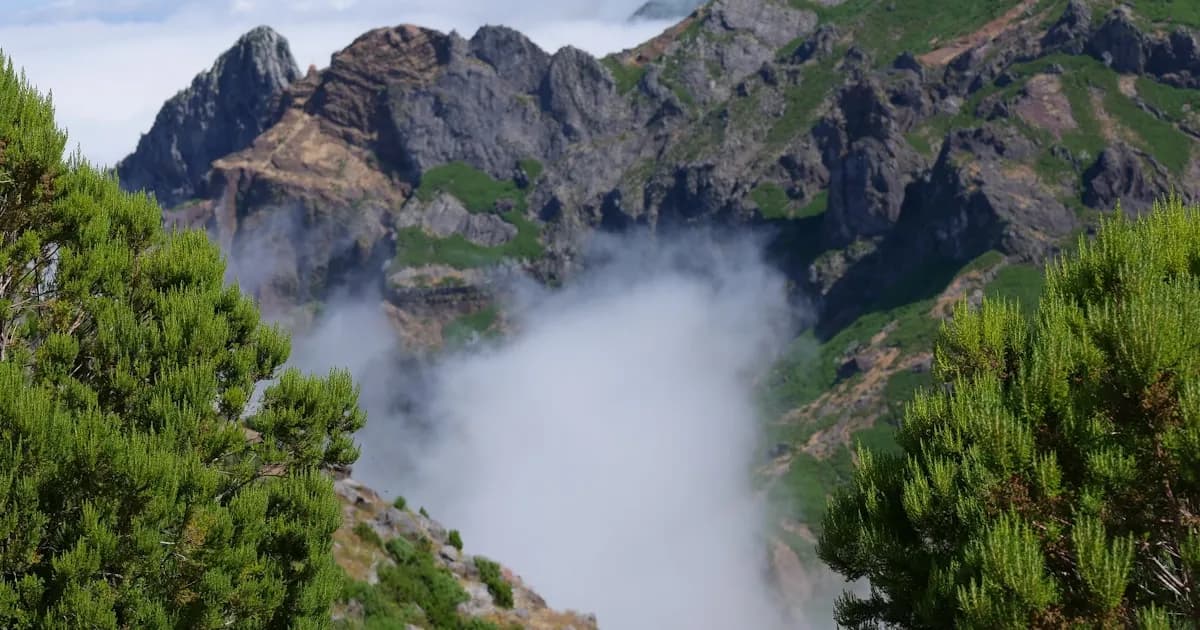
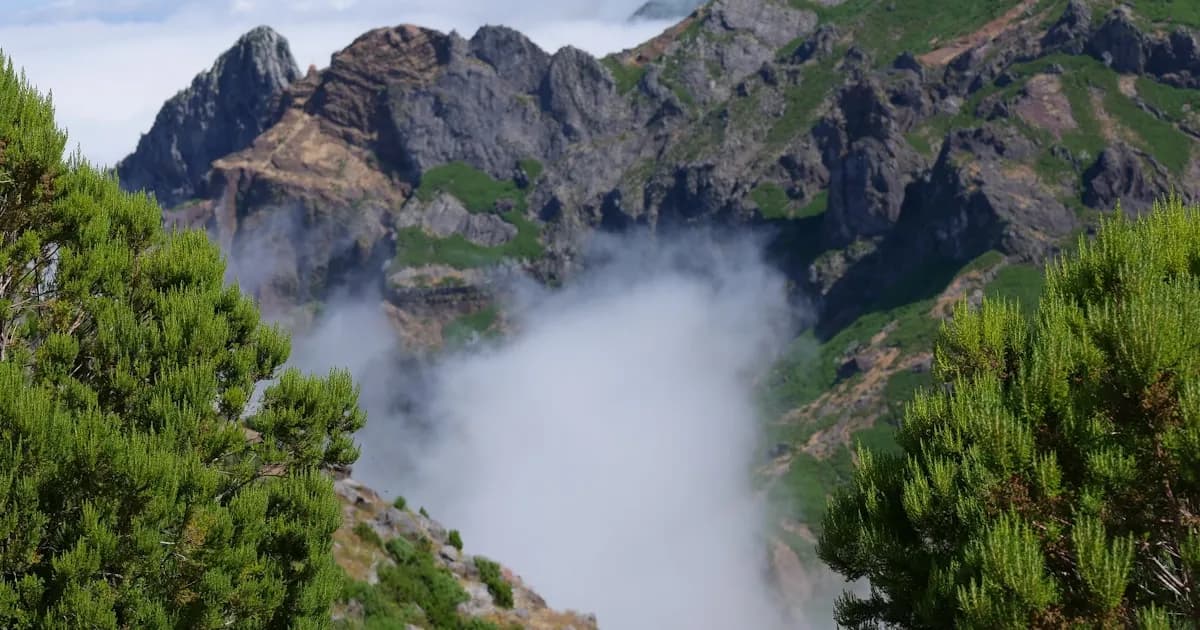
The light itself changes. The sun sits lower, wrapping the island's volcanic peaks and terraced hillsides in a warm, golden hue that photographers adore. Mornings bring mist threading through mountain passes — the kind of atmospheric drama you simply cannot manufacture.
The Chestnut Festival: A November Highlight
One of Madeira's most cherished autumn traditions is the Festa da Castanha — the Chestnut Festival — held in Curral das Freiras each November. This remote village, nestled deep in a volcanic crater, has built its identity around the chestnut tree. During the festival, the village fills with the smell of roasting chestnuts and the sound of folk music, while stalls sell chestnut bread, chestnut cake, chestnut soup, chestnut liqueur, and seemingly every other chestnut product you could imagine.
The festival is a genuine community event rather than a tourist production. Locals in traditional dress demonstrate age-old cooking methods, and the atmosphere is warm, welcoming and entirely unpretentious. Getting there is part of the experience — the winding road down into the crater offers staggering views at every bend.
The Madeira Nature Festival
October brings the Festival da Natureza (Nature Festival), a programme of outdoor events designed to showcase the island's extraordinary natural heritage. Activities include guided botanical walks, mountain trail races, coasteering, birdwatching excursions and stargazing evenings in the highlands.
The festival is an excellent entry point for visitors who want to explore Madeira's wilder side with expert local guidance. Events spread across the entire island, from the laurel forests of Rabaçal to the coastal cliffs of São Lourenço, and most are free or very affordable.
Fewer Tourists, Better Prices
The difference between August and October in Madeira is striking. Summer brings the island's highest visitor numbers, which means crowded trails, packed restaurants and peak-season pricing. By mid-October, the pressure lifts noticeably.
What changes in practice:
- Accommodation drops by 20–35% compared to July and August. Hotels, guesthouses and holiday rentals offer better rates and wider availability.
- Flights to Funchal (FNC) are typically cheaper. European airlines run frequent autumn schedules, and you will find more flexibility with dates.
- Restaurants no longer require advance booking for every meal. Securing a table at popular spots like Funchal's waterfront restaurants becomes straightforward.
- Trails feel uncrowded. The levada walks that resemble motorways in high summer become peaceful, contemplative experiences in autumn.
The savings add up quickly, and the quality of experience arguably improves. Fewer people means more space, less noise and a more authentic sense of the island.
Hiking at Its Best
Autumn is widely considered the finest hiking season in Madeira, and for good reason. Summer heat can make exposed mountain trails punishing, but October and November bring cooler, more comfortable temperatures that let you walk longer without fatigue.
The island's famous levada trails — paths following centuries-old irrigation channels through forests, tunnels and along cliffsides — are at their most atmospheric in autumn. Recent rains feed the waterfalls and streams, the air smells of damp earth and eucalyptus, and the reduced visitor numbers mean stretches of genuine solitude.
Recommended autumn hikes:
- Levada das 25 Fontes — Autumn rains amplify the waterfall amphitheatre at the trail's end into a dramatic cascade.
- Vereda do Fanal — An ancient forest of gnarled, moss-covered trees that looks otherworldly in autumn mist.
- Pico do Arieiro to Pico Ruivo — Madeira's highest peaks, with clearer autumn air offering visibility all the way to Porto Santo.
- Levada do Caldeirão Verde — A longer trek into a volcanic crater, where morning mist creates a near-mystical atmosphere.
Combine with a Zipline Over the Atlantic
The mild autumn conditions are perfect for the Adrenaline Adventures experience in Porto Moniz. With the summer rush behind you, wait times shorten and the entire experience feels more relaxed.
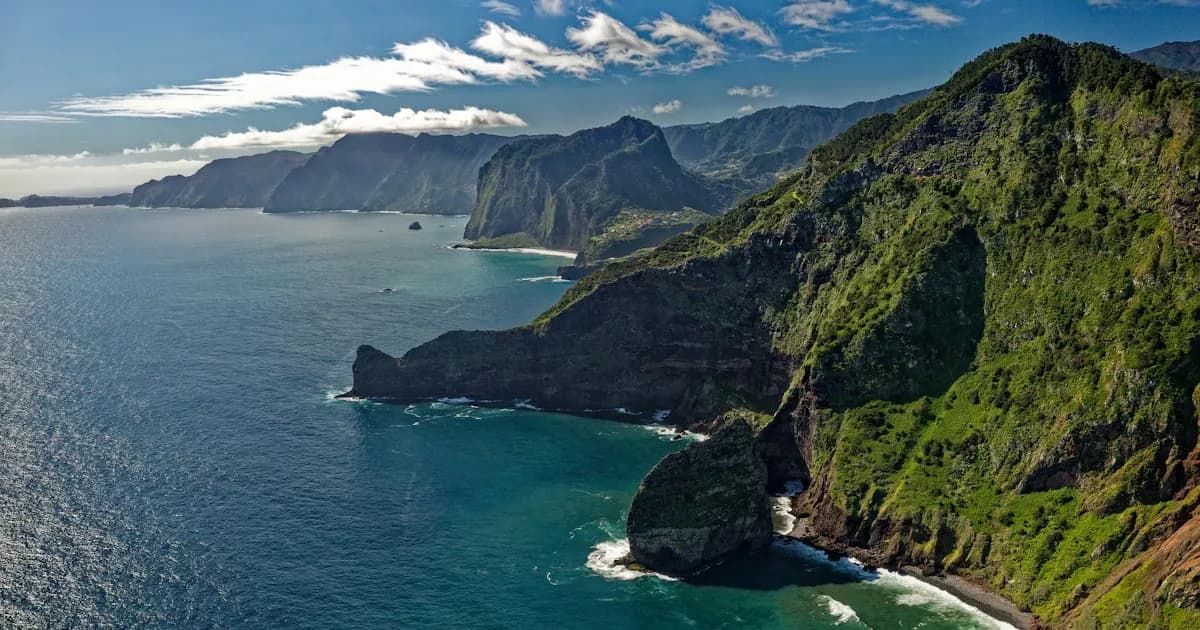
The 1.6-kilometre zipline — one of Europe's longest — sends you at up to 110 km/h across a dramatic volcanic coastline, suspended more than 250 metres above the ocean. Autumn's clearer air often extends visibility to the neighbouring island of Porto Santo, and the lower sun angle creates extraordinary light for photos and video.
The giant swing delivers a freefall before arcing you out over the cliff edge, with nothing below but crashing Atlantic waves. Calmer autumn winds make the experience feel even more intense.
October and November mornings offer particularly stunning light. Book an early slot if photography matters to you.
Practical Tips for Your Autumn Trip
- What to pack: Layers are essential. Coastal areas are warm, but the mountains can be 8–10°C cooler. A light rain jacket, sturdy hiking shoes and sun protection cover most situations.
- Car rental: Highly recommended. Madeira's roads are excellent, and a car opens up the quieter northern coast and highland villages that public transport does not reach easily.
- Book activities ahead: Autumn is less pressured than summer, but popular experiences still fill up — especially on weekends.
- Try local autumn produce: Chestnuts, passion fruit, custard apples (anonas), guavas, and the peculiar but delicious monstera deliciosa fruit are all in season.
Your Autumn Escape Starts Here
Madeira in October and November is one of Europe's finest shoulder-season destinations. The weather stays warm, the sea is still inviting, the landscapes are draped in autumn colour, and the island rewards you with lower prices, shorter queues and a pace that feels genuinely relaxed. Add a chestnut festival in a volcanic crater, world-class hiking and a zipline over the Atlantic, and you have a trip that rivals anything the peak summer months can offer — at a fraction of the cost and crowds.
Check Prices and Book Your AdventureFrequently Asked Questions
Does it rain a lot in Madeira?
The south coast (Funchal area) gets much less rain than the north. Even in winter, you can expect sunshine most days in the south.
What is the warmest month?
August averages 25°C with sea temperatures reaching 23°C. July and September are similarly warm with fewer crowds.
Can I visit Madeira in winter?
Absolutely. Winter temperatures stay around 17-19°C, perfect for hiking. Plus you get Christmas lights and the famous New Year's Eve fireworks.
What should I pack for Madeira?
Layers are essential — weather changes quickly with altitude. Always bring a waterproof jacket, hiking shoes, and sunscreen.
Read Also
- Things to Do in Madeira — The complete guide to activities and experiences across the island.
- Autumn in Madeira: Adventures and Colours — A deeper look at why autumn is Madeira's most enchanting season.
- Best Time to Visit Madeira — Season-by-season breakdown to help you choose the perfect month.