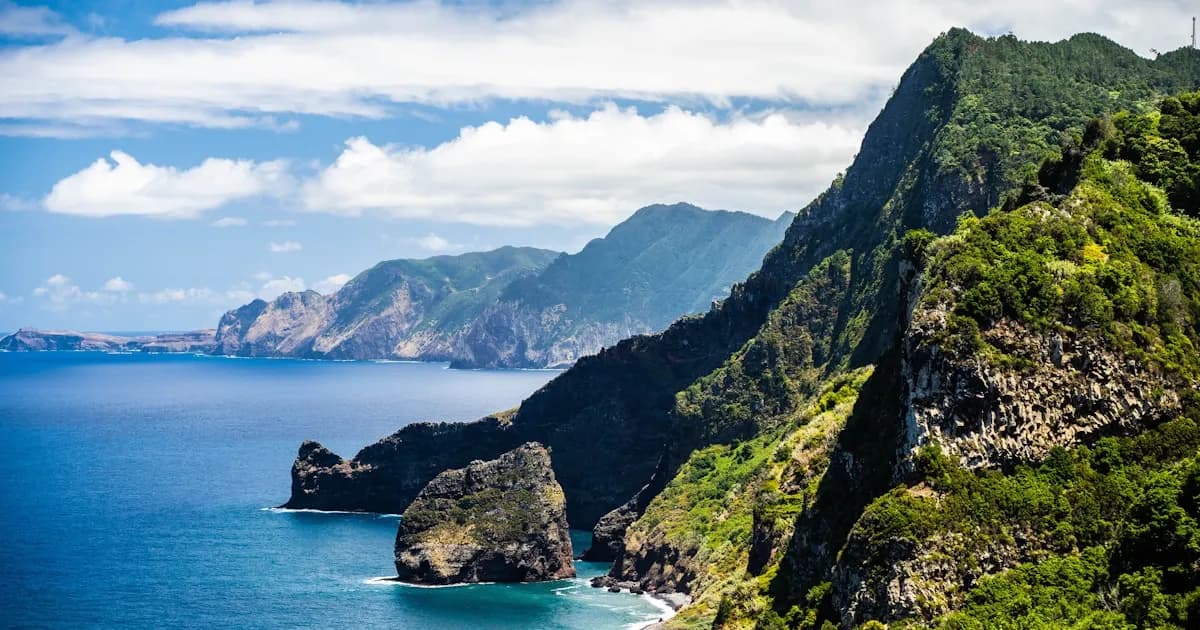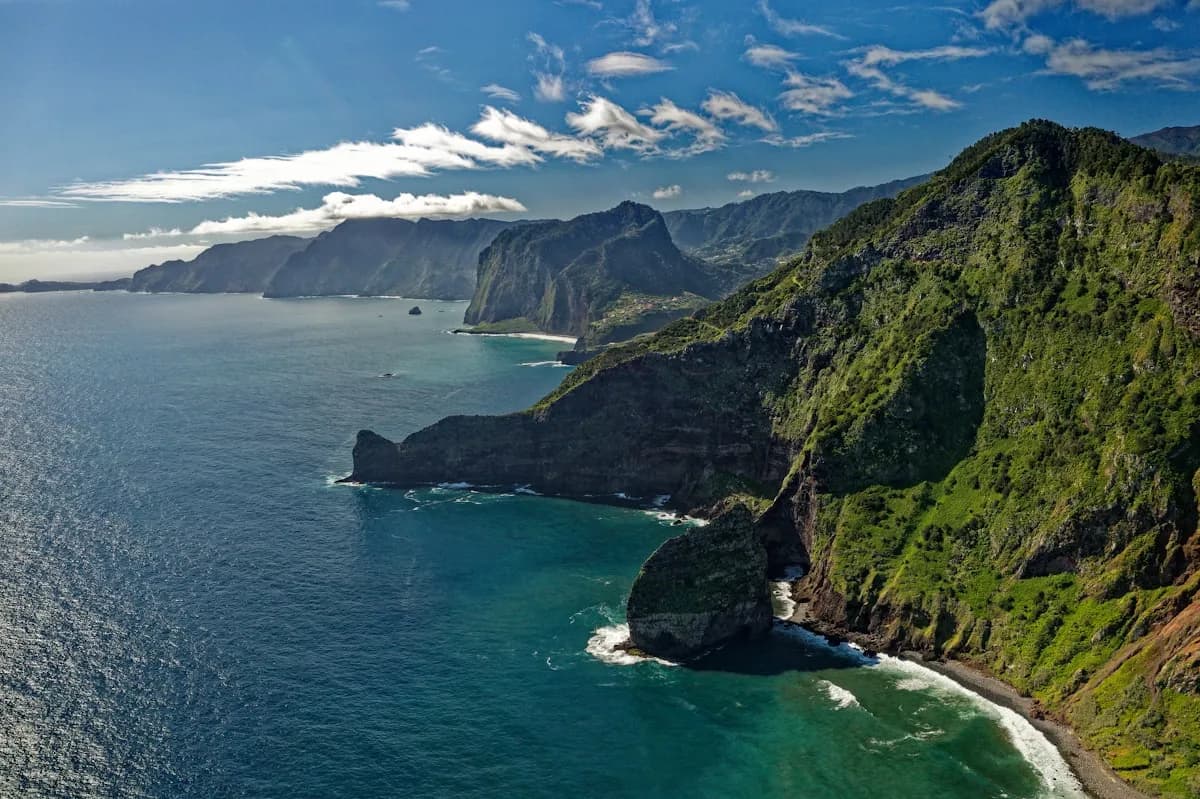
Madeira has a way of exceeding expectations. Most first-time visitors arrive expecting a quiet island popular with retirees and leave wondering how they had never heard more about this place. Volcanic peaks that pierce the clouds, levada trails through ancient laurel forest, world-class food, and adventure activities that rival anything in mainland Europe — all packed into an island smaller than London. If you are planning your first visit, this guide will help you arrive prepared and make the most of every day.
Getting to Madeira
Madeira's Cristiano Ronaldo International Airport (FNC) in Santa Cruz receives direct flights from most major European cities. Airlines like TAP, Ryanair, easyJet, Eurowings, and Transavia operate regular routes from Lisbon, London, Frankfurt, Amsterdam, Paris, and many other hubs. Flight time from Lisbon is about 1 hour 40 minutes; from London or central Europe, around 4 hours.
The airport is famous for its short runway built on stilts over the ocean, which makes for a dramatic landing. Winds can occasionally cause diversions or delays, so it is worth choosing morning flights when conditions tend to be calmer.
Book flights early if you plan to visit between June and September — this is peak season and prices climb quickly. Shoulder months like May and October offer excellent weather with lower fares.
Getting Around the Island
Rent a car. This is the single best piece of advice for any Madeira first-timer. Public transport exists but is limited, especially to the northern and western parts of the island. A rental car gives you the freedom to explore at your own pace, stop at viewpoints, and reach trailheads that buses simply do not serve.
Rental prices start from around €25-35 per day depending on the season. Most companies operate from the airport. Roads on Madeira are generally well-maintained, with modern motorways connecting Funchal to the main towns. However, the older mountain and coastal roads can be narrow, steep, and winding — which is part of the fun.
Driving tips for first-timers:
- Drive on the right side of the road (same as mainland Portugal).
- Mountain roads often have single lanes with passing places. The car going uphill has priority.
- Tunnels are everywhere — some are long and some are single-lane, so stay alert.
- Parking in Funchal can be tight. Use the city car parks rather than circling the streets.
- Fill up with fuel before heading to the north or west coast, where petrol stations are scarce.
Weather and When to Visit
Madeira enjoys a subtropical climate and is genuinely pleasant year-round. However, the weather varies more than you might expect for a small island:
- Summer (June–September): Warm and mostly dry. Temperatures in Funchal hover around 24-28°C. The south coast gets the most sun, while the north can be cloudier.
- Spring and Autumn (April–May, October–November): Mild temperatures (19-24°C), fewer tourists, and the island is lush and green. These are excellent months to visit.
- Winter (December–March): Temperatures rarely drop below 16°C in Funchal, making it a popular escape from northern European winters. Rain is more frequent, but showers tend to be short.
One important thing to understand: Madeira has microclimates. It can be raining in Funchal and sunny in Porto Moniz, or foggy on the mountain peaks and clear on the coast. Always bring layers and be ready for the weather to change.
What to Pack
Packing for Madeira depends on the time of year, but some items are essential regardless:
- Hiking boots or sturdy shoes: Even if you are not a serious hiker, you will want comfortable footwear for levada walks and uneven terrain.
- Layers: A light fleece or jacket for mountain areas, where temperatures drop noticeably.
- Rain jacket: A compact waterproof layer, especially if visiting outside summer.
- Sunscreen and hat: The UV index is high, even on cloudy days.
- Swimwear: For the natural pools, beaches, and hotel pools.
- Water shoes: Essential for rocky beaches and volcanic pool areas.
- A daypack: For carrying water, snacks, and layers on hikes.
Currency, Language, and Practicalities
Madeira is part of Portugal and the European Union:
- Currency: Euro (€). Cards are widely accepted, but carry some cash for smaller establishments, parking meters, and natural pool entry fees.
- Language: Portuguese is the official language. English is widely spoken in tourist areas, hotels, and restaurants. Learning a few Portuguese phrases (obrigado/obrigada, bom dia, por favor) goes a long way and is always appreciated.
- Plugs: European two-pin sockets (Type C/F). Bring an adapter if coming from the UK or North America.
- Tipping: Not mandatory but appreciated. Rounding up the bill or leaving 5-10% in restaurants is common.
- Water: Tap water is safe to drink throughout the island.
Must-Do Activities
Walk the Levadas
Madeira's levadas are irrigation channels built centuries ago to carry water from the rainy north to the drier south. Walking paths run alongside them, creating a network of trails through some of Europe's most stunning landscapes. The Levada das 25 Fontes, Caldeirão Verde, and Vereda dos Balcões are among the most popular — but there are dozens more ranging from easy strolls to challenging mountain routes.
Visit Porto Moniz
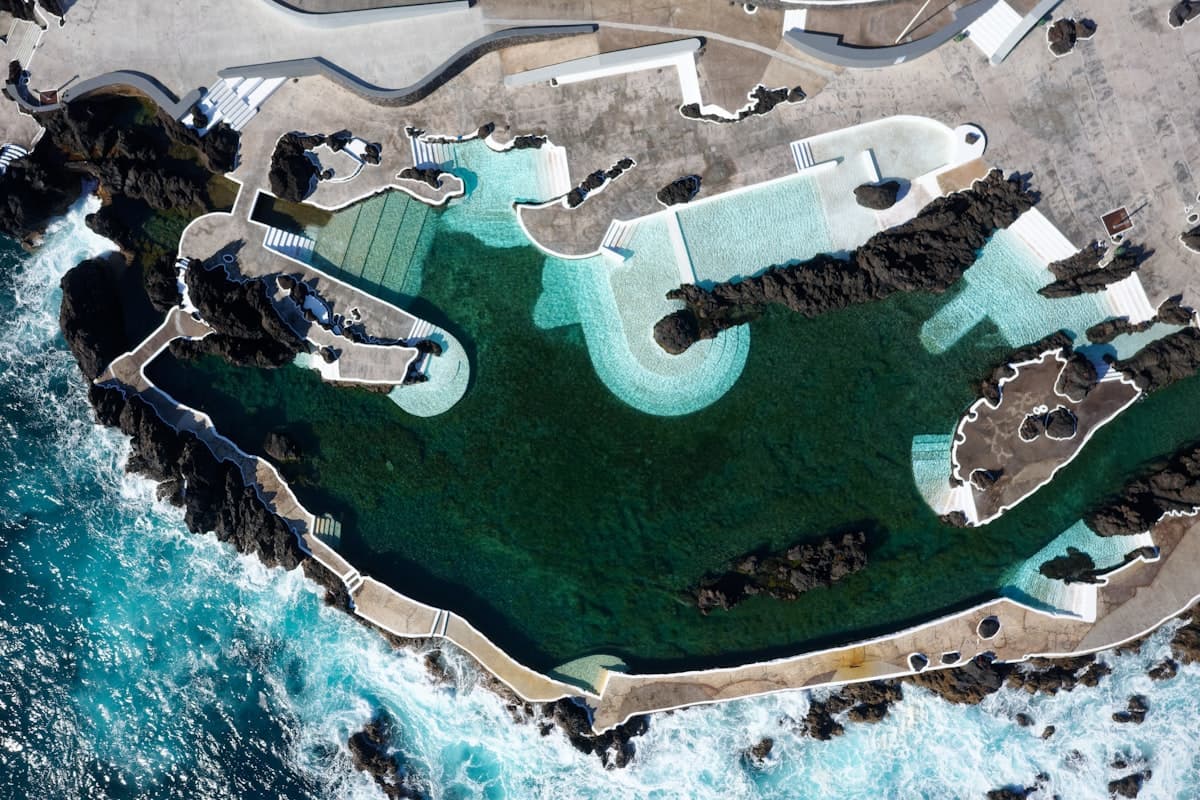
The village of Porto Moniz on the northwest coast is a must-visit. The famous volcanic natural pools are reason enough, but Porto Moniz is also the adventure capital of the island. Adrenaline Adventures operates a 1.6 km zipline that flies over the ocean at speeds up to 110 km/h, and a giant swing (baloiço) that swings you 250 metres above the Atlantic. These are among the most unique experiences available anywhere in Europe.
Check Zipline and Giant Swing PricesExplore Funchal
Madeira's capital is charming and walkable. Do not miss the Mercado dos Lavradores (the farmers' market) for exotic fruits and fresh flowers, the cable car up to Monte with its famous toboggan ride back down, and the Old Town (Zona Velha) with its painted doors and lively restaurant scene. The city also has excellent museums, botanical gardens, and a lively waterfront promenade.
Drive the North Coast Road
The ER101 along the north coast between São Vicente and Porto Moniz is one of the most scenic drives in Europe. The road hugs the cliff face, passing through tunnels and beneath waterfalls that cascade directly onto the tarmac. Stop at Seixal for a swim at the black sand beach and at the various miradouros for photos.
Climb Pico do Arieiro
At 1,818 metres, Pico do Arieiro is the third-highest peak on the island and the easiest to reach — you can drive all the way to the summit car park. On clear mornings, you stand above the clouds with a 360-degree panorama of the island. The famous trail to Pico Ruivo (Madeira's highest point) starts here.
Safety Tips
Madeira is an extremely safe destination. Violent crime is rare, and petty theft is uncommon outside busy tourist areas. A few things to be aware of:
- Hiking safety: Always check trail conditions before setting out. Some levadas have exposed sections along cliffs. Bring a torch for tunnels, stay on marked paths, and tell someone your plans.
- Ocean safety: The Atlantic can be unpredictable. Swim at supervised beaches and pools, and never turn your back on the waves at unprotected coastal spots.
- Driving: Mountain roads demand full attention. Do not rush, use headlights in tunnels, and pull over at passing places for oncoming traffic.
- Sun exposure: Higher than you expect. Protect yourself even on overcast days.
For adventure activities, Adrenaline Adventures provides all professional equipment and a comprehensive safety briefing before every zipline and giant swing experience. Check our gallery to see what to expect.
How Many Days Do You Need?
A minimum of four to five days allows you to experience the highlights without rushing. A week is ideal and lets you include hiking, a day in Porto Moniz with the zipline and giant swing, time in Funchal, and a day or two to explore the eastern peninsula and the mountain peaks.
If you only have a weekend, focus on Funchal and one big day trip — either the levadas or Porto Moniz. But be warned: most people who come for a short trip start planning their return before they leave.
A Perfect First-Timer Itinerary
- Day 1: Arrive, explore Funchal — Mercado dos Lavradores, Old Town, waterfront dinner.
- Day 2: Pico do Arieiro at sunrise, hike the Levada das 25 Fontes in the afternoon.
- Day 3: Porto Moniz day — natural pools in the morning, zipline and giant swing with Adrenaline Adventures in the afternoon, seafood dinner by the harbour.
- Day 4: North coast drive, Seixal beach, São Vicente caves.
- Day 5: Ponta de São Lourenço hike, Calheta beach, farewell poncha.
What is the best time of year to visit Madeira?
May to October offers the warmest and driest weather, but Madeira is a year-round destination. Spring (April-May) brings flowers and green landscapes, while winter (December-February) offers mild temperatures around 17-20°C and a welcome escape from northern European cold.
Do I need a rental car in Madeira?
Strongly recommended. While Funchal has reasonable bus connections, the best experiences on the island — levadas, Porto Moniz, mountain viewpoints, hidden beaches — require a car. Roads are well-maintained, and rental prices are affordable.
Is Madeira good for families?
Absolutely. The island is safe, the food is excellent, and there are activities for all ages. Families love the natural pools at Porto Moniz, the cable car and toboggan in Monte, and easy levada walks. The Adrenaline Adventures zipline is open to anyone weighing between 35 kg and 120 kg.
How do I get from the airport to Funchal?
The airport is about 20 minutes from central Funchal by car. Taxis cost around €25-30, and several hotel shuttle services operate. If you are renting a car, all major companies have desks at the airport. There is also a public bus (Aerobus) that runs to Funchal's hotel zone.
Is it worth visiting the north side of Madeira?
Without question. The north coast has some of the island's most dramatic scenery, including Seixal beach, São Vicente, and Porto Moniz. The drive itself is spectacular. Plan at least one full day for the north coast, and consider adding the zipline and giant swing at Adrenaline Adventures in Porto Moniz to make the trip unforgettable.
Frequently Asked Questions
How many days do I need in Madeira?
5-7 days covers the main highlights. 10-14 days lets you explore at a relaxed pace including Porto Santo.
What is the daily budget for Madeira?
Budget travellers: €40-60/day. Mid-range: €80-120/day. Luxury: €200+/day. These include accommodation, food, and activities.
Is one week enough for Madeira?
Yes, one week is perfect for a first visit. You can cover Funchal, Porto Moniz, the east coast, and several levada walks.
Should I rent a car?
Highly recommended for exploring beyond Funchal. Rental cars start from €15-20/day. The island is small — you can drive coast to coast in 1.5 hours.