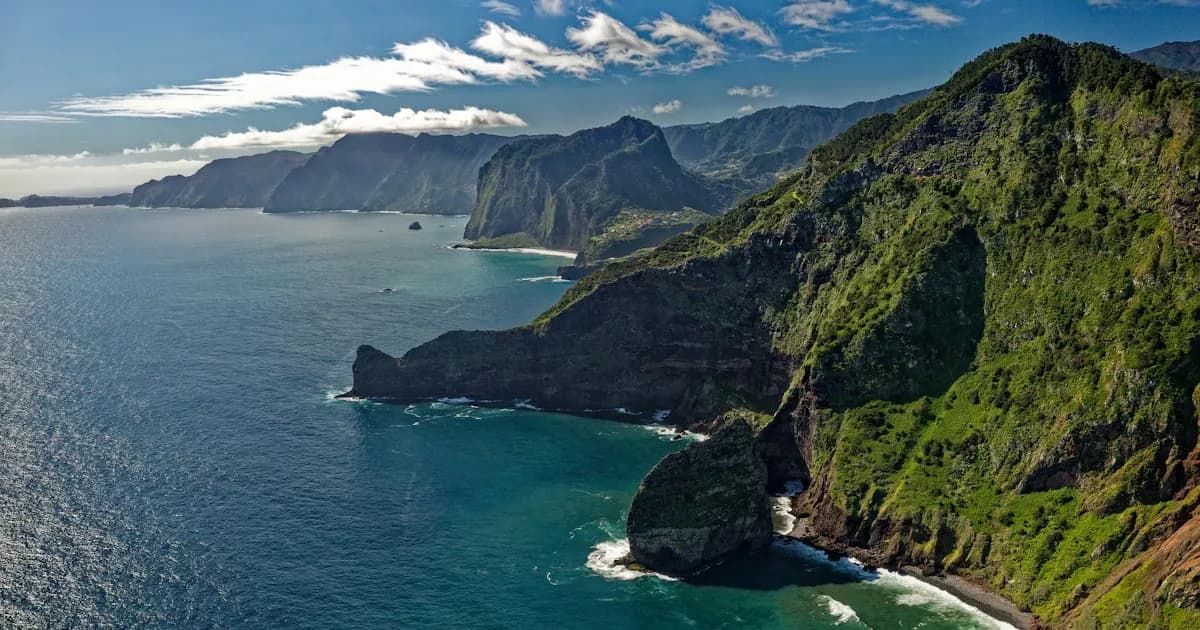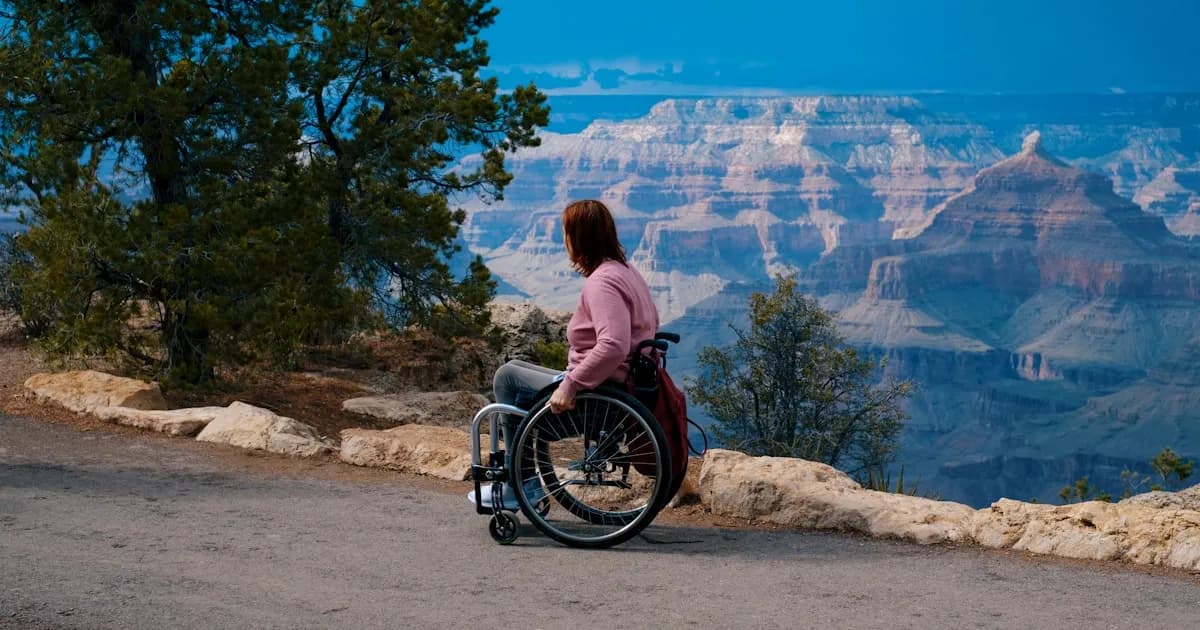
Madeira is an island of dramatic cliffs, steep hillsides, and cobblestone streets. For travellers with reduced mobility, that description might sound discouraging. But here is the truth: Madeira has been steadily improving its accessibility, and with the right planning, the island is far more welcoming than you might expect.
Funchal's waterfront is flat and modern. The cable car eliminates hundreds of metres of elevation. Several major attractions have ramps and adapted facilities. Accessible taxis operate throughout the city. And the island's mild climate — warm but never extreme — makes outdoor exploration comfortable year-round.
This guide covers what you need to know to plan an accessible trip to Madeira, honestly and practically. Where the island excels, where it still has gaps, and how to make the most of your visit regardless of mobility level.
Funchal: The Most Accessible Part of the Island
Funchal is where most visitors base themselves, and it is the most accessible area on the island by a considerable margin.
The Waterfront Promenade
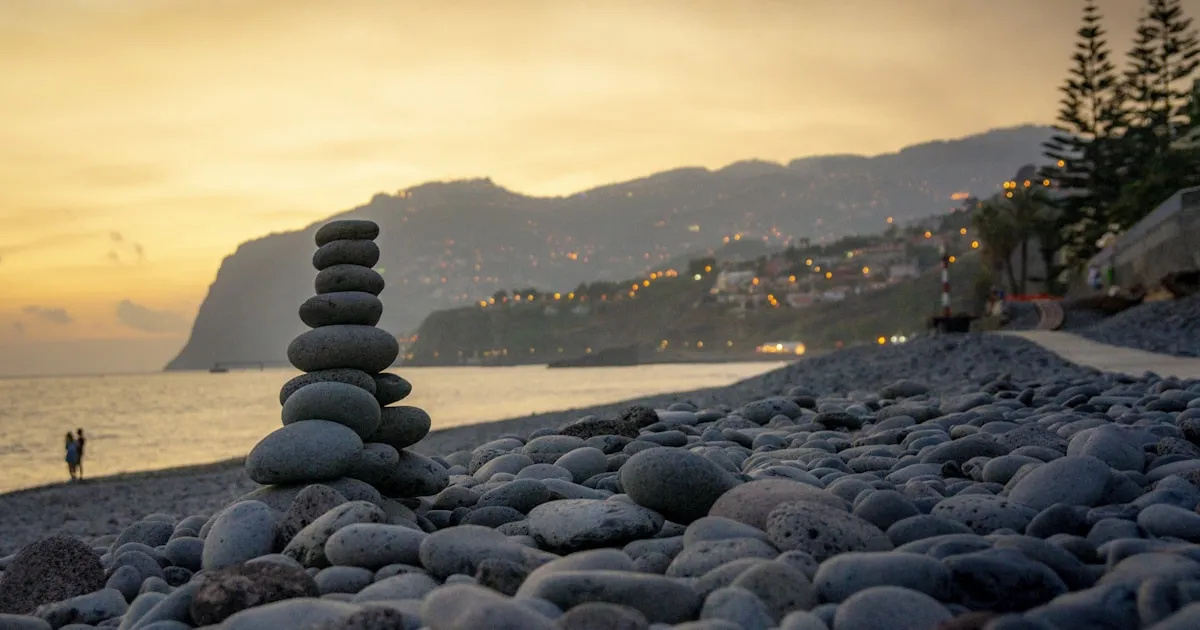
The Estrada Monumental and the seafront promenade running from the Lido area towards the city centre is Madeira's most wheelchair-friendly stretch. The pavement is wide, smooth, and flat. There are benches at regular intervals, accessible cafes and restaurants along the way, and views across the Atlantic that rival any hilltop viewpoint. This promenade is genuinely pleasant — not a compromise, but one of the best walks in Funchal for anyone.
The Hotel Zone
Most large hotels along the Estrada Monumental have accessible rooms, lifts, and ground-floor pool access. Properties such as the Savoy Palace, Pestana Carlton, and Belmond Reid's Palace are well-equipped for guests with mobility needs. When booking, always confirm directly with the hotel about specific requirements — room layouts and bathroom configurations vary.
Funchal City Centre
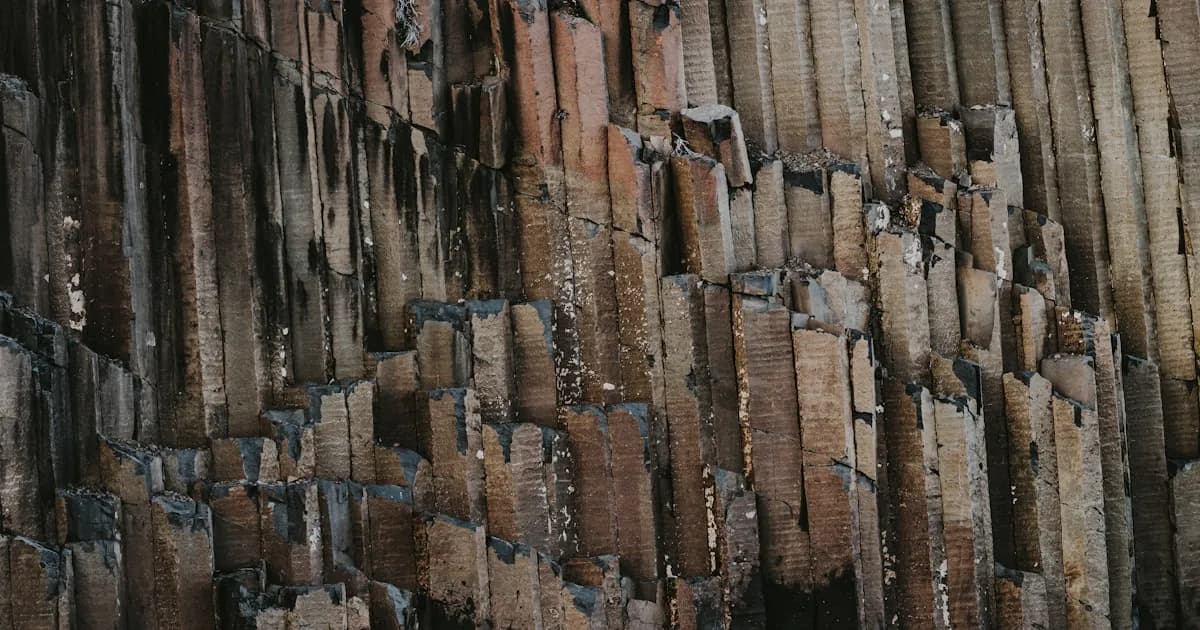
The old town (Zona Velha) is charming but challenging. Many streets are steep and paved with traditional Portuguese basalt cobblestones, which are uneven and can be difficult with a wheelchair or walking frame. However, the main Avenida Arriaga and Avenida do Mar are flat and accessible. The Cathedral square (Sé) is reachable on mostly flat ground from the seafront.
Practical tip: The newer parts of Funchal (hotel zone, Forum Madeira shopping centre area) are significantly more accessible than the historic centre. Plan accordingly.
Accessible Taxis
Funchal has several taxi companies that operate adapted vehicles with ramps or lifts for wheelchair users. These should be booked in advance rather than hailed on the street. Your hotel reception can arrange this, and it is worth requesting adapted transport when you first arrive so the hotel can set up a reliable contact for your entire stay.
Accessible Attractions
Monte Cable Car (Teleférico do Funchal)
The cable car from Funchal to Monte is wheelchair accessible. The lower station near the Old Town has ramp access, and staff are trained to assist passengers with reduced mobility into the cabins. At the top, the Monte Palace Tropical Garden is partially accessible — the main terraces and viewing areas can be reached, though some garden paths are steep and uneven.
The famous Monte toboggan ride (the wicker basket sledge) is not suitable for wheelchair users, but the cable car journey itself offers spectacular views over Funchal and the harbour.
Mercado dos Lavradores (Farmers' Market)
Funchal's iconic market is mostly accessible at ground level, where you will find the flower sellers and fruit vendors. The upper fish market level involves stairs, though there is a small lift available. The ground floor alone is worth the visit — the colours, aromas, and atmosphere are quintessentially Madeiran.
Jardim Municipal (Municipal Garden)
This centrally located garden has flat, paved paths and is fully accessible. It is a peaceful spot to rest, surrounded by tropical plants and ancient trees, and it connects easily to the main shopping streets.
CR7 Museum
The Cristiano Ronaldo museum near the harbour is modern, fully accessible, and located on flat ground. Whether or not you follow football, it is a well-designed museum with lifts and accessible facilities throughout.
Accessible Viewpoints
Cabo Girão Skywalk
This is one of Madeira's most famous attractions — a glass-floored skywalk perched 580 metres above the ocean. The good news: the viewing platform has ramp access and is wheelchair accessible. You can roll or walk straight onto the glass platform and look down at the vineyards and sea far below. The car park is nearby with accessible spaces, and the path to the skywalk is paved and manageable.
This is a genuinely accessible world-class viewpoint, and it should be on every visitor's list regardless of mobility.
Pico dos Barcelos
This viewpoint above Funchal is reachable by taxi and has a paved viewing area. While not specifically designed for wheelchair users, the main platform is flat and offers a sweeping panorama over the city, harbour, and mountains. There is a small cafe nearby.
Camera de Lobos Viewpoint
The viewpoint where Winston Churchill painted is accessible by road, and the main viewing area is paved. The fishing village below involves steep streets, but the viewpoint itself is manageable.
Accessible Beaches
Calheta Beach
Calheta is Madeira's most accessible beach. This man-made golden sand beach on the southwest coast has adapted facilities including beach wheelchairs (cadeiras anfíbias), accessible changing rooms, and ramp access to the sand and water. Lifeguards are present during summer months and can assist with the amphibious chairs.
The beach is sheltered by breakwaters, making the water calm — a rarity on Madeira's often wave-battered coast. There are accessible restaurants and cafes directly adjacent.
Important: Beach wheelchair availability can vary by season. Contact the Calheta municipal office or your hotel to confirm availability and reserve in advance during peak months.
Lido Promenade Pools
Back in Funchal, the Lido area has several bathing complexes with pools and sea access. Some of these have been adapted with ramps and pool hoists. The Complexo Balnear do Lido is the most established, though accessibility features should be confirmed before visiting as they are periodically updated.
Adapted Transport
Getting Around Funchal
Beyond taxis, Funchal's public bus system (Horários do Funchal) has been gradually introducing low-floor buses on main routes. However, not all buses are adapted, and bus stops in hillier areas may not be accessible. For reliable accessibility, adapted taxis remain the best option within Funchal.
Exploring the Island
For day trips beyond Funchal, your options include:
Adapted taxi or private driver. This is the most practical solution. Several drivers on the island specialise in accessible transport and can take you to viewpoints, villages, and attractions across the island. Your hotel can recommend trusted operators.
Rental cars with hand controls. Available from some rental agencies, though selection is limited. Book well in advance and confirm the specific adaptations available.
Organised accessible tours. A small number of tour operators on Madeira offer accessible excursions. These typically include adapted vehicles and visits to wheelchair-friendly attractions. Ask your hotel or search for "accessible tours Madeira" to find current operators.
Airport Transfers
Madeira Airport (Funchal) is modern and fully accessible, with lifts, ramps, and assistance services. Pre-book airport assistance through your airline. For the transfer to your hotel, arrange an adapted taxi in advance — the airport is about 20 minutes from the Funchal hotel zone.
Accessible Restaurants
Funchal's restaurant scene is increasingly accessible, particularly in the hotel zone and waterfront areas.
Waterfront restaurants along the promenade and marina are generally at ground level with flat access. The Forum Madeira shopping centre food court is fully accessible with lifts.
Old Town (Zona Velha) restaurants are more variable. Rua de Santa Maria — the famous painted-doors street — is relatively flat, and several restaurants here have step-free access. However, reaching the street itself from some directions involves slopes or steps.
Hotel restaurants in the major hotels are reliably accessible, and many are open to non-guests. This can be a good option when you want a guaranteed accessible dining experience.
Tip: When booking restaurants, mention any accessibility requirements. Many smaller restaurants will arrange temporary ramps or suggest the most accessible seating area if given advance notice.
Healthcare and Pharmacies
Madeira's healthcare infrastructure is reassuring for visitors with mobility conditions or ongoing medical needs.
Hospital Dr. Nélio Mendonça is Funchal's main public hospital, modern and fully equipped. Emergency services are available 24/7.
Private clinics including the Clínica de Santa Catarina offer consultations without long waits, and many doctors speak English and German.
Pharmacies (farmácias) are found throughout Funchal and are well-stocked. Portuguese pharmacists are highly trained and can provide advice on over-the-counter remedies. Most pharmacies in the centre are accessible at ground level.
Medical equipment hire. If you need to rent a wheelchair, walker, or other mobility equipment during your stay, ask your hotel to help arrange this through local medical supply companies. Availability is reasonable but booking in advance is wise.
Adventure for Everyone
You might assume that adventure activities are off-limits for visitors with reduced mobility. That is not always the case.
Our panoramic zipline route in Madeira offers an experience that accommodates various needs. The setup and harness system can be adapted, and the experience — soaring above the valley with the mountains and ocean in view — is exhilarating regardless of how you arrived at the platform.
We believe that the feeling of flight should not be limited by mobility. If you have specific accessibility needs, contact us directly and we will discuss what is possible. Every situation is different, and we are happy to work through the details with you.
Accessibility for adventure activities depends on individual circumstances. We encourage you to get in touch with specific questions — we would rather have an honest conversation than make assumptions about what you can or cannot do.
Practical Tips for Accessible Travel in Madeira
Book accommodation in the hotel zone. The Estrada Monumental area is the flattest, most accessible part of the island. Staying here puts you close to the promenade, restaurants, and the cable car.
Arrange transport in advance. Do not rely on finding adapted taxis on arrival. Have your hotel arrange a regular driver before you land.
Visit between April and October. The weather is driest and warmest, which matters when you are spending more time outdoors and on pavements. Wet cobblestones are significantly more slippery and difficult.
Carry a detailed list of your medical needs. Including medication names (generic, not brand), dosages, and any equipment requirements. Portuguese pharmacies are excellent but need precise information.
Download offline maps. Mobile signal can be patchy in rural areas. Having offline maps helps your driver find accessible routes and attractions.
Allow extra time. Madeira rewards patience. The most accessible routes are not always the fastest, but they often pass through the most scenic areas.
Ask your hotel for help. Madeiran hospitality is genuine. Hotel staff are typically very willing to make calls, arrange transport, and help plan accessible itineraries. Use them as a resource.
An Island Worth the Effort
Madeira is not yet a fully accessible destination. The terrain is inherently challenging, and many historic areas were built long before accessibility was a consideration. But the island is improving steadily, and the parts that are accessible — the Funchal waterfront, Cabo Girão, Calheta beach, the cable car — are genuinely world-class.
More than that, the Madeiran people are warm and helpful in a way that makes a real difference. Doors are held open. Assistance is offered without being asked. Restaurant staff move tables without fuss. It is a culture that naturally accommodates, even where the infrastructure has not yet caught up.
With good planning, Madeira can be a memorable and rewarding trip for travellers of all abilities.
Ask Us About AccessibilityFrequently Asked Questions
Do I need a visa for Madeira?
EU/EEA citizens need only an ID card. UK, US, Canadian, and Australian citizens can visit visa-free for up to 90 days.
Is the tap water safe in Madeira?
Yes, tap water in Madeira is safe to drink throughout the island.
What plug type does Madeira use?
Type C and F plugs with 230V. UK and US visitors need an adapter.
Do I need cash in Madeira?
Cards are accepted almost everywhere in Funchal and tourist areas. Carry some cash for rural areas, markets, and small cafés.
Read Also
- Things to Do in Madeira: Ultimate Guide — The complete guide to activities and experiences across the island.
- Madeira for Seniors — Why Madeira is the perfect destination for over 50s, with gentle walks and cultural highlights.
- Madeira First-Time Visitors Guide — Everything you need to know for your first trip to the island.