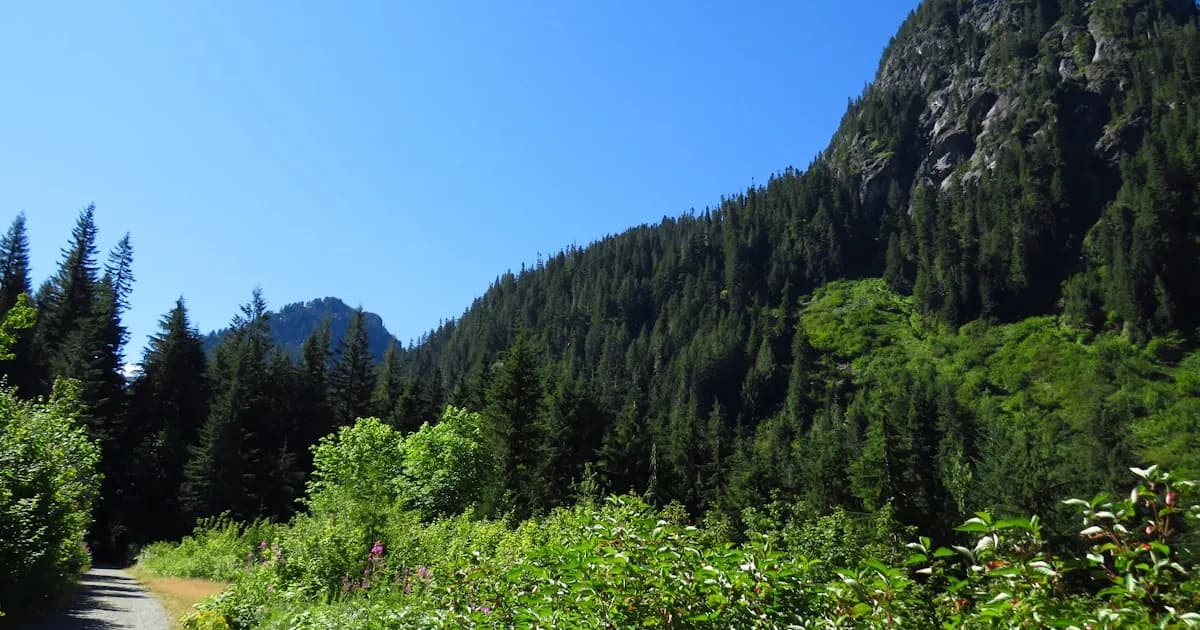
Two Atlantic islands, both volcanic, both blessed with year-round mild weather, both fighting for a spot on your travel shortlist. Madeira and Gran Canaria share more in common than most people realise — but spend a few days on each and the differences become impossible to ignore. This is an honest, category-by-category comparison to help you pick the right island for your next trip.
Climate: Both Mild, One Drier
Both islands earn the "eternal spring" label. Average temperatures on Madeira sit between 19°C and 25°C year-round, while Gran Canaria ranges from 20°C to 27°C — a touch warmer, particularly in the southern resorts around Maspalomas and Playa del Ingles.
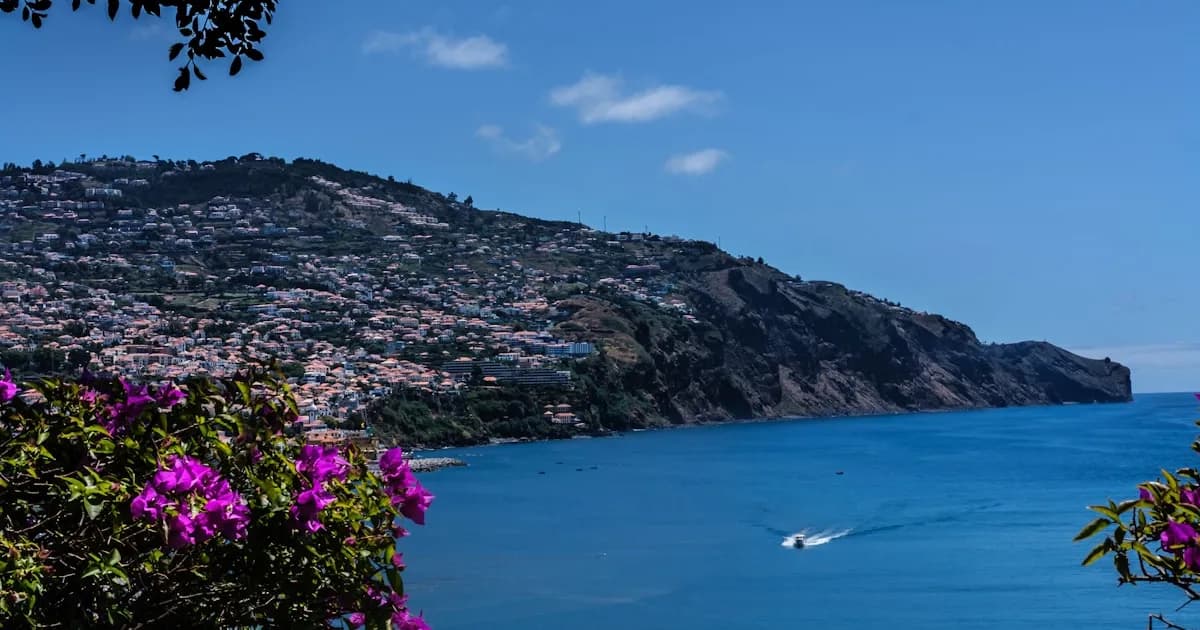
The real difference is rain. Gran Canaria's south coast is semi-arid, with barely 100 mm of annual rainfall. Madeira is greener and lusher, especially in the mountainous interior, where moisture feeds the famous laurel forests. The south coast around Funchal stays reliably dry, but if you head into the mountains for hiking, you may encounter mist and light rain — which, honestly, adds to the atmosphere rather than ruining the day.
Winner: Gran Canaria if you want guaranteed dry heat. Madeira if you prefer green landscapes and don't mind occasional mountain clouds.
Beaches: Gran Canaria Takes It
Let's not pretend this is close. Gran Canaria has some of the finest beaches in the Atlantic. The Maspalomas dunes — a vast landscape of golden sand stretching along the southern coast — feel almost Saharan. Playa de las Canteras in Las Palmas is a city beach that rivals Barcelona's best. Anfi del Mar, Amadores, and Puerto Rico offer sheltered bays with calm, turquoise water.
Madeira's coastline is volcanic and dramatic, but sandy beaches are rare. You'll find pebbly shores, rocky coves, and the spectacular natural pools of Porto Moniz — seawater pools carved into lava rock — which are beautiful but a completely different experience from lounging on warm sand. If you need a proper beach day, Porto Santo island (a 2-hour ferry from Madeira) has 9 km of golden sand, but that's a day trip rather than a walk from your hotel.
Winner: Gran Canaria, clearly.
Adventure Activities: Madeira Wins Convincingly
This is where the islands diverge sharply, and where Madeira pulls decisively ahead.
Madeira has built one of Europe's most impressive adventure scenes. The Adrenaline Adventures zipline in Porto Moniz — 320 metres above sea level, reaching 110 km/h over 1.6 km of cable with the Atlantic stretching beneath you — is a headline experience with no equivalent on Gran Canaria. Add the giant swing suspended 250 metres above the ocean, professional canyoning through narrow volcanic gorges, paragliding along dramatic coastal cliffs, and scenic UTV rides through mountain trails, and Madeira offers a density of adrenaline that Gran Canaria simply cannot match.
Gran Canaria's adventure options lean more toward water sports: jet skiing, surfing at La Cicer, and diving around the Arinaga marine reserve. These are good, but they're available on dozens of islands worldwide. Madeira's experiences feel genuinely unique.
The Adrenaline Adventures zipline and giant swing in Porto Moniz are exclusive to Madeira — there's nothing comparable on Gran Canaria or anywhere else in the Canary Islands. Both experiences include UTV transfers through scenic mountain trails.
Winner: Madeira, by a wide margin.
Hiking: Both Good, Different Character
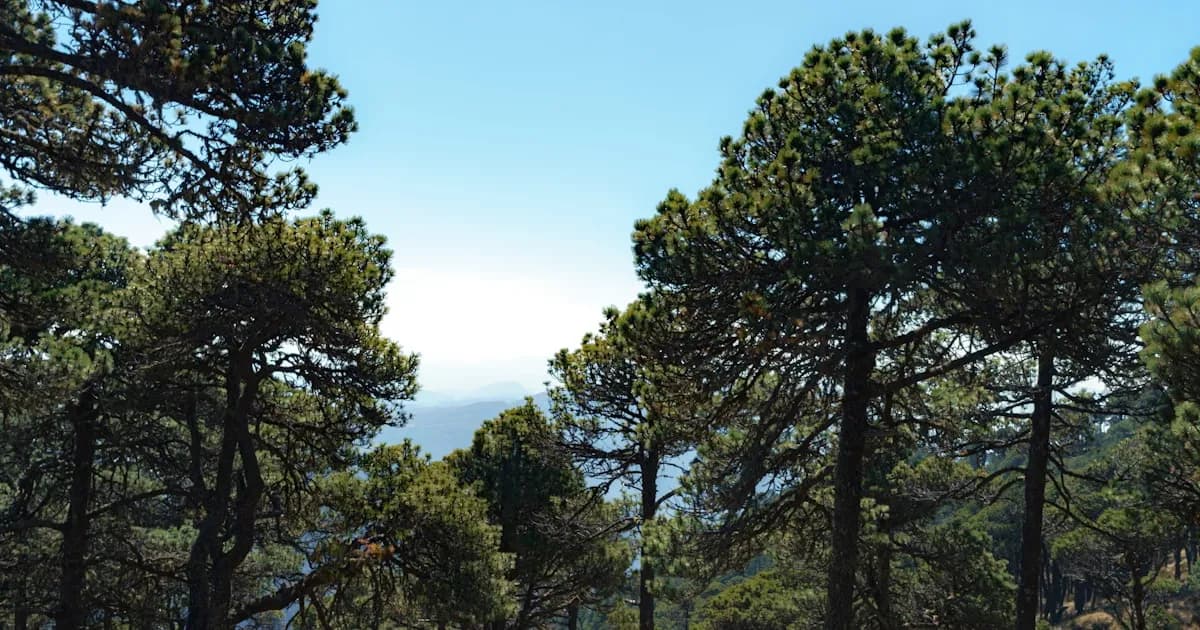
Gran Canaria has earned its "miniature continent" nickname for good reason. The interior is surprisingly rugged, with Roque Nublo standing as an iconic volcanic monolith and the pine forests of Tamadaba offering shaded trails with ocean views. The Barranco de Guayadeque gorge is atmospheric and less crowded than you'd expect.
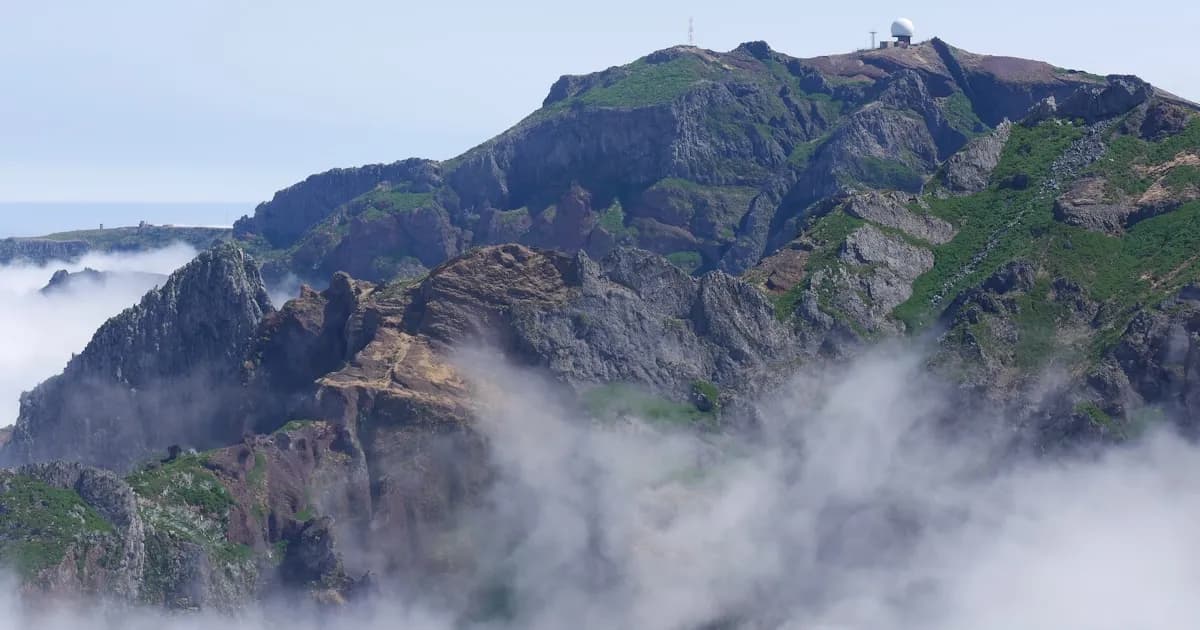
But Madeira's hiking network is on another level entirely. Over 2,000 km of levada trails — footpaths following centuries-old irrigation channels through UNESCO-listed laurel forests, past waterfalls, and along vertigo-inducing cliff edges — create a walking experience that exists nowhere else on earth. The summit hike from Pico do Arieiro to Pico Ruivo (1,862 m) is one of Europe's great mountain walks. And because Madeira is compact, you can do a different world-class hike every day of your trip without ever driving more than an hour.
Gran Canaria's hiking is good. Madeira's is exceptional.
Winner: Madeira for variety, uniqueness, and the levada system.
Nightlife: Gran Canaria Takes the Crown
If evenings out matter to you, Gran Canaria is the stronger choice. Las Palmas has a genuinely vibrant bar and club scene — the Vegueta old town and Santa Catalina area come alive after dark, and the Yumbo Centre in Playa del Ingles is one of Europe's most famous nightlife districts. Beach bars, rooftop cocktails, live music — it's all there.
Madeira's evening scene is quieter and more refined. Funchal offers wine bars, poncha houses, and atmospheric restaurants, but it's not a nightlife destination. You'll have lovely evenings, just not late ones. If you're the kind of traveller who measures a holiday by dinner conversations rather than dance floors, Madeira won't disappoint.
Winner: Gran Canaria for parties. Madeira for character.
Food: A Genuine Tie
Both islands punch above their weight in the kitchen.
Madeira's stars are espetada (beef grilled on a laurel wood skewer), bolo do caco (garlic flatbread), fresh espada (black scabbardfish) served with banana, and poncha — the island's potent cocktail of aguardente, honey, and citrus. Pair everything with a glass of Madeira wine, one of Europe's oldest fortified wines.
Gran Canaria counters with papas arrugadas (wrinkled potatoes) served with spicy mojo rojo and herby mojo verde, fresh tuna from the local fleet, and a broader Spanish culinary tradition that includes excellent tapas culture. The cheese from the island's interior — particularly queso de flor — is outstanding.
Both islands serve exceptional fresh fish, both have strong local wine traditions, and both will have you eating remarkably well on a modest budget.
Winner: A tie. Different traditions, equal quality.
Cost: Madeira Edges Ahead
Madeira is generally 10-20% cheaper than Gran Canaria's tourist areas. Accommodation in Funchal is more affordable than equivalent hotels in Las Palmas or the southern resorts. Dining out costs less — a full local meal in Madeira typically runs €10-15 per person, while Gran Canaria's tourist zones push closer to €15-25. Car rental rates are comparable, though Madeira's compact size means you'll spend less on fuel.
Gran Canaria's package holiday infrastructure can offer bargain all-inclusive deals, but once you step outside those resorts, day-to-day spending adds up. Madeira feels less commercialised, with fewer tourist traps and more genuine local pricing.
Adventure activities on Madeira offer strong value. All Adrenaline Adventures experiences include professional equipment, safety briefing, and scenic UTV transfers — see our prices for details.
Winner: Madeira for everyday costs and value.
Nature and Biodiversity: Madeira's Secret Weapon
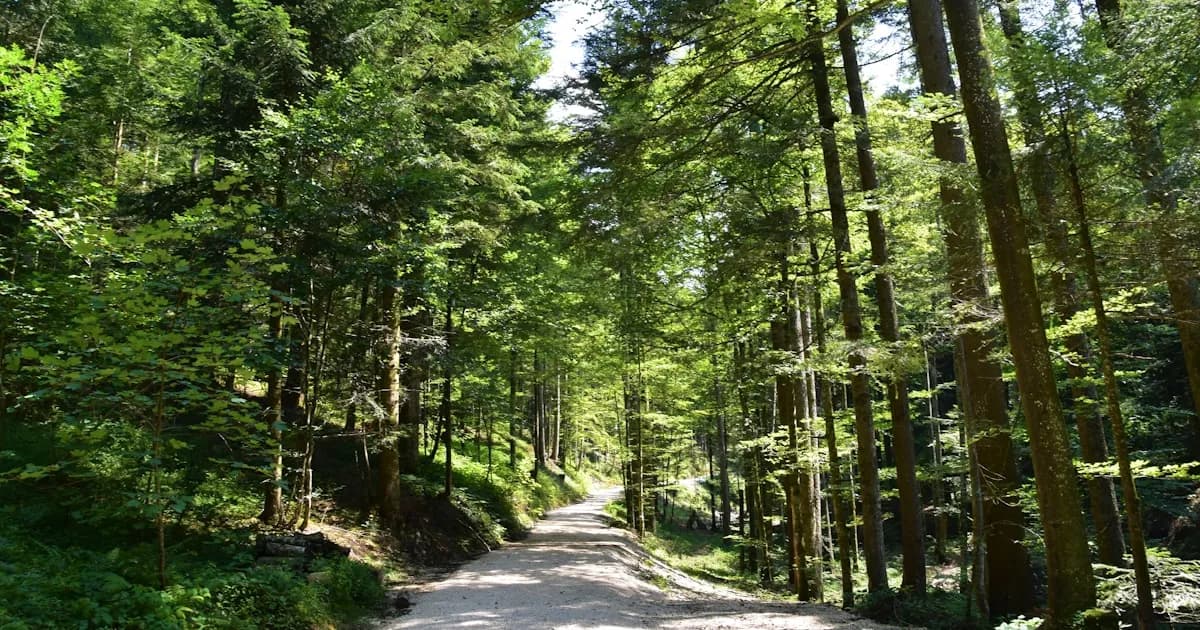
Gran Canaria has impressive landscapes — the dunes, the volcanic interior, the pine forests — but Madeira's biodiversity is extraordinary for an island its size. The Laurissilva forest, a UNESCO World Heritage Site, is the largest surviving laurel forest in the world — a relic of vegetation that covered southern Europe millions of years ago. Walking through it feels prehistoric.
Madeira's waters are equally rich: dolphins, whales (including sperm whales), monk seals, and diverse marine life. The island's microclimates create an astonishing variety of ecosystems — from subtropical gardens at sea level to alpine-like conditions on the peaks — all within a 30-minute drive.
Gran Canaria's nature is beautiful but drier and less varied. Its star attraction, the Maspalomas dunes, is a stunning but relatively isolated natural feature.
Winner: Madeira, convincingly.
So Which Island Is for You?
Choose Gran Canaria if you want golden sand beaches, warm dry weather, lively nightlife, and the convenience of a well-established resort infrastructure. It's the better choice for pure beach holidays and travellers who want their evenings as full as their days.
Choose Madeira if you want concentrated adventure, world-class hiking, extraordinary nature, better value, and unique experiences — like flying over the Atlantic on a 1.6 km zipline — that you genuinely cannot find elsewhere. It's the better choice for active travellers, nature lovers, and anyone who prefers character over convenience.
The scorecard: Gran Canaria wins on beaches and nightlife. Madeira wins on adventure, hiking, nature, and value. For travellers who want to feel something rather than just see something, Madeira is the stronger choice.
Frequently Asked Questions
Is Madeira better than the Canary Islands?
Madeira wins for hiking, adventure activities, and authentic culture. The Canaries win for beaches and nightlife. Both have great year-round weather.
Is Madeira expensive compared to other islands?
Madeira is generally 10-20% cheaper than comparable European islands like Mallorca or Santorini, with better value for food and accommodation.
Can I island-hop from Madeira?
You can visit Porto Santo (2.5h ferry or 15min flight). For the Azores, SATA flies direct. The Canaries require connecting via Lisbon.
Which island is best for adventure?
Madeira leads Europe for adventure tourism with its zipline at 320m altitude, 2000km of levada trails, canyoning, and coasteering.
Read Also
- 25 Best Things to Do in Madeira — The ultimate activity guide for your Madeira trip.
- Madeira vs Canary Islands: The Full Comparison — How Madeira stacks up against the entire Canary archipelago.
- Top Adrenaline Activities in Madeira — From ziplines to canyoning, all the adventures the island offers.