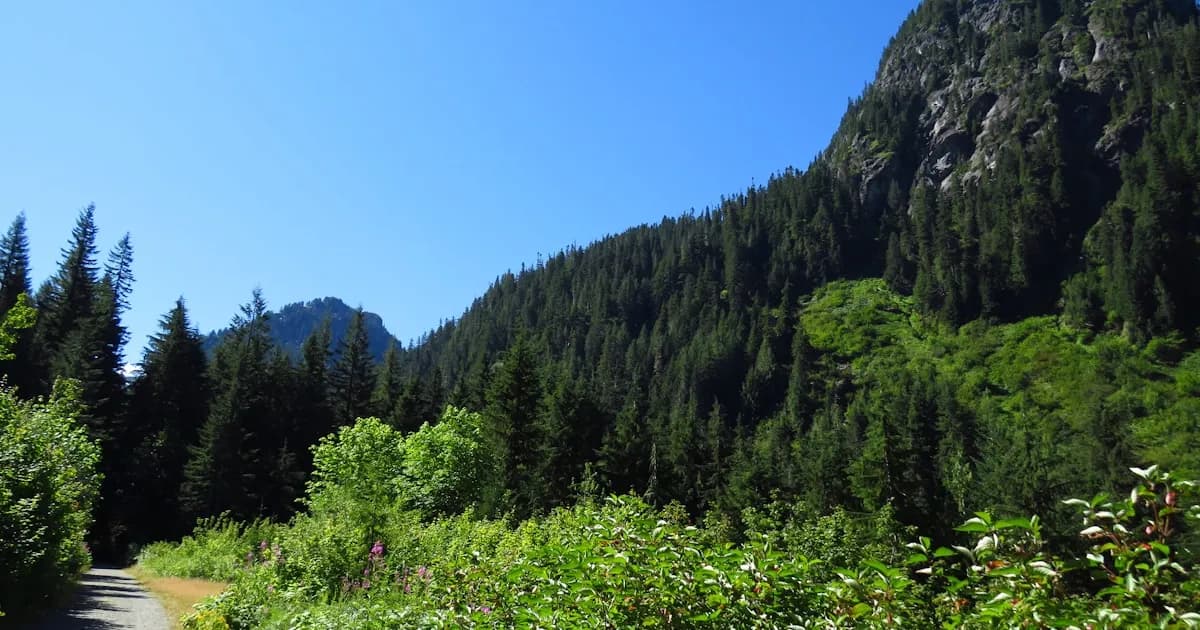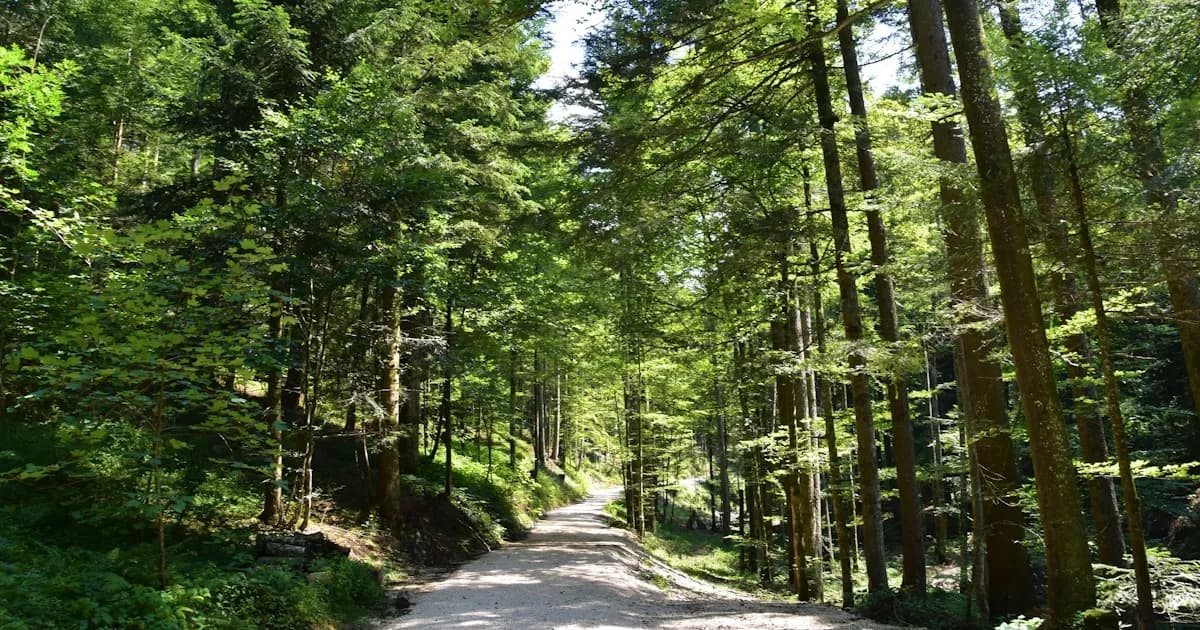
The Levada do Furado is one of Madeira's classic one-way walks. Officially designated PR10, this 11-kilometre trail follows an irrigation channel from the trout farm at Ribeiro Frio through dense UNESCO-listed laurel forest, descending gently to the village of Portela on the island's north-eastern side. It takes four to five hours at a comfortable pace and rewards you with some of the most pristine woodland scenery in all of Europe.
Trail Overview
Official route: PR10 — Levada do Furado | Distance: 11 km (one way) | Duration: 4–5 hours | Difficulty: Moderate | Elevation change: Mostly downhill, with minor undulations
The path is well-marked and follows a single levada channel for almost the entire distance. There are no technical sections, but the trail is narrow in places, the ground can be wet year-round, and there are a few short stretches with drops to one side. Sturdy hiking boots with good grip are essential.
Starting at Ribeiro Frio
The trail begins at the Ribeiro Frio trout farm, a small government-run hatchery on the ER103 road between Funchal and Santana. Most hikers arrive by car or bus (the Horários do Funchal route 56 stops here). There is a car park, a couple of restaurants, and public toilets — make use of them, because there are no facilities along the trail itself.
The trout farm is worth a quick look before you set off. Cold mountain water feeds open-air tanks where rainbow trout are raised, and the surrounding gardens are lush with endemic plants. From here, the levada trail is signposted on the left side of the road.
Before committing to the full 11 km, take the short Vereda dos Balcões detour. It branches off to the right just after the trout farm, and in roughly 20 minutes you reach a viewpoint overlooking the Ribeira da Metade valley and the central peaks. On clear mornings, the panorama stretches from Pico do Arieiro to Pico Ruivo. It is one of the easiest and most rewarding viewpoints in Madeira.
Through the UNESCO Laurel Forest
Once you rejoin the main levada and head north-east, the trail enters the Laurissilva — the ancient laurel forest that has covered Madeira's mountains for millions of years. This forest is a UNESCO World Heritage Site and one of the largest surviving areas of its kind anywhere in the world.
The canopy closes in overhead. Stinkwood, Madeira mahogany, and til trees tower above, their trunks wrapped in moss and ferns. Tree heather grows thick in the understory, and the air smells of damp earth and green growth. Light filters through in patches, giving the forest an almost cathedral-like quality.
The levada channel runs steadily beside you, carrying water from the island's rain-soaked interior to agricultural terraces on the coast. For long stretches the only sounds are flowing water, birdsong, and your own footsteps.
Birdlife Along the Trail
The laurel forest is home to some of Madeira's most distinctive birds, and the Levada do Furado is one of the best places to see them. Keep your eyes and ears open for:
- Madeira firecrest (Regulus madeirensis) — Madeira's only endemic bird species. Tiny, restless, with a bright orange-yellow crown stripe. It feeds in the canopy and is easier to hear than to see, but patience along quiet stretches of the levada often pays off.
- Trocaz pigeon (Columba trocaz) — Another Madeira endemic. A large, handsome pigeon with a silvery neck patch. It feeds on laurel berries and is most active in the early morning.
- Grey wagtail — Common along the levada channel itself, bobbing on rocks in the flowing water.
- Madeira chaffinch — A darker, more richly coloured subspecies of the common chaffinch, found only on this island.
If you are a keen birder, start early and move slowly. The first two kilometres from Ribeiro Frio, where the forest is densest, tend to be the most productive.
The Trail Itself
The route is straightforward to follow — you simply walk alongside the levada. The path is mostly flat or gently descending, though there are a few short climbs where the channel crosses ridges or dips into side valleys. Expect:
- Narrow sections with low walls or wire railings on the valley side
- Short tunnels — one or two require ducking but not a torch
- Wooden bridges over small ravines
- Wet and muddy patches, especially after rain or in the early morning
The scenery shifts subtly as you move north-east. The dense laurel forest gradually opens out, with views appearing through gaps in the canopy — first of deep green valleys, then of the coast and the ocean beyond. By the time you approach Portela, the landscape is more open, with terraced farmland and scattered houses replacing the ancient woodland.
Arriving at Portela
The trail ends at Portela, a small pass between Machico and Porto da Cruz with a restaurant, a viewpoint, and a bus stop. The panoramic view from here looks north over Porto da Cruz and the dramatic Penha de Águia rock formation — a fine reward after several hours in the forest.
Since this is a one-way walk, you need to arrange transport back to your starting point or accommodation. Options include the Horários do Funchal bus from Portela, a pre-booked taxi, or leaving a second car at the end point. Many hikers find it easiest to take a taxi from Portela down to Machico and catch a bus from there.
Best Season for the Levada do Furado
The trail is walkable year-round, which is one of its great advantages. That said, each season has its character:
- Spring (April–June): The forest is at its greenest, wildflowers line the path, and bird activity peaks during the breeding season. Mild temperatures make for comfortable walking.
- Summer (July–September): Warmer and drier, though the forest canopy keeps the trail pleasantly cool even on hot days. This is peak tourist season, so start early to avoid crowds.
- Autumn (October–November): Quieter, with beautiful light filtering through the canopy. Occasional rain showers keep the forest lush.
- Winter (December–March): The trail can be wet and muddy, and cloud may sit low in the forest, creating an atmospheric but limited-visibility walk. Rain gear is essential.
Practical Tips
- Water and snacks: Carry at least 1.5 litres of water per person. There are no shops or cafes between Ribeiro Frio and Portela.
- Footwear: Waterproof hiking boots with ankle support are strongly recommended. The path is frequently wet.
- Layers: Even in summer, the forest can be cool. Bring a light fleece or windbreaker.
- Start time: Aim to begin by 9:00 at the latest in summer to avoid the busiest period on the trail.
- Phone signal: Patchy to non-existent in the forest interior. Download an offline map before you go.
Combine Your Hike with a Zipline
After four to five hours immersed in ancient forest, why not cap the day with a burst of adrenaline? The zipline and giant swing at Adrenaline Adventures in Porto Moniz offer a completely different way to experience Madeira's landscape — soaring over the Atlantic coastline at up to 110 km/h on a 1.6 km zipline. It is the perfect contrast to a morning spent in quiet woodland, and many of our guests tell us that combining a levada hike with our zipline makes for the ultimate Madeira adventure day.
Check Prices and Book Your ZiplineThe Levada do Furado is not the most famous walk in Madeira, and that is part of its charm. It offers a genuine immersion in the island's ancient laurel forest without the crowds of the 25 Fontes or the physical demands of the Pico do Arieiro ridge. If you want to understand what makes Madeira's natural heritage so special, this is one of the finest ways to do it.
Frequently Asked Questions
Are levada walks dangerous?
Most levada walks are safe and well-maintained. Some trails have narrow sections and tunnels — bring a torch and wear proper hiking shoes.
Do I need a guide for hiking in Madeira?
Well-marked PR trails can be done self-guided. For challenging routes like Pico Arieiro to Pico Ruivo, a guide adds safety and local knowledge.
What should I bring on a levada walk?
Waterproof jacket, hiking boots, water (1.5L minimum), snacks, headtorch for tunnels, and sun protection.
When is the best season for hiking?
April to June and September to October offer the best conditions — mild temperatures, less rain, and fewer crowds.
Read Also
- Best Hikes and Levadas in Madeira — Our complete guide to the top 8 trails on the island.
- Things to Do in Santana — Explore the region where the Levada do Furado begins.
- Outdoor Adventures in Madeira 2026 — From ziplines to canyoning, the full adventure menu.