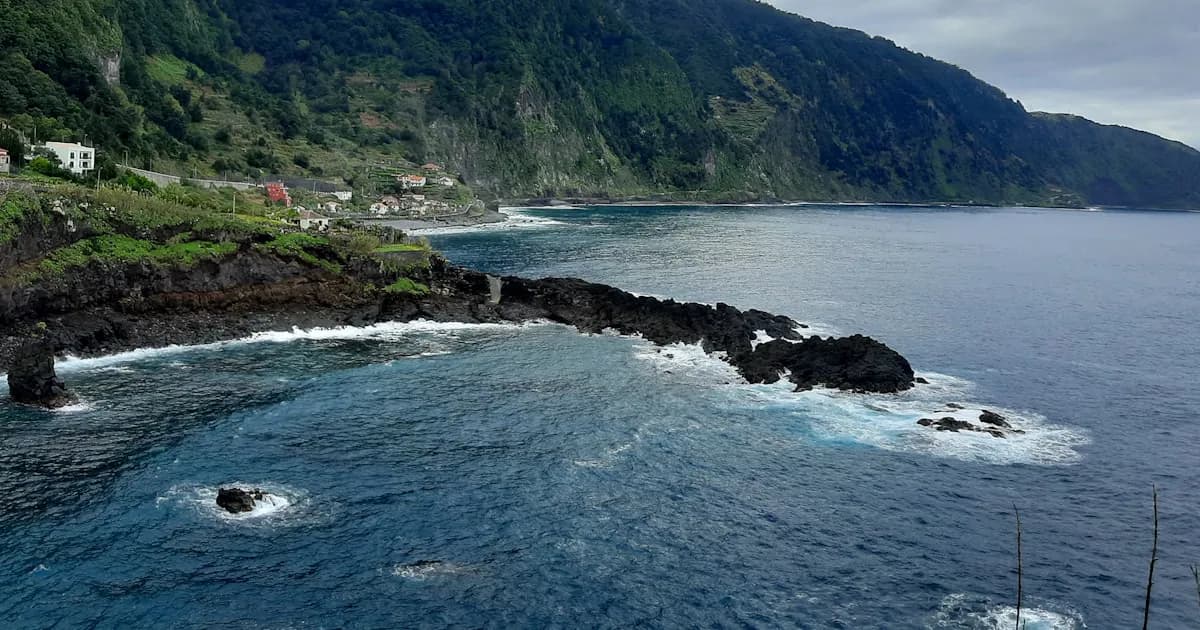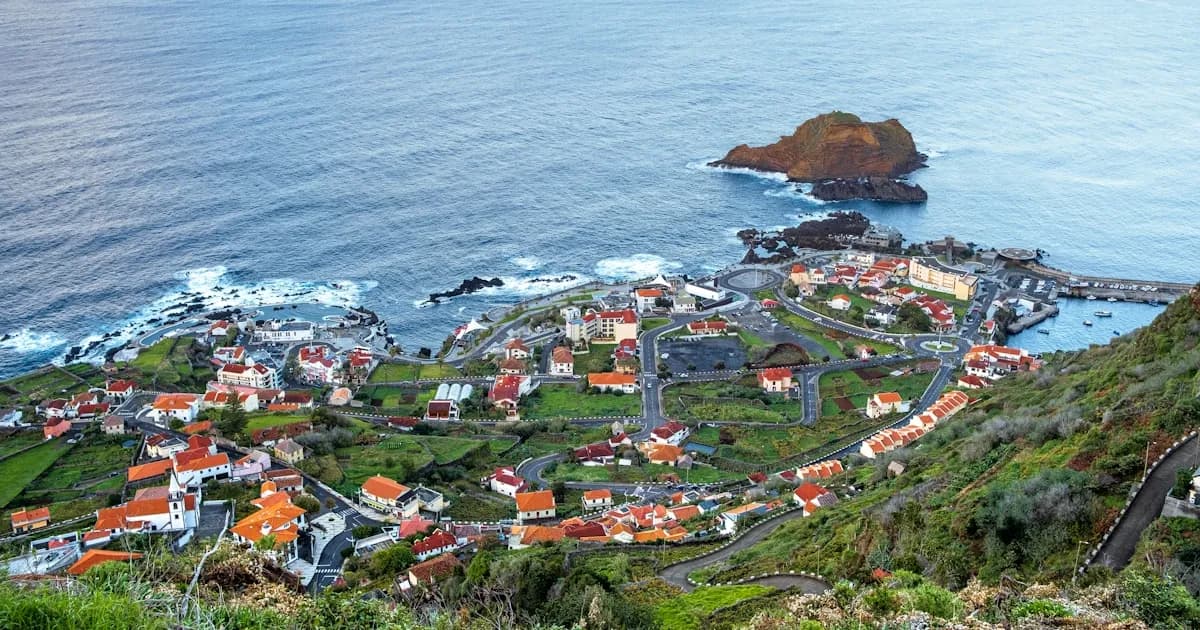
Santana is one of those places that feels like stepping into a different era. Tucked into Madeira's lush northern coast, this charming municipality is famous for its colourful A-frame houses, deep green valleys, and some of the island's most rewarding hiking trails. Whether you come for the culture, the nature, or the adventure, Santana delivers on all fronts.
A UNESCO Biosphere Reserve
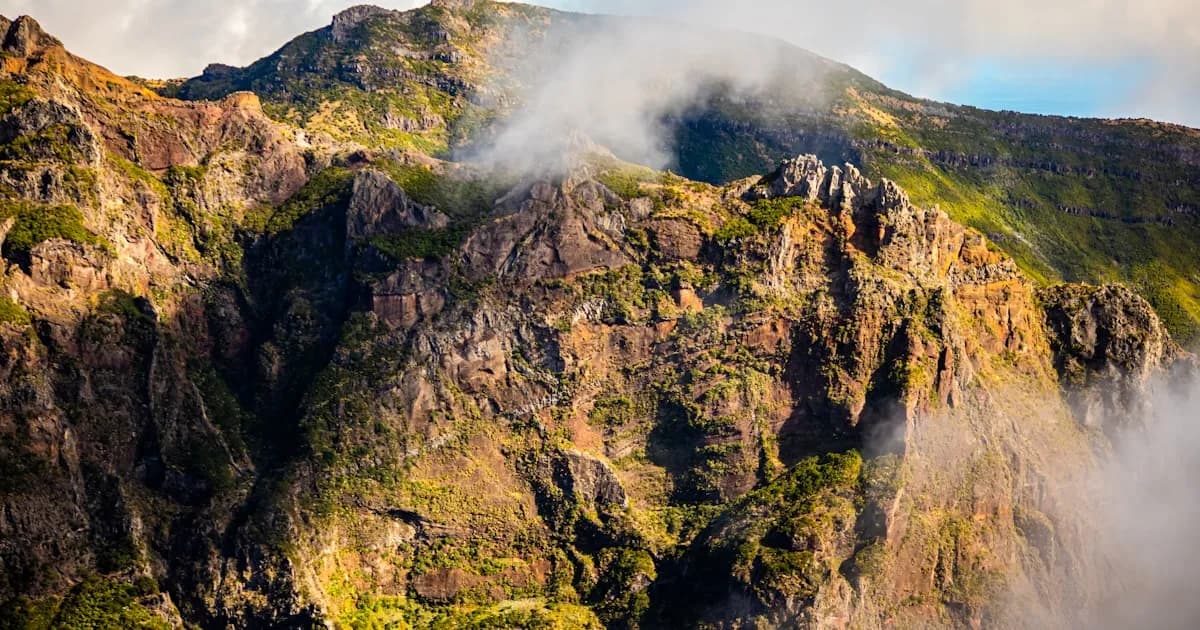
The entire municipality of Santana has been classified as a UNESCO Biosphere Reserve since 2011. This recognition covers a remarkable stretch of territory — from the highest peaks of the Madeira Central Massif down to the Atlantic shoreline — and protects some of the most biodiverse landscapes in the Macaronesian region. Ancient laurel forest (laurissilva), endemic species, and pristine mountain ecosystems make Santana far more than a pretty village. It is a living laboratory of Atlantic island ecology.
The Traditional A-Frame Houses (Palheiros)
Santana's most photographed attraction is its traditional triangular thatched houses, known as palheiros or casas de colmo. These small, brightly painted A-frame structures with straw roofs were once common across rural Madeira, but today only a handful survive — most of them carefully preserved in Santana's town centre. With their red doors, blue trim, and white walls, they have become an unofficial symbol of the island. Several are open to visitors and house small exhibitions about rural Madeiran life.
The best-preserved palheiros sit in the centre of Santana village, right along the main road. Entry is free, and you can explore the interiors to see how families once lived in these compact spaces.
Queimadas Forest Park
Just a short drive above Santana, Queimadas Forest Park is the starting point for some of Madeira's finest walks. The park itself is a beautifully maintained picnic area surrounded by ancient laurel trees, Japanese cedars, and hydrangeas. The air here is noticeably cooler and fresher than on the coast, and the atmosphere feels almost enchanted. It is the perfect spot for a quiet lunch before or after a levada hike.
Levada do Caldeirão Verde
Starting from Queimadas, this is one of the most celebrated walks in all of Madeira. The 13-kilometre round trip follows a centuries-old irrigation channel through dense laurissilva forest, past vertical cliff faces, and through four short tunnels (bring a torch) before arriving at a hidden valley where a waterfall plunges into an emerald-green pool surrounded by sheer rock walls. The trail is moderate in difficulty and takes around four to five hours. For those wanting more, the path continues to Caldeirão do Inferno — a wilder, more remote waterfall further up the gorge.
Start early. The Caldeirão Verde trail gets busy by mid-morning in high season. An early start also gives you the best chance of seeing the valley bathed in morning light.
Rocha do Navio Cable Car
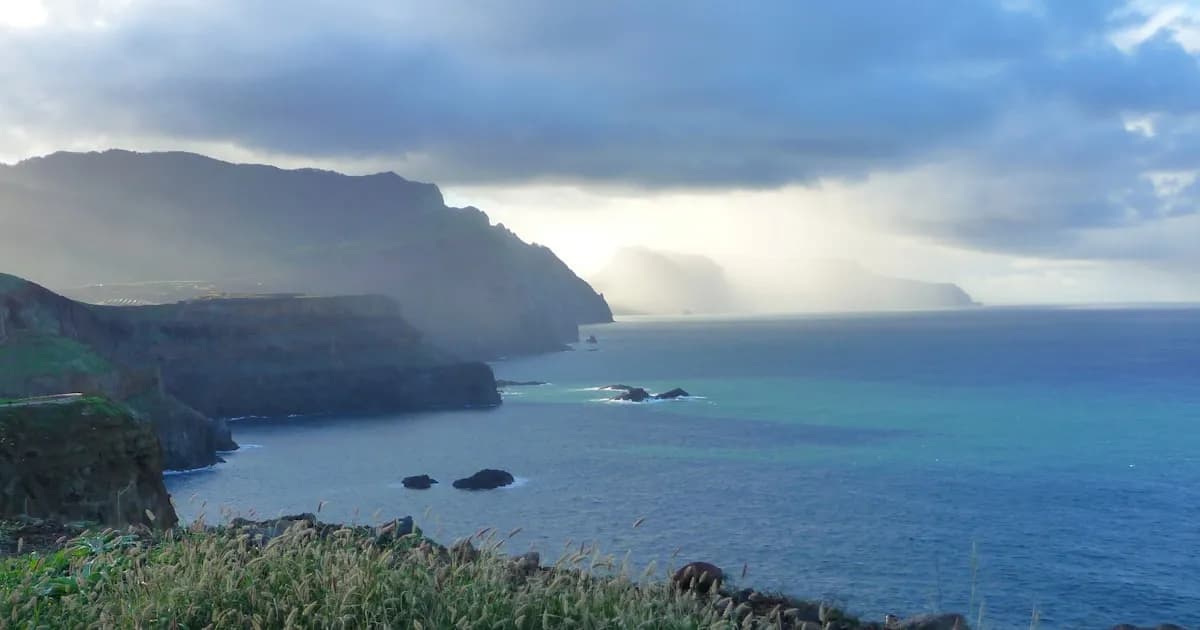
On the coast below Santana, the Rocha do Navio Nature Reserve is accessible by a short cable car ride that drops you from the clifftop to a rocky shoreline and a small agricultural area maintained by local farmers. The descent offers dramatic views of the vertical sea cliffs and the islets offshore. Once at the bottom, you can walk along the coastal paths, swim in natural rock pools (conditions permitting), and enjoy one of the most secluded spots on the island. The cable car runs daily and costs just a few euros.
Madeira Theme Park (Parque Temático da Madeira)
Located on the outskirts of Santana, the Madeira Theme Park is a family-friendly attraction that combines interactive exhibits, gardens, and traditional architecture. Spread across a large hillside site, it explores the island's history, geology, culture, and traditions through multimedia pavilions, a lake with rowing boats, a small maze, and replica traditional buildings. It is a pleasant way to spend a couple of hours, especially with children, and offers a solid overview of Madeiran heritage.
Pico Ruivo — Madeira's Highest Peak
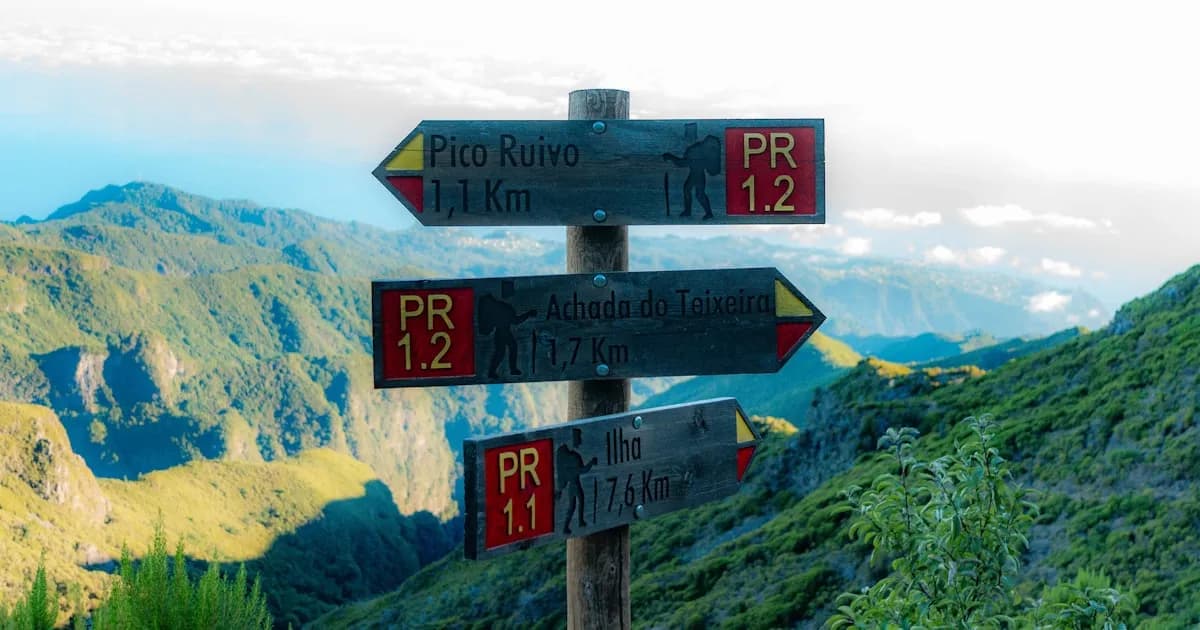
Santana serves as one of the main access points for Pico Ruivo, the highest peak on Madeira at 1,862 metres. The trail from Achada do Teixeira (a car park in the Santana municipality) is the shortest and easiest route to the summit — just 2.8 kilometres each way, taking about 45 minutes to an hour. On clear days, the panoramic views from the top stretch across the entire island and out to Porto Santo. It is one of the most rewarding short hikes anywhere in Europe.
Local Gastronomy
Santana's restaurants serve some of the most authentic traditional Madeiran food on the island. Look for espetada (beef skewered on laurel sticks and grilled over wood embers), bolo do caco (garlic bread made from sweet potato dough), and freshly caught fish. The local sidra (cider) is a regional speciality worth trying — Santana is one of the few places on Madeira where apples grow abundantly thanks to the cooler mountain climate. For a genuine local experience, visit during one of the village festivals where food stalls line the streets.
Combine with a Porto Moniz Zipline
Santana and Porto Moniz sit on opposite sides of Madeira's mountainous interior, connected by one of the island's most scenic drives across the Paul da Serra plateau. After a morning exploring Santana's houses and hiking a levada, consider heading west for an afternoon of pure adrenaline. The Adrenaline Adventures zipline in Porto Moniz — one of Europe's highest at 320 metres altitude, reaching speeds of 110 km/h over 1.6 km — is the perfect way to cap off a day that started with culture and nature.
Check Zipline Prices and Book Your RidePractical Tips for Visiting Santana
- Getting there: Santana is approximately 35 minutes by car from Funchal via the VE1 motorway and the ER101. There is no direct bus service that is practical for tourists, so a rental car is strongly recommended.
- Best time to visit: Spring (April–June) for wildflowers and mild weather; autumn for fewer crowds. The levadas are accessible year-round, though winter can bring rain and cloud at altitude.
- What to bring: Comfortable walking shoes, a waterproof jacket, a torch for tunnel sections on levada trails, and a camera.
- Time needed: A full day allows you to see the village, hike a levada, and visit one or two additional sites. Two days give you a more relaxed pace and time to reach Pico Ruivo.
A Day Well Spent
Santana is one of Madeira's most complete destinations — a place where Madeiran tradition, UNESCO-protected nature, and genuine mountain adventure come together in a single visit. Start with the iconic houses, hike to a hidden waterfall, ride a cable car down to the sea, and finish the day soaring over the Atlantic on a zipline. It is hard to imagine a better day on the island.
Plan Your Madeira AdventureFrequently Asked Questions
How many days do I need in Madeira?
A minimum of 5-7 days to see the highlights. Two weeks lets you explore every corner at a relaxed pace.
Do I need a car to get around?
A rental car gives you the most freedom, especially for the north coast and mountains. Funchal is walkable, and buses connect major towns.
What is the best area to stay?
Funchal for first-timers with the most restaurants and nightlife. Porto Moniz or Ponta do Sol for nature lovers seeking quiet.
Is Madeira expensive?
Madeira offers excellent value compared to other European islands. Budget travellers can manage on €40-60 per day.
Read Also
- Things to Do in Madeira: Ultimate Guide — The complete guide to the best activities and experiences on the island.
- Best Hikes and Levadas in Madeira — Top trails from easy levada walks to challenging mountain routes.
- Best Viewpoints in Madeira — The most spectacular panoramic spots across the island.