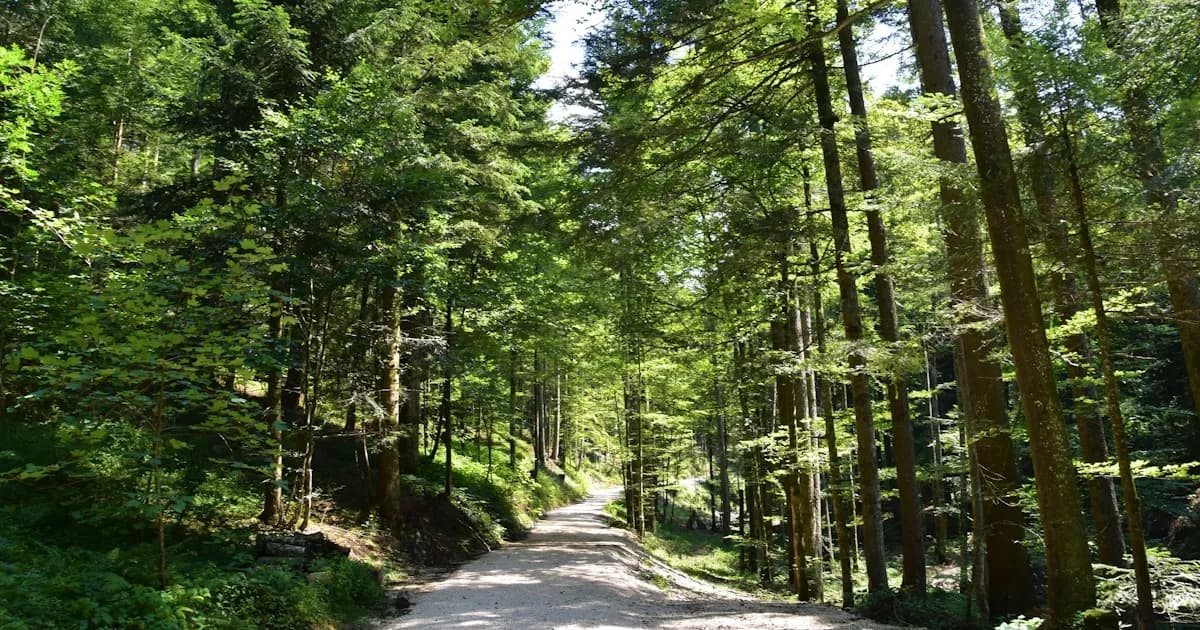
Madeira has dozens of levada walks, but few feel as wild and untouched as Levada do Rei. Known in English as the King's Levada, this trail on the island's north coast leads through some of the most pristine laurel forest remaining in Europe — a living relic of the subtropical woodland that covered southern Europe millions of years ago. It ends at a waterfall hidden in a mossy ravine, and the chances are you will have it mostly to yourself.
If the famous 25 Fontes trail feels too busy for your taste, this is where you should go instead.
Trail Overview: PR18 Levada do Rei
Difficulty: Easy to Moderate | Distance: 10 km (round trip) | Duration: 3 hours | Trail code: PR18
The Levada do Rei is an out-and-back walk that follows an irrigation channel through dense, ancient forest. The path is mostly flat — you are walking alongside a levada, after all — with only minor elevation changes. The surface alternates between compacted earth, stone, and the narrow levada wall itself. There are no tunnels and no exposed cliff edges, which makes it one of the more accessible levada walks on the island.
The turnaround point is a small but beautiful waterfall cascading into a fern-lined pool at the head of a narrow valley. Most walkers stop here, take photographs, and return the same way.
The name "Levada do Rei" — the King's Levada — is said to honour a visit by King Carlos I of Portugal in 1901. Whether the monarch actually walked the full trail is debatable, but the name stuck.
Getting There: Starting from Ribeiro Bonito
The trailhead is at Ribeiro Bonito, a small settlement above the village of São Jorge on Madeira's north coast. From Funchal, the drive takes approximately 45 minutes via the VE1 motorway and then the ER101 coastal road. From Porto Moniz, it is roughly 35 minutes along the north coast.
There is a small car park at the trailhead with space for around 15 cars. A signboard marks the start of PR18, and the path is well-waymarked throughout with the standard yellow-and-red blazes of Madeira's official trail network.
São Jorge itself is a quiet, traditional village worth a brief stop. The parish church dates from the 18th century, and there are a couple of local cafes where you can grab a coffee and a bolo de mel before or after your walk.
Walking Through Primeval Laurel Forest
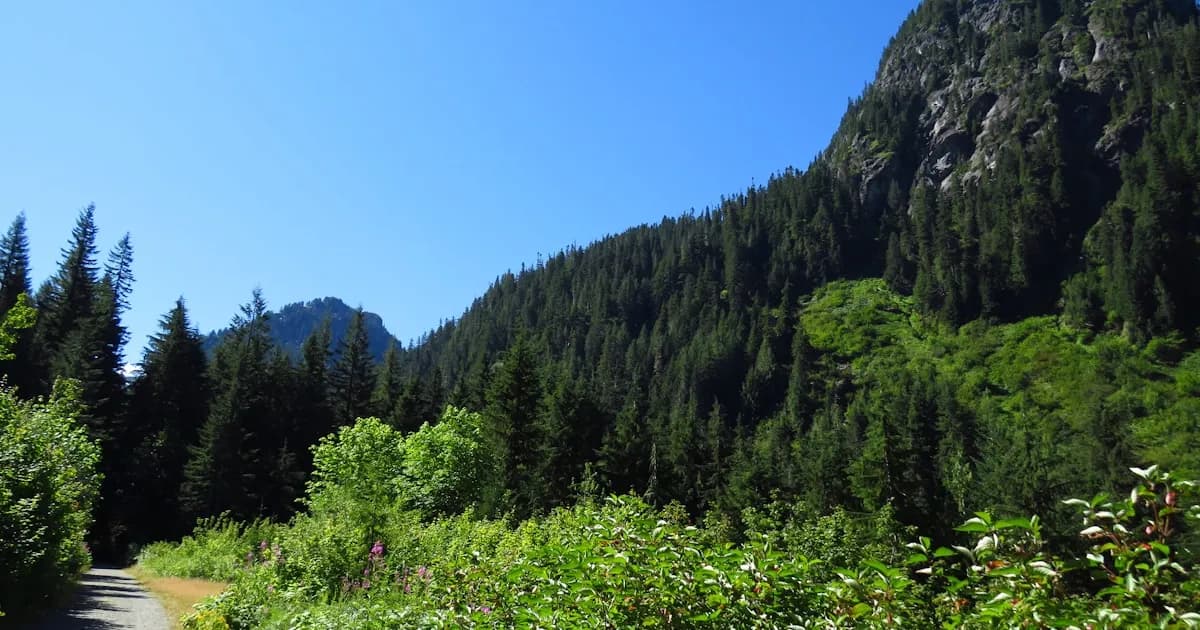
The real attraction of Levada do Rei is not the destination — it is the journey. Within minutes of leaving the trailhead, the path plunges into dense laurel forest that has barely changed in thousands of years.
This is part of the Laurisilva of Madeira, a UNESCO World Heritage Site since 1999. The forest here is classified as primary — meaning it has never been logged or significantly disturbed by humans. The trees are ancient. Stinkwood, Madeira mahogany, laurel, and lily-of-the-valley trees form a canopy so thick that even on bright days the trail feels shaded and cool. Ferns carpet the ground. Moss and lichen cover every surface — branches, rocks, the levada walls themselves.
The humidity is remarkable. Water drips constantly from overhead branches. The air smells of damp earth and green things growing. On misty mornings, which are common on the north coast, the forest takes on an almost otherworldly quality — visibility drops, sounds are muffled, and you feel genuinely immersed in a primeval landscape.
The north coast of Madeira tends to be cloudier and damper than the south, which is precisely why the laurel forest here is so lush. Do not be put off by overcast skies — the trail is actually at its most atmospheric in mist and light rain.
The Waterfall at the End
After roughly 5 kilometres, the trail narrows and the valley closes in. The levada channel ends at its source — a waterfall that drops into a small pool surrounded by vertical walls of rock and vegetation. It is not a towering cascade, but it is striking in its setting: a hidden pocket of green at the end of a long, quiet walk through ancient forest.
The rocks near the waterfall can be slippery, so take care when approaching. There is enough space for a few people to sit and enjoy the spot, which makes it an ideal place for a snack break before the return walk.
The return follows the same path, but do not expect it to feel repetitive. Walking in the opposite direction reveals details you missed on the way in — different angles of light, birds you hear more than see, the way water moves along the levada channel.
Bird Watching Along the Trail
Levada do Rei is one of the best bird-watching trails on Madeira. The undisturbed laurel forest supports several species that are difficult to find elsewhere.
- Madeira firecrest (Regulus madeirensis) — endemic to the island, this tiny bird with a bright orange-gold crown is commonly heard and occasionally spotted flitting through the canopy
- Trocaz pigeon (Columba trocaz) — Madeira's endemic pigeon, found only in laurel forest areas. You are more likely to hear its low cooing than see it
- Grey wagtail — often seen along the levada channel itself, picking insects from the water's edge
- Common chaffinch (Madeiran subspecies) — bolder than its mainland European cousin, often approaching walkers
- Eurasian sparrowhawk — occasionally glimpsed hunting through gaps in the canopy
Bring binoculars if you have them. The forest canopy can be dense, and many birds stay high in the branches. Early morning is the best time for bird activity, before other walkers arrive.
Why Levada do Rei Is Less Crowded Than 25 Fontes
Madeira's most popular levada walks — the 25 Fontes, Caldeirão Verde, and to some extent the Vereda dos Balcões — are concentrated in the central and western parts of the island, well-served by tour buses and easily accessible from Funchal. Levada do Rei sits on the north coast, slightly off the main tourist circuit, and receives a fraction of the foot traffic.
On a typical summer day, you might pass a dozen other walkers on the entire trail. Compare that with the 25 Fontes, where you can encounter hundreds. The quietness is not because the trail is inferior — it is because most visitors simply do not make it to this part of the island.
That relative solitude transforms the experience. Without queues at viewpoints or groups blocking the narrow path, you can walk at your own pace, stop to listen to the forest, and enjoy the waterfall without jostling for a photograph.
Best Season to Walk Levada do Rei
Levada do Rei can be walked year-round, which is one of the advantages of Madeira's mild climate. However, conditions vary by season:
- Spring (March–May): Wildflowers in bloom, comfortable temperatures, the forest at its greenest after winter rains. One of the best times to visit.
- Summer (June–September): Warmer and slightly drier, but the north coast retains its humidity. Mornings can be misty. The trail is busiest in August but still far quieter than southern trails.
- Autumn (October–November): Fewer visitors, pleasant temperatures, occasional rain showers that keep the forest atmospheric.
- Winter (December–February): Cooler and wetter, with more frequent mist. The forest is dramatic in these conditions but the path can be muddy. Sturdy waterproof boots are essential.
Regardless of season, start your walk in the morning. The north coast often clouds over by early afternoon, and morning light filtering through the canopy is part of what makes this trail special.
Practical Tips
- Footwear: Hiking boots with good grip. The path is often damp and sections along the levada wall can be narrow.
- Water and snacks: Carry at least one litre per person. There are no shops or facilities on the trail.
- Layers: The forest canopy traps moisture and blocks sun, making it noticeably cooler than open areas. A light waterproof jacket is wise even on sunny days.
- Camera: The forest is incredibly photogenic, especially in mist. A wide-angle lens captures the scale of the ancient trees.
- Time: Allow a full three hours. While the distance is not demanding, the beauty of the trail encourages slow walking and frequent stops.
Combine With a North Coast Drive and Zipline
Levada do Rei sits on one of Madeira's most scenic driving routes — the north coast road between São Vicente and Santana. After your morning walk, you have several options for the rest of the day.
Drive west along the coast to São Vicente, where you can explore the volcanic caves and visit the charming village centre. Continue further west and you reach Porto Moniz, famous for its natural volcanic pools — and home to the Adrenaline Adventures zipline and giant swing.
After a contemplative morning in ancient forest, there is something deeply satisfying about soaring over the Atlantic at 110 km/h on a 1.6 km zipline. It is the perfect contrast — the calm of the forest followed by the rush of pure adrenaline. The north coast drive from São Jorge to Porto Moniz takes about 40 minutes and is spectacular in its own right, winding along clifftops with views of the ocean far below.
View Zipline Prices and Book Your AdventureThe Levada do Rei is one of those walks that stays with you long after you leave Madeira. Not because of dramatic cliffs or record-breaking waterfalls, but because of the quiet, ancient beauty of a forest that has endured for millennia. Walk it slowly, listen carefully, and let the King's Levada remind you what wild Europe used to look like.
Frequently Asked Questions
Are levada walks dangerous?
Most levada walks are safe and well-maintained. Some trails have narrow sections and tunnels — bring a torch and wear proper hiking shoes.
Do I need a guide for hiking in Madeira?
Well-marked PR trails can be done self-guided. For challenging routes like Pico Arieiro to Pico Ruivo, a guide adds safety and local knowledge.
What should I bring on a levada walk?
Waterproof jacket, hiking boots, water (1.5L minimum), snacks, headtorch for tunnels, and sun protection.
When is the best season for hiking?
April to June and September to October offer the best conditions — mild temperatures, less rain, and fewer crowds.
Read Also
- Best Hikes and Levadas in Madeira — The top 8 trails on the island, from mountain peaks to gentle levada walks.
- Fanal Forest Guide: Madeira's Enchanted Laurel Forest — Explore the ancient UNESCO laurel forest with 800-year-old til trees and mystical fog.
- Things to Do in São Vicente — The complete guide to activities and attractions in São Vicente, on the north coast.