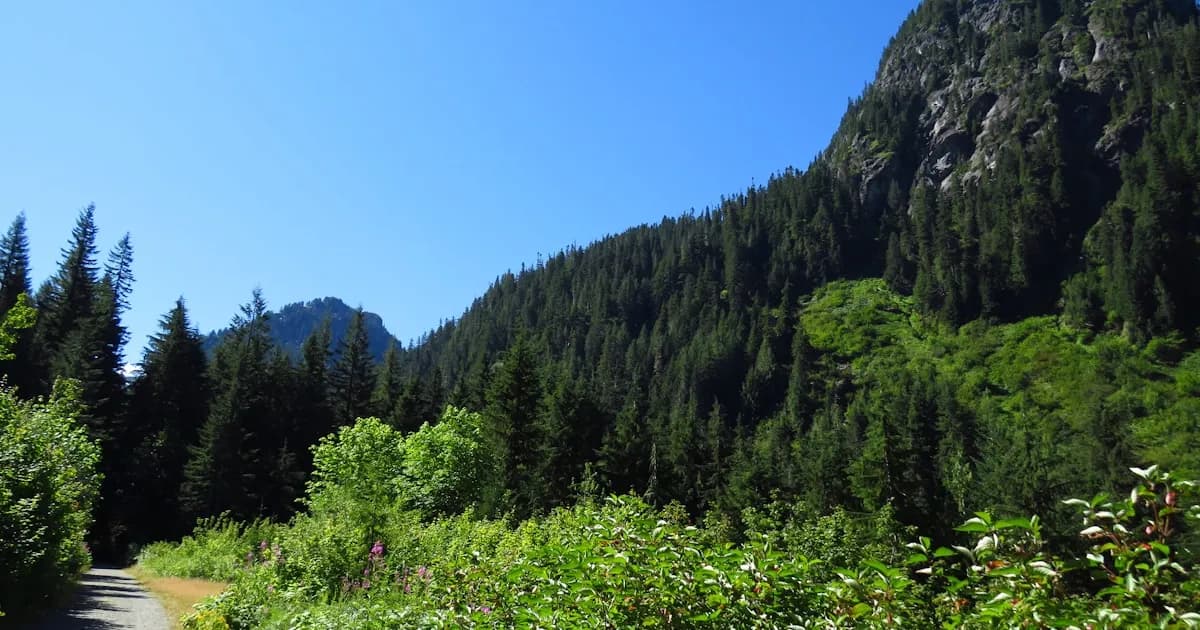
There is a place deep in the mountains of northern Madeira where a waterfall drops a hundred metres into a pool so green it looks like liquid emerald. The cliffs close in from every side, ancient laurel trees cling to the rock, and the only sound is falling water echoing off basalt walls. This is Caldeirão Verde — the Green Cauldron — and the levada walk that leads to it is one of the finest in all of Europe.
Trail Overview — PR9
| Detail | Info | |---|---| | Official name | PR9 — Levada do Caldeirão Verde | | Distance | 13 km (round trip) | | Duration | 5–6 hours (round trip) | | Elevation | Start ~880 m — mostly flat along the levada | | Start point | Queimadas, Santana | | Type | Out-and-back | | Trail markings | Yellow and red PR waymarks |
The PR9 is one of Madeira's officially designated trails and is maintained by the regional government. The path follows an irrigation channel — a levada — built in the 18th century to carry water from the mountains to the farmland below. Walking alongside it means the route is almost entirely flat, but the terrain around you is anything but gentle: sheer gorges, dense subtropical forest, and rock faces dripping with moisture at every turn.
The Route in Detail
Queimadas to the First Tunnel (3 km)
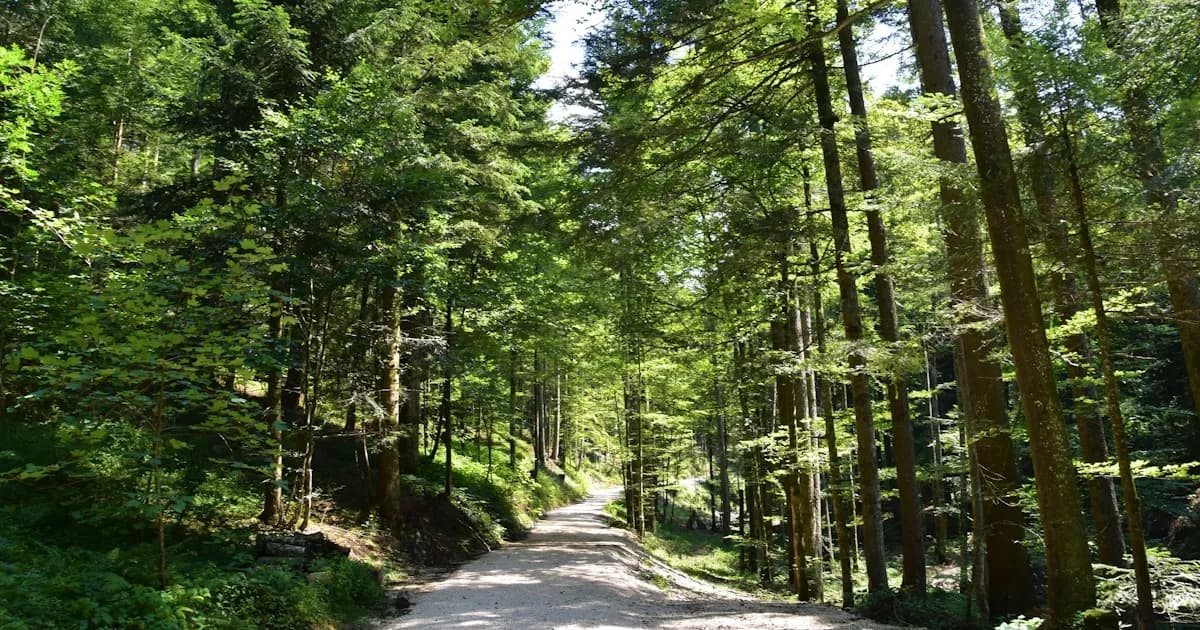
The trail begins at the Queimadas Forest Park in Santana, a peaceful starting point with traditional thatched-roof houses, picnic tables, and a small duck pond. From here, the path enters the laurel forest — a UNESCO World Heritage Site — and follows the levada channel through a green corridor of ancient trees. The first section is wide and gentle, perfect for warming up and taking in the atmosphere. Ferns taller than a person line the path and the canopy above filters the light into soft green shades.
The Four Tunnels
This is what sets the Caldeirão Verde apart from most levada walks. Between Queimadas and the final waterfall, the path passes through four tunnels carved directly through the mountain rock. They range from about 20 to over 100 metres in length.
A torch or headlamp is essential — the tunnels are completely unlit. The ground inside is uneven and wet, and ceilings are low in places. A waterproof jacket will protect you from dripping water overhead.
The tunnels add a sense of real adventure to the walk. Stepping from bright daylight into total darkness, hearing the echo of water and your own footsteps reverberating off the rock, and then emerging back into sunlight and the lush green valley — it is a memorable experience each time.
The Green Cauldron
After roughly 6.5 km, the levada path ends at a natural amphitheatre of vertical cliffs rising over 100 metres on all sides. A waterfall plunges from the top of the rock face into a deep lagoon of the most extraordinary green colour. The pool gets its hue from the minerals in the basalt and the algae on the rock, and on a sunny day it practically glows.
This is Caldeirão Verde — the Green Cauldron. It is one of those places that photographs cannot fully capture. The scale of the cliffs, the thundering sound of the waterfall, the mist on your skin, and the intense green of the water all combine into something that needs to be experienced in person.
There is a small viewing platform at the end of the trail where you can sit, eat, and absorb the scenery before heading back.
Extension — Caldeirão do Inferno
For hikers who want more, the trail continues beyond Caldeirão Verde to Caldeirão do Inferno (the Inferno Cauldron). This extension adds roughly 5 km round trip and about 2 extra hours. The path becomes narrower, wilder, and less travelled. You will pass through more tunnels — some longer and darker than those on the main route — and the vegetation grows thicker as you go deeper into the gorge.
Caldeirão do Inferno is even more secluded than its green counterpart. The waterfall here drops into a darker, more enclosed basin, and you are likely to have the place entirely to yourself. Only attempt this extension if you are comfortable with the main route and have enough daylight remaining.
The combined Caldeirão Verde and Caldeirão do Inferno route totals roughly 18 km and takes 7–8 hours. Start early if you plan to do both.
Difficulty — Moderate to Hard
The Caldeirão Verde levada is rated moderate to hard by the regional trail authority. Here is why:
- Length: 13 km round trip (or 18 km with the Inferno extension) is a full day's walk.
- Tunnels: Four dark, unlit tunnels with wet and uneven floors require confidence and a good torch.
- Exposure: Several sections have steep drop-offs beside the levada channel with no railing. The path is generally wide enough to be safe, but hikers who are uncomfortable with heights should be aware.
- Surface: The trail is mostly earth and rock, often wet and slippery from the constant moisture in the forest.
- Remoteness: Once you are deep in the gorge, you are far from any road or settlement. Mobile signal is patchy at best.
The trail does not involve significant climbing — it follows the levada and is therefore nearly flat. The difficulty comes from the distance, the tunnels, and the terrain rather than from elevation gain.
What to Bring
- Hiking boots with good grip — the trail is wet and muddy in many places, especially inside the tunnels.
- Torch or headlamp — absolutely essential for the tunnels. Bring spare batteries.
- Waterproof jacket — useful both for dripping water in the tunnels and for the chance of rain in the mountains.
- At least 1.5 litres of water per person and packed lunch or snacks. There are no shops or cafes on the trail.
- Sun protection — parts of the trail are exposed when the canopy opens up.
- Warm layer — temperatures in the mountain forest can be noticeably cooler than on the coast.
- Walking poles — optional but helpful for balance on slippery sections.
- Fully charged phone — for navigation and emergencies, though signal is limited.
Best Season
The Caldeirão Verde trail is accessible year-round, but conditions differ by season:
- April to October offers the best weather, with drier trails and longer daylight hours. Summer is the most popular period and you will share the path with other hikers, especially in the first few kilometres.
- May, June, and September are the sweet spot — pleasant temperatures, fewer crowds than July–August, and the laurel forest is at its most lush and green.
- November to March brings more rain, which makes the tunnels wetter and the trail muddier. However, the waterfalls are at their most powerful after heavy rain, and you will have the trail largely to yourself.
Start your hike early — by 8:00 or 9:00 AM at the latest. This gives you plenty of daylight, avoids the midday crowds, and means you can enjoy the Green Cauldron in relative peace before the main wave of hikers arrives.
Getting There — Queimadas, Santana
The trailhead is at Queimadas Forest Park, located above the town of Santana on Madeira's north coast.
- By car: From Funchal, take the VE1 motorway north to Santana (about 45 minutes), then follow signs to Queimadas. The last section is a narrow mountain road through forest. There is a car park at the trailhead, but it can fill up early in peak season.
- Without a car: Some guided tour companies offer transport and guided walks. Alternatively, a taxi from Santana to Queimadas is a short ride.
While you are in the area, Santana itself is worth a visit — its famous triangular thatched-roof houses, the Madeira Theme Park, and the views along the north coast are all excellent.
Combine with a Zipline Adventure
After a morning immersed in laurel forest and waterfalls, shift gears completely. The zipline at Adrenaline Adventures in Porto Moniz is one of the longest in Europe — 1.6 km over a dramatic valley, reaching speeds of up to 110 km/h, with the Atlantic Ocean stretching out ahead of you.
The contrast is what makes it special. One moment you are walking quietly through ancient forest listening to birdsong and falling water; the next, you are soaring through the air with the wind rushing past. It is the perfect way to combine Madeira's two greatest strengths — its extraordinary nature and its world-class adventure experiences.
The drive from Santana to Porto Moniz takes about 50 minutes along the scenic north coast road, making it easy to do the hike in the morning and the zipline in the afternoon.
View Zipline Prices and BookThe Caldeirão Verde is Madeira at its most magical — a place where water, rock, and forest come together in a setting that feels almost too beautiful to be real. Whether you stop at the Green Cauldron or push on to the Inferno, this walk will stay with you long after you have left the island.
Need Help Planning? Contact UsFrequently Asked Questions
Are levada walks dangerous?
Most levada walks are safe and well-maintained. Some trails have narrow sections and tunnels — bring a torch and wear proper hiking shoes.
Do I need a guide for hiking in Madeira?
Well-marked PR trails can be done self-guided. For challenging routes like Pico Arieiro to Pico Ruivo, a guide adds safety and local knowledge.
What should I bring on a levada walk?
Waterproof jacket, hiking boots, water (1.5L minimum), snacks, headtorch for tunnels, and sun protection.
When is the best season for hiking?
April to June and September to October offer the best conditions — mild temperatures, less rain, and fewer crowds.
Read Also
- Best Hikes and Levadas in Madeira — The top 8 trails on the island, from mountain ridges to canal-side walks through laurel forest.
- Things to Do in Santana — The complete guide to Madeira's charming north-coast town, from traditional houses to forest parks.
- Pico do Arieiro to Pico Ruivo Guide — Everything you need to know about Madeira's most iconic mountain hike.