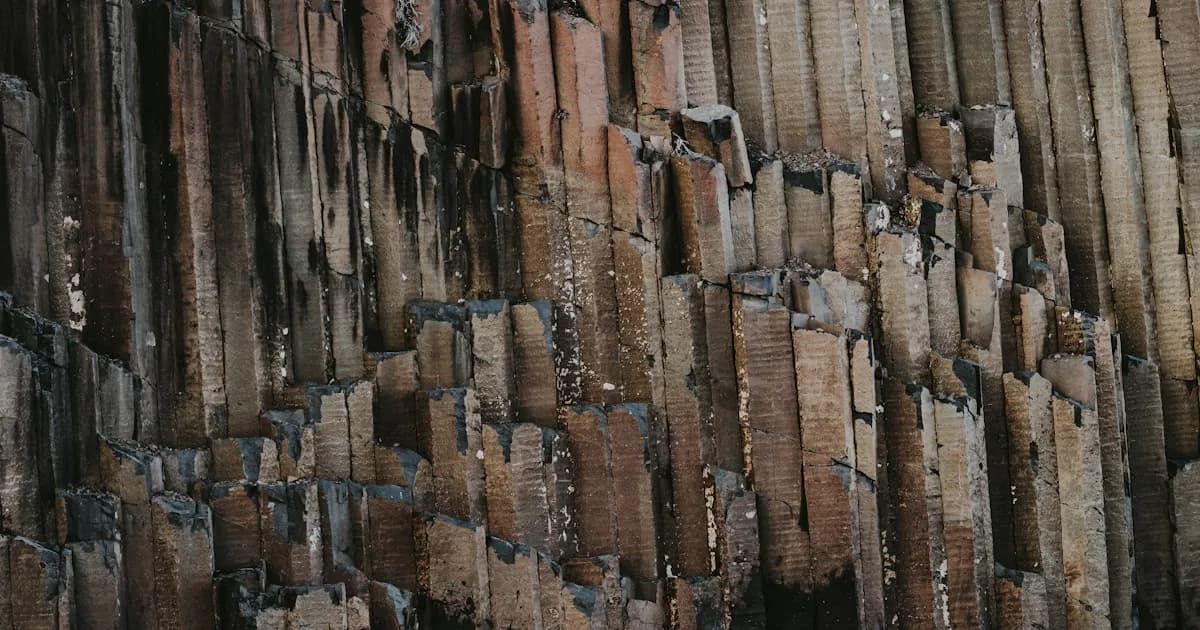
Madeira has more than 2,000 kilometres of trails threading through laurel forests, along irrigation channels and up volcanic ridges. Whether you follow a local guide or set out on your own, the island rewards every step with views that are hard to find anywhere else in Europe. But choosing between a guided hike and a self-guided walk is not just a matter of preference — it depends on the trail, your experience, the size of your group and how much of the island's story you want to uncover along the way.
Why Hiking in Madeira Is Different
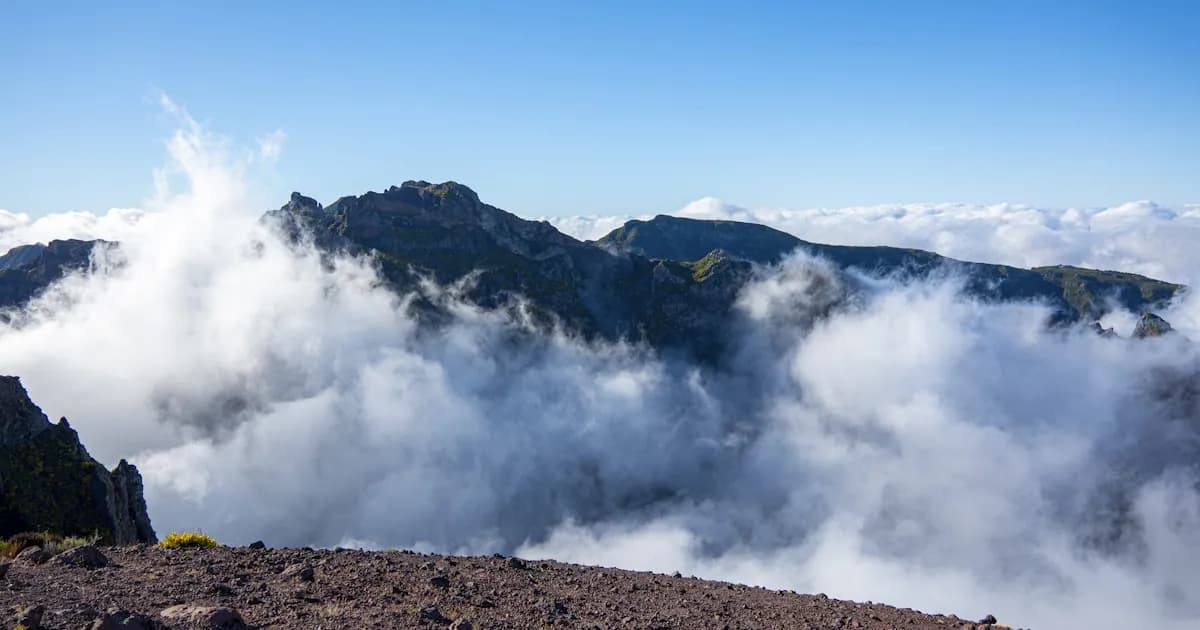
Before comparing the two approaches, it helps to understand what makes Madeira's trails unique. The levada system — hundreds of kilometres of irrigation channels dating back to the 15th century — creates a network of mostly flat paths that wind through terrain you would otherwise need mountaineering skills to reach. Mountain trails like the Pico do Arieiro to Pico Ruivo route, on the other hand, involve exposed ridges, steep drops and rapidly changing weather. This range means that some walks are perfect for independent exploration while others genuinely benefit from professional guidance.
Guided Hikes: Pros and Cons
The Advantages
Local knowledge you cannot get from an app. A good Madeira hiking guide does not just know the trail — they know the plants, the geology, the history of the levada system and the microclimates that shape every valley. They will point out things you would walk straight past: endemic orchids, volcanic rock formations, shortcuts that avoid crowded sections.
Safety on technical trails. Routes like Vereda do Pico Ruivo, the Caldeirão do Inferno extension, and certain stretches of the Levada do Alecrim have exposed sections where a wrong step has real consequences. A guide who walks these trails weekly knows exactly where to take extra care and can assess whether conditions are safe on any given day.
Weather decisions made for you. Madeira's weather changes within minutes at altitude. Experienced guides monitor conditions in real time and can reroute, shorten or extend a hike based on what the mountain is doing. This is especially valuable for first-time visitors who have not yet developed a feel for the island's weather patterns.
Group management. If you are travelling with family, a mixed-ability group or young children, a guide adjusts the pace and chooses rest stops that work for everyone. They also carry first-aid equipment and know evacuation routes.
Transport logistics. Many of Madeira's best hikes are point-to-point rather than circular. Guided tours typically include pick-up and drop-off, eliminating the need to arrange taxis or leave a car at one end.
The Drawbacks
- Cost. Guided group hikes in Madeira typically range from €25 to €60 per person, depending on the trail length, group size and what is included. Private guides charge more, usually €80 to €150 for a full day.
- Fixed schedule. You start and finish when the group does. Early risers who want to catch sunrise from Pico do Arieiro may find that guided tours depart later than they would like.
- Pace constraints. You walk at the group's speed, which may feel too slow if you are fit or too fast if you prefer a leisurely pace.
- Less spontaneity. You cannot decide mid-walk to take a detour, extend the route or sit by a waterfall for an extra half hour.
If you want the best of both worlds, book a private guide for the one or two trails that matter most to you and explore the easier levadas independently. This keeps costs reasonable while ensuring you have expert support where it counts.
Self-Guided Hikes: Pros and Cons
The Advantages
Complete freedom. You choose your start time, your pace, your lunch spot and how long to linger at viewpoints. For experienced hikers, this freedom is the whole point.
No cost beyond transport. Trail access in Madeira is free. Your only expenses are getting to the trailhead and back.
Solitude. Popular guided tours converge at the same times. Walking independently — especially starting early or late — means you can have even famous trails like the 25 Fontes largely to yourself.
Flexible itinerary. If the weather closes in at altitude, you can switch to a coastal walk. If you feel strong, you can extend from Caldeirão Verde to Caldeirão do Inferno on the spot.
The Drawbacks
- Navigation responsibility falls on you. While Madeira's PR (Pequena Rota) trails are well-marked with yellow and red blazes, some junctions are confusing, and weather can reduce visibility to a few metres.
- No local context. You will see the same landscapes but miss the stories behind them — why a particular levada was built, what that rock formation tells you about the island's volcanic past, which endemic species you just walked past.
- Safety is entirely your problem. If you twist an ankle on a remote trail, you need to manage the situation yourself. Mobile signal is patchy in many valleys.
- Transport planning. Point-to-point hikes require arranging return transport, which can be tricky in remote areas like Rabaçal or the north coast.
When to Hire a Guide
First-Time Visitors
If this is your first trip to Madeira and you have limited hiking experience, a guided walk on your first day or two is an excellent investment. You will learn how the trail system works, how to read weather signs and which routes match your ability — knowledge that makes every subsequent self-guided hike safer and more enjoyable.
Technical and Expert Trails
Some trails demand respect. The Pico do Arieiro to Pico Ruivo traverse, the Vereda da Encumeada, and any route involving the central massif above 1,500 metres can present real hazards: exposed ridges, loose rock, sudden fog, temperatures that drop sharply. Unless you are an experienced mountain hiker comfortable with navigation in poor visibility, a guide is the sensible choice here.
Groups and Families
Managing a group of mixed abilities on an unfamiliar trail is stressful. A guide takes that pressure away, keeps everyone safe and ensures the slower walkers enjoy the experience rather than feeling they are holding others back.
When You Want Depth, Not Just Distance
If you care about Madeira's natural history, endemic flora, geological story or the engineering behind the levada system, a knowledgeable guide transforms a walk into an education. The best guides on the island are genuinely passionate about what they share.
When Self-Guided Works Perfectly
Well-Marked PR Trails
Madeira's official PR (Pequena Rota) trails are maintained, signposted and graded by difficulty. Routes like PR6 — Levada das 25 Fontes, PR9 — Levada do Caldeirão Verde, PR18 — Levada do Rei and PR8 — Ponta de São Lourenço are straightforward to follow independently. The yellow and red trail markers are consistent, and the paths are well-trodden.
Experienced Hikers
If you have solid mountain experience, can read a topographic map, carry the right gear and make sensible weather-based decisions, you will be perfectly comfortable on the vast majority of Madeira's trails without a guide.
Short Levada Walks
Easy levadas near Funchal — such as the Levada dos Balcões (PR11) or the Levada do Furado (PR10) — are ideal for independent walking. They are mostly flat, well-maintained and close to populated areas with good mobile signal.
Essential Apps and Maps for Self-Guided Hiking
Going self-guided does not mean going unprepared. These tools make independent hiking in Madeira significantly safer and more enjoyable.
Offline Maps
- Komoot — Excellent trail database for Madeira with turn-by-turn navigation, elevation profiles and user reviews. Download the Madeira region for offline use before you leave your accommodation.
- AllTrails — Good for reading recent trail condition reports from other hikers. The offline maps feature requires a premium subscription.
- Maps.me — Free offline maps that include most levada trails. Less detailed than Komoot but reliable as a backup.
Official Resources
- WalkMe Madeira — The official Madeira tourism hiking app with GPS tracks for all PR-certified trails.
- VisitMadeira.com — Trail descriptions, difficulty ratings and current closure notices.
Navigation Tips
- Always download offline maps before heading out. Mobile signal is unreliable in valleys and at altitude.
- Carry a portable battery pack — GPS navigation drains your phone quickly.
- Take a screenshot of your planned route at the trailhead where you still have signal.
- If using paper maps, the 1:40,000 Kompass map of Madeira is the best available.
Trail conditions change seasonally. After heavy rain, some levada paths flood and landslides can block sections. Always check the VisitMadeira website or ask at your hotel before setting out on longer routes.
Safety Considerations for Both Approaches
Regardless of whether you hike with a guide or independently, these points apply to every walk in Madeira.
- Dress in layers. Temperatures can swing 10-15°C between the coast and the peaks. Carry a waterproof jacket even on sunny days.
- Wear proper footwear. Levada paths can be wet and slippery. Waterproof hiking boots with good grip are essential, not trainers or sandals.
- Carry enough water. There are no shops or cafes on most trails. Bring at least 1.5 litres per person for a half-day hike.
- Start early. Morning weather in the mountains is typically clearer. Cloud tends to build from midday.
- Tell someone your plan. If hiking solo, leave your intended route and expected return time with your accommodation.
- Know the emergency number. 112 works throughout Madeira for police, fire and ambulance.
- Respect trail closures. If a trail is closed, it is closed for a reason. Do not attempt to pass barriers.
Guided Tour Prices in Madeira
Here is what you can expect to pay for guided hiking experiences on the island.
| Type | Price Range | What Is Included | |------|------------|-----------------| | Group levada walk (half day) | €25–€35 | Guide, transport from Funchal, small group (8–12 people) | | Group mountain hike (full day) | €40–€60 | Guide, transport, packed lunch on some tours | | Private guide (half day) | €80–€120 | Dedicated guide, flexible itinerary, hotel pick-up | | Private guide (full day) | €120–€150 | Full-day tailored experience, all logistics handled |
Prices vary by season, with summer and Christmas/New Year being peak periods. Booking in advance is recommended for popular trails like the Pico do Arieiro to Pico Ruivo route, where guide availability can be limited.
Combine Hiking With a Guided Adventure Experience
If you enjoy guided outdoor experiences, consider pairing a hike with something completely different. At Adrenaline Adventures in Porto Moniz, you can add a zipline ride over one of Madeira's most dramatic valleys to your hiking itinerary. The entire experience is guided — from the safety briefing to the ride itself — and it gives you a perspective of the island's landscape that no trail can match.
A morning levada walk followed by an afternoon at Adrenaline Adventures makes for one of the best days you can have on the island. The team handles all the logistics, equipment and safety, so you just turn up and enjoy.
Check Prices and Book Your Guided AdventureFrequently Asked Questions
Do I need a guide for the Pico do Arieiro to Pico Ruivo hike?
You do not strictly need one if you are an experienced mountain hiker with proper gear and good weather. However, the trail has exposed sections, tunnels and can be disorienting in fog. First-timers to Madeira benefit greatly from having a guide on this route.
Are Madeira's levada walks safe to do alone?
Most levada walks on the official PR trail network are safe for independent hikers with reasonable fitness and proper footwear. Stick to well-marked trails, carry water and a waterproof layer, and check conditions before you set out.
How do I find a reliable hiking guide in Madeira?
Look for guides certified by the Instituto de Florestas e Conservação da Natureza or who operate through established tour companies. Check recent reviews on Google or TripAdvisor, and confirm that transport and insurance are included in the price.
Can I hike in Madeira year-round?
Yes. Madeira's mild subtropical climate allows hiking in every month. Winter brings more rain and shorter days but also fewer crowds and dramatic cloud formations. Summer is drier but busier, especially on popular trails.
What is the best trail to start with as a beginner?
The Levada dos Balcões (PR11) is perfect — short, flat, well-marked and ending at a spectacular viewpoint. From there, progress to the 25 Fontes (PR6) or the Levada do Rei (PR18).
Frequently Asked Questions
Are levada walks dangerous?
Most levada walks are safe and well-maintained. Some trails have narrow sections and tunnels — bring a torch and wear proper hiking shoes.
Do I need a guide for hiking in Madeira?
Well-marked PR trails can be done self-guided. For challenging routes like Pico Arieiro to Pico Ruivo, a guide adds safety and local knowledge.
What should I bring on a levada walk?
Waterproof jacket, hiking boots, water (1.5L minimum), snacks, headtorch for tunnels, and sun protection.
When is the best season for hiking?
April to June and September to October offer the best conditions — mild temperatures, less rain, and fewer crowds.
Read Also
- Best Hikes and Levadas in Madeira — The top trails on the island with difficulty levels, distances and insider tips.
- Adventure Safety Tips for Madeira — Essential safety advice for all outdoor activities on the island.
- Hiking Gear for Madeira — What to pack for levada walks and mountain hikes in Madeira.