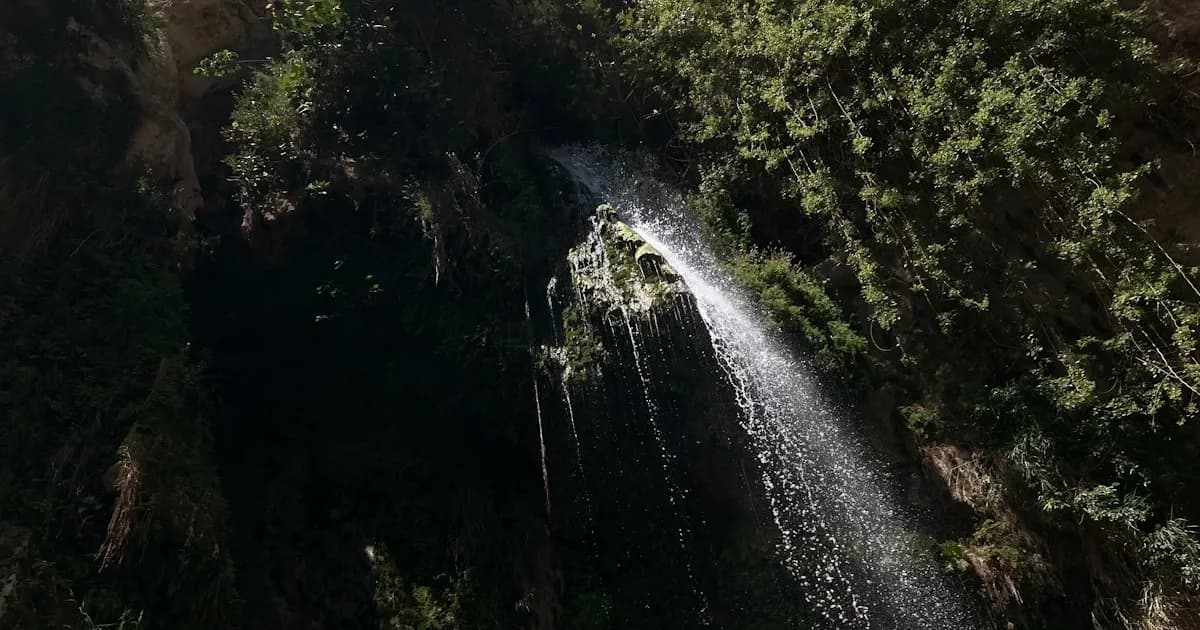
Imagine rappelling down a 30-metre waterfall, jumping into a crystal-clear rock pool carved by centuries of flowing water, and sliding down a natural water chute into a gorge so lush it feels like stepping into another era entirely. That is canyoning in Madeira — and it is one of the most unforgettable adventure experiences you can have anywhere in Europe.
Madeira's volcanic terrain, year-round water flow, and subtropical climate create conditions that are almost impossibly perfect for this sport. Whether you are a complete beginner looking for your first taste of vertical adventure or an experienced canyoneer seeking technical challenges, this island delivers.
What Is Canyoning?
Canyoning — also called canyoneering in North America — is the sport of exploring canyons using a combination of techniques: rappelling (abseiling) down waterfalls and rock faces, jumping into deep pools, swimming through narrow gorges, and sliding down naturally smoothed rock chutes. It sits at the intersection of hiking, climbing, and swimming, wrapped in some of the most spectacular natural scenery you will ever encounter.
Unlike rock climbing or mountaineering, canyoning is a descending sport. You start at the top of a canyon and work your way down, following the path the water has carved over millennia. Each canyon is a sequence of obstacles — waterfalls, pools, narrow passages, natural slides — that you navigate one by one with the help of ropes, harnesses, and a qualified guide.
No prior experience is required for beginner routes. If you can swim, walk on uneven terrain, and handle a moderate level of physical exertion, you can go canyoning.
Why Madeira Is a Canyoning Paradise
Volcanic Geology
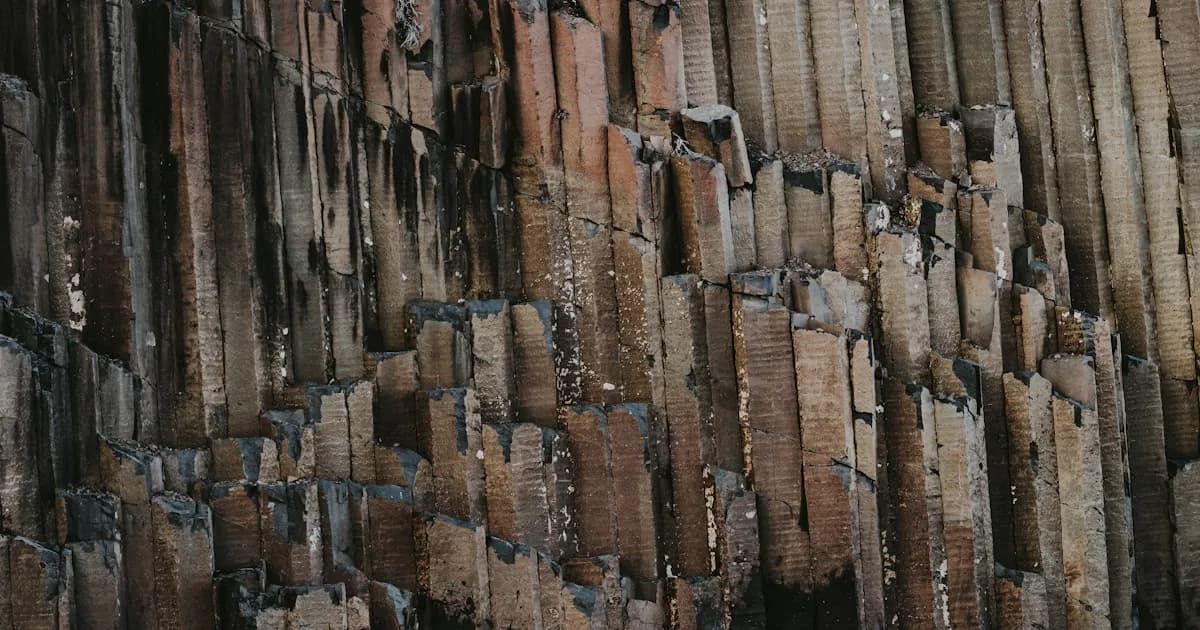
Madeira is a volcanic island that rose from the Atlantic Ocean millions of years ago. The result is a landscape of deep, narrow ravines — called ribeiras — cut into basalt and other volcanic rock. These ravines create natural vertical playgrounds with sheer walls, overhanging ledges, and perfectly shaped plunge pools. The rock is hard enough to be safe for rappelling but textured enough to provide good grip.
Year-Round Water
Thanks to its position in the Atlantic and its mountainous interior (Pico Ruivo reaches 1,862 metres), Madeira receives reliable rainfall throughout the year. The island's famous levada irrigation system exists precisely because of this abundance of water. For canyoning, this means the waterfalls and pools are active twelve months a year — though flow rates vary seasonally.
Subtropical Climate
Water temperatures in Madeira's canyons range from about 14 degrees Celsius in winter to 20 degrees in summer. Air temperatures rarely drop below 15 degrees even in January. Combined with the neoprene wetsuits provided by operators, this means canyoning is comfortable from spring through autumn and feasible even in the cooler months.
Accessibility
Most canyoning routes on the island are within 30 to 60 minutes' drive of Funchal. The approach hikes are generally short — 15 to 45 minutes — compared to mainland European canyons that can require hours of hiking just to reach the entry point.
The Best Canyoning Routes in Madeira
Ribeira das Cales — Best for Beginners
Difficulty: Beginner | Duration: 3–4 hours | Rappels: 5–7, up to 15 metres
Ribeira das Cales is where most people have their first canyoning experience in Madeira, and it is a superb introduction. The canyon features a series of moderate rappels, several jump opportunities (all optional), natural slides, and beautiful rock pools surrounded by lush vegetation. The rappels are short enough to feel manageable but long enough to deliver a genuine thrill.
The canyon is well-suited to families with teenagers and first-timers who want to test the waters — quite literally — before committing to something more challenging. Guides spend extra time here on technique instruction, ensuring everyone is confident with the equipment before tackling the descents.
Ribeira Funda — Intermediate Challenge
Difficulty: Intermediate | Duration: 4–5 hours | Rappels: 8–10, up to 25 metres
Ribeira Funda steps up the intensity with longer rappels, deeper pools, and a more committed feel. The canyon is narrower in places, creating dramatic gorge sections where the walls rise high on both sides and the light filters through in shafts. There are several jumps of 5 to 8 metres (always optional) and some swimming sections through pools that feel genuinely wild.
This is an excellent choice for anyone with a reasonable level of fitness who wants more than an introductory experience. Previous canyoning experience is helpful but not essential — a good guide will talk you through everything.
Ribeira do Lajeado — For the Experienced
Difficulty: Advanced | Duration: 5–7 hours | Rappels: 10+, up to 45 metres
Ribeira do Lajeado is the crown jewel of Madeira canyoning. It features rappels exceeding 40 metres — descending directly through thundering waterfalls — exposed traverses, and sections that demand confidence with rope work. The canyon is longer and more physically demanding, requiring sustained effort over several hours.
The reward is extraordinary. The scale of the waterfalls, the depth of the gorges, and the sheer wildness of the environment make Lajeado one of the most impressive canyoning experiences in all of Europe. This route is recommended only for people with previous canyoning experience or a high level of fitness and comfort with heights.
What to Expect During a Canyoning Trip
A typical canyoning half-day in Madeira follows this pattern:
-
Meeting point and briefing: You meet your guide at a designated location, usually a car park near the canyon. You receive your equipment and a thorough safety briefing covering rappelling technique, jump assessment, hand signals, and emergency procedures.
-
Approach hike: A walk of 15 to 45 minutes takes you to the canyon entry point. Guides use this time to check equipment fits and answer questions.
-
The descent: This is the main event. Over 2 to 5 hours, you work your way down the canyon, alternating between rappels, jumps, slides, swimming sections, and short walks along the riverbed. Your guide sets up each rappel station, manages the ropes, and goes first to demonstrate technique and check conditions.
-
Jumps are always optional: Every reputable operator makes this clear. If a jump looks too high or you simply do not feel like it, there is always an alternative way down — usually a rappel or a scramble.
-
Exit and transport: At the bottom of the canyon, a short walk or vehicle transfer brings you back to the starting point.
What You Will Actually Do
- Rappelling: Descending rock faces and waterfalls on a rope, controlling your speed with a belay device. This is the core skill. Your guide teaches you before the first rappel and supervises every descent.
- Jumping: Leaping from rock ledges into deep pools. Heights range from 2 metres to 10+ metres depending on the route. Always optional, always checked by the guide first.
- Swimming: Crossing pools and navigating narrow water-filled gorge sections. A wetsuit provides buoyancy as well as warmth.
- Sliding: Riding natural rock chutes polished smooth by water. Some of Madeira's slides are genuinely fast and exhilarating.
- Walking and scrambling: Moving along the riverbed between obstacles, stepping over rocks, and navigating uneven terrain.
Equipment — What Is Provided and What to Bring
Provided by the Operator
- Neoprene wetsuit (full-length, 5mm)
- Canyoning harness with descender device
- Helmet
- Canyoning-specific footwear (neoprene boots with grip soles) — most operators provide these, though some ask you to bring your own sturdy trainers
- Ropes, carabiners, and all technical equipment
What You Should Bring
- Swimsuit to wear under the wetsuit
- Synthetic base layer (optional but recommended in cooler months — cotton gets cold when wet)
- Towel and dry clothes for after
- Water and a snack for longer routes
- Waterproof camera or GoPro if you want photos (many operators offer photo/video packages)
Do not bring anything valuable that cannot get wet. Leave jewellery, watches, and phones in the car or with the operator.
Fitness Requirements
Canyoning is a physically active sport, but beginner routes are accessible to anyone with a moderate fitness level. You should be able to:
- Walk on uneven terrain for 30 to 45 minutes
- Swim at least 25 metres unaided
- Support your own body weight on a rope (the harness does most of the work, but you need some arm strength)
- Handle being in water for extended periods
For intermediate and advanced routes, a higher level of fitness is expected — particularly cardiovascular endurance and upper body strength. If you regularly hike, swim, or go to the gym, you will be fine.
Participant requirements vary by operator and route, but most beginner canyons welcome newcomers with no previous experience. Maximum weight limits typically apply (usually 100–120 kg) due to rope and harness specifications.
Best Season for Canyoning in Madeira
The prime season runs from May to October, when water temperatures are warmest (17–20 degrees Celsius), rainfall is lower, and daylight hours are longest. July and August are the most popular months, so booking in advance is essential.
That said, canyoning in Madeira is possible year-round. The winter months bring higher water flows, which can make the canyons more spectacular — and more challenging. Some advanced routes are actually at their best in the wetter months, with waterfalls at full power. Operators adjust their route selection based on conditions.
Spring (April–May) and early autumn (September–October) offer an excellent balance: comfortable temperatures, good water levels, and fewer crowds than peak summer.
Prices
Canyoning in Madeira typically costs between €50 and €80 per person, depending on the route difficulty and duration.
- Beginner half-day (Ribeira das Cales): €50–€60
- Intermediate (Ribeira Funda): €60–€75
- Advanced full-day (Ribeira do Lajeado): €75–€120
Prices generally include all technical equipment, wetsuit, guide, transport from the meeting point, and insurance. Some operators offer photo and video packages for an additional €10–€20.
Group discounts are common for parties of four or more. Private trips with a dedicated guide cost more but offer a more personalised experience.
Safety
Canyoning involves inherent risks — you are moving through a vertical aquatic environment using ropes and technical equipment. However, when conducted with a qualified operator, it has an excellent safety record.
What to look for in an operator:
- Guides certified by a recognised canyoning or mountain sports federation
- Well-maintained equipment that is inspected before every trip
- Small group sizes (ideally no more than 8 participants per guide)
- A clear safety briefing before the activity
- Willingness to cancel or change routes when conditions are unfavourable
Weather-related cancellations happen occasionally, particularly after heavy rainfall when water levels can rise rapidly. A good operator will always prioritise safety over schedule. If your trip is cancelled due to weather, you should receive a full refund or the option to reschedule.
Key safety points for participants:
- Listen carefully to your guide's instructions
- Never jump into a pool without the guide checking depth first
- Communicate openly if you feel uncomfortable — there is no shame in choosing the easier option
- Stay hydrated and eat before the activity
- Inform your guide of any medical conditions, injuries, or medications
Combine Canyoning with a Zipline for the Ultimate Adventure Day
If you are visiting Madeira for the adventure, why not make a full day of it? A morning canyoning session pairs perfectly with an afternoon at Adrenaline Adventures in Porto Moniz, where you can fly the 1.6-kilometre zipline over the Atlantic at speeds of up to 110 km/h and experience the giant swing with its stomach-dropping freefall over the cliff edge.
Canyoning immerses you in Madeira's hidden interior — waterfalls, gorges, and rock pools deep in the volcanic landscape. The zipline puts you above it all, soaring over the ocean with the island's dramatic coastline stretching beneath you. Together, they offer a complete picture of what makes Madeira such an extraordinary adventure destination.
Check Prices and Book Your AdventureFrequently Asked Questions
Do I need experience for adventure activities?
Most activities welcome beginners. Professional guides provide full briefings and all equipment is included.
What is the best adventure activity in Madeira?
The zipline at Porto Moniz is the top-rated experience — 1.6 km at 320m altitude with speeds up to 110 km/h over the Atlantic.
Can I combine multiple activities in one day?
Yes. A popular combo is the zipline and giant swing in the morning, followed by natural pools in Porto Moniz in the afternoon.
Are adventure activities safe for children?
Many activities welcome younger participants with adult supervision. Adrenaline's zipline and giant swing have no age limit — the only requirement is a weight between 35 kg and 120 kg, and minors need parental or guardian consent.
Read Also
- 25 Best Things to Do in Madeira — The ultimate activity guide covering everything from levada walks to whale watching.
- The Ultimate Guide to Outdoor Adventures in Madeira 2026 — All ten top outdoor experiences ranked and reviewed.
- Adventure Safety Tips for Madeira — Essential safety advice for every adventure activity on the island.