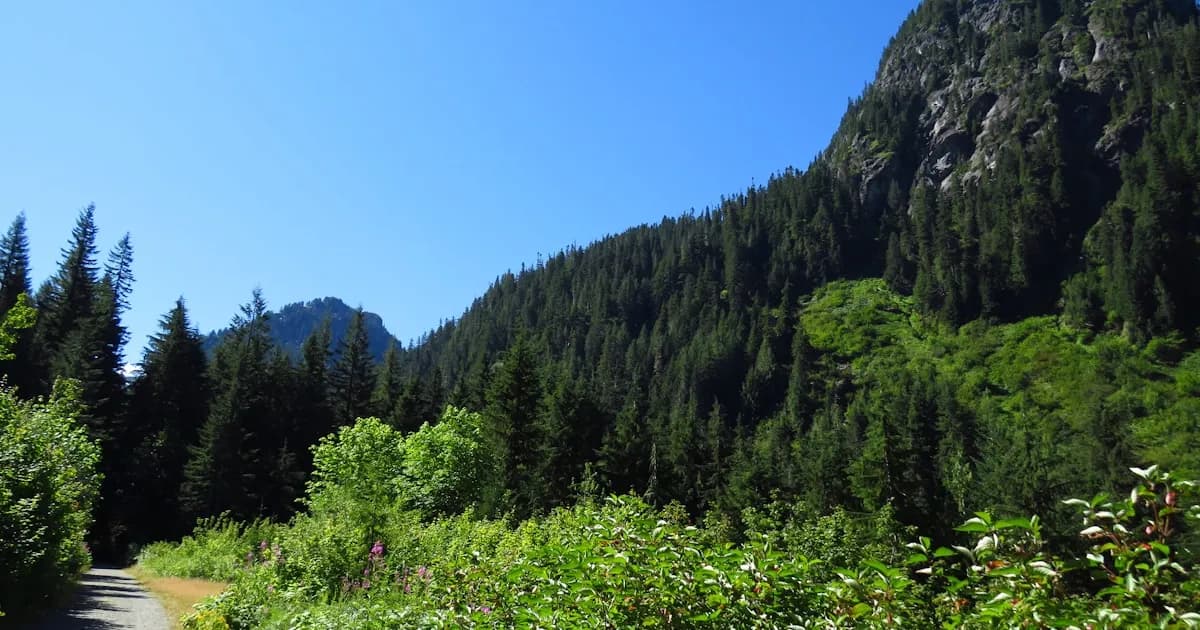
Most visitors to Madeira stick to the south coast. Funchal is the gateway, the famous 25 Fontes and Caldeirão Verde trails are within easy reach, and the weather on the southern side is reliably warm and dry. This means the north coast — with its steeper mountains, denser forest, and rawer Atlantic scenery — remains genuinely quiet. If you want levada walks where the only sound is water dripping from ancient laurel branches, the north is where you should go.
This guide covers the best north coast levadas, the villages worth stopping in, what the weather really does up there, and how to round off a day of hiking with one of the most exciting experiences on the island.
Why the North Coast Is Special
Madeira's central mountain ridge acts as a weather divide. Moisture-laden clouds roll in from the Atlantic, hit the peaks, and drop their rain on the northern slopes. The result is a landscape that is dramatically different from the sunny south: deeper gorges, taller waterfalls, thicker forest, and a coastline where dark cliffs plunge straight into heavy surf.
For hikers, this translates into three concrete advantages:
- Fewer people. The most popular trails on Madeira — 25 Fontes, Pico do Arieiro to Pico Ruivo, Ponta de São Lourenço — are all on the south or east side. North coast levadas see a fraction of the foot traffic. On a weekday morning, you may walk for two hours without passing another soul.
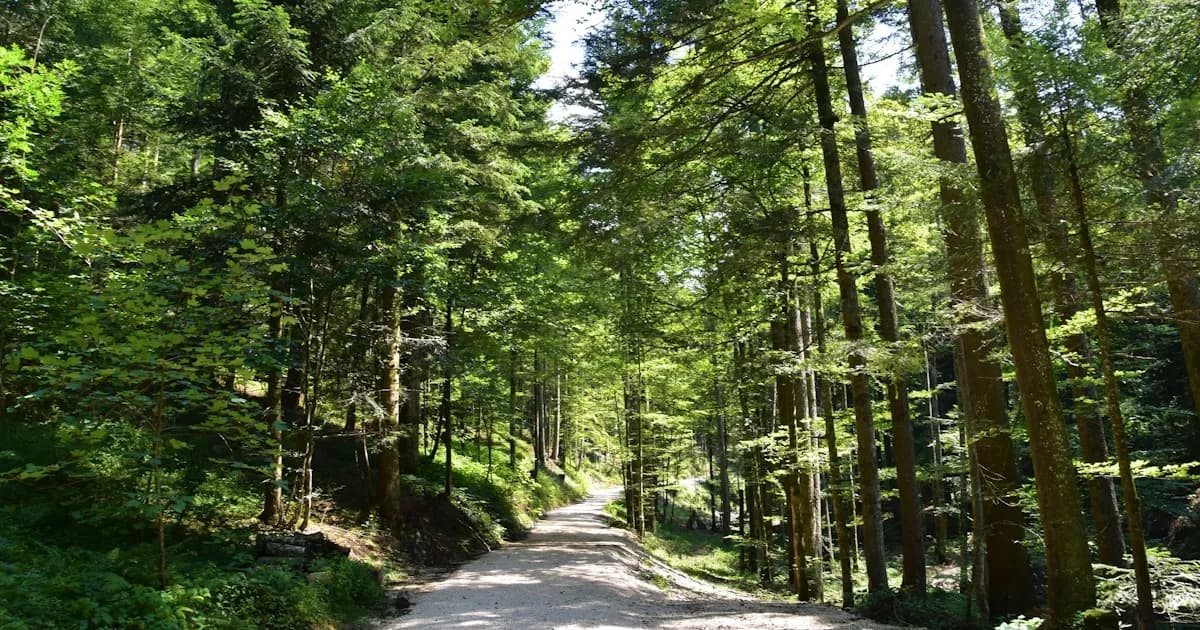
- Wilder scenery. The north coast laurel forest is among the densest on the island. UNESCO-listed Laurisilva stretches unbroken across vast mountain slopes. The trees are older, the moss thicker, the waterfalls more frequent. There is a primeval quality here that is harder to find on the more developed southern trails.
- Authentic villages. North coast settlements like São Jorge, Boaventura, and Arco de São Jorge have not been reshaped by tourism. They remain agricultural communities where vineyards cling to terraced hillsides, parish churches anchor quiet squares, and a coffee in a local bar still costs under two euros.
The Best North Coast Levadas
Levada do Rei (PR18) — São Jorge
Difficulty: Easy to Moderate | Distance: 10 km (round trip) | Duration: 3 hours
This is the flagship walk of the north coast. Starting from Ribeiro Bonito above São Jorge, the Levada do Rei — the King's Levada — follows an irrigation channel deep into primary laurel forest. The canopy is so thick that even on bright days the trail feels shaded and cool. Ferns cover every surface. Water drips constantly.
The turnaround point is a waterfall at the head of a narrow, mossy valley. It is not a towering cascade, but the setting — enclosed by vertical walls of green — is unforgettable. The path is mostly flat with no tunnels or exposed sections, making it one of the most accessible levada walks on the island.
Arrive before 10:00 to have the trail almost entirely to yourself. By midday, small groups start to appear, though it never approaches the crowds you find on the south coast.
Levada da Ribeira da Janela — Porto Moniz
Difficulty: Easy to Moderate | Distance: 5.4 km (round trip) | Duration: 2 hours
Closer to Porto Moniz on the far northwest coast, this shorter levada walk follows the Ribeira da Janela valley through dense vegetation. The trail is well-maintained and relatively flat, passing through a mix of laurel forest and introduced eucalyptus. The highlight is the valley itself — a deep, green gorge with steep walls that close in as you walk further.
The trail takes its name from the Ribeira da Janela river, whose mouth on the coast features distinctive sea stacks that are among the most photographed natural formations on the island. Combine the levada walk in the morning with a visit to the sea stacks in the afternoon.
Levada do Moinho — Ponta Delgada
Difficulty: Easy | Distance: 4 km (round trip) | Duration: 1.5 hours
A lesser-known route that starts near Ponta Delgada on the north coast. This gentle walk follows an old mill levada through terraced farmland and patches of native forest. It offers a different perspective from the deep-forest walks — here you get open views of the north coast, traditional agriculture, and the occasional ruin of a water-powered mill that gives the levada its name.
It is short enough to combine with other activities in the same day.
Village Stops Along the North Coast
One of the great pleasures of hiking the north coast is the opportunity to explore villages that most tourists never see.
São Jorge
The main access point for Levada do Rei, São Jorge is a quiet parish with a handsome 18th-century church and a scattering of local bars. The vineyards around the village produce grapes for Madeira wine, and the terraced fields running down to the coast give the area a timeless, agricultural character. Stop for a coffee and a bolo de mel — Madeira's traditional honey cake — before or after your walk.
Boaventura
A few kilometres east of São Jorge, Boaventura sits in a wide, green valley with views across to the central mountains. It is known for its cherry orchards, which bloom spectacularly in spring. The village has a couple of restaurants serving traditional north coast cooking — espetada (beef on a laurel skewer), bolo do caco (garlic flatbread), and fresh fish from the local coast.
Arco de São Jorge
Perched above São Jorge, this tiny settlement is home to one of Madeira's botanical treasures — the Arco de São Jorge Roseiral, a rose garden with over 1,700 varieties. Even if roses are not your thing, the garden's setting on a headland with Atlantic views on three sides makes it a worthwhile detour.
Seixal
West of São Jorge, the village of Seixal has a rare black-sand beach and natural rock pools that are wilder and less crowded than the famous ones at Porto Moniz. On a calm day after a morning hike, a swim at Seixal is one of the finest experiences on the north coast.
Weather on the North Coast: What to Expect
The north coast is cloudier and wetter than the south — there is no getting around this. But understanding the pattern helps you plan effectively.
Morning cloud and mist are common, particularly in the mountains. The cloud often sits between 500 and 1,000 metres, which means levada trails at mid-altitude may start in fog. This is not necessarily a problem — the forest trails are actually at their most atmospheric in mist, and you do not need summit views to enjoy a levada walk.
Afternoons tend to clear, especially in summer. If the forecast shows partial cloud, start your levada walk early, then head to the coast in the afternoon when the skies open up.
Rain is more frequent between October and March, but even in winter the north coast rarely sees all-day downpours. Showers tend to be short and intense. A lightweight waterproof jacket is essential year-round on the north coast — even if Funchal is blazing sunshine when you set off.
Temperature at levada altitude (400–800 m) is typically 3–5 degrees Celsius cooler than at sea level. In summer, this means a pleasant 18–22 degrees under the forest canopy. In winter, it can drop to 8–12 degrees with wind chill, so bring a fleece.
The north coast's moisture is precisely what makes its laurel forest the densest on the island. The clouds that obscure the peaks are the same clouds that feed the levadas and keep the forest green year-round. Embrace the mist — it is part of the experience.
Combine Your Hike With a Porto Moniz Zipline
After a morning spent walking quietly through ancient forest, the shift in energy could not be greater. Just a short drive from the north coast levadas, our zipline at Porto Moniz sends you soaring above the dramatic northwest coastline — volcanic cliffs, crashing Atlantic waves, and the natural pools below.
It is the perfect counterpoint to a contemplative morning on the levadas: a few seconds of pure adrenaline to balance out the hours of forest calm. Many of our guests tell us that combining the two — a levada walk in the morning, the zipline in the afternoon — is the highlight of their entire Madeira trip.
The zipline operates year-round, and the north coast location means you do not need to drive back to Funchal. Walk a levada, have lunch in a village, then clip in and fly.
Check our prices and book your zipline experience here
Practical Tips for North Coast Levada Walking
- Footwear: Proper hiking shoes or boots with grip. North coast trails are frequently damp, and sections of levada wall can be slippery.
- Water and snacks: There are no facilities on the trails themselves. Bring at least one litre of water and some food.
- Headlamp or torch: Not needed for the main north coast levadas (they have no tunnels), but useful if you extend your walk.
- Start early: Both for solitude and to make the most of any morning clearings in the cloud.
- Check trail conditions: The Madeira government trail website lists closures. After heavy rain, some levada paths may be temporarily closed.
- Driving: The north coast is roughly 40–50 minutes from Funchal via the VE1 motorway. Roads are good but winding once you leave the main highway.
A Quieter Side of Madeira
The north coast is not trying to compete with the famous south. It does not have the sunshine statistics, the resort infrastructure, or the Instagram-famous viewpoints. What it has is something increasingly rare: genuine solitude in extraordinary landscapes. The levadas here flow through forests that have barely changed in millennia. The villages are lived-in, not curated. The coast is wild, not manicured.
If you have already walked the 25 Fontes and Caldeirão Verde — or even if you have not — make time for the north. São Jorge, Ribeira da Janela, the quiet trails above Boaventura. This is Madeira as it was before the world discovered it, and it is still here, waiting.
Frequently Asked Questions
Are levada walks dangerous?
Most levada walks are safe and well-maintained. Some trails have narrow sections and tunnels — bring a torch and wear proper hiking shoes.
Do I need a guide for hiking in Madeira?
Well-marked PR trails can be done self-guided. For challenging routes like Pico Arieiro to Pico Ruivo, a guide adds safety and local knowledge.
What should I bring on a levada walk?
Waterproof jacket, hiking boots, water (1.5L minimum), snacks, headtorch for tunnels, and sun protection.
When is the best season for hiking?
April to June and September to October offer the best conditions — mild temperatures, less rain, and fewer crowds.