One is a volcanic jewel in the Atlantic, draped in laurel forests and lashed by ocean swells. The other is the Mediterranean's largest island, crowned by an active volcano and steeped in millennia of history. Madeira and Sicily both promise dramatic landscapes, world-class food, and genuine adventure — but they deliver very different experiences. Here's an honest comparison to help you choose.
Climate: Madeira's Eternal Spring vs Sicily's Hot Summers
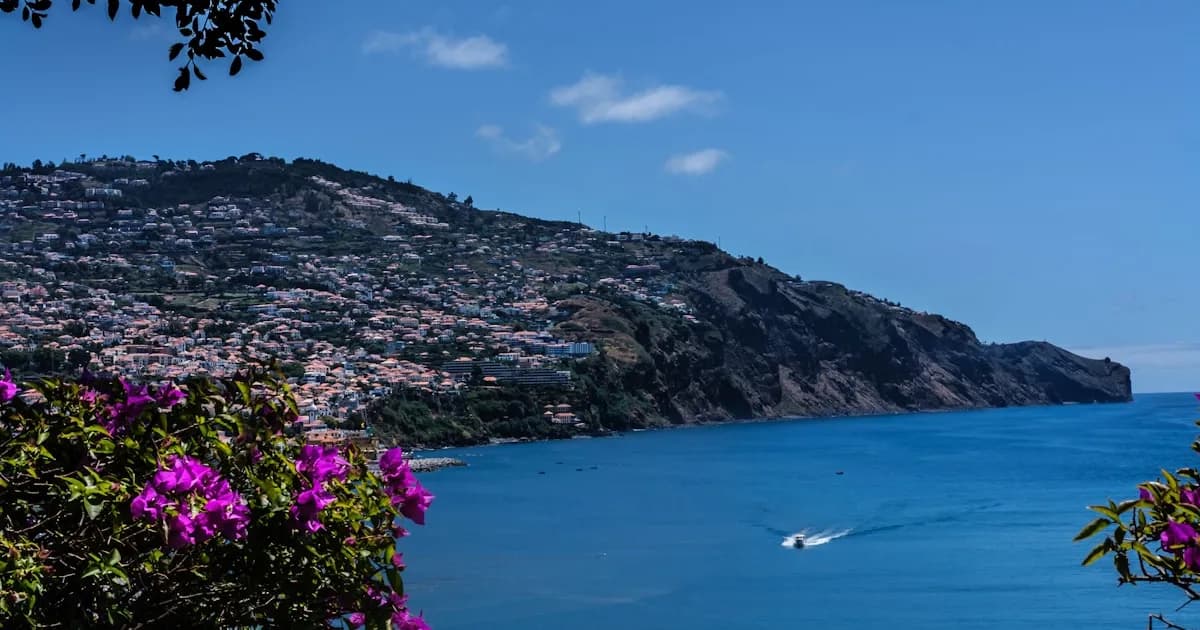
Madeira enjoys one of the mildest climates on the planet. Temperatures hover between 17°C and 25°C year-round — never too hot, never too cold. You can hike, zipline, and explore comfortably in January or August. There's no "off season."
Sicily is glorious from April to June and September to October, but summers can be punishing. July and August regularly push past 35°C, with the sirocco wind from North Africa occasionally driving temperatures even higher. Winters are mild by Italian standards but noticeably cooler and wetter than Madeira.
If you want reliable, comfortable weather on any given week of the year, Madeira wins this category convincingly.
Volcanoes: One Sleeping, One Very Much Awake
Both islands owe their landscapes to volcanic activity — but in very different ways. Sicily has Mount Etna, Europe's tallest and most active volcano at 3,357 metres, regularly putting on eruptions that light up the night sky. You can hike to the summit craters, explore lava caves, and watch steam venting from the earth beneath your feet.
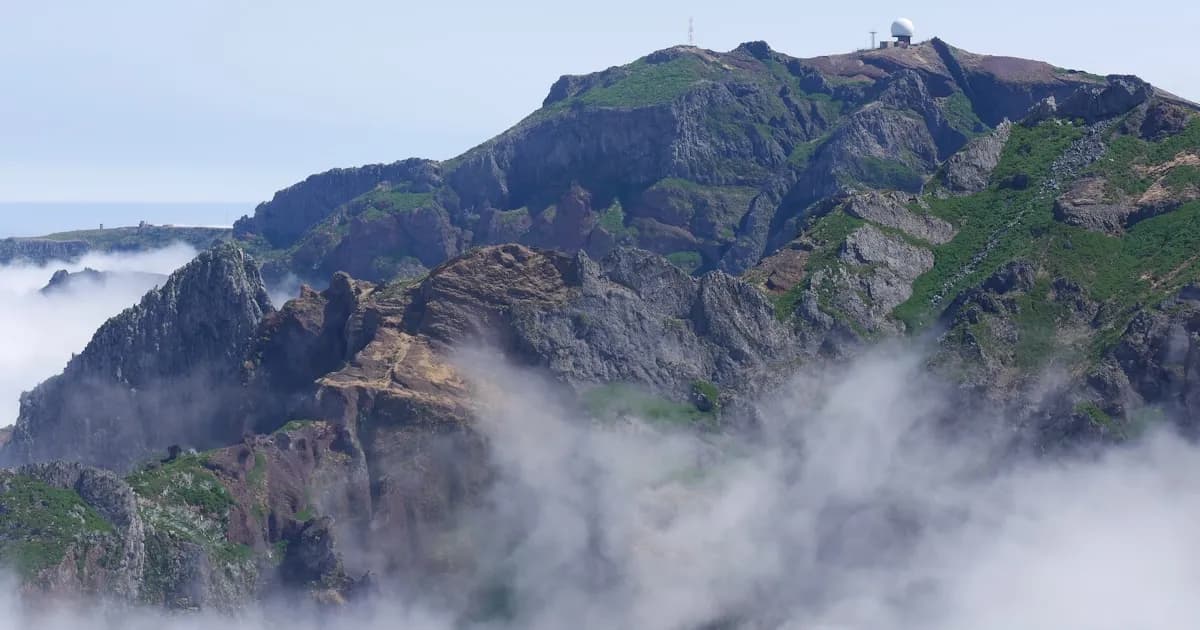
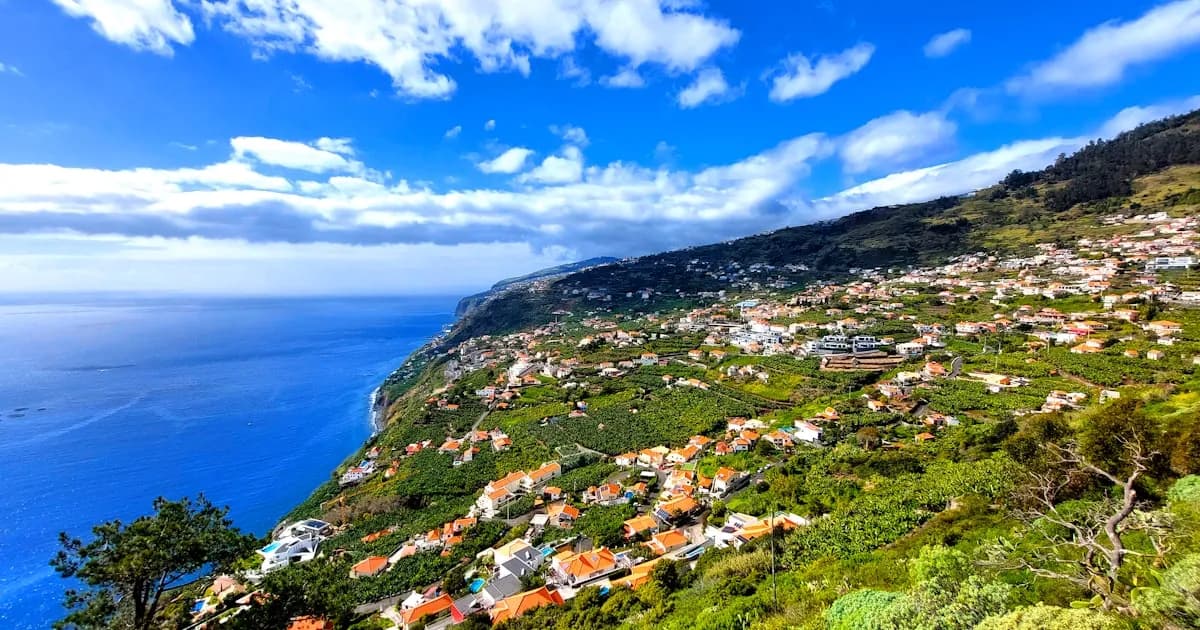
Madeira's volcanoes have been extinct for hundreds of thousands of years, but they left behind something extraordinary: sheer cliff faces plunging 500 metres into the ocean, knife-edge mountain ridges, and deep ravines carved by millennia of erosion. The volcanic geology created the dramatic terrain that makes Madeira one of Europe's best adventure playgrounds.
Etna is undeniably spectacular as a single attraction. But Madeira's ancient volcanic landscape shapes every single experience on the island — from levada walks through misty gorges to the Adrenaline Adventures zipline soaring 320 metres above the Atlantic in Porto Moniz.
Madeira's extinct volcanic terrain is what makes experiences like the 1.6 km zipline and the giant swing at 250 metres altitude possible. The geology here was practically designed for adventure.
Food: Two World-Class Culinary Islands
This is perhaps the hardest category to judge, because both islands are food paradises.
Sicily brings centuries of layered culinary influence — Greek, Arab, Norman, Spanish — resulting in dishes like arancini, pasta alla Norma, fresh seafood couscous, and the legendary cannoli. Sicilian street food culture is arguably unmatched anywhere in Europe.
Madeira offers its own distinct and deeply satisfying cuisine. Espetada — beef skewered on laurel wood and grilled over embers — is a revelation. Bolo do caco (garlic flatbread) accompanies nearly every meal. The black scabbardfish (espada) served with banana is unlike anything you'll find elsewhere. And then there's Madeira wine, produced on the island for over 500 years.
Both islands celebrate fresh, local ingredients with genuine passion. We'll call this one a draw — though we'd argue Madeira's food is the more surprising discovery, precisely because fewer people know about it.
Adventure Activities: Madeira Leads the Way
This is where Madeira genuinely separates itself. The island has built one of Europe's most concentrated adventure scenes:
- Zipline over the Atlantic — 1.6 km at speeds up to 110 km/h, 320 metres above sea level
- Giant swing — 250 metres above the ocean in Porto Moniz
- Canyoning through volcanic gorges with waterfalls
- Paragliding along dramatic coastal cliffs
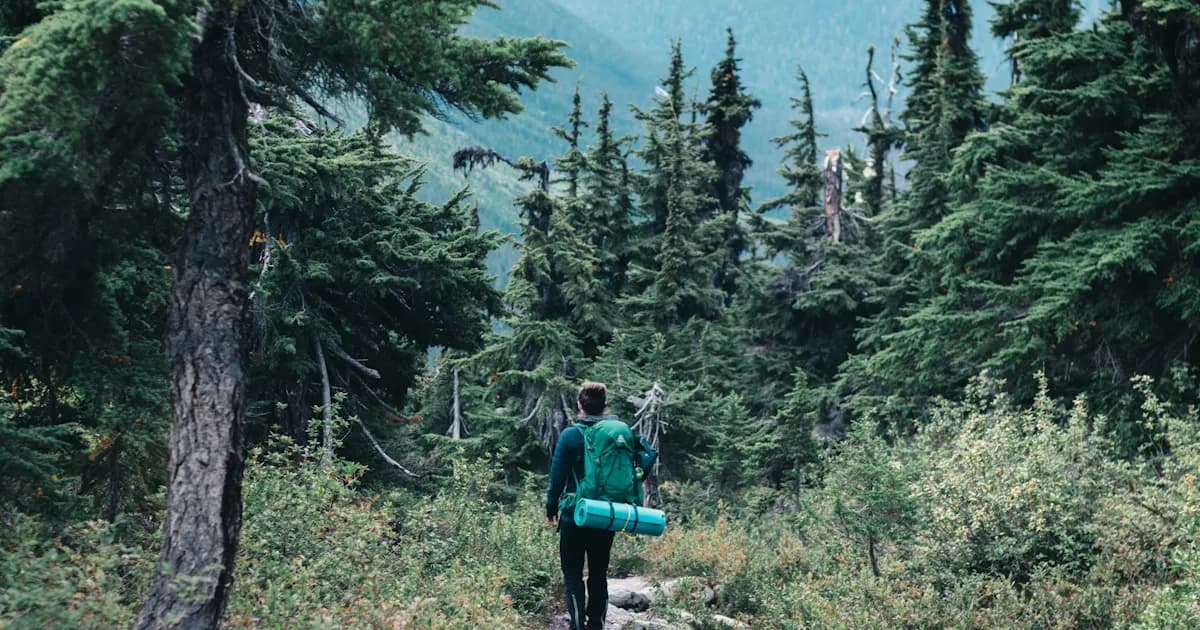
- Levada hiking through UNESCO laurel forests
- Coasteering, kayaking, mountain biking, trail running — all world-class
Sicily offers good hiking (Etna, the Madonie mountains), decent diving, and some water sports, but it doesn't have the same concentration of adrenaline experiences. The island is better known for cultural tourism than outdoor adventure.
The Adrenaline Adventures zipline and giant swing in Porto Moniz are unique experiences you won't find in Sicily or anywhere else in the Mediterranean. Both include scenic UTV transfers through mountain trails.
Beaches: Different Strengths
Sicily has beautiful sandy beaches — Scala dei Turchi, San Vito Lo Capo, Mondello, and the Aeolian Islands are genuinely stunning. If long stretches of golden sand are essential to your holiday, Sicily delivers.
Madeira's coastline is rocky and dramatic. Instead of sandy beaches, you'll find the famous volcanic natural pools of Porto Moniz, pebbly coves with crystal-clear water, and the golden sand beach at Calheta (built with imported Moroccan sand). It's a different experience — more rugged, more dramatic, arguably more memorable.
For classic beach holidays, Sicily takes this round. But if you prefer swimming in natural rock pools with waves crashing around you, Madeira offers something Sicily simply cannot.
Culture and History: Sicily's Deep Layers
This is Sicily's strongest card. Over 3,000 years of continuous civilisation have left the island with an embarrassment of cultural riches: Greek temples at Agrigento, Roman mosaics at Piazza Armerina, Norman cathedrals in Palermo, and baroque towns rebuilt after the 1693 earthquake. Sicily is a living museum.
Madeira's history is shorter — Portuguese sailors arrived in 1419 — but no less fascinating. Funchal's old town, the island's levada irrigation system (an engineering marvel dating to the 15th century), and the deep-rooted traditions of wine production and embroidery give the island a distinct cultural identity. It's more intimate and less overwhelming than Sicily's vast heritage.
If ancient history and architecture are your passion, Sicily is hard to beat. If you prefer culture woven naturally into an outdoor adventure trip, Madeira strikes the perfect balance.
Cost: Madeira Offers Better Value
Both islands are affordable by Western European standards, but Madeira tends to edge ahead on value:
| Category | Madeira | Sicily | |---|---|---| | Average meal out | €10–18 | €12–22 | | Budget hotel (double) | €50–80/night | €60–100/night | | Car rental | €20–35/day | €25–45/day | | Coffee | €0.70–1.00 | €1.00–1.50 |
Sicily's tourist hotspots (Taormina, Cefalù, the Aeolian Islands) can push prices significantly higher in peak summer. Madeira's pricing stays relatively consistent year-round, thanks to its lack of extreme seasonality.
Madeira's stable year-round climate means there's no expensive "peak season" premium. You get the same weather and prices whether you visit in February or August.
The Verdict: Which Island Is Right for You?
Choose Sicily if you want ancient history at every turn, sandy Mediterranean beaches, legendary street food culture, and an active volcano to climb. It's ideal for culture-focused travellers who enjoy mixing heritage sites with coastal relaxation.
Choose Madeira if you want year-round mild weather, concentrated adventure experiences you can't find anywhere else, world-class hiking through unique landscapes, better overall value, and fewer crowds. It's the clear choice for active travellers and anyone who'd rather fly down a zipline than queue at a cathedral.
For adventure seekers, Madeira offers something Sicily simply cannot match: a compact island where you can zipline over the Atlantic in the morning, hike through an ancient forest at midday, and swim in volcanic rock pools by afternoon.
Frequently Asked Questions
Is Madeira better than the Canary Islands?
Madeira wins for hiking, adventure activities, and authentic culture. The Canaries win for beaches and nightlife. Both have great year-round weather.
Is Madeira expensive compared to other islands?
Madeira is generally 10-20% cheaper than comparable European islands like Mallorca or Santorini, with better value for food and accommodation.
Can I island-hop from Madeira?
You can visit Porto Santo (2.5h ferry or 15min flight). For the Azores, SATA flies direct. The Canaries require connecting via Lisbon.
Which island is best for adventure?
Madeira leads Europe for adventure tourism with its zipline at 320m altitude, 2000km of levada trails, canyoning, and coasteering.
Read Also
- 25 Best Things to Do in Madeira — The ultimate activity guide for your Madeira trip.
- Madeira Food Guide: What to Eat and Where — Discover the island's best dishes, restaurants, and food traditions.
- Why Madeira Is Europe's Best Adventure Destination — Everything that makes this island an outdoor playground like no other.