Planning a trip to Madeira and wondering whether the island is safe? You are not alone — it is one of the most common questions first-time visitors ask. The short answer: Madeira is one of the safest destinations in Europe, and consistently ranks among the safest islands in the world for tourism.
But "safe" covers a lot of ground. In this guide we break down everything from crime statistics and natural hazards to driving conditions, healthcare quality and adventure activity safety — so you can travel with complete confidence.
Overall Safety Rating: Very Safe
Madeira has been awarded "Safe Travels" certification by the World Travel & Tourism Council (WTTC), and it regularly appears in international rankings as one of the safest regions in Portugal — which itself is one of the safest countries in the world according to the Global Peace Index.
The island's small population (around 250,000 people), strong community culture and tourism-driven economy all contribute to an environment where visitors are genuinely welcomed and looked after.
Madeira has won the World Travel Awards for "Europe's Leading Island Destination" multiple years running — and its safety record is one of the key reasons why.
Crime Statistics: Exceptionally Low
Violent crime in Madeira is extremely rare. The most common issues tourists may encounter are:
- Petty pickpocketing in busy areas of Funchal (mainly around the market and old town during peak season)
- Car break-ins at remote trailheads if valuables are left visible
That said, even these incidents are uncommon compared to mainland European cities. Standard precautions apply:
- Keep valuables out of sight in your rental car
- Use the hotel safe for passports and excess cash
- Stay aware of your surroundings in crowded areas
- Avoid leaving bags unattended at restaurants or beaches
For context, Madeira's crime rate is a fraction of what you would find in Lisbon, Barcelona or Rome. Many long-term visitors describe the island as the kind of place where you can walk the streets at night without a second thought.
Natural Hazards: What to Be Aware Of
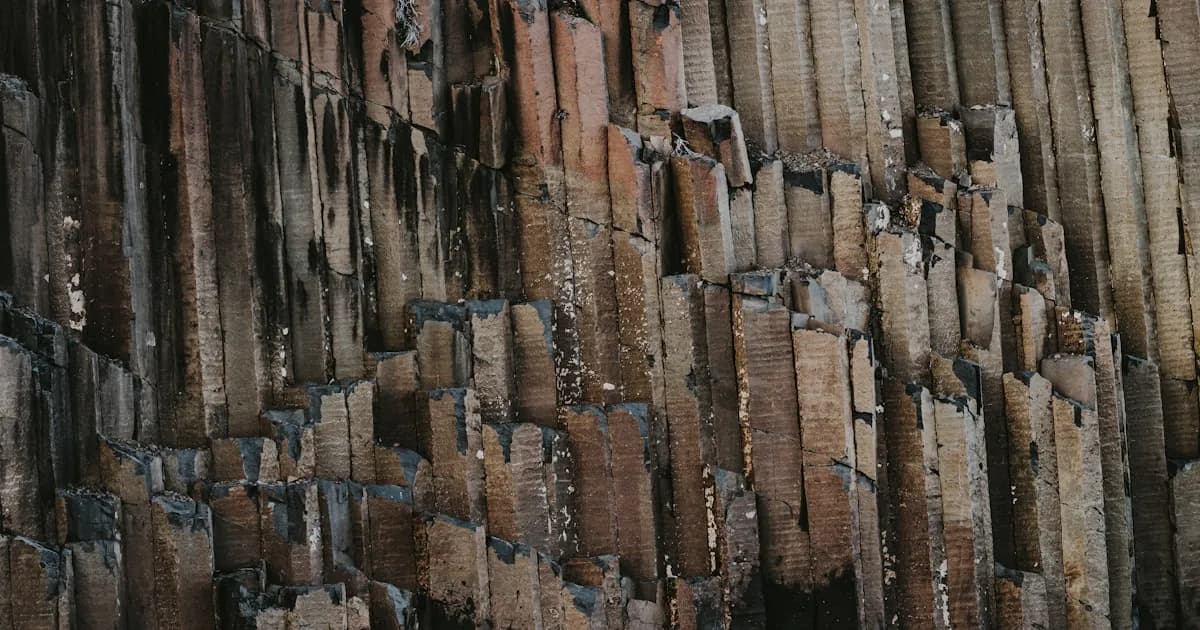
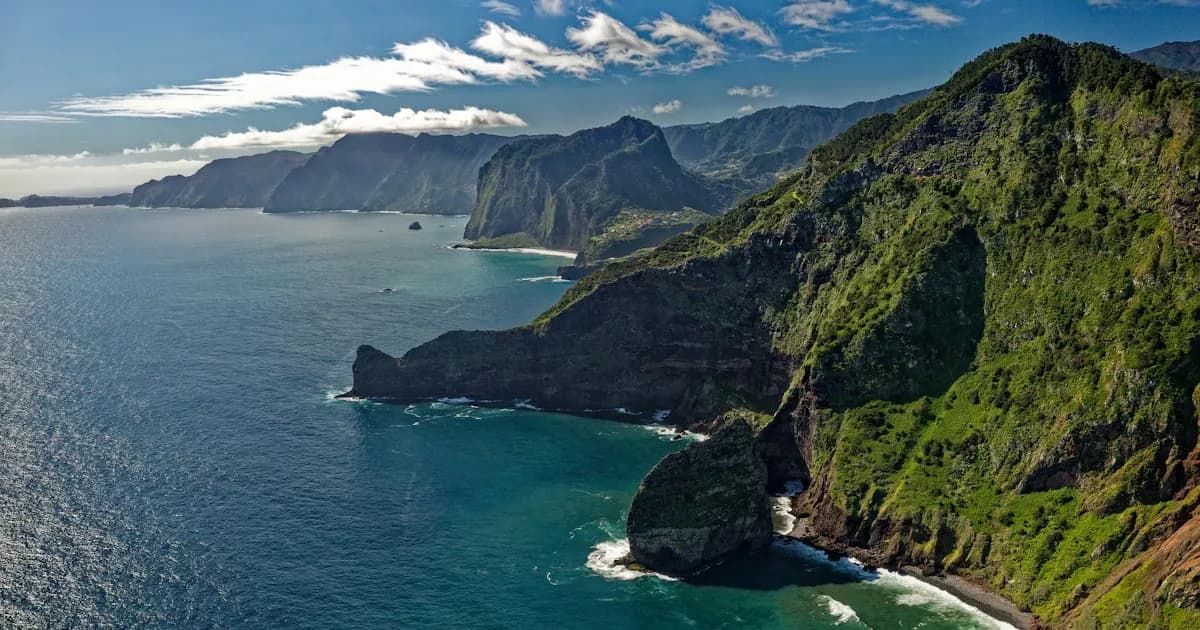
Madeira is a volcanic island with dramatic landscapes, and that natural beauty comes with a few things to keep in mind.
Mountain Weather
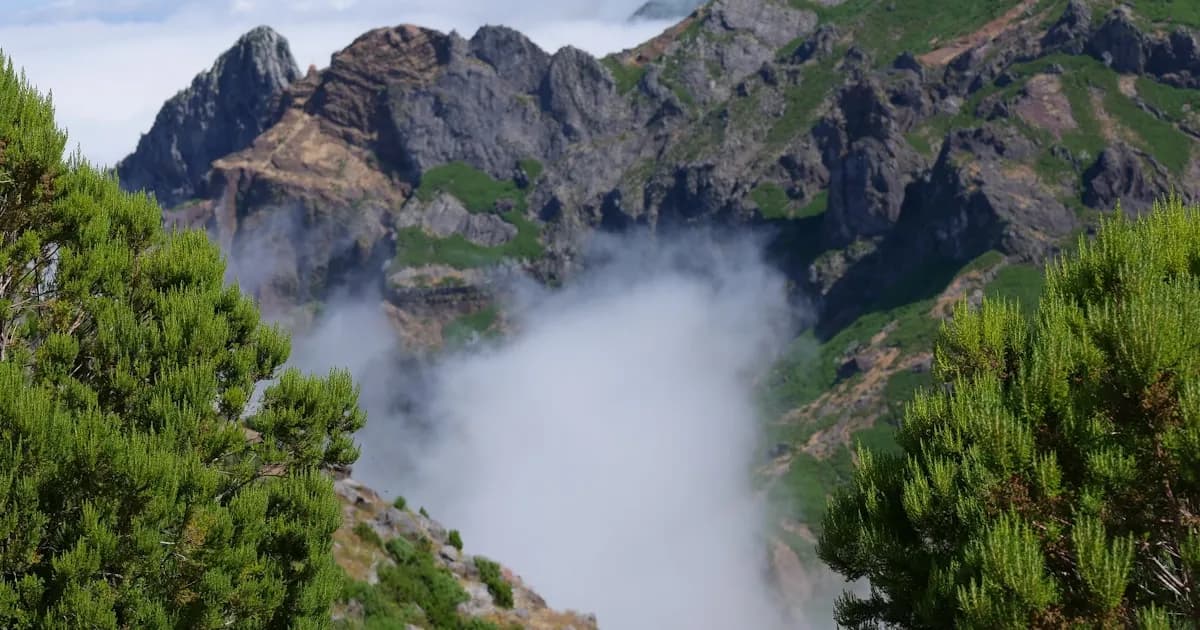
Weather in Madeira can change rapidly, especially at altitude. It is entirely possible to start a hike in sunshine and encounter fog, rain and wind within an hour. Always:
- Check the forecast before heading to higher elevations
- Carry a waterproof jacket, even on sunny days
- Let someone know your planned route
- Turn back if visibility drops below safe levels
Ocean Currents
The Atlantic waters around Madeira can have strong currents, particularly along the north coast. Swim at designated beaches and natural pools rather than unmarked stretches of coastline. The volcanic rock pools at Porto Moniz and Doca do Cavacas are popular for a reason — they offer sheltered, safe swimming.
Steep Paths and Levadas
Madeira's famous levada walks range from gentle strolls to genuinely exposed mountain trails. Some sections have sheer drops with minimal barriers. Wear proper footwear with good grip, carry a torch for tunnel sections, and know your comfort level before committing to advanced trails like Vereda do Areeiro.
Flash Floods and Landslides
Heavy rainfall can trigger localised flooding and rockfalls, particularly in narrow valleys. This is rare but worth noting — if local authorities advise avoiding a particular area after heavy rain, follow that advice.
Driving Safety: Mountain Roads and Tunnels
Renting a car is the best way to explore Madeira, but the island's roads require a degree of attention.
What to Expect
- Narrow mountain roads with tight bends and limited visibility
- Single-lane tunnels (older ones without lighting) on some north coast routes
- Steep gradients that can test both driver and brakes
- Fog and low cloud at higher elevations, especially on the road to Pico do Areeiro
Driving Tips
- Rent a car with good power — you will appreciate it on the climbs
- Use headlights in tunnels and during low visibility
- Pull into passing places on narrow roads to let oncoming traffic through
- Drive slowly on unfamiliar mountain roads, especially at night
- The modern motorways (via rápida) between Funchal and the north coast are excellent and well-maintained
Most rental car incidents in Madeira are minor scrapes from narrow roads, not serious accidents. Drive carefully, respect the terrain, and you will be fine.
Adventure Activity Safety
Madeira has become one of Europe's top adventure destinations, offering ziplines, canyoning, paragliding, cliff swings and more. The key to staying safe is choosing certified operators.
Look for companies that hold EN 15567 certification — the European standard for adventure course safety. This covers equipment quality, staff training, maintenance schedules and operational procedures.
Adrenaline Adventures in Porto Moniz is fully EN 15567 certified. All zipline and swing equipment uses dual-redundant safety systems and is inspected daily.
Before any adventure activity, a professional operator will provide a full safety briefing, fit your equipment personally, and give you the chance to ask questions. If an operator skips this step, find a different one.
For a deep dive into adventure safety, read our dedicated guide: Is Zipline Safe? Everything You Need to Know.
Book a Safe, Certified Adventure in Porto MonizHealthcare and Medical Facilities
Madeira has a good healthcare infrastructure for an island of its size:
- Hospital Dr. Nélio Mendonça in Funchal is the main public hospital with a 24-hour emergency department
- Private clinics are available in Funchal for non-emergency consultations
- Pharmacies (farmácias) are well-stocked and widely distributed — pharmacists can advise on minor ailments and dispense many medications without a prescription
- European Health Insurance Card (EHIC) or UK Global Health Insurance Card (GHIC) holders receive emergency treatment on the same terms as locals
Medical care in Funchal is reliable and professional. In more remote areas, emergency response times may be longer, so carry a basic first-aid kit when hiking.
Water Safety
Tap water in Madeira is safe to drink throughout the island. It comes from natural springs and is treated to EU standards. Many visitors prefer bottled water for taste, but there is no health reason to avoid the tap.
For ocean swimming, stick to:
- Supervised beaches with lifeguards (look for blue flags)
- Natural volcanic pools at Porto Moniz, Seixal and Doca do Cavacas
- Hotel pools if you prefer controlled conditions
Avoid swimming alone in unfamiliar areas, and respect red flag warnings — they exist to keep you safe.
Solo Travel Safety
Madeira is an excellent destination for solo travellers, including solo female travellers. The island is small, well-connected by bus and taxi, and the local population is friendly and respectful.
Practical tips for solo visitors:
- Share your itinerary with someone at home
- Stay on marked trails when hiking alone
- Keep your phone charged and carry a portable battery
- Use reputable transport services (taxis are metered and reliable)
- Funchal's old town is safe to walk at night, though quieter streets can feel deserted after midnight
The solo travel community regularly rates Madeira among the top destinations in Europe for independent visitors.
LGBTQ+ Safety
Portugal is one of the most LGBTQ+-friendly countries in Europe. Same-sex marriage has been legal since 2010, and anti-discrimination protections are enshrined in law.
Madeira, while more traditional than Lisbon or Porto, is welcoming to LGBTQ+ travellers. You are unlikely to encounter any issues. Funchal has a small but active LGBTQ+ scene, and Pride events take place annually.
As with any destination, public displays of affection may attract attention in more rural areas — but this is a matter of local conservatism rather than hostility.
Emergency Numbers and Useful Contacts
Save these numbers before you travel:
| Service | Number | |---------|--------| | General emergency (police, fire, ambulance) | 112 | | Tourist police (Funchal) | +351 291 208 400 | | Hospital Dr. Nélio Mendonça | +351 291 705 600 | | Sea rescue (MRCC Funchal) | +351 291 213 112 |
The 112 number works from any phone, including mobiles without a SIM card. Operators speak Portuguese and English.
Travel Insurance: Do You Need It?
Yes — always. Even though Madeira is safe and healthcare is accessible, travel insurance protects you against:
- Medical costs beyond EHIC/GHIC coverage (especially repatriation)
- Trip cancellations or delays
- Lost or stolen belongings
- Adventure activity accidents (check your policy covers "hazardous activities" if you plan to do ziplines, canyoning or paragliding)
A comprehensive policy costs very little relative to the peace of mind it provides. Buy it before you fly.
Final Verdict: Is Madeira Safe?
Madeira is one of the safest places you can visit in Europe. Low crime, excellent healthcare, well-maintained infrastructure and a welcoming local culture all contribute to an island that feels genuinely relaxed and secure.
The main things to watch out for are natural rather than human — mountain weather, ocean currents and steep hiking trails. Use common sense, respect the landscape, and you will have an extraordinary trip.
Plan Your Madeira Adventure — Check PricesFrequently Asked Questions
Is Madeira safe for tourists?
Madeira is one of the safest destinations in Europe with very low crime rates and excellent healthcare facilities.
Do I need travel insurance?
While EU citizens are covered by EHIC, we strongly recommend travel insurance that covers adventure activities.
What is the emergency number?
The European emergency number 112 works throughout Madeira for police, ambulance, and fire services.
Are adventure activities certified?
All activities operated by Adrenaline Adventures are certified to EN 15567 European safety standards.
Read Also
- Things to Do in Madeira: The Ultimate Guide — All the best experiences on the island, from adventure to culture.
- Adventure Safety Tips for Madeira — Detailed safety advice for every outdoor activity in Madeira.
- Madeira First-Time Visitors Guide — Everything you need to know before your first trip to the island.