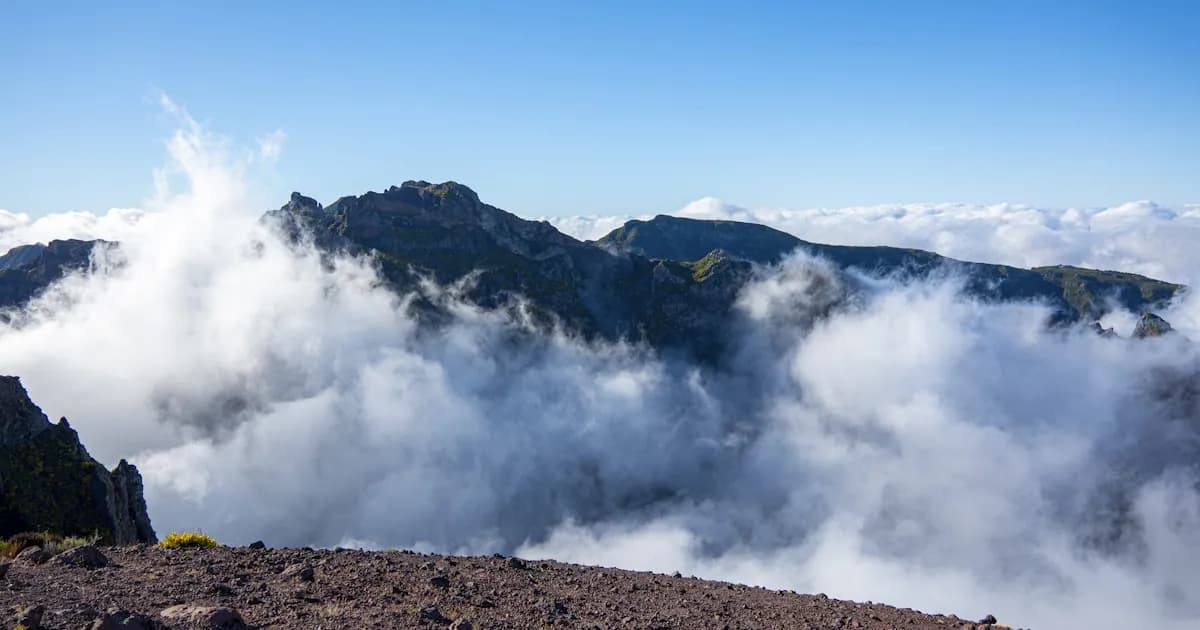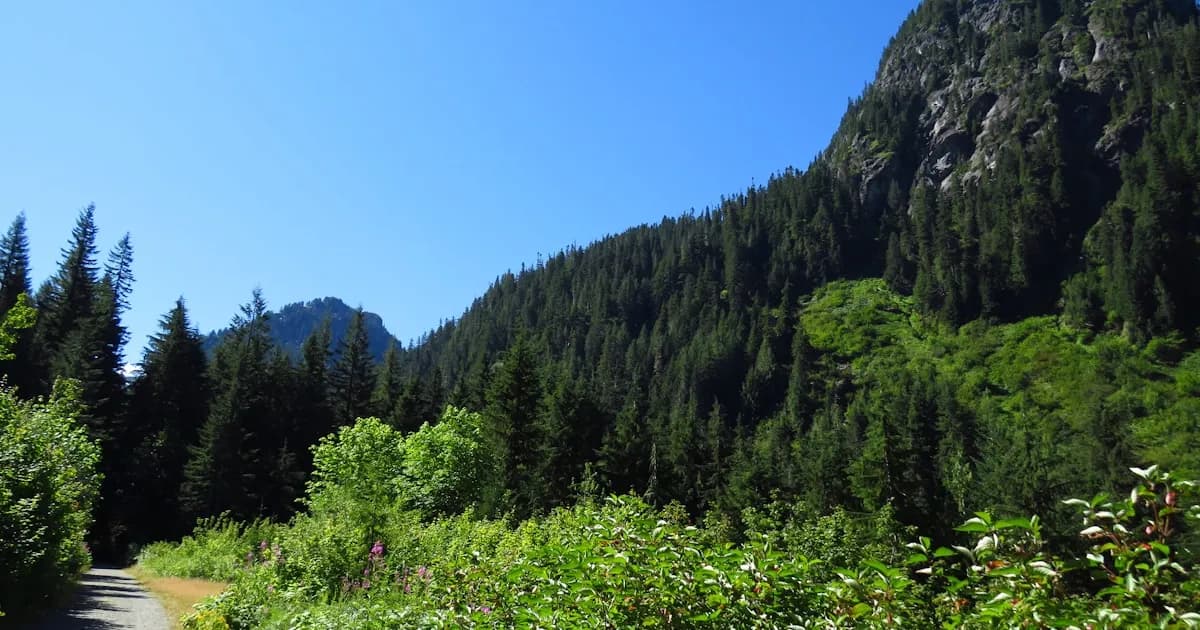
Madeira's trails take you through ancient laurel forests, along narrow levada channels, through pitch-black tunnels and up to cloud-piercing mountain ridges — sometimes all in a single day. The island's weather is famously unpredictable, and the terrain varies wildly depending on altitude and which side of the island you're on. Getting your gear right is the difference between a miserable slog and the best hike of your life.
Here's exactly what to wear and bring when hiking in Madeira, based on years of experience on these trails.
Footwear — The Single Most Important Decision
Waterproof hiking boots are essential. This is not a suggestion — it is the number one piece of advice for anyone hiking in Madeira. Levada paths run alongside open irrigation channels, which means water on the trail is not a possibility but a certainty. Many sections are muddy, rocky, and slippery year-round, even on routes classified as "easy."
Choose ankle-height boots with a solid grip and waterproof membrane (Gore-Tex or similar). Trail runners can work for shorter, drier walks like Vereda dos Balcoes, but for anything involving tunnels, altitude, or more than two hours on your feet, proper boots are the safer choice.
Flip-flops, sandals, and fashion trainers are genuinely dangerous on Madeira's trails. Wet basalt rock is extremely slippery, and many paths have steep, unprotected drop-offs. Several rescue operations each year involve hikers wearing inappropriate footwear.
Break in your boots before you travel. Madeira is not the place to debut a brand-new pair. If you only buy one thing for your trip, make it good boots.
Layering — Because the Weather Changes Fast
Madeira's climate is subtropical at sea level but can feel alpine above 1,500 metres. It is entirely normal to start a hike in sunshine and hit fog, rain and wind within the hour — then emerge back into blue sky twenty minutes later. The layering system is your best friend.
Base Layer
A moisture-wicking synthetic or merino wool top keeps sweat off your skin. Cotton is a poor choice — once wet, it stays wet and chills you quickly at altitude.
Mid Layer
A lightweight fleece or softshell jacket provides insulation when temperatures drop. At the summit of Pico do Arieiro (1,818 m), it can be 10-15°C cooler than Funchal, even in summer.
Outer Layer
A waterproof, breathable shell jacket is the layer you'll reach for most often. More on this below.
On your legs, lightweight hiking trousers with some stretch are ideal. Zip-off trousers work well for Madeira's variable conditions. Avoid jeans — they're heavy, restrictive, and terrible when wet.
Rain Jacket — Always, Always, Always
If you take one extra item on every hike, make it a rain jacket. Even on days with a perfect forecast, microclimates in the mountains and along the north coast can produce sudden showers. The laurel forest trails like Levada do Caldeirão Verde are particularly prone to drizzle and mist.
Choose a jacket that is:
- Waterproof (not just "water-resistant")
- Breathable (you'll overheat otherwise on uphill sections)
- Lightweight and packable (so it fits in your backpack when not in use)
A jacket with a hood is essential. Carrying an umbrella on narrow levada paths with drop-offs is impractical and unsafe.
Backpack Essentials
A 20-30 litre daypack is the sweet spot for day hikes in Madeira. Larger than that and you'll overpack; smaller and you won't fit everything you need. Look for one with:
- A rain cover (built-in or separate)
- A hip belt to distribute weight on longer trails
- External loops or pockets for easy access to water bottles
Inside your pack, bring:
- Spare base layer (a dry top is worth its weight in gold if you get soaked)
- Small first-aid kit (plasters, antiseptic, any personal medication)
- Phone with offline maps downloaded (Komoot and AllTrails both work well for Madeira)
- Portable charger — GPS navigation drains batteries fast
- Tissues and a small plastic bag for rubbish (leave no trace)
Water and Snacks
Madeira's trails have almost no facilities along the way. There are no shops, no cafés, and no water fountains on the mountain or levada routes. You must carry everything you need.
Water: Bring at least 1.5 litres per person for a half-day hike, and 2-3 litres for a full day. More if hiking in summer or at altitude. A reusable bottle or hydration bladder both work well.
Snacks: Energy bars, nuts, dried fruit and bananas are hiking staples. For longer routes, pack a proper lunch — a sandwich, some local cheese and fruit will keep you going. Many hikers stop at a scenic viewpoint for a picnic, which is one of the great pleasures of walking in Madeira.
Pick up supplies at a supermarket in Funchal before your hike. Pingo Doce and Continente are well-stocked and much cheaper than resort shops.
Sun Protection
Even when it's cloudy, UV levels in Madeira can be surprisingly high — the island sits at the same latitude as Morocco. At altitude, UV exposure increases further.
- Sunscreen: SPF 30 minimum, applied before you start. Reapply every two hours, especially on exposed ridgelines like Pico do Arieiro to Pico Ruivo.
- Sunglasses: Essential on mountain trails above the clouds and on the open, treeless route at Ponta de São Lourenço.
- Hat or cap: A brimmed hat protects your face and neck. On windy ridge walks, a cap with a chin strap prevents it blowing into the void.
Headtorch — Essential for Tunnels
Several of Madeira's most popular levada walks pass through tunnels — some short, some long enough that you cannot see the exit. The Levada do Caldeirão Verde has four tunnels, including one that is over 100 metres long and pitch dark inside. The Levada da Rocha Vermelha, Levada do Moinho and Levada Nova also feature tunnel sections.
A headtorch is mandatory for these routes. A phone torch can work in a pinch, but it occupies one hand on terrain where you may need both. A basic LED headtorch weighs almost nothing, costs very little and makes these tunnels far more enjoyable — you can actually see where you're stepping on the wet, uneven floor.
Tip: Carry spare batteries or ensure your headtorch is fully charged before setting out.
Hiking Poles
Hiking poles are not strictly necessary for most Madeira trails, but they make a significant difference on:
- Steep descents (Pico do Arieiro to Pico Ruivo, Vereda do Areeiro)
- Slippery levada paths after rain
- Long walks where they reduce strain on your knees
Telescopic or folding poles are ideal as you can stow them when you don't need them, such as inside tunnels or on flat levada sections. If you have knee issues, bring them. You will not regret it.
What NOT to Bring
Packing light matters when you're walking 10-15 kilometres at altitude. Leave these behind:
- Heavy DSLR cameras — your phone is good enough for most people, and a heavy camera around your neck is uncomfortable on long trails
- Jeans — heavy, restrictive, and miserable when wet
- Too many "just in case" items — you don't need a full change of clothes, a guidebook, binoculars, and a picnic blanket for a three-hour levada walk
- Bluetooth speakers — seriously, don't be that person on a peaceful forest trail
- Perfume or strong fragrances — they attract insects, especially in the humid forest
- Valuables you can't afford to lose — trails have no lockers, and cars at trailhead car parks are occasionally targeted by thieves
Gear Rental Options in Funchal
If you'd rather not travel with hiking gear, Funchal has several options:
- Hiking boot rental: Some outdoor shops near the market area rent quality hiking boots by the day. Ask your hotel concierge for the nearest option.
- Pole rental: Available at shops in the old town and sometimes at organised tour meeting points.
- Full gear packages: Several tour operators offer guided hikes with all equipment included — boots, poles, backpack, and rain jacket.
- Decathlon: There's a Decathlon on the island where you can buy affordable hiking gear if you'd prefer to keep it. Decent boots start from around EUR 40.
If you're planning to combine hiking with adventure activities during your trip, you'll want proper closed-toe shoes for both. The same boots you wear on the levadas will work perfectly at our zipline and giant swing in Porto Moniz.
Quick Packing Checklist
| Essential | Nice to Have | |-----------|-------------| | Waterproof hiking boots | Hiking poles | | Rain jacket with hood | Gaiters (for very muddy trails) | | Layered clothing | Sit pad for picnics | | 1.5-2L water | Binoculars (for birdwatching routes) | | Snacks/lunch | Action camera | | Sunscreen + hat + sunglasses | Compression bag for wet clothes | | Headtorch + spare batteries | | | Daypack (20-30L) with rain cover | | | Phone with offline maps + charger | |
Madeira's trails reward those who come prepared. The right gear won't just keep you comfortable — it'll let you focus on what matters: the jaw-dropping scenery, the sound of water in ancient channels, and the feeling of being somewhere truly special.
Book Your Madeira AdventureFrequently Asked Questions
Are levada walks dangerous?
Most levada walks are safe and well-maintained. Some trails have narrow sections and tunnels — bring a torch and wear proper hiking shoes.
Do I need a guide for hiking in Madeira?
Well-marked PR trails can be done self-guided. For challenging routes like Pico Arieiro to Pico Ruivo, a guide adds safety and local knowledge.
What should I bring on a levada walk?
Waterproof jacket, hiking boots, water (1.5L minimum), snacks, headtorch for tunnels, and sun protection.
When is the best season for hiking?
April to June and September to October offer the best conditions — mild temperatures, less rain, and fewer crowds.
Read Also
- Best Hikes and Levadas in Madeira — The top trails on the island, from gentle levada strolls to challenging mountain routes.
- What to Wear for Zipline & Adventure in Madeira — Packing guide for the zipline and giant swing experience.
- Madeira Weather Month by Month — What to expect from the weather throughout the year.