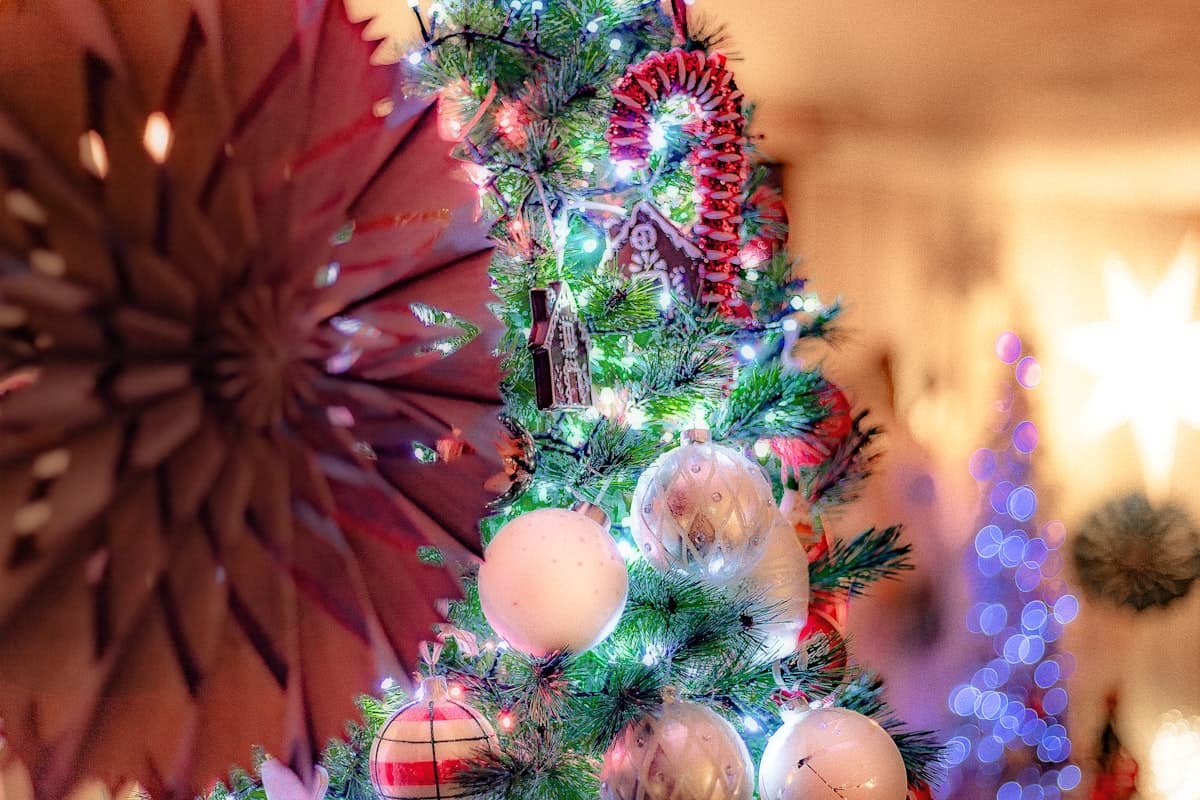
While mainland Europe shivers under grey skies and short, dark days, a volcanic island in the middle of the Atlantic quietly offers everything the winter-weary traveller craves — warmth, sunshine, dramatic landscapes, and a cultural calendar that makes December through February one of the most festive periods anywhere in southern Europe. Madeira is not just a summer destination. In many ways, winter is when the island truly shines.
Why Madeira in Winter Makes Perfect Sense
The numbers speak for themselves. Daytime temperatures in Funchal from December to February sit comfortably between 15 and 20°C. There is no frost, no snow at sea level, and no need for heavy winter coats. The sun rises around 7:30 and sets after 18:00, giving you a full day of usable light — a stark contrast to the four o'clock darkness of northern Europe.
Sea temperatures hover around 18-19°C through the winter months. That is cooler than summer, certainly, but still warm enough for a bracing swim if you are the adventurous type. Many hotel pools are heated, and the natural volcanic rock pools at Porto Moniz and Doca do Cavacas remain open year-round.
Rainfall is higher than in summer — December and January are the wettest months — but it follows a predictable pattern. Showers tend to be concentrated in the mountainous interior and the north coast, while the south coast and Funchal often enjoy sunshine even on days when the mountains are shrouded in cloud. The microclimates are remarkable. You can drive 20 minutes from rain to brilliant sunshine.
Christmas and New Year in Funchal
Funchal's Christmas and New Year celebrations are legendary, and they draw visitors from across Europe specifically for this period.
The Christmas Lights
From early December, the centre of Funchal is transformed into a vast light installation. The streets, squares, and park areas are draped in hundreds of thousands of LED lights, creating an atmosphere that is both intimate and spectacular. The display is not the garish commercial affair you might expect — it is artistic, carefully designed, and genuinely beautiful. The Avenida Arriaga becomes a tunnel of light, the Municipal Garden glows with intricate designs, and the harbour front sparkles against the dark Atlantic backdrop.
New Year's Eve Fireworks
Funchal's New Year's Eve fireworks display has been certified by the Guinness Book of Records as one of the greatest pyrotechnic shows in the world. Fireworks are launched simultaneously from dozens of points across the amphitheatre of hills that surrounds Funchal bay, creating a 360-degree spectacle visible from virtually anywhere in the city. Cruise ships anchor in the bay for the occasion, adding their horns and lights to the celebration.
The display lasts approximately eight minutes and is synchronised to music broadcast across the city. It is, without exaggeration, one of the most unforgettable New Year's Eve experiences on the planet. If this is on your bucket list, book accommodation months in advance — the city fills up completely.
Carnival
Madeira's Carnival, held in February or early March, is one of the largest in Portugal and rivals the famous celebrations in Rio and Venice in spirit, if not quite in scale. The main parade through the streets of Funchal features elaborate floats, samba groups, costumed dancers, and live music. The energy is infectious, and the relatively mild winter temperatures make it a far more comfortable experience than carnival celebrations in colder climates.
The festivities typically run for a full week, with the main cortejo (parade) on Saturday and a more satirical, irreverent "Trapalhão" parade on the following Tuesday.
Winter Adventure Activities
Do not make the mistake of thinking winter in Madeira means hibernation. The mild temperatures and unique geography make it an outstanding destination for outdoor activities even in the coldest months.
Adrenaline Adventures — Open Year-Round
The Adrenaline Adventures complex in Porto Moniz operates 365 days a year, and winter is an exceptional time to visit. The cooler air temperatures — still a comfortable 15-18°C on most days — make the physical experience of the zipline even more exhilarating. There is something about soaring over the Atlantic on a crisp winter morning, with the ocean churning below and the volcanic coastline stretching into the distance, that summer simply cannot replicate.
The 1.6-kilometre zipline — one of Europe's longest — reaches speeds of up to 110 km/h and suspends you more than 250 metres above the ocean. In winter, the light is softer and more dramatic, the sea often more powerful, and the absence of summer crowds means a more relaxed, almost private experience.
The giant swing is equally spectacular in winter. The freefall moment, followed by the arc out over the cliff edge, hits differently when the Atlantic below is wild and white-capped. It is raw, primal, and utterly unforgettable.
Winter also brings practical advantages. Wait times are shorter, booking is easier, and you are more likely to have the platform to yourself for those perfect photos and videos.
- Price: Combo package (zipline + giant swing) from €89 per person
- Booking: Reserve at madeira.zipline.expert/booking — winter slots are readily available but booking in advance is still recommended
- Tip: Bring a light windbreaker for the platform. The ride itself is too fast and exhilarating to notice the temperature, but waiting at elevation can be breezy.
Trail Running
Winter is prime trail running season on Madeira. The temperatures are ideal for endurance efforts — cool enough to prevent overheating on long climbs, warm enough to run comfortably in a single layer. The trails are quieter, the light is spectacular, and the landscape takes on a moody, atmospheric quality that summer's bright sunshine washes out.
The island's network of levada paths and mountain trails offers everything from gentle 5-kilometre recovery runs along the irrigation channels to brutal vertical kilometres up Pico do Arieiro and Pico Ruivo. The MIUT (Madeira Island Ultra Trail) training season peaks in winter, and you will encounter serious runners on the trails preparing for spring races.
Be aware that mountain trails above 1,000 metres can be wet, muddy, and occasionally icy in winter. Grip is everything — invest in trail shoes with aggressive tread patterns. Carry a headlamp and an emergency layer, even on shorter runs. Weather can change rapidly at altitude.
Whale Watching — Peak Season
Here is a fact that surprises many visitors: winter is peak whale watching season in Madeira. The cooler ocean temperatures bring larger cetacean species closer to the island. December through March is the best period for encountering sperm whales, and it is not uncommon to spot fin whales, sei whales, and occasionally even blue whales — the largest animals ever to have lived on Earth.
Short-finned pilot whales and bottlenose dolphins are resident year-round, so they appear on virtually every trip. But winter adds the possibility of truly extraordinary encounters with the great baleen whales on their Atlantic migration routes.
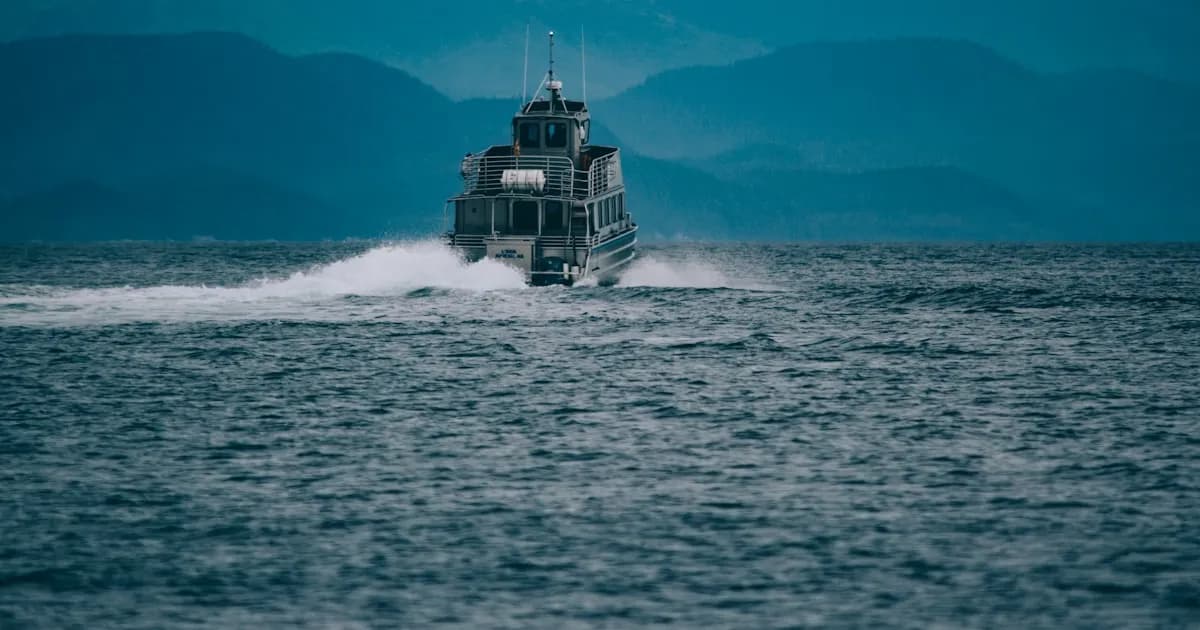
Excursions depart from Funchal marina and typically last 2-3 hours. The sea can be choppier in winter, so choose a catamaran if you are prone to seasickness.
- Price: €40-€65 per person
- Best months: December to March for large whale species
- Tip: Morning trips tend to have calmer seas. Bring a warm layer for the boat — the wind chill on open water can be significant.
Surfing at Porto da Cruz
Winter transforms Madeira's north coast into a serious surf destination. The Atlantic swells that roll in from November through March produce powerful, consistent waves at Porto da Cruz, the island's most renowned surf spot. The reef break here generates hollow, fast waves that attract experienced surfers from across Europe.
This is not a beginners' beach. The reef is shallow, the currents strong, and the waves can be overhead-plus on big swell days. But for competent surfers, it is one of the most exciting winter surf spots in the Atlantic. Several local surf schools offer guided sessions for intermediate surfers who want to experience the break with local knowledge.
For something more accessible, the south coast offers sheltered spots for stand-up paddleboarding even in winter, and surf schools in Jardim do Mar cater to beginners with gentler wave conditions.
- Best months: November to March
- Tip: A 4/3mm wetsuit is recommended for winter. Water temperatures around 18°C are manageable but you will want insulation for longer sessions.
Winter Food and Drink
Madeiran cuisine reaches its comfort-food peak in winter. The cooler months bring hearty dishes that warm you from the inside out.
Espetada — beef skewered on laurel wood sticks and grilled over open flame — is available year-round but tastes particularly satisfying on a cool winter evening. Caldo verde (kale soup with chouriço) and sopa de tomate e cebola (tomato and onion soup with a poached egg) are winter staples that appear on restaurant menus across the island.
The bolo de mel (honey cake) season reaches its peak at Christmas. This dense, dark, spiced cake — made with sugarcane molasses, nuts, and spices — is a Madeiran tradition dating back centuries. Every family has its own recipe, and bakeries across the island produce their versions throughout December.
The tropical fruit harvest continues into winter. Anonas (custard apples) are at their best from November to February — their creamy, sweet flesh is unlike anything you will find on the European mainland. Bananas, passion fruit, and guavas remain available year-round.
And of course, there is Madeira wine — the perfect winter companion. A glass of rich, warming Malmsey after dinner, or a dry Sercial with salted almonds before a meal, connects you to five centuries of winemaking tradition. Visit Blandy's Wine Lodge in Funchal for a tasting that traces the history and styles of this extraordinary wine.
Poncha, the island's signature cocktail (sugarcane spirit, honey, and citrus), is particularly welcome on cooler evenings. Every bar in Madeira has its own version, but the fishing village of Câmara de Lobos — where the drink originated — is the place to try the authentic article.
Packing for a Madeira Winter
The key principle is layering. You will not need heavy winter clothing, but the temperature difference between the sunny coast and the misty mountains can be 10°C or more.
- Base layer: T-shirts and light long sleeves
- Mid layer: A fleece or light sweater for evenings and mountain excursions
- Outer layer: A waterproof, windproof jacket — essential for mountain hikes and rainy spells
- Footwear: Sturdy hiking shoes with good grip for trails; comfortable walking shoes for Funchal
- Swim gear: Yes, even in winter. Hotel pools, natural rock pools, and brave ocean dips are all part of the experience
- Sun protection: The winter sun in Madeira is still strong, especially at altitude. Sunscreen, sunglasses, and a hat are not just summer items here
Why Winter in Madeira Beats the Cold
Madeira in winter is the antidote to seasonal gloom. While friends and family at home contend with frost-scraped windscreens and 16:00 sunsets, you will be hiking through subtropical forests in a t-shirt, watching whales breach from a catamaran, soaring over the Atlantic on one of Europe's most spectacular ziplines, and toasting the New Year under the world's most extraordinary fireworks display.
The island does not merely tolerate winter — it celebrates it. The festive season is genuinely magical, the outdoor adventures are at their most atmospheric, the food is heartwarming, and the welcome is as warm as the weather.
If you have only ever considered Madeira as a summer destination, it is time to reconsider. Book your winter escape, reserve your slot at Adrenaline Adventures, and discover the island in its most dramatic and enchanting season.
The sun is waiting. The Atlantic is calling. Madeira does not do winter the way the rest of Europe does — and that is precisely the point.
Frequently Asked Questions
Does it rain a lot in Madeira?
The south coast (Funchal area) gets much less rain than the north. Even in winter, you can expect sunshine most days in the south.
What is the warmest month?
August averages 25°C with sea temperatures reaching 23°C. July and September are similarly warm with fewer crowds.
Can I visit Madeira in winter?
Absolutely. Winter temperatures stay around 17-19°C, perfect for hiking. Plus you get Christmas lights and the famous New Year's Eve fireworks.
What should I pack for Madeira?
Layers are essential — weather changes quickly with altitude. Always bring a waterproof jacket, hiking shoes, and sunscreen.