September is one of those rare months where everything aligns in your favour. The summer crowds have thinned, but the weather has not cooled. Prices drop, availability opens up, and Madeira enters what many experienced travellers consider its sweet spot. If you have been looking for the ideal time to visit this Atlantic island, September deserves your serious attention.
The Weather: Summer Without the Peak
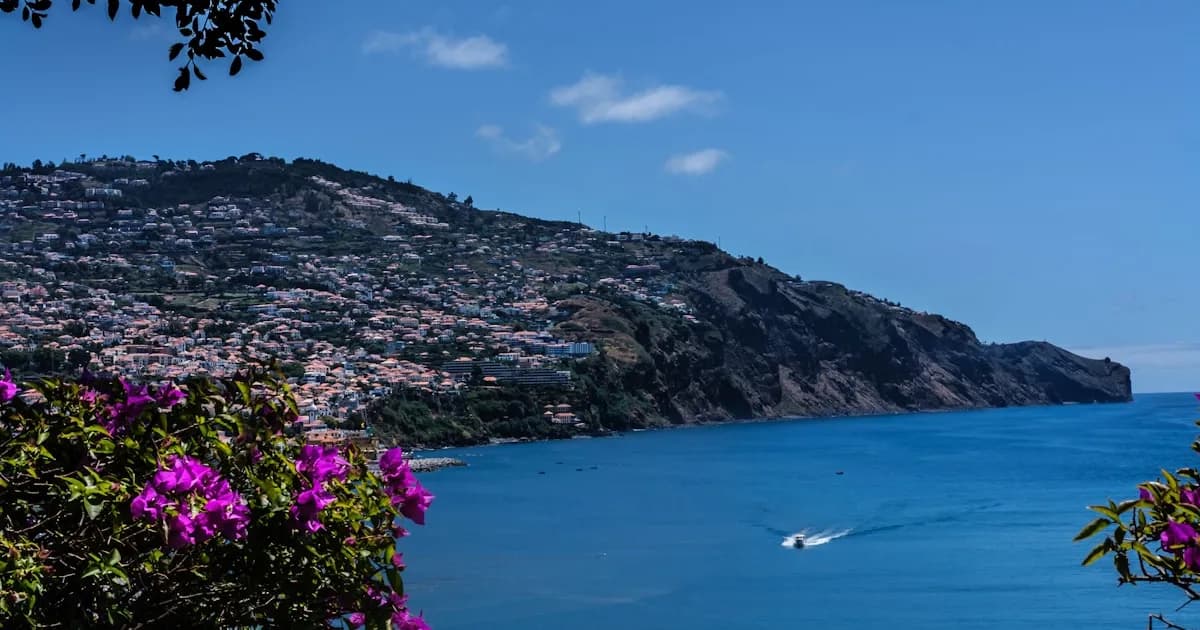
September in Madeira delivers reliably warm days with average temperatures around 24°C — often reaching 26 or 27°C on the south coast. The sea temperature hovers at a comfortable 23°C, making it one of the best months for swimming in the natural pools of Porto Moniz or the golden sand beach of Calheta.
Rainfall is minimal. September is statistically one of the driest months on the island, with most days offering unbroken sunshine along the coast. When rain does arrive, it tends to be brief and confined to the mountainous interior, leaving the coastal towns warm and dry.
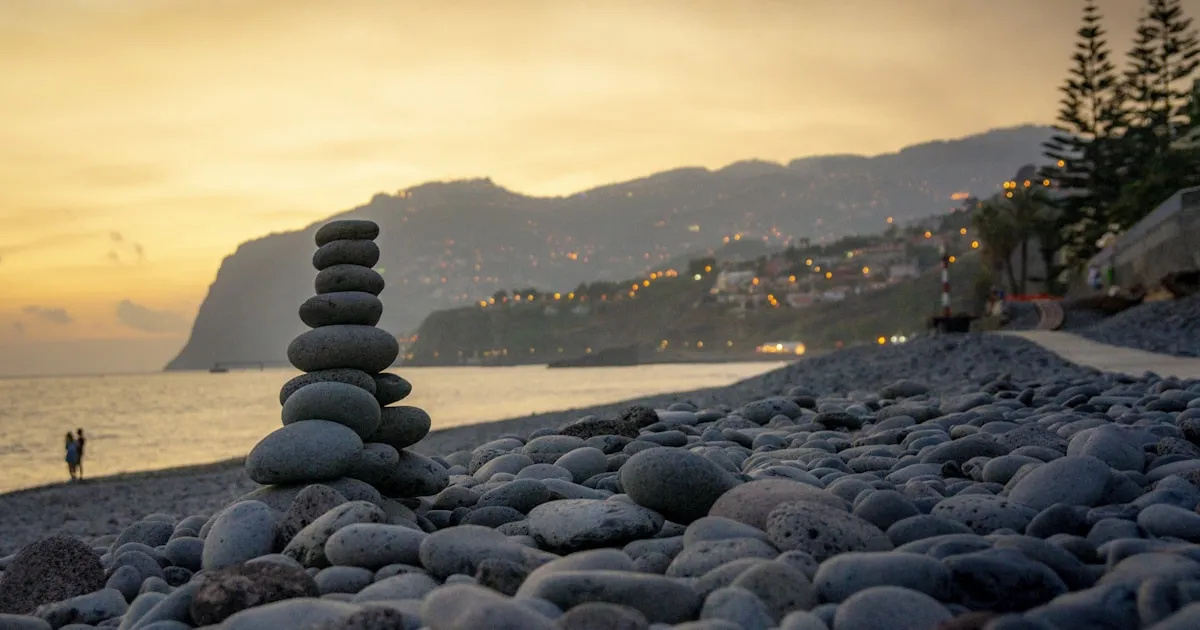
The light is exceptional. The sun still sits high enough to illuminate the dramatic valleys and sea cliffs, but the slightly softer angle compared to July creates a warmth in photographs and a richness in the landscape that high summer cannot match. Sunsets over the Atlantic are longer and more dramatic, with shades of copper and rose that linger well into the evening.
Fewer Tourists, Better Experiences
August is peak season in Madeira. Flights are full, hotels charge their highest rates, and popular levada trails can feel congested. By mid-September, the picture changes dramatically. Family holidays end as European schools reopen, and the island breathes again.
What does this mean in practice? Shorter queues at the cable car in Funchal. A table at your first-choice restaurant without booking three days ahead. The levada das 25 Fontes without a procession of hikers ahead of you. The natural pools of Porto Moniz with space to actually swim.
It also means more genuine interactions. When the tourist pressure eases, locals have more time and energy for conversation. The fisherman in Câmara de Lobos, the wine grower in Estreito, the café owner in São Vicente — September gives you access to the real Madeira that peak season obscures.
The Madeira Wine Festival
September coincides with the tail end of the Festa do Vinho da Madeira — the Madeira Wine Festival. This annual celebration of the grape harvest runs from late August into early September, and it is one of the island's most atmospheric cultural events.
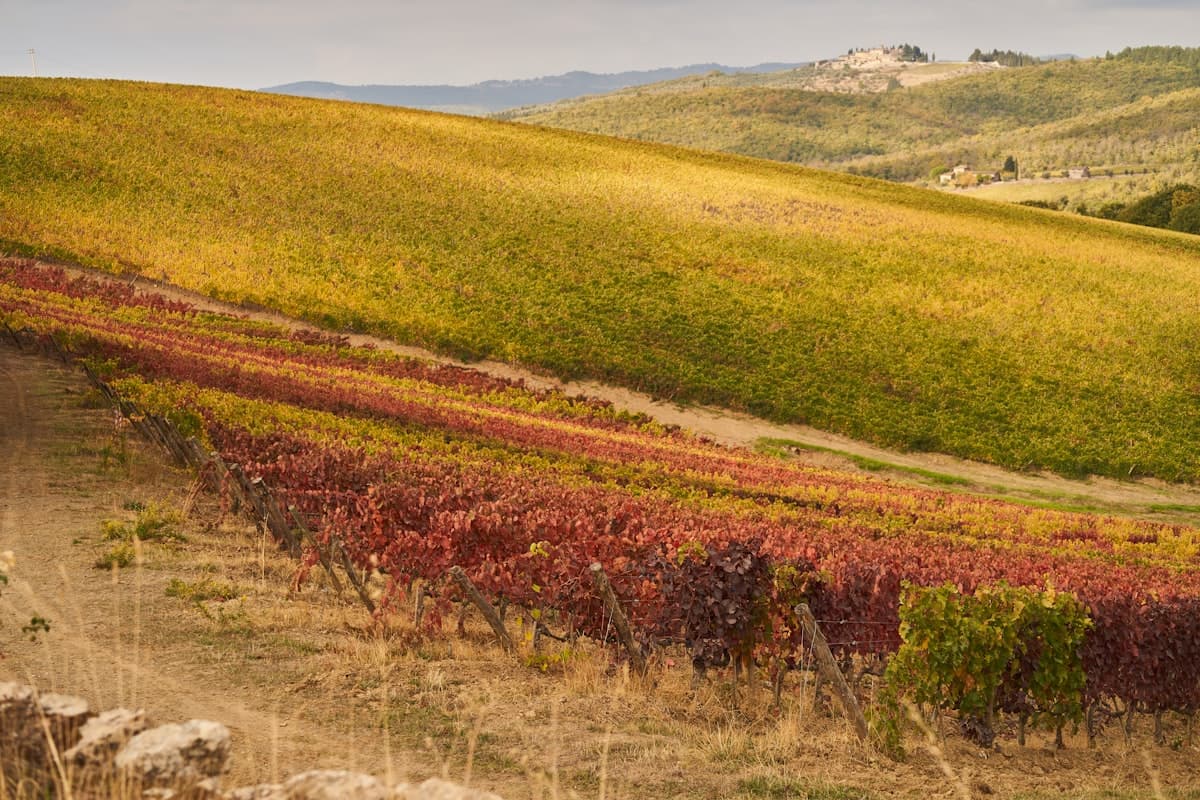
In Funchal, the streets come alive with live music, traditional dance, and wine tastings. In the countryside, the harvest continues on the terraced vineyards of Estreito de Câmara de Lobos and São Vicente. Some estates still practise the traditional grape-treading in stone lagares, and visitors are often invited to participate — barefoot, purple-ankled, and thoroughly delighted.
Madeira wine is one of the world's great fortified wines, produced in four main styles: Sercial (dry), Verdelho (medium dry), Boal (medium sweet), and Malmsey (rich and sweet). September is the perfect time to taste them at source, from the grand lodges of Blandy's in Funchal to the intimate family quintas in the hills.
Activities at Their Best
The combination of warm weather, calm seas, and fewer visitors makes September ideal for outdoor activities across the island.
Levada Hiking
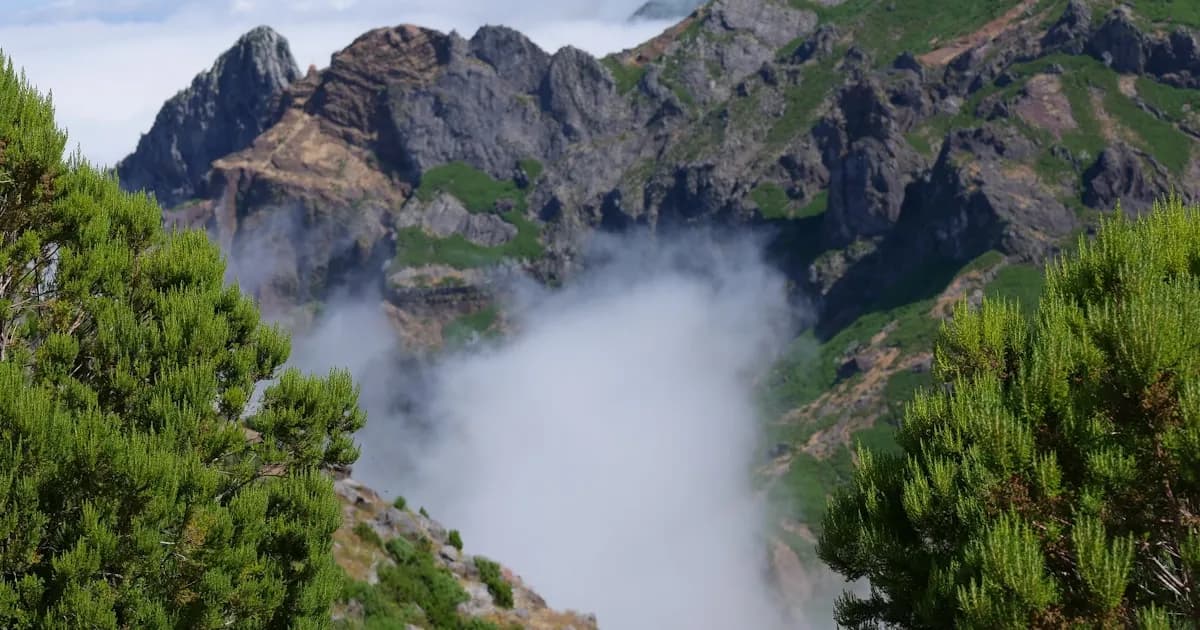
Madeira's 3,000-kilometre network of irrigation channels offers some of Europe's finest walking. In September, conditions are close to perfect — warm but not oppressively hot, with long daylight hours and dry trails. The laurisilva forest is lush and green, and the waterfalls are still flowing from the tail end of the summer melt.
Top September picks include Levada das 25 Fontes, Caldeirão Verde, and the spectacular Vereda do Fanal through the ancient til tree forest.
Swimming and Water Activities
With sea temperatures at 23°C, September is outstanding for water-based activities. The natural volcanic pools of Porto Moniz and Seixal are at their most inviting, and the calmer autumn seas create better conditions for kayaking, coasteering, and boat trips along the dramatic north coast.
The beach at Calheta — Madeira's only golden sand beach — is far more pleasant in September than in the crowded weeks of August.
Zipline and Giant Swing in Porto Moniz
The Adrenaline Adventures complex in Porto Moniz is spectacular in September. The summer queues have shortened, meaning you spend less time waiting and more time flying.
The 1.6-kilometre zipline — one of Europe's longest — sends you soaring at up to 110 km/h over the Atlantic, suspended more than 250 metres above the ocean. In September's clear air, the views extend for miles along the rugged north coast, and on good days you can see Porto Santo island on the horizon.
The giant swing delivers an unforgettable freefall before arcing you out over the cliff edge, with nothing below but crashing waves and volcanic rock.
September's warm, stable weather means fewer cancellations due to wind or rain, making it one of the most reliable months for booking these experiences. Check prices and availability at /en/precos.
Prices Drop — Value Rises
September delivers a noticeable drop in prices compared to July and August. Flights to Funchal are typically 15–25% cheaper, and accommodation rates fall across the board — from five-star hotels in Funchal to rural guesthouses on the north coast.
Car rental, which can be expensive and hard to find in peak summer, becomes more affordable and more available. Restaurant prices remain constant year-round, but the reduced competition for tables means you are more likely to enjoy the best dishes before they sell out.
In short, September gives you the same weather and the same island, but at a significantly lower cost and with a significantly better experience.
Combine It with an Adventure Day
If you are visiting Madeira in September, consider dedicating at least one day to the north coast and the Adrenaline Adventures complex in Porto Moniz. The drive from Funchal is an experience in itself — winding through banana plantations, laurel forests, and mountain tunnels before the dramatic descent to the coast.
After the zipline and giant swing, cool off in the Porto Moniz natural pools, have lunch at one of the waterfront restaurants, and drive back via the scenic route through São Vicente and the Encumeada pass. It is one of the finest single days you can spend on the island.
Ready to book your September adventure? Check our prices and packages.
Book Your Adventure
Frequently Asked Questions
Does it rain a lot in Madeira?
The south coast (Funchal area) gets much less rain than the north. Even in winter, you can expect sunshine most days in the south.
What is the warmest month?
August averages 25°C with sea temperatures reaching 23°C. July and September are similarly warm with fewer crowds.
Can I visit Madeira in winter?
Absolutely. Winter temperatures stay around 17-19°C, perfect for hiking. Plus you get Christmas lights and the famous New Year's Eve fireworks.
What should I pack for Madeira?
Layers are essential — weather changes quickly with altitude. Always bring a waterproof jacket, hiking shoes, and sunscreen.
Read Also
- Things to Do in Madeira — The complete guide to activities and experiences across the island.
- Best Time to Visit Madeira — Season-by-season breakdown to help you pick the perfect month.
- Autumn in Madeira — Why the autumn months deliver some of Madeira's finest experiences.