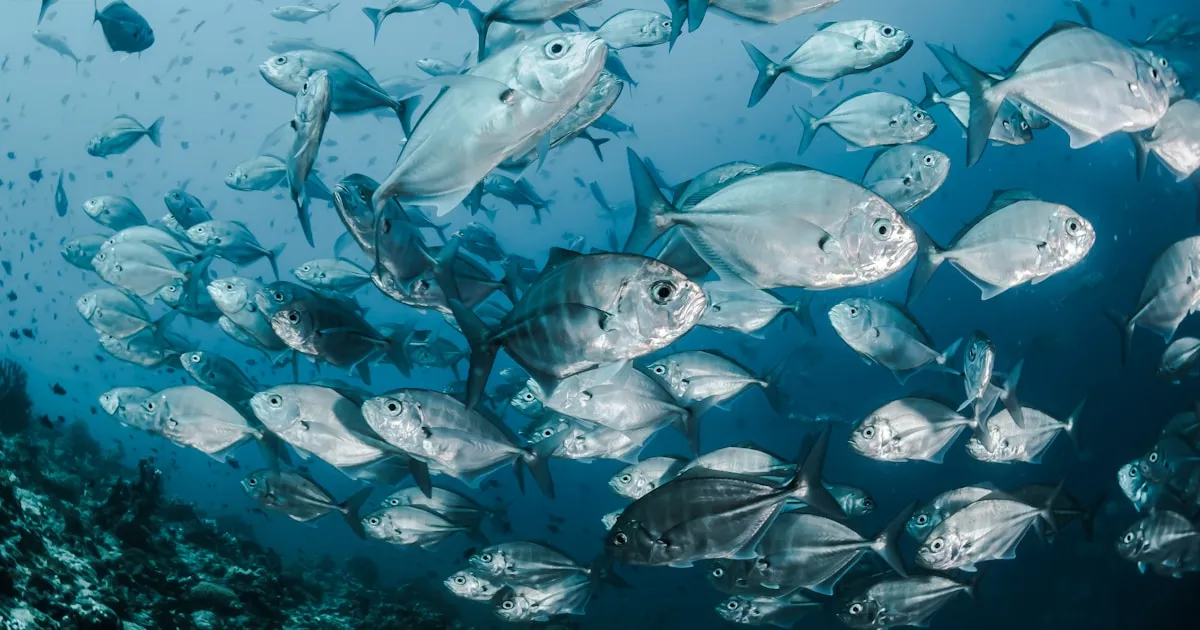
Madeira sits where the Gulf Stream meets the deep Atlantic, and that collision of warm currents and volcanic drop-offs creates one of the richest fishing grounds in Europe. Blue marlin, bigeye tuna, swordfish, and wahoo patrol these waters year-round, while the island's rugged coastline offers shore anglers access to species that most European fishermen only dream about.
Whether you want to fight a 500-kilo marlin from a charter boat off Funchal, cast a line from the black lava rocks of Porto Moniz, or try your hand at fly fishing in the mountain streams above Ribeira Brava, Madeira has something for every angler. Here is the complete guide to fishing on this extraordinary island.
Why Madeira Is a World-Class Fishing Destination
Madeira's geographic position is the key to everything. The island rises from the Atlantic seabed roughly 1,000 kilometres southwest of Lisbon, surrounded by water that plunges to over 3,000 metres just a few kilometres offshore. The Gulf Stream pushes warm, nutrient-rich water past the island, attracting massive pelagic species that follow the current year after year.
This is not a marketing claim — Madeira holds multiple IGFA (International Game Fish Association) world records, including records for blue marlin and bigeye tuna. The island has been hosting international big game fishing tournaments since the 1990s, and the waters around Funchal are recognised by sport fishing communities worldwide as one of the top destinations in the Atlantic.
What makes Madeira particularly special is the proximity of deep water to shore. Unlike many big game destinations where you need to travel hours offshore, Madeira's volcanic shelf drops sharply just a few nautical miles from the marina. That means less transit time and more fishing time, even on a half-day charter.
The waters around Madeira are home to over 200 fish species. Even on days when the big game is quiet, anglers regularly catch barracuda, amberjack, grouper, and various species of bream — so you are rarely going home empty-handed.
Types of Fishing in Madeira
Deep Sea Fishing Charters
Deep sea fishing is Madeira's headline attraction, and for good reason. The target species include some of the most sought-after game fish on the planet.
Blue Marlin — The undisputed king of Madeira's waters. Blue marlin weighing over 500 kilos have been caught here, and fish in the 200 to 400 kilo range are encountered regularly during the summer months. Fighting a blue marlin is an experience that can last anywhere from 30 minutes to several hours, and it is widely regarded as one of the ultimate challenges in sport fishing.
Bigeye Tuna — Madeira produces some of the largest bigeye tuna in the Atlantic, with fish regularly exceeding 100 kilos. They are powerful fighters that make long, deep runs, testing both angler and equipment.
Swordfish — These deep-water predators are typically targeted at night or during deep-drop sessions. Swordfish in Madeiran waters can reach over 200 kilos.
Yellowfin Tuna — Present throughout the warmer months, yellowfin are fast, aggressive, and make for excellent eating. Fish in the 20 to 60 kilo range are common.
Wahoo — One of the fastest fish in the ocean, wahoo are a thrilling catch on light tackle. They appear around Madeira from late spring through autumn.
White Marlin and Spearfish — Smaller than their blue cousins but no less exciting to catch, especially on lighter tackle.
Most deep sea charters depart from Funchal marina, though some also operate from Calheta. A typical day involves trolling with lures or live bait along the continental shelf edge, covering ground until a fish strikes. Boats are generally well-equipped with fighting chairs, outriggers, and experienced crews who know these waters intimately.
Prices: Half-day charters (4–5 hours) start from around €400 for a private boat, which can typically accommodate 4 to 6 anglers. Full-day charters (8–9 hours) range from €600 to €900 depending on the boat and season. Some operators offer shared trips from around €80 to €150 per person, which are a good option for solo travellers or couples who want to experience deep sea fishing without chartering an entire vessel.
Shore Fishing
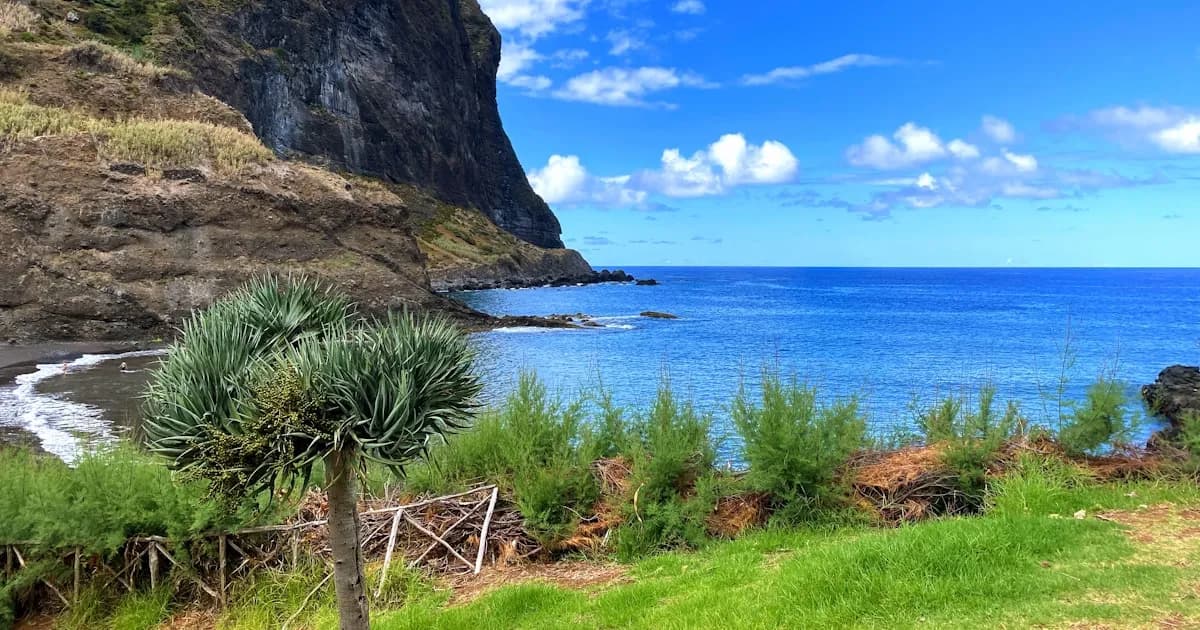
Madeira's volcanic coastline provides exceptional shore fishing opportunities that many visitors overlook. The island's rocky platforms, cliffs, and harbour walls offer access to deep, clean water teeming with fish.
Popular shore fishing species include white seabream, blacktail, parrotfish, grouper, moray eel, and various wrasse species. On the right day with the right conditions, you can also hook barracuda and amberjack from shore — species that would be considered exceptional catches anywhere else in Europe.
Best shore fishing spots:
- Funchal promenade and harbour walls — Easy access and surprisingly productive, especially early morning and late evening. Good for bream, wrasse, and occasional grouper.
- Camara de Lobos — The famous fishing village west of Funchal offers multiple rock platforms and harbour fishing. Excellent for white seabream and blacktail.
- Porto Moniz — The natural lava pools area has rock platforms that give access to deep water close to shore. Strong currents bring nutrients and attract a wide variety of species.
- Ponta de Sao Lourenco — The eastern tip of the island offers dramatic cliff fishing with deep water access. More exposed and challenging, but the potential catches are worth it.
- Machico — The bay and surrounding rocks offer more sheltered fishing for beginners, with consistent catches of bream and wrasse.
Shore fishing in Madeira requires sturdy footwear (the volcanic rock is extremely sharp and slippery when wet), a good sense of the tides and swell, and appropriate tackle for the conditions. A medium-heavy spinning rod with a strong reel is the most versatile setup.
Fly Fishing
While not as well known as the sea fishing, Madeira does offer fly fishing opportunities in the mountain streams and levada channels of the interior. Brown trout were introduced to the island's higher elevation streams decades ago, and small but healthy populations exist in several watercourses above 600 metres.
The fishing is intimate, with small streams running through laurel forest and steep valleys. A light rod (3 to 5 weight) and small nymphs or dry flies are the order of the day. This is not destination-quality trout fishing, but for fly anglers who happen to be visiting Madeira, it makes for a pleasant and unexpected diversion.
Some anglers also target coastal species on the fly from rock platforms, casting heavy streamers and poppers for barracuda and amberjack. This is challenging, physical fishing that rewards persistence.
Best Fishing Seasons in Madeira
Blue Marlin Season: June to October
This is the premier period for big game fishing in Madeira. Water temperatures rise above 22 degrees Celsius, and the large pelagic species move closer to the island. August and September are historically the peak months for blue marlin, with tournament-winning fish caught almost every year during this window.
Tuna Season: Year-Round, Peak April to November
Bigeye and yellowfin tuna are present around Madeira throughout the year, but the highest catch rates occur from late spring through autumn. Winter can still produce excellent tuna fishing, particularly for bigeye in deeper water.
Shore Fishing: Year-Round
Shore fishing in Madeira is productive in every month, though spring and autumn tend to offer the best combination of comfortable conditions and active fish. Summer heat can make midday sessions uncomfortable, and winter storms occasionally make exposed platforms unsafe. Early morning and late evening are the most productive times regardless of season.
The period from May to September offers the best overall fishing conditions in Madeira — warm water, calmer seas, and the full range of target species available. If your trip revolves around fishing, this is the window to aim for.
Regulations and Licences
Fishing in Madeira is regulated by Portuguese and regional Madeiran law. Here is what you need to know.
Recreational fishing licence: A licence is required for both shore and boat fishing. Recreational licences can be obtained online through the Portuguese fisheries authority (DGRM) website or at local maritime offices. The cost is modest — typically around €5 to €20 depending on duration and type.
Charter boat fishing: If you book a charter, the operator's licence typically covers all anglers on board. Confirm this when booking, but in most cases you do not need a separate individual licence for charter fishing.
Size and bag limits: Minimum size limits apply to most species, and daily bag limits are in place for recreational anglers. These regulations change periodically, so check current rules before your trip. Charter captains will know the current limits and ensure compliance.
Protected species: Several shark species, rays, and certain reef fish are protected in Madeiran waters and must be released if caught. Your charter crew will identify any protected species immediately.
Catch and Release
Madeira's sport fishing community strongly promotes catch and release, particularly for billfish (marlin, swordfish, spearfish). Most reputable charter operators practice tag-and-release for marlin as standard policy, contributing to ongoing research into Atlantic billfish populations.
This conservation approach has helped maintain Madeira's exceptional fishing quality over decades. If you book a big game charter, expect and embrace catch and release — it ensures these extraordinary fish will be here for future generations.
For tuna and other table fish, catch and keep is normal within legal limits. Many charter boats will prepare your catch for you to take to a restaurant, where local chefs are happy to cook it.
Combine a Fishing Morning with an Adventure Afternoon
One of the best things about fishing in Madeira is how easily it combines with the island's other activities. A typical half-day charter returns to the marina by early afternoon, leaving the rest of the day free for exploration.
At Adrenaline Adventures in Porto Moniz, you can fly over the Atlantic on a 1.6 km zipline reaching speeds of up to 110 km/h, or swing 250 metres above the ocean on the giant swing. Porto Moniz is roughly 90 minutes from Funchal by car, and the drive along the north coast is one of the most scenic routes on the island.
Imagine landing a tuna in the morning and soaring over the cliffs in the afternoon — it is the kind of day that only Madeira can deliver.
Check Zipline and Giant Swing PricesPractical Tips for Fishing in Madeira
- Book charters in advance: The best boats and captains fill up quickly during peak season (June–September). Book at least two to four weeks ahead if you want a specific date.
- Seasickness: Even experienced sailors can feel rough in the Atlantic swell. Take precautions — medication, wristbands, or a ginger-based remedy — and eat a light breakfast before heading out.
- Sun protection: The Madeiran sun is strong, especially reflected off the water. Bring high-SPF sunscreen, a hat, and polarised sunglasses (which also help you spot fish).
- Bring your own tackle for shore fishing: While charter boats provide all equipment, shore anglers should bring their own gear. Tackle shops in Funchal stock essentials, but selection is limited compared to mainland Europe.
- Respect the environment: Take all rubbish with you, use barbless hooks where possible, and handle fish carefully if practising catch and release. Madeira's marine ecosystem is precious.
- Rent a car: For shore fishing exploration, a rental car is essential. Many of the best spots are accessible only by coastal roads and short walks.
Madeira is one of those rare places where world-class big game fishing coexists with outstanding shore fishing, dramatic scenery, and an adventure scene that goes far beyond the water. Whether you are a seasoned angler chasing your first marlin or a casual fisher looking to cast a line from the rocks at sunset, this island delivers.
Plan Your Madeira AdventureFrequently Asked Questions
Do I need experience for adventure activities?
Most activities welcome beginners. Professional guides provide full briefings and all equipment is included.
What is the best adventure activity in Madeira?
The zipline at Porto Moniz is the top-rated experience — 1.6 km at 320m altitude with speeds up to 110 km/h over the Atlantic.
Can I combine multiple activities in one day?
Yes. A popular combo is the zipline and giant swing in the morning, followed by natural pools in Porto Moniz in the afternoon.
Are adventure activities safe for children?
Many activities welcome younger participants with adult supervision. Adrenaline's zipline and giant swing have no age limit — the only requirement is a weight between 35 kg and 120 kg, and minors need parental or guardian consent.
Read Also
- Things to Do in Madeira: Ultimate Guide — The complete guide to the best activities and experiences on the island.
- Best Adventures in Porto Moniz — Zipline, giant swing, and outdoor activities on Madeira's northwest coast.
- Outdoor Adventures in Madeira 2026 — The definitive guide to adrenaline and nature experiences this year.