Picture this: you leap from a volcanic ledge five metres above the Atlantic, plunge into water so clear you can see the basalt boulders on the seabed, surface to the sound of waves crashing against a cliff face, and then swim into a sea cave that glows turquoise from the light filtering through its entrance. That is coasteering in Madeira — and it is one of the most exhilarating ways to experience this island's extraordinary coastline.
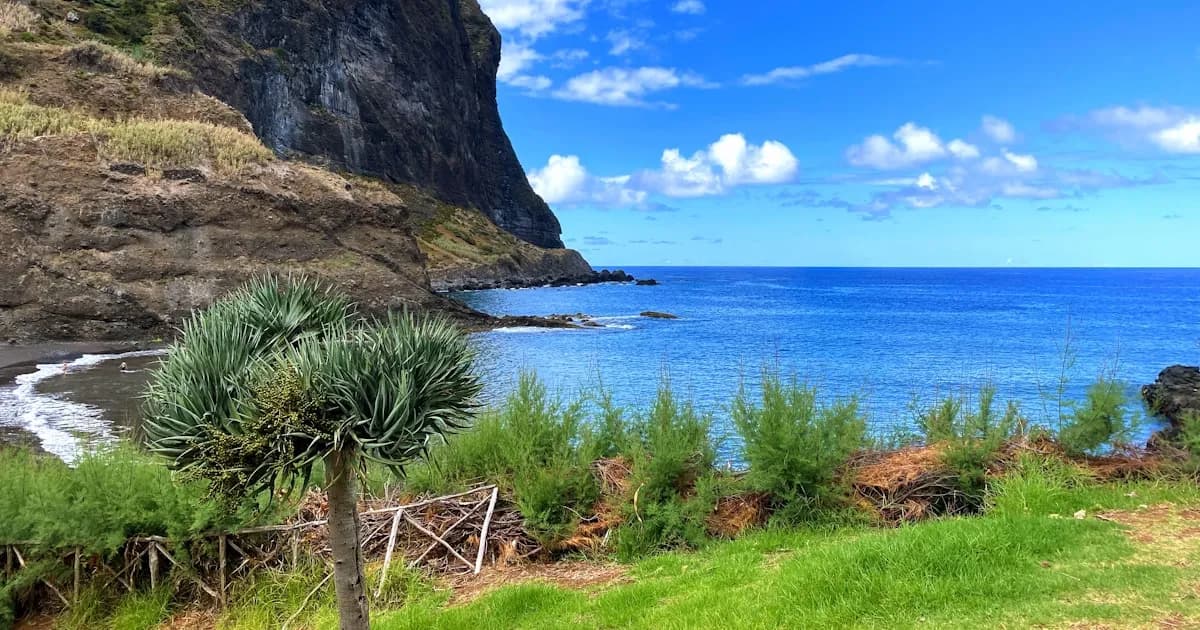
Madeira's volcanic shores were built for this sport. Millions of years of eruptions created dramatic sea cliffs, natural platforms, hidden caves, and rock pools that feel custom-designed for jumping, swimming, and exploring. Add warm Atlantic water, year-round sunshine, and some of the most spectacular coastal scenery in Europe, and you have a coasteering destination that rivals anywhere in the world.
What Is Coasteering?
Coasteering is the sport of exploring a rocky coastline at sea level, using a combination of cliff jumping, swimming, scrambling, and cave exploration — all without the need for a boat. You move along the coast on foot, in the water, and sometimes through the air, navigating the zone where land meets ocean.
Unlike other water sports, coasteering requires no prior experience and no specialist skills. If you can swim and you are comfortable being in the ocean, you can coasteer. There are no ropes, no technical equipment beyond a wetsuit and helmet, and no complicated techniques to learn. Your guide reads the sea conditions, chooses the route, and shows you where to jump, where to swim, and where to scramble.
The sport originated in Wales in the 1980s and has spread across Europe's Atlantic and Mediterranean coastlines. Madeira, with its volcanic geology and clear ocean water, is one of the finest locations for it anywhere.
Why Madeira's Volcanic Coast Is Perfect for Coasteering
Dramatic Volcanic Geology
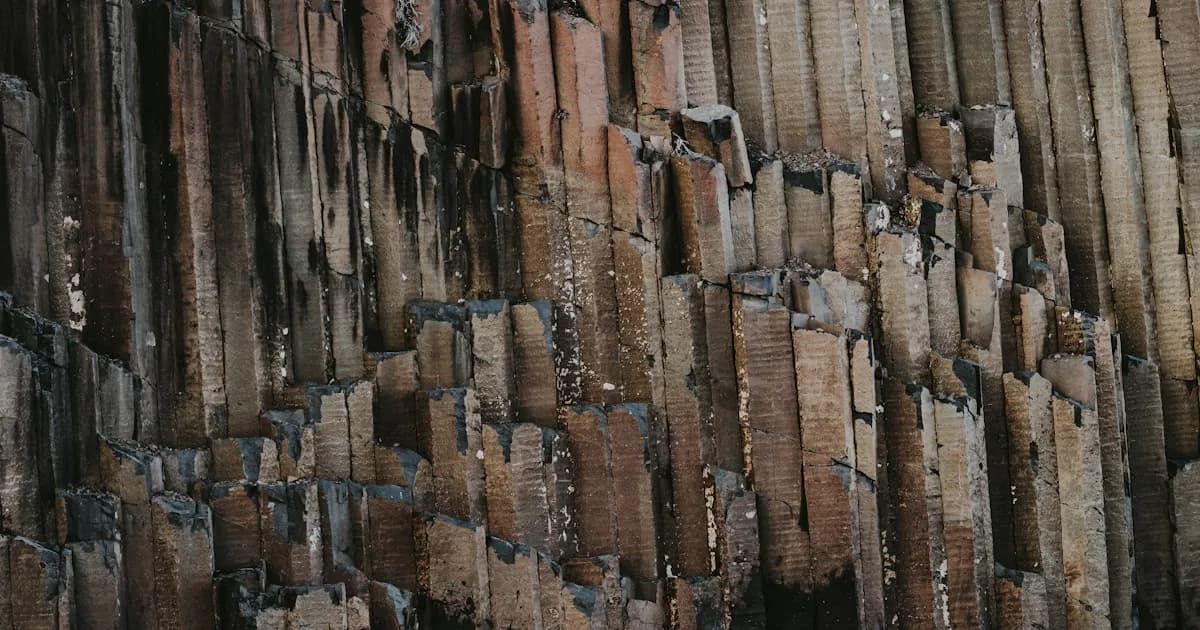
Madeira's coastline is not gentle sand and gradual slopes. It is basalt cliffs, lava formations, sea stacks, and rock shelves carved by millions of years of Atlantic waves hitting volcanic rock. This creates a natural obstacle course of ledges to jump from, channels to swim through, caves to explore, and platforms to rest on. The rock is rough-textured, providing excellent grip even when wet — essential for scrambling.
Crystal-Clear Atlantic Water
The water around Madeira is remarkably clear, with visibility often exceeding 20 metres. This is partly because the island sits in the open Atlantic, far from continental river sediment, and partly because the volcanic seabed does not produce the murky sand found on many mainland beaches. When you jump into the water, you can see exactly what is below you.
Sea Caves and Natural Arches
Volcanic rock erodes in fascinating ways. Along Madeira's coast, the ocean has carved out sea caves, tunnels, blowholes, and natural arches that are accessible on calm days. Swimming into a sea cave and watching the light play on the water and walls is one of coasteering's great pleasures — and Madeira has an abundance of them.
Comfortable Water Temperatures
Ocean temperatures around Madeira range from about 17 degrees Celsius in February to 24 degrees in September. Combined with a 5mm neoprene wetsuit (provided by operators), you can spend extended periods in the water without discomfort from May through October. Even outside peak season, the water is swimmable.
Sheltered and Exposed Options
The island's coastline faces every direction, which means guides can always find a stretch that is sheltered from the prevailing swell. The south coast tends to be calmer, while the north and west offer more dramatic conditions for experienced groups. This flexibility means coasteering in Madeira rarely gets cancelled due to sea state — the guide simply adjusts the location.
Best Coasteering Locations in Madeira
Porto Moniz and the Northwest Coast
The volcanic rock pools of Porto Moniz are famous, but the surrounding coastline is where coasteering really comes alive. The basalt formations here are extraordinary — towering sea stacks, natural arches, and deep channels carved into dark volcanic rock. The area offers jumps of varying heights, several swim-through caves, and some of the most visually striking coastal scenery on the island.
Ponta de São Lourenço
The eastern tip of Madeira is a nature reserve with a wild, windswept coastline. Coasteering here means scrambling across dramatic red and gold rock formations, jumping into deep blue water from layered volcanic shelves, and exploring a stretch of coast that feels genuinely remote despite being less than an hour from Funchal.
South Coast — Funchal to Câmara de Lobos
The south coast offers calmer conditions and warmer water, making it ideal for beginners and families. The coastline between Funchal and Câmara de Lobos features accessible entry and exit points, moderate jump heights, and several small caves. The views back toward Funchal and up to the mountains are spectacular.
Seixal and the North Coast
For those seeking a more adventurous experience, the north coast around Seixal delivers. The sea here is often more energetic, the cliffs higher, and the caves deeper. This area is best suited to confident swimmers and groups looking for a more challenging session.
What to Expect During a Coasteering Session
A typical coasteering session in Madeira lasts between 2 and 3.5 hours and follows a straightforward structure:
1. Meeting and Briefing
You meet your guide at the designated location, usually a car park near the coastline. You receive your wetsuit, helmet, and buoyancy aid (if used), and the guide delivers a thorough safety briefing covering jump technique, ocean awareness, hand signals, and what to do if you get separated from the group.
2. Warm-Up Entry
The session begins with an easy entry into the water — usually a short scramble down to a rock platform and a gentle jump or step into the sea. This lets everyone get accustomed to the water temperature and test their wetsuit fit.
3. The Route
Over the next 1.5 to 3 hours, the group moves along the coastline, alternating between:
- Cliff jumping: Leaping from rock ledges into deep water. Heights typically range from 2 to 10 metres, with most jumps in the 3 to 6 metre range. Every jump is optional — your guide always offers an alternative way around.
- Swimming: Crossing bays, navigating narrow channels between rocks, and swimming into and through sea caves. The wetsuit provides buoyancy, so even moderate swimmers feel comfortable.
- Scrambling: Climbing across rocks, traversing ledges, and pulling yourself up onto platforms. No climbing experience is needed — the volcanic rock provides excellent handholds.
- Cave exploring: Swimming or wading into sea caves, some of which open into chambers where the acoustics amplify the sound of the ocean. On calm days, guides may take the group through swim-through caves that connect to the open sea on the other side.
4. The Big Jump (Optional)
Most sessions build toward a finale — a higher jump of 7 to 10 metres for those who want the adrenaline peak. This is always completely optional, and there is zero pressure. Many people surprise themselves by going for it after the confidence built up during the session.
5. Exit and Debrief
The session ends at a designated exit point, and the group walks back to the meeting point. Expect plenty of smiling and storytelling.
Fitness Level and Requirements
Coasteering is accessible to a wider range of fitness levels than most adventure sports. You should be able to:
- Swim 50 metres in open water without assistance
- Tread water for a few minutes
- Walk on uneven rocky terrain for short distances
- Pull yourself up onto a rock ledge from the water (your guide and group members will help)
You do not need to be an athlete. The wetsuit provides significant buoyancy, the guide manages the pace, and the group moves together. Coasteering welcomes participants of a wide range of ages on calm-water sessions, provided you meet the swimming requirement.
Weight limits typically apply (usually 100 to 120 kg) based on buoyancy aid specifications.
People with a fear of heights can still enjoy coasteering — the lower jumps (2 to 3 metres) are barely higher than a diving board, and you always have the option to scramble or slide in instead of jumping.
Equipment — What Is Provided and What to Bring
Provided by the Operator
- Neoprene wetsuit (full-length, 5mm)
- Helmet
- Buoyancy aid (some operators) or wetsuit with built-in buoyancy
- Neoprene boots or water shoes with grip soles
What You Should Bring
- Swimsuit to wear under the wetsuit
- Towel and dry clothes for after
- Sunscreen applied before the session (reef-safe preferred)
- Water to drink afterwards
- Waterproof camera or GoPro if you want your own footage (many operators offer photo/video packages)
Leave valuables, jewellery, and phones in the car or with the operator. Anything that cannot survive being submerged in salt water should stay behind.
Prices
Coasteering in Madeira typically costs between €40 and €65 per person, depending on the location, session duration, and group size.
- Standard group session (2–2.5 hours): €40–€50
- Extended session (3–3.5 hours): €50–€65
- Private session (dedicated guide for your group): €55–€80 per person
Prices include all equipment (wetsuit, helmet, boots, buoyancy aid), a qualified guide, and insurance. Photo and video packages are usually available for an additional €10–€15.
Group discounts are common for parties of four or more. Family rates are sometimes available for groups with children.
Best Season for Coasteering in Madeira
The prime coasteering season runs from May to October, when ocean temperatures are warmest (20–24 degrees Celsius), sea conditions are generally calmer, and daylight hours are longest.
- May–June: Excellent conditions, warm water, fewer crowds than peak summer. Ideal for anyone who wants a quieter experience.
- July–August: Peak season. Warmest water, calmest seas, longest days. Book well in advance.
- September–October: Water is still warm from summer, crowds thin out, and the light is beautiful. Many locals consider this the best time.
Coasteering is possible outside these months, particularly on the sheltered south coast, but sessions may be shorter and the water is cooler. Operators adjust routes and timing based on daily conditions.
Safety
Coasteering involves the ocean, rocks, and jumping from heights — all of which carry inherent risk. However, with a qualified guide and proper equipment, it has an excellent safety record.
What a good operator provides:
- Guides with coasteering or water sports qualifications and local knowledge
- Daily assessment of sea conditions, swell, tides, and weather
- Well-maintained equipment inspected before every session
- Small group sizes (typically 6 to 10 participants per guide)
- A comprehensive safety briefing
- Willingness to change location or cancel when conditions are unsuitable
Your responsibilities as a participant:
- Be honest about your swimming ability — this is not the place to overestimate
- Listen carefully to your guide's instructions, especially regarding jump positions and water entry
- Never jump without your guide checking the depth and conditions first
- Stay with the group
- Inform your guide of any medical conditions, injuries, or medications
- If you feel uncomfortable at any point, say so immediately — a good guide will adapt
Ocean conditions can change during a session. A competent guide continuously reads the water and adjusts the route accordingly. If conditions deteriorate, the session may be shortened or the route modified — this is a sign of a good operator, not a bad one.
Combine Coasteering with a Zipline for the Ultimate Adventure Day
If you are spending a day on Madeira's northwest coast for coasteering, you are already close to Adrenaline Adventures in Porto Moniz. An afternoon on the 1.6-kilometre zipline soaring over the Atlantic at up to 110 km/h is the perfect complement to a morning spent at sea level.
Coasteering immerses you in the ocean — swimming through caves, jumping from cliffs, feeling the power of the Atlantic up close. The zipline lifts you above it all, with the volcanic coastline stretching below and the ocean extending to the horizon. Together, they offer two completely different perspectives on Madeira's extraordinary coast, and they make for an adventure day you will not forget.
Check Prices and Book Your AdventureFrequently Asked Questions
Do I need experience for adventure activities?
Most activities welcome beginners. Professional guides provide full briefings and all equipment is included.
What is the best adventure activity in Madeira?
The zipline at Porto Moniz is the top-rated experience — 1.6 km at 320m altitude with speeds up to 110 km/h over the Atlantic.
Can I combine multiple activities in one day?
Yes. A popular combo is the zipline and giant swing in the morning, followed by natural pools in Porto Moniz in the afternoon.
Are adventure activities safe for children?
Many activities welcome younger participants with adult supervision. Adrenaline's zipline and giant swing have no age limit — the only requirement is a weight between 35 kg and 120 kg, and minors need parental or guardian consent.
Read Also
- 25 Best Things to Do in Madeira — The ultimate activity guide covering everything from levada walks to whale watching.
- Canyoning in Madeira — The Complete Adventure Guide — Everything about exploring Madeira's volcanic gorges with rappelling, jumping, and natural slides.
- Adventure Safety Tips for Madeira — Essential safety advice for every adventure activity on the island.