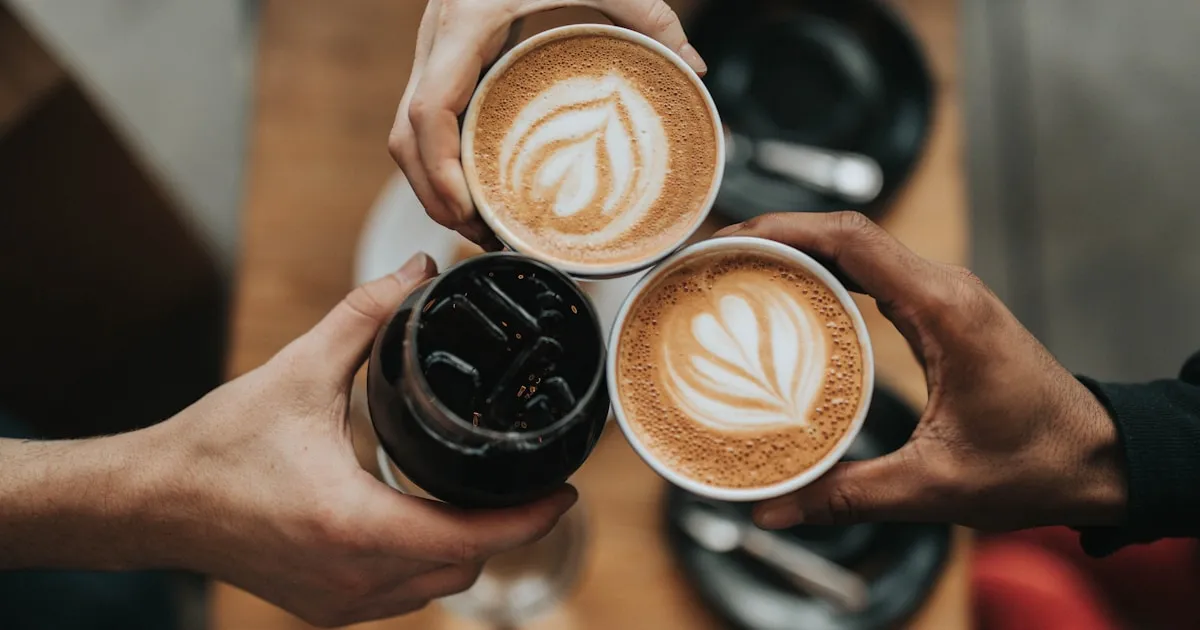
Coffee in Madeira is not just a drink — it is a ritual, a social anchor, and a way of life. The Portuguese take their coffee seriously, and on this subtropical island in the Atlantic, the tradition runs even deeper. Whether you are standing at a marble counter knocking back an espresso in thirty seconds flat or lingering over a galao with a view of the harbour, understanding Madeira's coffee culture will transform your visit.
Portuguese Coffee Traditions You Need to Know
The Language of Coffee
Walk into any cafe in Funchal and you will quickly realise that ordering "a coffee" is far too vague. In Portugal, coffee has its own vocabulary, and knowing it marks the difference between a tourist and a traveller.
Bica — A single espresso, strong and short. This is the default coffee across Portugal. In Madeira, as in Lisbon, it arrives in a small white cup, thick and intense. If you simply ask for "um cafe," this is what you will get.
Chinesa — Unique to Madeira. A chinesa is a weaker, longer espresso — essentially a bica pulled with more water. The name, meaning "Chinese," has murky origins, but the drink is beloved by locals who prefer something lighter without losing the ritual of standing at the counter.
Garoto — A small espresso with a splash of steamed milk. Think of it as Portugal's answer to a cortado. Perfect for those who want the intensity of espresso softened just slightly.
Galao — A tall glass filled with steamed milk and a shot of espresso. This is the closest thing to a latte you will find in a traditional Portuguese cafe. Ideal for a slower morning.
Meia de leite — Half coffee, half hot milk, served in a cup rather than a glass. A breakfast staple.
Order at the counter (balcao) rather than sitting at a table — your coffee will cost less and you will look like a local. Most Madeirans drink their bica standing up in under a minute.
The Counter Culture
Portuguese cafe culture is built around the counter. Locals pop in several times a day — before work, mid-morning, after lunch, mid-afternoon — for a quick bica and a few words with the barista. There is no rush to find a seat. The coffee is fast, cheap (usually around €0.70–1.00 for an espresso at the counter), and social. This rhythm is the heartbeat of daily life in Funchal.
Best Cafes in Funchal
Ritz Cafe — Funchal's Living Room
Situated on Rua do Carmo in the heart of Funchal, Ritz Cafe has been a gathering place since the mid-20th century. With its Art Deco interior, tiled walls, and wood-panelled booths, it feels like stepping into another era. The coffee is excellent, the pastries are traditional, and the atmosphere is genuinely local. Politicians, artists, and ordinary Madeirans share the same marble counter. Order a bica and a pastel de nata and soak in the history.
Loja do Cha
Tucked into a narrow street near the Se Cathedral, Loja do Cha is an unexpected gem. Originally a tea house (as the name suggests), it now serves outstanding coffee alongside an impressive selection of loose-leaf teas. The interior is small, colourful, and bohemian. It is a favourite among creative types and a wonderful place to slow down. Try the iced coffee in summer — it is made properly, not drowned in syrup.
Blandy's Garden Cafe
Inside the Monte Palace Tropical Garden, this cafe offers something no downtown spot can match — lush greenery, exotic plants, and absolute tranquillity. After climbing the garden paths, settling into a chair here with a galao feels earned. The coffee is solid, the setting is extraordinary, and the bolo de mel (honey cake) pairing is perfect.
Golden Gate Grand Cafe
On Avenida Arriaga, Funchal's main boulevard, Golden Gate has occupied the same corner since 1841. It is one of the oldest cafes on the island. The terrace is ideal for people-watching, the interior has preserved its period charm, and the coffee is consistently good. Winston Churchill reportedly drank here during his visits to Madeira. Whether or not that is true, the ambience earns the legend.
Funchal's historic cafes are busiest between 10:00–11:00 and 15:00–16:00 — the traditional coffee hours. Visit outside these windows for a quieter experience, or embrace the bustle for the authentic atmosphere.
Cafe Culture Etiquette
A few unwritten rules will help you blend in:
- Pay at the till, not the table. In many traditional cafes, you order at the counter, drink, then pay at the caixa (till) on your way out. Trust is part of the system.
- Do not linger at the counter. The counter is for quick coffees. If you want to sit and work or read, take a table — and expect to pay slightly more.
- Sugar is personal. Most Portuguese add sugar to their espresso. There is no judgement either way, but the sugar packets are always within reach.
- Tipping is minimal. Leaving small change (€0.10–0.20) on the counter is common but not expected. At a table, rounding up the bill is sufficient.
- Pastries are part of the deal. A coffee without a pastry is perfectly acceptable, but the display case is there for a reason. Pastel de nata, bolo de arroz, and queijada are all classic companions.
Digital Nomad Spots with Wi-Fi
Funchal has quietly become one of Europe's most appealing digital nomad destinations, and the cafe scene has evolved to match. These spots combine good coffee with reliable Wi-Fi and a work-friendly atmosphere.
Garage Wine Bar & Coffee — Despite the name, the coffee here is taken seriously. Fast Wi-Fi, plenty of power outlets, and a relaxed vibe make it one of the top remote-working spots in Funchal. The courtyard is a bonus on warm days.
The Terrace Coffee & Wine — Located in the Hotel Zone with sea views, this spot attracts a mix of locals and remote workers. The Wi-Fi is dependable, the coffee is specialty-grade, and nobody minds if you stay for three hours.
Se Boutique Hotel Cafe — Open to non-guests, this cafe near the cathedral offers a quiet workspace with strong coffee and a calm atmosphere. Less crowded than the more popular spots, it is ideal for focused work sessions.
Funchal's Coworking Cafes — Several spaces in the old town now offer hybrid cafe-coworking setups. They provide fast internet, comfortable seating, and the social element that working from your apartment lacks.
Most traditional cafes in Funchal do not have Wi-Fi and are not designed for laptop work. If you need to get online, stick to the newer specialty coffee shops or dedicated coworking-friendly spots listed above.
Bolo de Mel and Coffee: The Perfect Pairing
No guide to Madeiran coffee culture is complete without bolo de mel — the island's traditional honey cake. Dense, dark, and richly spiced with cinnamon, cloves, and fennel, bolo de mel is traditionally baked at Christmas but available year-round in most cafes and bakeries.
The pairing with a strong bica is remarkable. The bitterness of the espresso cuts through the sweetness of the molasses-like cake, while the spices linger on the palate between sips. It is one of those combinations that only works because of the specific character of each element — mainland Portuguese pastries do not produce the same effect.
You will also find bolo de mel served with a chinesa, which some locals prefer. The lighter extraction lets the cake's complexity come through without competing for dominance.
The Perfect Funchal Cafe Crawl
Here is a morning itinerary that takes you through the best of Funchal's coffee scene in about three hours:
09:00 — Golden Gate Grand Cafe Start on Avenida Arriaga with a bica at the counter. Admire the vintage interior, watch the city wake up from the terrace.
09:45 — Mercado dos Lavradores Walk to the farmers' market. Grab a fresh passion fruit juice (not coffee — pace yourself) and browse the exotic fruit stalls.
10:30 — Ritz Cafe Head to Rua do Carmo for a garoto and a pastel de nata. This is the social heart of Funchal's coffee scene — savour the atmosphere.
11:15 — Loja do Cha Wind through the narrow streets to this bohemian gem. Try their specialty coffee or an iced option if the morning is warm.
12:00 — Se Boutique Hotel Cafe End with a chinesa and a slice of bolo de mel, sitting quietly near the cathedral. You have earned the calm.
This crawl covers Funchal's old town, the market district, and the cathedral quarter — three distinct neighbourhoods, five distinct coffee experiences.
Combine Your Morning Cafe Crawl with an Afternoon of Adventure
After a morning steeped in coffee culture, the afternoon is yours for something completely different. Drive forty minutes north from Funchal to Porto Moniz, where Adrenaline Adventures offers the longest zipline in Madeira and one of Europe's most spectacular giant swings.
The contrast is part of the magic — a slow, civilised morning exploring Funchal's historic cafes followed by an adrenaline rush above the dramatic cliffs of Madeira's north coast. It is the kind of day that captures everything this island does best: culture, flavour, and pure exhilaration.
Book Your Afternoon AdventureFrequently Asked Questions
What is the must-try dish in Madeira?
Espetada — beef skewered on laurel wood sticks and grilled over charcoal. Pair it with bolo do caco bread and a glass of Madeira wine.
How much does a meal cost in Madeira?
A prato do dia (daily special) costs €6-8. A full dinner at a mid-range restaurant averages €15-25 per person.
Is Madeira wine sweet?
Madeira wine ranges from bone-dry (Sercial) to sweet (Malmsey). There are four noble varieties to suit every palate.
Are there vegetarian options?
Yes, most restaurants offer vegetarian dishes. Try grilled vegetables, sopas, açorda, and the abundant tropical fruit.
Read Also
- Madeira Food Guide: What and Where to Eat — The complete guide to Madeiran cuisine, from espetada to poncha.
- Things to Do in Funchal — Everything worth seeing and doing in Madeira's capital.
- Madeira Digital Nomad Guide — Why Funchal is one of Europe's best remote work destinations.