Madeira's food is the kind that stays with you long after the tan fades. Shaped by centuries of Atlantic trade, volcanic soil, and a subtropical climate that grows things the mainland can only dream of, the island's cuisine is bold, honest, and unapologetically unique. These are the 15 traditional dishes every visitor should eat at least once — and where to find the best versions.
Meat and Skewers
1. Espetada em Pau de Louro
The crown jewel of Madeiran gastronomy. Large cubes of beef, seasoned simply with coarse salt, garlic, and bay leaf, are threaded onto a laurel wood skewer and grilled over ember. The laurel branch infuses the meat with a smoky, aromatic flavour that no metal skewer could replicate. In traditional restaurants, the espetada hangs from a hook above your table — a presentation that's as theatrical as it is practical, letting the juices drip onto slices of bolo do caco below.
Where to eat it: Restaurante Grutas in São Vicente serves espetada the old way, over real coals. In Funchal, O Tasco in the Old Town is reliable. Up in the mountains around Curral das Freiras, small tascas grill espetada outdoors on weekends — follow the smoke.
2. Picado
Madeira's answer to bar food. Small cubes of beef are fried in garlic and butter, tossed with hot piri-piri, and served on a plate of milho frito (fried cornmeal cubes). It's salty, spicy, fiery, and perfect with a cold beer. Picado is everywhere — from simple tascas to family restaurants — and it's the dish locals reach for on a Friday night.
Where to eat it: Any neighbourhood tasca in Funchal's backstreets. Avoid the tourist-facing restaurants on the marina and head uphill to where the locals drink. Snack Bar O Lagar in Camera de Lobos is a local favourite.
3. Carne de Vinha d'Alhos
The ancestor of the Indian vindaloo — and yes, that's a real connection. Pork is marinated for days in wine vinegar, garlic, bay leaf, and pimenta (pepper), then slow-cooked until the meat falls apart. Portuguese sailors carried this recipe to Goa, where it evolved into the curry we know today. In Madeira, it remains a celebration dish, especially at Christmas and New Year, served with crusty bread to soak up every drop of the tangy, wine-dark sauce.
Where to eat it: Most traditional restaurants serve carne de vinha d'alhos during the festive season (December and January). Year-round, try Armazém do Sal in Funchal or Venda da Donna Maria in Machico.
Carne de vinha d'alhos is best after two or three days of marination. If a restaurant tells you they prepare it fresh that day, it won't have the depth. Ask how long it's been marinating.
Seafood and Fish
4. Espada com Banana (Black Scabbard Fish with Banana)
If one dish defines Madeira's culinary identity, it's this one. The black scabbard fish (espada preta) is hauled up from depths of 800 to 1,200 metres in the waters off Câmara de Lobos, where a dedicated fleet still fishes the old way, with hook and line. The fish is filleted, lightly battered, and fried, then served alongside sliced banana — sometimes fried, sometimes fresh with a passion fruit sauce. The combination sounds odd but works brilliantly: the delicate white flesh against the sweet tropical fruit.
Where to eat it: Restaurante Gavião Novo in Funchal's Old Town does a classic version. At Mercado dos Lavradores, you can buy the fresh fish and see the fishermen's catch each morning. On the south coast, Câmara de Lobos is the heartland of espada fishing — eat it where it's caught.
5. Lapas (Limpets)
Grilled limpets with garlic butter and a squeeze of lemon. Simple, primal, extraordinary. These small shellfish cling to the volcanic rocks along Madeira's coastline and are prised off by hand. Served sizzling in their shells on a hot plate, they taste of pure ocean and smoke. Lapas are a starter, a snack, and a way of life on this island.
Where to eat it: Restaurante Cachalote in Porto Moniz, perched directly on the volcanic rocks with views over the natural pools. On the south coast, Bar/Restaurante Praia Formosa serves them fresh off the rocks below. Anywhere on the coast that smells of grilled garlic butter is likely serving lapas.
6. Gaiado (Skipjack Tuna)
Gaiado is the working-class fish of Madeira — skipjack tuna caught by local fishermen and eaten fresh, fried, or stewed. Unlike its noble cousin, bluefin, gaiado is affordable, sustainable, and deeply embedded in everyday Madeiran cooking. It's often served fried with fried corn (milho frito) and a simple salad, or stewed with tomatoes and onions in a rich, homely broth.
Where to eat it: Fish restaurants in Câmara de Lobos and Paul do Mar. Gaiado is a lunch fish — you'll find it on the menu do dia at family tascas across the island.
7. Atum (Fresh Tuna)
When the tuna are running, Madeira's restaurants light up. Fresh tuna — usually yellowfin or bigeye — is grilled in thick steaks, sometimes with a wine and garlic sauce, sometimes just olive oil and sea salt. The quality rivals anything you'd find in Japan. Madeira's position in the Atlantic migration path means the tuna arriving here are in prime condition.
Where to eat it: Restaurante Doca do Cavacas in Funchal for grilled tuna with ocean views. In the north, Porto Moniz and Seixal serve tuna caught that morning. During summer, look for tuna festivals in coastal villages.
Bread and Sides
8. Bolo do Caco
Madeira's signature bread — a round, flat loaf made with sweet potato dough and baked on a hot basalt stone slab (the caco). Split open and smeared with garlic and herb butter, bolo do caco is the first thing you should eat when you land and the last thing you should eat before you leave. It accompanies almost every meal on the island, served warm from the stone.
Where to eat it: Everywhere. Literally everywhere. Street vendors sell bolo do caco sandwiches (with ham, cheese, or steak) at markets and roadside stalls. For the best freshly baked version, seek out traditional bakeries in smaller villages. At Mercado dos Lavradores, the upstairs bakery stalls are excellent.
9. Milho Frito (Fried Cornmeal)
Golden cubes of cornmeal, fried until crispy on the outside and soft within. Milho frito is the traditional side dish of Madeira, served alongside espetada, picado, and grilled fish. Think of it as Madeiran polenta — made from cornmeal boiled with water, garlic, and salt, set in a slab, then cut into cubes and fried in olive oil or lard.
Where to eat it: Served as a standard side dish in most traditional restaurants. The crispiest versions come from places that fry to order rather than in batches.
10. Açorda
A thick, rustic bread soup — or rather, a bread stew. Stale bread is soaked in a rich broth of garlic, olive oil, coriander, and often egg, creating something between a porridge and a soup. Açorda is peasant food in the noblest sense: resourceful, flavourful, and warming. In Madeira, it often comes enriched with seafood or local greens.
Where to eat it: Traditional tascas in rural areas, particularly around Santana and the north coast. It's a winter dish by tradition, though some restaurants serve it year-round.
Açorda is one of the oldest dishes in Portuguese cuisine, dating back to Moorish influence on the Iberian Peninsula. Each region of Portugal has its own version — Madeira's is typically thicker and heartier than the mainland's.
Soups and Stews
11. Sopa de Tomate e Cebola (Tomato and Onion Soup)
Don't let the simplicity fool you. This tomato and onion soup, finished with a poached egg on top, is pure comfort. Made from Madeiran tomatoes — small, intensely flavoured, and sun-ripened — it has a sweetness and depth that supermarket tomatoes can't match. The poached egg melts into the broth, making it silky and rich.
Where to eat it: Almost every traditional restaurant serves this as a starter. It's one of those dishes that's so simple and so good that no one bothers to reinvent it. Restaurante A Seta in Monte is known for theirs.
Sweets and Desserts
12. Bolo de Mel (Honey Cake)
Despite the name, bolo de mel contains no honey — it's made with cane molasses (mel de cana), which gives it an intense, dark, almost treacly sweetness. Dense with walnuts, almonds, and warming spices like cinnamon and clove, this cake has been baked on the island for centuries. Tradition holds that bolo de mel should be broken by hand, never cut with a knife. It lasts for months and is baked especially for Christmas, though you'll find it year-round.
Where to eat it: Fábrica Santo António in Funchal, a traditional bakery operating since 1893. Also available at Mercado dos Lavradores and in souvenir shops across the island — but the artisanal versions are incomparably better.
13. Queijadas (Sweet Cheese Tarts)
Small, crispy pastry cups filled with a sweet, slightly tangy mixture of fresh cheese (requeijão), sugar, eggs, and a hint of lemon. Queijadas are a grab-and-go treat found in every bakery and café on the island. Light, sweet, and dangerously moreish.
Where to eat it: Any pastelaria (pastry shop) in Funchal. Fábrica Santo António is again the reference. In smaller towns, village bakeries often make queijadas fresh each morning.
Seasonal and Foraged
14. Castanhas (Chestnuts)
Chestnuts are woven into Madeiran culture. The island's chestnut forests, particularly around Curral das Freiras (the Valley of the Nuns), have sustained mountain communities for centuries. In autumn and winter, roasted chestnuts fill the streets. They appear in soups, stews, desserts, and as the base for the local chestnut liqueur. The Festa da Castanha (Chestnut Festival) in Curral das Freiras each November is a celebration of this humble nut.
Where to eat it: Curral das Freiras is the chestnut capital. Visit during the Festa da Castanha (November) for roasted chestnuts, chestnut soup, chestnut cake, chestnut bread, and chestnut liqueur. Year-round, restaurants in the valley serve chestnut-based dishes.
15. Frutas Exóticas (Exotic Fruits)
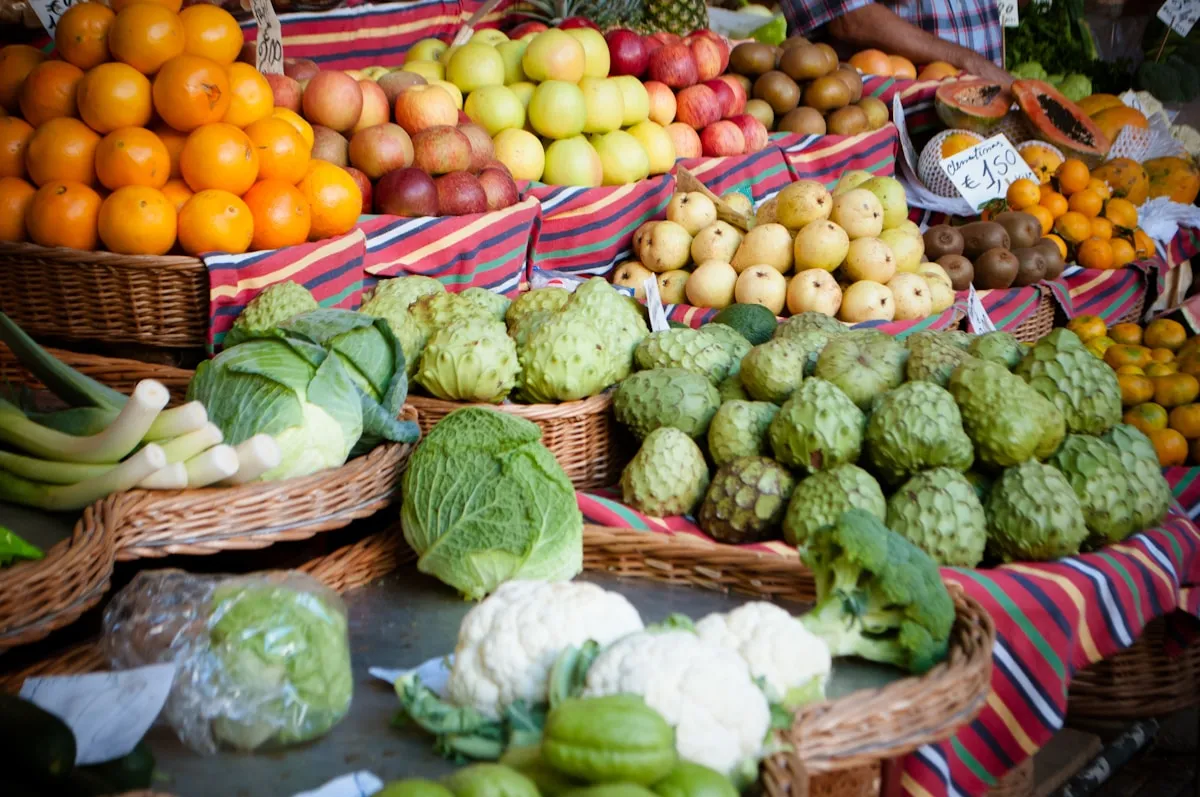
Madeira's subtropical climate produces fruits that most Europeans have never tasted fresh. Custard apple (anona), tamarillo (tomate inglês), passion fruit (maracujá), monstera deliciosa (banana-do-mato), pitanga, and guava all grow on the island. Eating a ripe anona, scooped straight from the skin with a spoon, is a revelation. These fruits appear in juices, desserts, ice creams, and sauces across the island.
Where to eat it: Mercado dos Lavradores in Funchal is the ultimate showcase. Stallholders will offer tastings — try everything. For exotic fruit ice cream, Gelataria Natural in Funchal makes sorbets from local fruit. Along the south coast, roadside fruit stalls sell whatever is in season at honest prices.
Visit Mercado dos Lavradores before 11:00 in the morning for the freshest selection and fewest crowds. When stallholders offer tastings, it's genuine hospitality — but be aware that prices at the market can be higher than at local shops. Check prices before buying in bulk.
Food Tours and Culinary Experiences
For visitors who want the full picture, Madeira offers several food-focused experiences that go beyond restaurant dining:
- Mercado dos Lavradores guided tours — Walk through the market with a local who explains the history behind each product, from espada preta to exotic fruits. Usually includes tastings.
- Poncha and tapas tastings — Several operators in Funchal's Old Town run evening walks combining poncha bars with tapas at traditional tascas.
- Farm-to-table experiences — Small farms in the hills above Funchal and on the north coast offer cooking classes where you harvest ingredients and prepare traditional dishes.
- Espetada BBQ experiences — Some rural quintas (country estates) host traditional espetada barbecues, cooking over laurel wood outdoors exactly as it's been done for generations.
- Madeira wine lodge visits — Blandy's Wine Lodge and Pereira d'Oliveira in Funchal offer tastings and tours through centuries-old cellars.
Combine a morning of adventure at Porto Moniz with a long afternoon of food exploration — the island is small enough to do both in a single day.
Book Your Madeira AdventurePractical Tips for Eating in Madeira
- Menu do dia at lunch (typically €8–12) is the best value on the island — two courses, bread, and a drink
- Portions are large — sharing a starter and ordering one main each is perfectly acceptable
- Reservations are rarely needed except at upscale restaurants in Funchal on weekends
- Tipping is not obligatory, but rounding up or leaving 5–10% is appreciated
- Vegetarian options are limited in traditional restaurants, but improving — ask for grelhada de legumes (grilled vegetables) or sopa de agrião (watercress soup)
- Eat where locals eat — the best food in Madeira is found in simple tascas, not in waterfront restaurants with multilingual menus
Frequently Asked Questions
What is the must-try dish in Madeira?
Espetada — beef skewered on laurel wood sticks and grilled over charcoal. Pair it with bolo do caco bread and a glass of Madeira wine.
How much does a meal cost in Madeira?
A prato do dia (daily special) costs €6-8. A full dinner at a mid-range restaurant averages €15-25 per person.
Is Madeira wine sweet?
Madeira wine ranges from bone-dry (Sercial) to sweet (Malmsey). There are four noble varieties to suit every palate.
Are there vegetarian options?
Yes, most restaurants offer vegetarian dishes. Try grilled vegetables, sopas, açorda, and the abundant tropical fruit.
Read Also
- Madeira Food Guide: What and Where to Eat — A broader overview of Madeiran cuisine, from drinks to budget tips.
- Best Restaurants in Funchal — Where to eat in the capital, from fine dining to hidden tascas.
- Mercado dos Lavradores Guide — Everything you need to know about visiting Funchal's famous farmers' market.