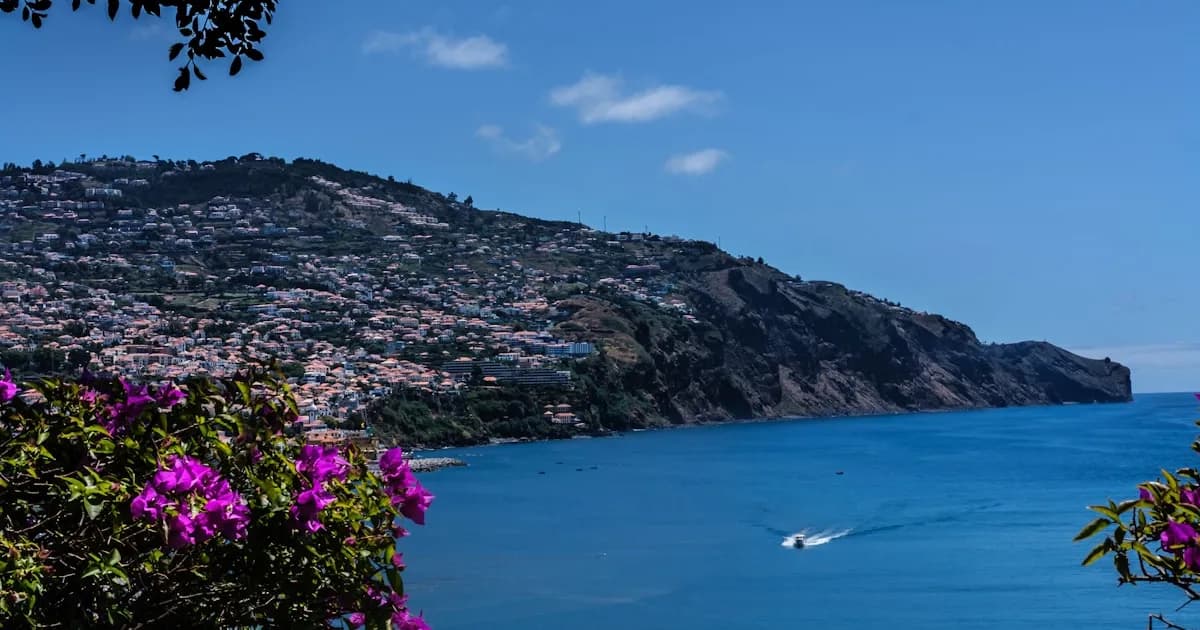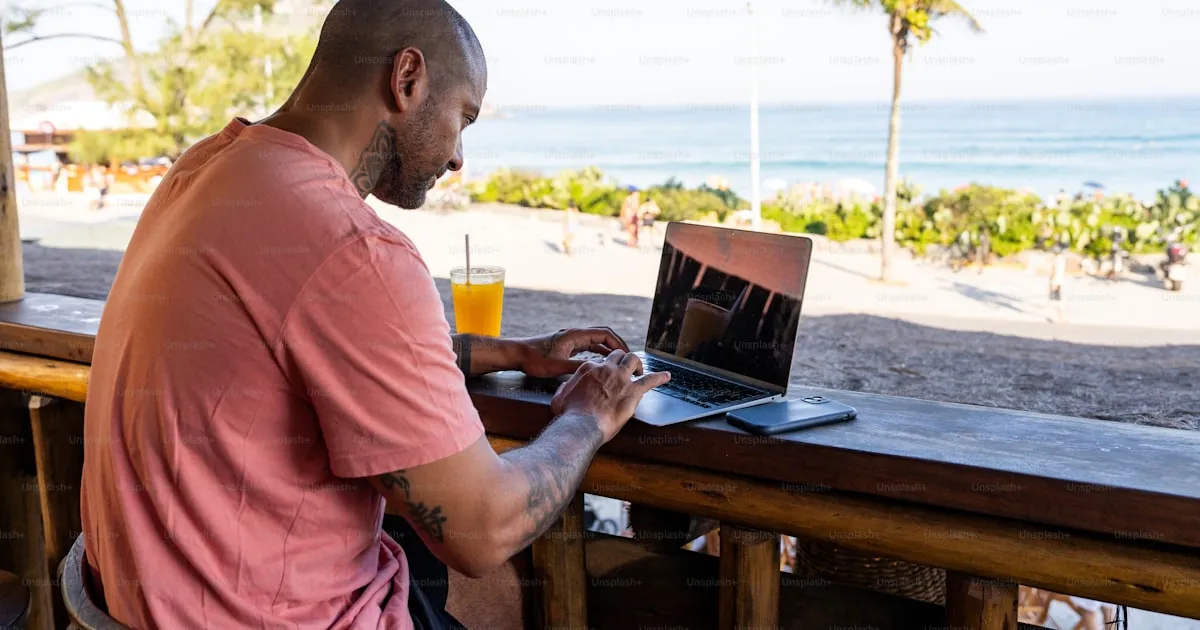
Madeira has quietly become one of Europe's top destinations for digital nomads — and once you spend a week here, you will understand why. Year-round sunshine, fast fibre internet, affordable living costs, and a landscape that looks like a screensaver come to life. Whether you are testing the remote work lifestyle for the first time or you are a veteran nomad searching for your next base, Madeira delivers on every front.
This guide covers everything you need to plan a productive, adventurous stay on the island — from coworking spaces and visa requirements to weekend escapes that make the whole experience unforgettable.
Why Madeira Is a Digital Nomad Hotspot
Climate That Never Quits
Madeira enjoys a subtropical climate with temperatures between 17°C and 26°C year-round. There is no extreme heat, no freezing winters, and roughly 300 days of sunshine per year on the south coast. You can work from a terrace in January wearing a t-shirt. That alone puts it ahead of most European destinations.
Safety and Quality of Life
Portugal consistently ranks among the safest countries in the world (Global Peace Index top 10), and Madeira takes it further. Crime is almost nonexistent. The healthcare system is excellent, food quality is outstanding, and the pace of life hits a sweet spot between productive and relaxed.
A Community That Already Exists
Unlike many "up and coming" nomad spots, Madeira has an established and thriving remote work community. Ponta do Sol's Digital Nomad Village launched in 2021 and has since attracted thousands of remote workers from every continent. You are not pioneering — you are joining a well-oiled ecosystem.
Direct Flights from All Over Europe
Funchal airport receives direct flights from Lisbon, Porto, London, Frankfurt, Amsterdam, Paris, and dozens of other European cities. Budget airlines like Ryanair and easyJet keep prices low, with return flights often under €100 from major hubs.
Madeira has won "Europe's Leading Island Destination" at the World Travel Awards multiple years running and was named "Best Island for Remote Workers" by several travel publications. The infrastructure is real, not hype.
Ponta do Sol: The Digital Nomad Village
Ponta do Sol, a picturesque village on Madeira's sunny south coast, is the epicentre of the island's digital nomad scene. The Digital Nomad Village project, run by Startup Madeira, transformed this quiet fishing village into a purpose-built community for remote workers.
What You Get
- Free coworking space with high-speed Wi-Fi (provided during organised cohort periods)
- Community events: weekly meetups, skill-sharing workshops, hikes, surf sessions, and social dinners
- Accommodation partnerships: discounted rates at local guesthouses and apartments
- A built-in social circle: typically 50–150 nomads in residence at any given time
The Vibe
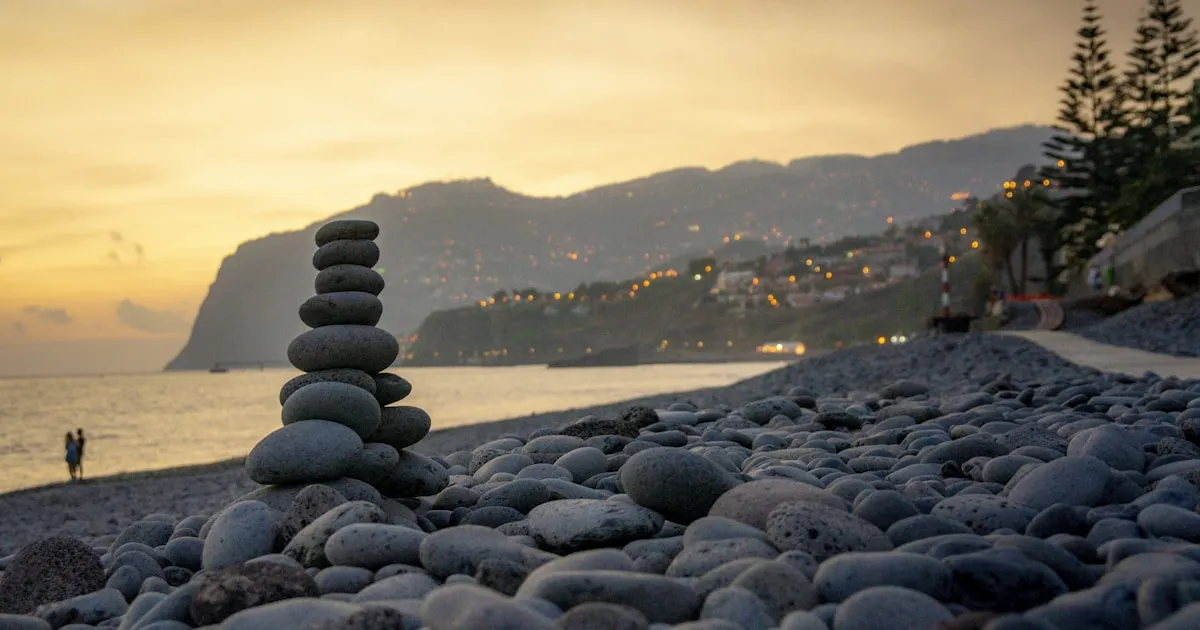
Ponta do Sol is small, warm, and impossibly photogenic. Cobblestone streets, banana plantations, a pebble beach with sunset views, and a handful of cafés and restaurants. It is the kind of place where everyone knows each other within days. If you want focus during the week and community on tap, it is hard to beat.
How to Join
Check the official Startup Madeira / Digital Nomad Madeira website for upcoming cohort dates. Places fill up fast, especially for the October–March winter escape season, so apply early. Even outside of official cohort periods, the village maintains a nomad-friendly atmosphere year-round.
Coworking Spaces in Funchal
If you prefer the energy of a city, Funchal — Madeira's capital — has a growing number of coworking spaces.
Cowork Funchal
Located in the heart of the city, Cowork Funchal offers dedicated desks, meeting rooms, and a community of local entrepreneurs and remote workers. Day passes start around €15, and monthly memberships are available from €120.
Digital Nomad Café Spaces
Several cafés in Funchal have embraced the remote worker crowd with strong Wi-Fi, plenty of power outlets, and a culture of letting you stay for hours. More on those below.
Hotel Lobbies and Lounges
Many of Funchal's hotels welcome non-guests to use their lobby cafés and lounges. Some of the larger hotels have dedicated workspaces with excellent Wi-Fi, and buying a coffee earns you a comfortable desk for the morning.
Internet Speed and Reliability
This is the question every digital nomad asks first, and Madeira delivers.
- Average fibre speed: 100–500 Mbps in Funchal and most south coast towns
- Mobile data (4G/5G): NOS, MEO, and Vodafone all offer strong coverage across the island. 5G is available in Funchal and expanding
- Coworking spaces: typically 200–300 Mbps symmetric
- Backup options: most nomads carry a local SIM (prepaid data plans start at €15/month for 15 GB) as a hotspot backup
Internet reliability is the real strength here. Unlike many tropical nomad destinations, Madeira almost never experiences outages. The infrastructure is European-grade, which means your Zoom calls will not drop in the middle of a client presentation.
Cost of Living Breakdown
One of Madeira's biggest advantages is that it is significantly cheaper than mainland Portugal (Lisbon, Porto) while offering a comparable or better quality of life.
Monthly Budget Estimate (Single Person)
| Category | Budget (€) | Mid-Range (€) | Comfortable (€) | |---|---|---|---| | Accommodation (1-bed apartment) | 600–800 | 800–1,100 | 1,100–1,600 | | Groceries | 200–250 | 250–350 | 350–450 | | Eating out | 100–150 | 200–350 | 350–500 | | Coworking / café | 0–50 | 80–150 | 150–200 | | Transport | 40–60 | 80–150 | 150–300 | | Activities & leisure | 50–100 | 100–250 | 250–500 | | Mobile + utilities | 30–50 | 50–80 | 80–120 | | Total | 1,020–1,460 | 1,560–2,430 | 2,430–3,670 |
Key Cost Notes
- Rent is the biggest variable. Funchal centre is priciest; Câmara de Lobos, Ribeira Brava, and Ponta do Sol offer better value
- Eating out is remarkably affordable. A full lunch menu (prato do dia) at a local restaurant costs €7–10, including drink and coffee
- Fresh produce at the Mercado dos Lavradores is cheap and exceptional quality
- No car needed if you live in Funchal — buses and walking cover most needs. Rent a car for weekends to explore the island
Digital Nomad Visa: Legal Requirements
Portugal's D8 Digital Nomad Visa (also called the Residence Visa for Remote Workers) is one of the most accessible in Europe.
Who Qualifies
- Non-EU citizens who work remotely for a company or clients outside Portugal
- Minimum monthly income of €3,580 (four times the Portuguese minimum wage, updated annually)
- Proof of employment or freelance contracts
- Health insurance valid in Portugal
- Clean criminal record
How to Apply
- Gather documents: employment contract or freelance proof, income statements (3–6 months), passport, health insurance, criminal record certificate
- Apply at your local Portuguese consulate or through the AIMA (Agency for Integration, Migration, and Asylum) online portal
- Processing time: typically 2–4 months
- Initial visa: 1-year temporary residence, renewable
- Path to residency: after 5 years, you can apply for permanent residence or Portuguese citizenship
EU Citizens
If you hold an EU/EEA passport, you do not need a visa. You can live and work in Madeira freely. After 3 months, register with your local Câmara Municipal (town hall) for a residence certificate, which is a simple process.
Portugal's Non-Habitual Resident (NHR) tax regime, while recently reformed, may still offer tax advantages for certain remote workers. Consult a Portuguese tax advisor before your move — the savings can be significant.
Best Cafés to Work From
A good café can be as productive as a coworking space — sometimes more so. Here are Funchal's best spots for laptop work.
The Ritz Café
A Funchal institution on Avenida Arriaga. Strong Wi-Fi, elegant interior, excellent coffee, and nobody minds if you stay for hours. The terrace is a dream spot when the weather is good (which is almost always).
Loja do Chá
Tucked in the old town, Loja do Chá has a calm atmosphere, reliable Wi-Fi, and a menu of teas and light meals that keeps you fuelled without the post-lunch crash.
Farmer's Market Area Cafés
The streets around the Mercado dos Lavradores are lined with small cafés where locals go for their bica (espresso). The Wi-Fi is usually decent, the coffee costs under €1, and the atmosphere is authentically Madeiran.
Hotel Bars and Lobbies
Belmond Reid's Palace and The Vine Hotel both have lobby areas with strong Wi-Fi and a productive atmosphere. Buy a coffee or juice and settle in for a morning of deep work with ocean views.
Ponta do Sol Cafés
In the nomad village itself, several cafés have adapted to the remote worker crowd. Expect dedicated power strips, strong Wi-Fi, and a menu designed for people who plan to stay a while.
Weekend Adventures: Why Nomads Love Madeira
The real magic of Madeira for digital nomads is what happens when you close your laptop. This island packs more adventure per square kilometre than anywhere else in Europe.
Levada Hikes
Over 200 trails along ancient irrigation channels take you through laurel forests, past waterfalls, and along dramatic cliff edges. Most are free and well-marked. A single weekend can take you to completely different landscapes — misty cloud forests one day, coastal paths the next.
Zipline Over the Atlantic
After a week of focused work, nothing resets your energy like flying 1.6 km over a valley at 110 km/h. The Adrenaline Adventures zipline in Porto Moniz is the longest in Madeira and one of the best in Europe. Pair it with the giant swing (baloiço) for a full morning of adrenaline. It is the ultimate weekend reward — and the photos are not bad for Instagram either.
Book Your Weekend Adrenaline FixSurfing and Water Sports
The north coast picks up consistent Atlantic swells. Paul do Mar and Jardim do Mar are the island's surf hotspots, with waves suitable for beginners and intermediates. Stand-up paddleboarding, diving, and coasteering are all available year-round.
Pico do Arieiro Sunrise
Wake up early, drive to Madeira's third-highest peak, and watch the sun rise above the clouds. It takes about 30 minutes from Funchal and the experience is genuinely life-changing. Many nomads make this a regular weekend ritual.
Natural Pools at Porto Moniz
Volcanic rock pools filled with crystal-clear ocean water. Pack a towel, spend the afternoon swimming, and combine it with a zipline morning for the perfect day trip.
Community and Networking
One of the biggest concerns for digital nomads is isolation. Madeira solves this problem comprehensively.
Nomad Community Events
The Digital Nomad Village in Ponta do Sol organises regular events: skill shares, language exchanges, group hikes, yoga sessions, and Friday social dinners. Even outside the official programme, nomads self-organise meetups through WhatsApp and Slack groups.
Startup Madeira
The local government actively supports the remote worker ecosystem through Startup Madeira. They run programmes, events, and networking opportunities that connect nomads with local entrepreneurs and businesses.
Expat Groups
Beyond the nomad bubble, Madeira has a long-established expat community — particularly British, German, and Scandinavian residents. Facebook groups and local meetups provide another layer of social connection.
Sports and Activity Groups
Running clubs, hiking groups, surf crews, and cycling teams are all active on the island. Joining a group activity is one of the fastest ways to build a social life that extends beyond the coworking space.
Accommodation for 1–3 Month Stays
Finding the right place to live is crucial for a productive nomad stint. Here are your options.
Short-Term Apartment Rentals
Furnished apartments are the most popular option for stays of 1–3 months. Expect to pay €700–1,200/month in Funchal for a decent one-bedroom with Wi-Fi included. Platforms like Airbnb, Flatio (specifically designed for mid-term rentals), and local Facebook groups are the best places to search.
Coliving Spaces
Several coliving operators have set up in Madeira, offering furnished rooms with shared living spaces, coworking areas, and community events included in the price. These typically run €800–1,500/month and are ideal if you want a social environment from day one.
Guesthouses and Pensões
For shorter stays or while you search for an apartment, family-run guesthouses offer private rooms from €30–50/night, often with breakfast. Many will negotiate monthly rates that work out significantly cheaper.
Tips for Finding Accommodation
- Book your first week on Airbnb, then look for longer-term places in person — prices are often better when negotiating face to face
- Facebook groups like "Madeira Digital Nomads" and "Madeira Expats" regularly list rooms and apartments
- Avoid peak season (July–August, Christmas/New Year) for the best rental rates
- Check for fibre internet before signing anything — ask the landlord for a speed test screenshot
Câmara de Lobos, just 10 minutes west of Funchal by bus, offers significantly lower rents while keeping you close to the city. It is a charming fishing village that Winston Churchill once painted, and it has its own growing café and restaurant scene.
A Typical Day as a Digital Nomad in Madeira
To give you a feel for the lifestyle, here is what a typical weekday might look like:
- 7:30 — Wake up to sunshine, coffee on the balcony with an ocean view
- 8:00 — Walk or bus to your coworking space or favourite café
- 8:30–12:30 — Deep work session. Fast Wi-Fi, great coffee, no distractions
- 12:30 — Lunch at a local tasca: grilled fish, rice, salad, and a coffee for under €10
- 13:30–17:00 — Afternoon work session, meetings, calls
- 17:00 — Close the laptop. Walk along the promenade, swim at a lido, or explore a viewpoint
- 19:00 — Dinner with fellow nomads or new friends. Fresh seafood, poncha (local cocktail), sunset
- 21:00 — Evening plans or quiet time. The choice is yours
On weekends, swap the laptop for hiking boots, a surfboard, or a zipline harness. That balance between productivity and adventure is what keeps nomads coming back to Madeira season after season.
Final Tips for Digital Nomads in Madeira
- Get a local SIM on arrival — NOS and MEO both offer good prepaid data plans from the airport
- Open a Portuguese bank account if staying longer than 3 months — Banco CTT and ActivoBank are the easiest for non-residents
- Learn basic Portuguese — even a few phrases go a long way with locals
- Join online communities before you arrive — you will have dinner plans on your first night
- Rent a car for weekends — the island's best spots (Porto Moniz, São Vicente, Ponta de São Lourenço) are much easier to reach by car
- Try the local food — espetada (beef on a skewer), bolo do caco (garlic bread), and poncha (sugarcane rum cocktail) are all essential experiences
Ready to Make Madeira Your Office?
Madeira offers something rare: a place where you can be genuinely productive during the week and genuinely adventurous on weekends. The infrastructure is solid, the community is welcoming, the cost of living is reasonable, and the quality of life is exceptional.
Whether you come for a month or stay for a year, this island has a way of turning plans upside down — in the best possible way.
Get in Touch — Plan Your Madeira AdventureFrequently Asked Questions
Is Madeira suitable for families?
Yes, Madeira is very family-friendly. The panoramic zipline has no minimum age — anyone weighing 35 kg to 120 kg can ride, and there are easy levada walks suitable for all ages.
Is Madeira good for solo travellers?
Excellent. It is one of Europe's safest destinations with a growing digital nomad community, especially in Ponta do Sol.
Can seniors enjoy Madeira?
Absolutely. The mild climate, gentle levada walks, cultural attractions, and excellent healthcare make it ideal for over-50s.
Is Madeira romantic?
Very. Sunset boat cruises, cliff-top restaurants, tandem zipline experiences, and wine tastings make it perfect for couples.