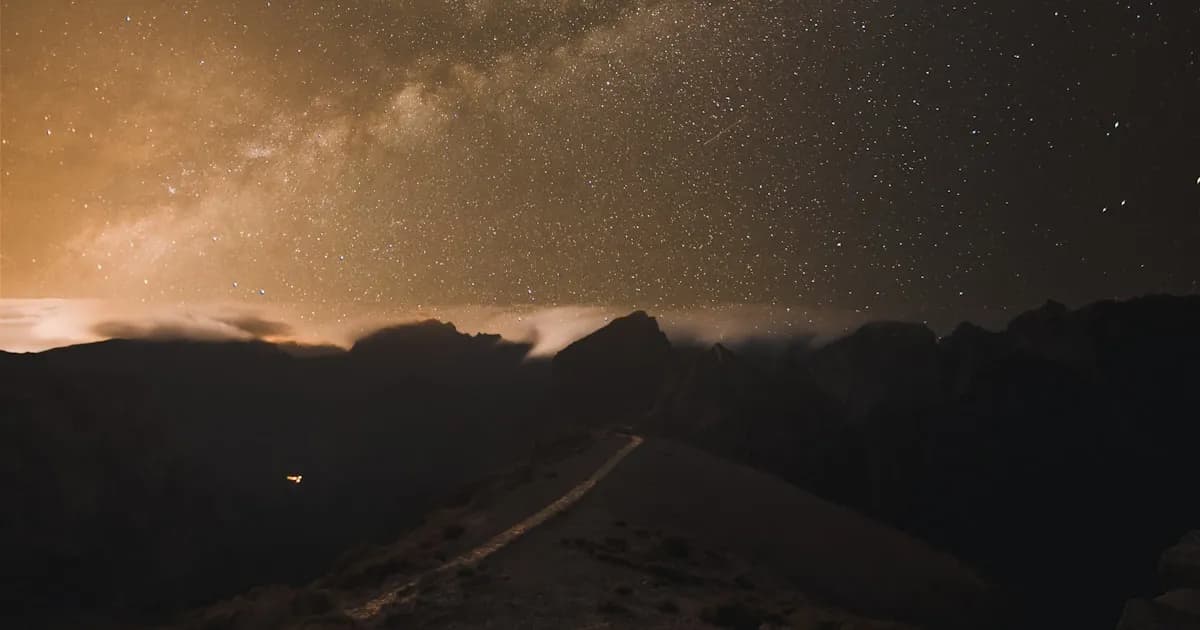
There is a moment on the Vereda do Areeiro when you realise you are walking on a narrow spine of rock with nothing but clouds below you on both sides. The world drops away, the Atlantic disappears, and you are left standing on what feels like the roof of the universe. It is one of the most extraordinary experiences you can have on foot anywhere in Europe — and it happens on a small volcanic island in the middle of the ocean.
Trail Overview — PR1.2
| Detail | Info | |---|---| | Official name | PR1.2 — Vereda do Areeiro | | Distance | ~7 km one way (Pico do Arieiro to Pico Ruivo) | | Duration | 3–4 hours one way / 6–7 hours round trip | | Elevation | Start 1,818 m — Lowest point ~1,560 m — Highest point 1,862 m (Pico Ruivo) | | Total elevation gain | ~800 m (cumulative, round trip) | | Type | Out-and-back or point-to-point with transfer | | Trail markings | Yellow and red PR waymarks |
The Vereda do Areeiro is technically the full designation for the trail connecting Madeira's third-highest peak with its absolute summit. It shares much of its route with the famous PR1, but the PR1.2 specifically refers to the section that begins at the Arieiro car park and follows the central mountain ridge eastward to Pico Ruivo. The trail is maintained by the regional government and is one of the most popular — and most rewarding — hikes on the island.
Walking Above the Clouds
The defining experience of this trail is the cloud inversion. On most mornings, a thick blanket of cloud settles between 1,200 and 1,500 metres, filling the valleys and surrounding the peaks like a white ocean. When you stand at the trailhead at 1,818 metres, the cloud carpet stretches in every direction below you, and only the highest ridges and summits break through.
Walking through this landscape is surreal. One moment you are on a sunlit ridge with limitless visibility. The next, wisps of cloud roll up from the valley and engulf you for a few seconds before clearing again. The light shifts constantly — golden at sunrise, stark white at midday, amber in the late afternoon.
The cloud inversion is most reliable in the early morning, typically between 6:00 and 10:00 AM. By late morning, thermal updrafts often lift the cloud layer higher or break it up entirely. If seeing the sea of clouds is your priority, start early.
The cloud effect is most dramatic between April and October. In winter, the peaks are more likely to be inside the clouds rather than above them.
The Sunrise Hike
Watching the sunrise from Pico do Arieiro before setting off along the Vereda do Areeiro is, without exaggeration, one of the best things you can do in Madeira. The sun breaks over the eastern horizon and floods the cloud sea with orange and pink light. The shadows of the peaks stretch westward across the clouds. It is a moment that stays with you.
Here is how to make it happen:
- Arrive at the Arieiro car park at least 30 minutes before sunrise. In summer, sunrise is around 7:00 AM, so leave Funchal by 5:30 AM. In winter, you can leave closer to 6:30 AM.
- Dress for cold weather. Even in August, pre-dawn temperatures at 1,818 metres can drop to 8–10 °C. Wind chill at the exposed summit makes it feel much colder. Bring a fleece, windbreaker, hat, and gloves.
- Pack a headlamp. You will be walking in darkness at first, and the tunnels on the trail are unlit.
- Bring hot drinks and breakfast. There are no facilities at the summit car park — no cafe, no shop. A thermos of coffee and some sandwiches will make the sunrise wait far more enjoyable.
- Check the forecast the evening before. The webcam at Pico do Arieiro (available on the IFCN Madeira website) gives a good indication of conditions. Clear skies at sea level usually — but not always — mean clear skies at the summit.
After the sunrise, give yourself a few minutes to take it in, then set off along the trail while the light is still golden and the clouds are still thick below you.
Exposed Ridges and Tunnels
The Vereda do Areeiro is not a gentle woodland stroll. It is a high-altitude mountain trail that crosses some of the most dramatic terrain in Madeira.
The Ridges
Large portions of the trail follow narrow ridgelines with steep drops on both sides — in some places, hundreds of metres straight down. Metal railings and cables protect the most exposed sections, but the sense of exposure is constant. For confident hikers, this is what makes the trail so thrilling. For those uncomfortable with heights, it is worth knowing in advance.
The ridge sections offer panoramic views in every direction. On clear days, you can see the entire south coast from Funchal to Cabo Girão, the north coast around São Vicente, and — on exceptionally clear mornings — the distant outline of Porto Santo island.
The Tunnels
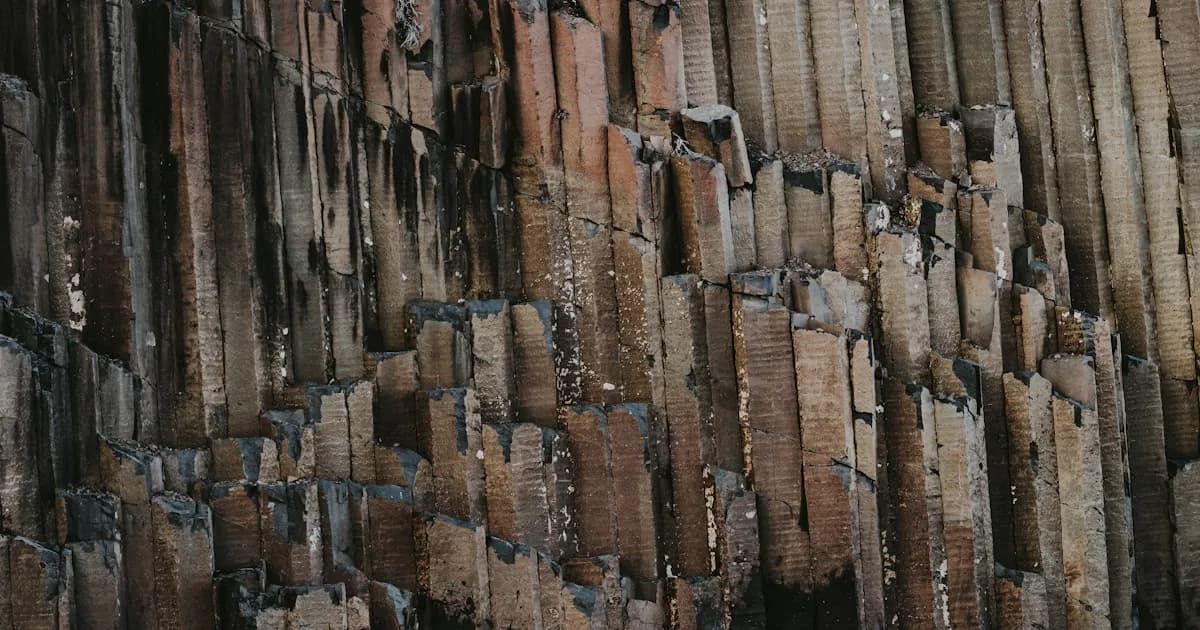
The trail passes through several tunnels blasted through the basalt rock. Some are short — ten metres or so. Others stretch beyond 50 metres, with low ceilings, uneven footing, and complete darkness inside. A headlamp is not optional; it is essential.
The tunnels were originally carved to create access paths for maintenance of the island's water channels (levadas) at altitude. Today they are part of the hiking trail, and passing through them adds an element of adventure to the experience. Watch your head in the lower sections, and be prepared for wet, slippery surfaces inside.
The trail has two route options between Arieiro and Ruivo. The eastern variant is slightly longer but avoids the steepest exposed section. The western variant is more direct and more dramatic. Both are well-marked at the junction point.
Ninho da Manta Viewpoint
Roughly halfway along the trail, you reach Ninho da Manta — the Buzzard's Nest. This viewpoint sits on a rocky promontory jutting out from the ridge, and it is one of the most spectacular spots on the entire trail.
From Ninho da Manta, you look down into the deep valley of Curral das Freiras (Valley of the Nuns) far below, while ahead of you the trail continues along the ridge toward Pico Ruivo. On cloud-inversion mornings, the valley is completely filled with white cloud, and you feel as if you are standing at the edge of the world.
This is a natural rest stop — there is a small flat area where you can sit, eat something, and absorb the view before continuing. On busy days, expect to share the spot with other hikers, but early starters will often have it to themselves.
Difficulty — Hard
The Vereda do Areeiro is classified as a hard trail by the regional authorities, and the rating is accurate. Here is why:
- Cumulative elevation change. The trail does not simply go up or down — it undulates constantly along the ridge. Over the round trip, you will accumulate roughly 800 metres of elevation gain.
- Exposed terrain. Long sections have steep drop-offs with no room for error. While the railings are solid, the psychological demands of the exposure should not be underestimated.
- Length. Seven kilometres one way — or fourteen round trip — on rough mountain terrain takes significantly longer than the same distance on flat ground. Allow 6–7 hours for the full round trip.
- Weather variability. Conditions can change rapidly at altitude. Sun can give way to thick fog, strong wind, or rain within minutes.
- Uneven surface. The trail is rocky throughout, with loose stones in places. Good ankle-support hiking boots with grippy soles are essential.
This is not a trail for casual walkers or young children. A reasonable level of fitness and sure-footedness are required. That said, thousands of hikers complete it every year — you do not need to be an athlete, but you do need to be prepared.
Getting There
By Car
Pico do Arieiro is approximately 30 minutes by car from Funchal via the ER103 road. The route climbs through eucalyptus forest and heathland before breaking above the tree line into open volcanic terrain. There is a car park at the summit, but it fills up quickly — especially on weekends and during peak season. For a sunrise hike, arrive before dawn and parking is rarely a problem.
Point-to-Point Option
Rather than hiking there and back, many people walk one way from Arieiro to Achada do Teixeira (the car park near Pico Ruivo) and arrange a taxi or transfer for the return. This option cuts the hike to roughly 3–4 hours and avoids the fatigue of retracing your steps. Several local transfer companies offer this service — arrange it the day before.
Without a Car
Tour operators in Funchal offer guided sunrise hikes to the Vereda do Areeiro including hotel pick-up and return transport. This is a good option if you prefer not to drive mountain roads in the dark.
Best Season
- April to October offers the best conditions. Clear skies, long days, and reliable cloud inversions in the early morning. July and August are the driest months but also the busiest.
- May and September are the sweet spot — excellent weather, fewer crowds, and comfortable hiking temperatures.
- November to March is riskier. Rain, fog, ice, and high winds are all possible. The trail may be closed for safety. However, winter days with clear skies can produce the most dramatic cloud formations of all.
Always check trail status on the IFCN Madeira website or app before heading out. The PR1.2 is occasionally closed due to rockfall, ice, or extreme weather.
Combine with a Zipline the Next Day
After a day walking the ridgelines of Madeira's highest mountains, give your legs a well-earned rest and let gravity do all the work. The zipline at Adrenaline Adventures in Porto Moniz is the perfect next-day complement — soar 1.6 km across a stunning valley at speeds up to 110 km/h, with the Atlantic Ocean stretching out below you.
The drive from Funchal to Porto Moniz takes about 90 minutes along the scenic north coast road. Combining the Vereda do Areeiro one day with the zipline the next gives you two of Madeira's most unforgettable experiences back to back — mountain peaks and ocean-view thrills, all in one weekend.
View Zipline Prices and BookThe Vereda do Areeiro is Madeira at its most raw and most magnificent. Whether you hike it at sunrise or midday, in May or October, the trail between Pico do Arieiro and Pico Ruivo will give you memories that last far longer than the muscle ache. Lace up your boots, pack your headlamp, and go walk above the clouds.
Need Help Planning? Contact UsFrequently Asked Questions
Are levada walks dangerous?
Most levada walks are safe and well-maintained. Some trails have narrow sections and tunnels — bring a torch and wear proper hiking shoes.
Do I need a guide for hiking in Madeira?
Well-marked PR trails can be done self-guided. For challenging routes like Pico Arieiro to Pico Ruivo, a guide adds safety and local knowledge.
What should I bring on a levada walk?
Waterproof jacket, hiking boots, water (1.5L minimum), snacks, headtorch for tunnels, and sun protection.
When is the best season for hiking?
April to June and September to October offer the best conditions — mild temperatures, less rain, and fewer crowds.
Read Also
- Pico do Arieiro to Pico Ruivo — Madeira's Most Iconic Hike — Everything you need to know about the PR1, including the full trail from start to finish.
- Best Hikes and Levadas in Madeira — The top trails on the island, from mountain ridges to canal-side walks through laurel forest.
- Best Viewpoints in Madeira — The most spectacular miradouros across the island, including several along the Areeiro route.