Every September, the island of Madeira transforms into an open-air celebration of one of the world's oldest and most revered fortified wines. The Festa do Vinho da Madeira — the Madeira Wine Festival — is far more than a tasting event. It is a living tribute to over five centuries of winemaking tradition, a communal harvest where visitors roll up their trousers and tread grapes barefoot, and a week-long programme of live music, folk dancing, and ethnographic parades that captures the very soul of the island.
If you are planning a trip to Madeira in late summer or early autumn, timing your visit to coincide with the wine festival is one of the smartest decisions you can make.
A Tradition Spanning More Than 500 Years
Madeira wine has been produced since the fifteenth century, when Portuguese settlers planted the first vines on the island's steep, sun-drenched terraces. The wine quickly earned international renown — it was the drink used to toast the signing of the American Declaration of Independence in 1776, and it has graced the tables of European royalty for centuries.
What makes Madeira wine unique is its production process. The wine is deliberately heated and oxidised — a technique called estufagem — which gives it an extraordinary longevity. Bottles from the nineteenth century can still be opened and enjoyed today, their flavours only enriched by the passage of time.
The annual wine festival celebrates this remarkable heritage with a programme that stretches across the entire island, from the cobbled streets of Funchal to the terraced vineyards of the south coast.
When and Where
The Madeira Wine Festival typically runs from late August through mid-September, with the main events concentrated in the first two weeks of September. The festival has two main hubs:
- Funchal — the capital hosts the grand ethnographic parade, live music stages, wine tastings in the city centre, and cultural exhibitions
- Estreito de Câmara de Lobos — the traditional heart of Madeira's wine country, where the grape harvest and communal treading take place
The Grape Harvest at Estreito de Câmara de Lobos
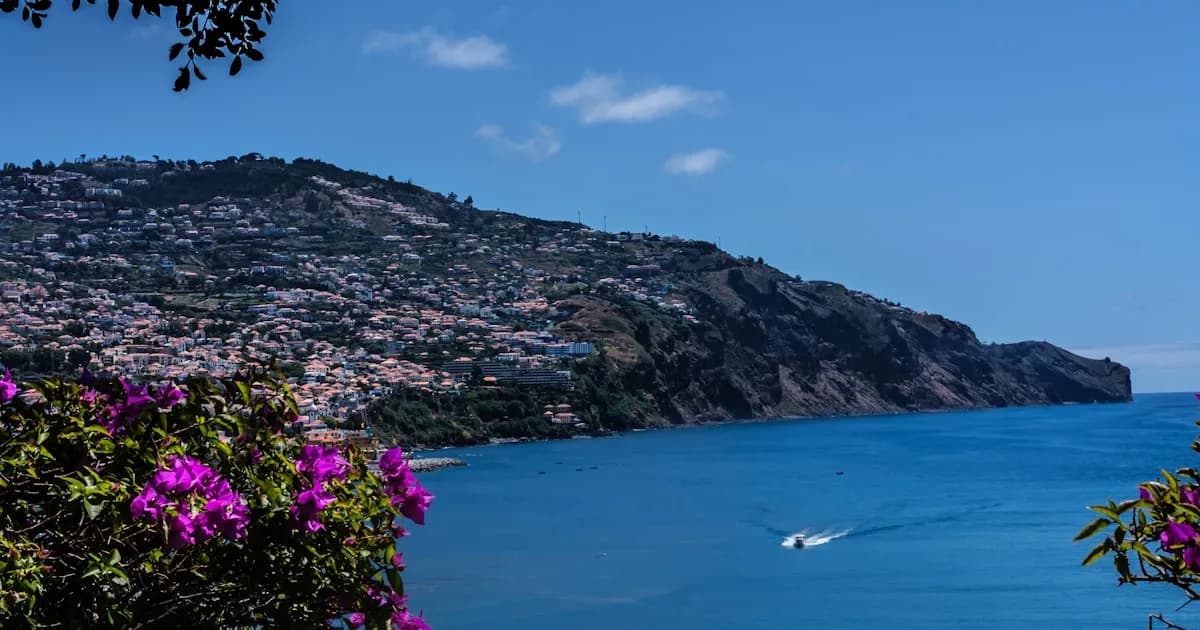
The most authentic and immersive experience of the festival takes place in Estreito de Câmara de Lobos, a village perched on the hillside above the picturesque fishing village of Câmara de Lobos. This is where Madeira's finest grapes have been cultivated for centuries, on steep terraced plots called poios that cling to the volcanic slopes.
During the festival, visitors are invited to participate in the traditional grape harvest — picking bunches from the vines and carrying them to the stone lagares (treading tanks). Then comes the moment everyone remembers: stepping barefoot into the lagar to tread the grapes, the juice running between your toes, surrounded by laughter, singing, and the sweet scent of crushed fruit.
This is not a performance staged for tourists. It is a genuine agricultural tradition that has been practised in this village for generations. The locals take pride in sharing it, and the atmosphere is one of warmth and communal celebration.
Wine Tastings Across the Island
The festival opens the doors of Madeira's most prestigious wine estates for tastings and tours. Whether you are a seasoned oenophile or a curious beginner, the range of experiences is impressive.
The Four Noble Varieties
Madeira produces four main wine styles, each named after the grape variety from which it is made:
- Sercial — dry, crisp, and citrusy. An outstanding aperitif, best served slightly chilled
- Verdelho — medium dry with smoky, honeyed notes. Extraordinarily versatile with food
- Boal (Bual) — medium sweet, rich, and complex, with flavours of caramel, dried fruit, and roasted nuts
- Malmsey (Malvasia) — the richest and sweetest, a dessert wine of exceptional depth with notes of toffee, fig, and dark chocolate
Where to Taste
- Blandy's Wine Lodge in central Funchal — the most famous producer, making wine since 1811 in a former monastery. Their premium vintage tastings are a masterclass in Madeira wine
- Pereira d'Oliveira — a family-run house with some of the oldest vintages available anywhere, dating back to the mid-nineteenth century
- Henriques & Henriques in Câmara de Lobos — the largest independent producer, with an excellent range across all four varieties
- Small quintas in Estreito de Câmara de Lobos — during the festival, several family-run estates open their doors for intimate tastings that you would not normally have access to
Live Music, Folk Dancing, and the Ethnographic Parade
The cultural programme runs throughout the festival week and offers a vivid window into Madeiran traditions.
The Ethnographic Parade
The highlight of the festival's cultural calendar is the Cortejo Etnográfico — the ethnographic parade through the streets of Funchal. Hundreds of participants dressed in traditional costumes re-enact the grape harvest and winemaking process, accompanied by folk music groups playing traditional instruments including the braguinha (the Madeiran ukulele that inspired the Hawaiian instrument) and the rajão.
The parade features ox-drawn carts loaded with barrels and grape baskets, traditional dancers, and representations of agricultural life from across the island. It is colourful, joyful, and deeply rooted in local identity.
Live Music and Folk Dancing
Throughout the festival, live stages in both Funchal and Estreito de Câmara de Lobos host performances ranging from traditional Madeiran folk music to contemporary Portuguese artists. The folk dancing — particularly the bailinho da Madeira — is infectious, and spectators are frequently pulled into the dancing by enthusiastic locals.
Street food stalls serve grilled espetada, bolo do caco, and other Madeiran specialities alongside free-flowing wine, creating an atmosphere that is equal parts cultural event and communal party.
Practical Tips for the Wine Festival
- Accommodation: Book well in advance. September is still high season, and the festival draws visitors from across Europe. Funchal and Câmara de Lobos fill up fastest
- Transport to Estreito de Câmara de Lobos: The village is a 20-minute drive from Funchal. During the festival, shuttle buses typically run from the capital. If driving, arrive early — parking fills up quickly
- What to wear: Comfortable shoes you do not mind getting stained if you plan to tread grapes. The September weather is warm (23-27°C), so dress lightly
- Budget for tastings: Many tastings during the festival are free or very affordable (€5-15). The premium vintage tastings at the major lodges cost more but are worth every cent
- Language: Festival programmes are typically in Portuguese and English. The locals are welcoming and accustomed to international visitors
Combine the Festival with Autumn Adventures
The wine festival marks the beginning of Madeira's glorious autumn season — warm days, fewer crowds, and perfect conditions for outdoor activities. If you are already on the island for the festival, extend your stay and make the most of what the season offers.
The Adrenaline Adventures complex in Porto Moniz is spectacular in September. The summer queues have started to thin, the light is golden, and the conditions for the 1.6-kilometre zipline over the Atlantic and the giant cliff swing are ideal. Soaring at 110 km/h over the ocean after a morning of wine tasting and grape treading — that is a day you will not forget easily.
Book Your Madeira AdventureFrequently Asked Questions
What is the must-try dish in Madeira?
Espetada — beef skewered on laurel wood sticks and grilled over charcoal. Pair it with bolo do caco bread and a glass of Madeira wine.
How much does a meal cost in Madeira?
A prato do dia (daily special) costs €6-8. A full dinner at a mid-range restaurant averages €15-25 per person.
Is Madeira wine sweet?
Madeira wine ranges from bone-dry (Sercial) to sweet (Malmsey). There are four noble varieties to suit every palate.
Are there vegetarian options?
Yes, most restaurants offer vegetarian dishes. Try grilled vegetables, sopas, açorda, and the abundant tropical fruit.
Read Also
- Things to Do in Madeira — The complete guide to the island's best experiences, from levada walks to adrenaline activities.
- Madeira Food Guide: What and Where to Eat — Espetada, bolo do caco, poncha, and the best restaurants across the island.
- Autumn in Madeira: Adventures and Colours — Why the post-summer months are Madeira's best-kept secret.