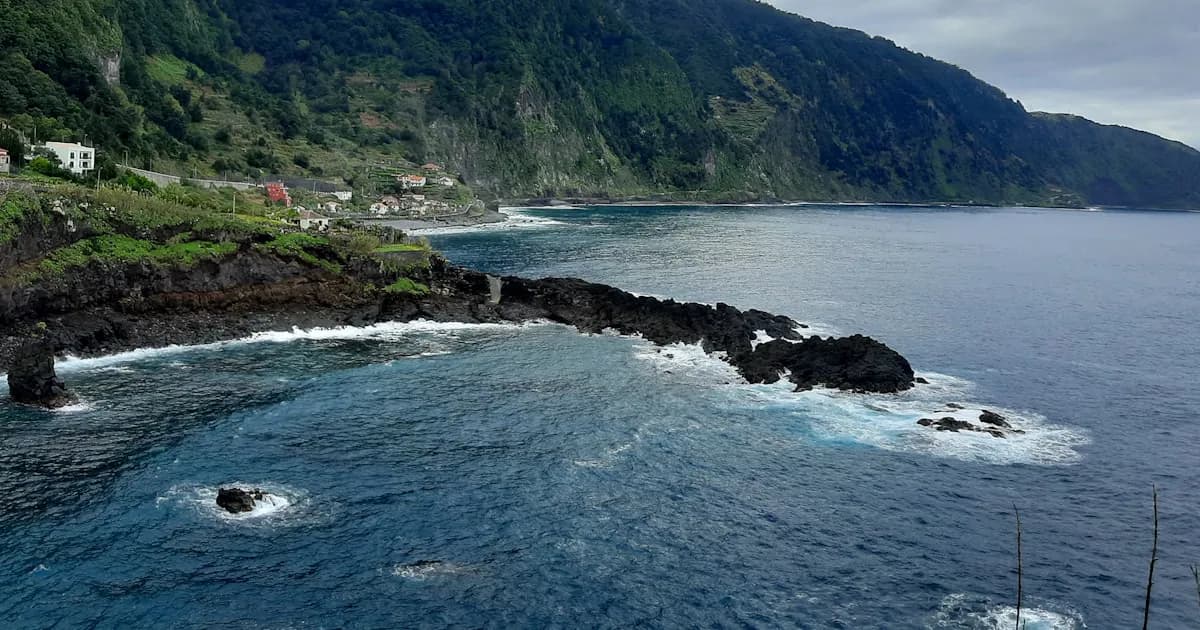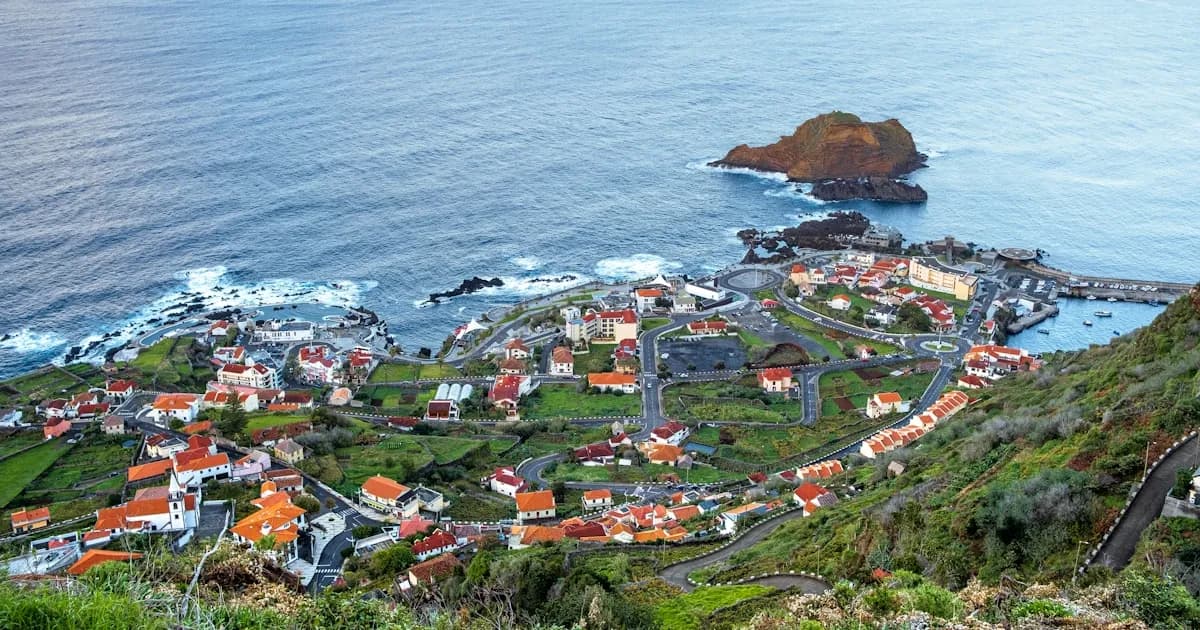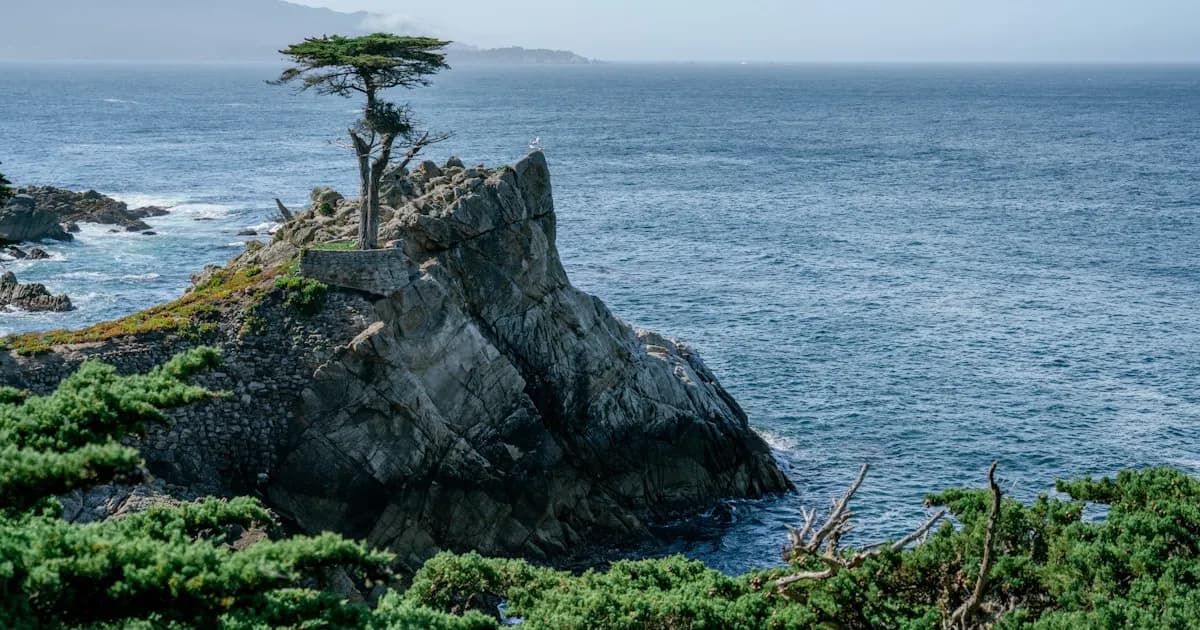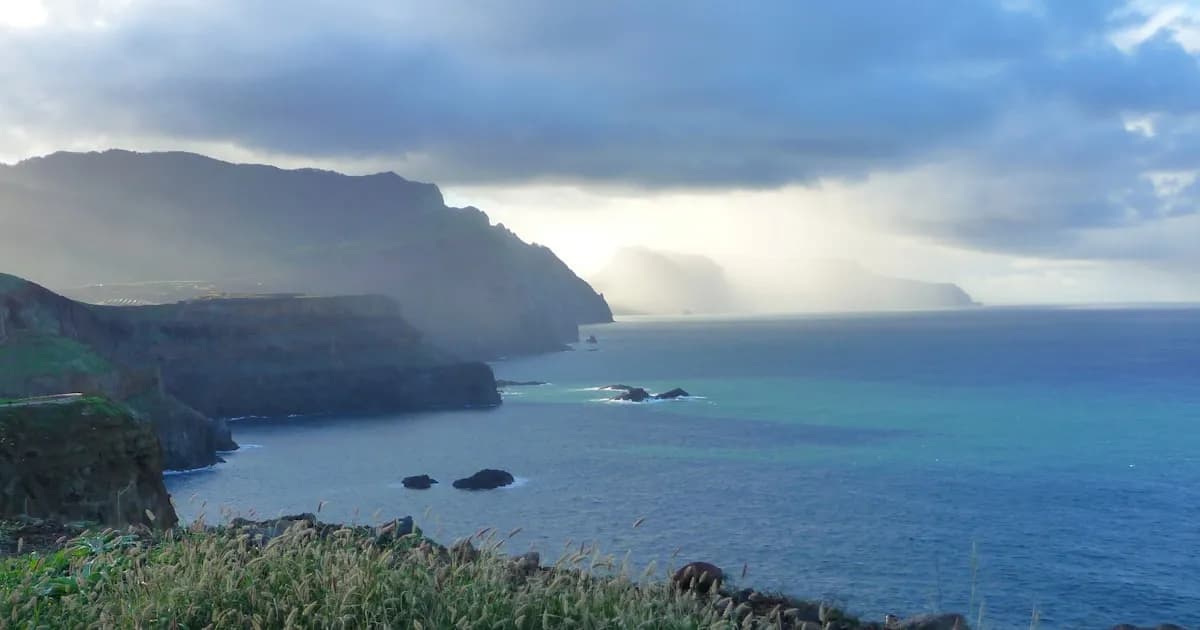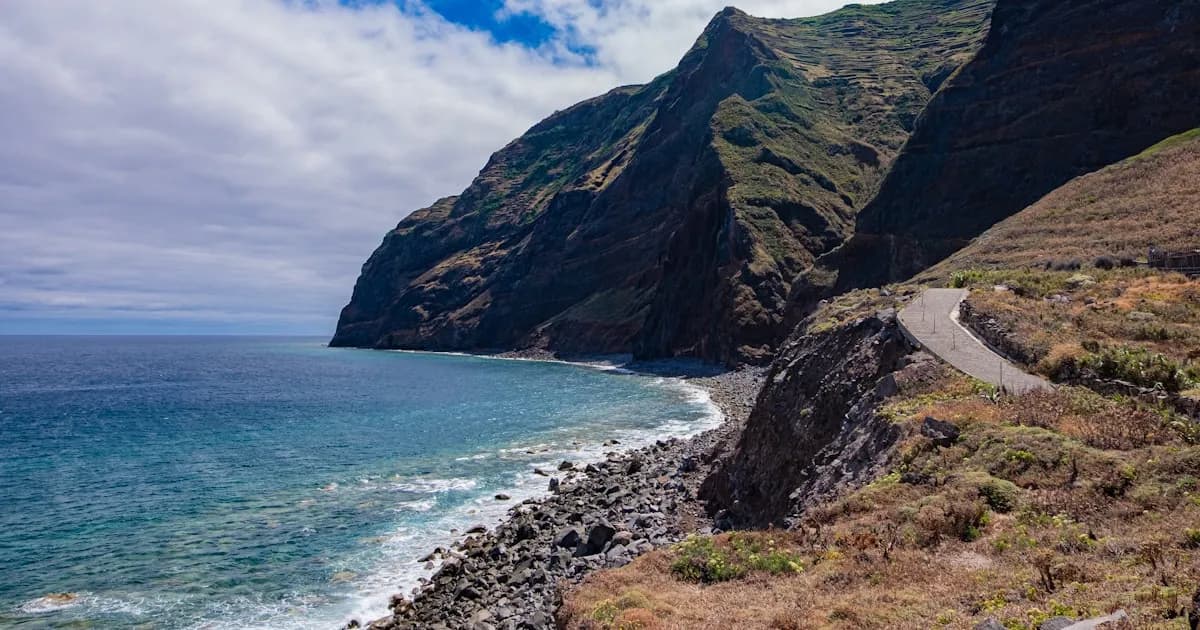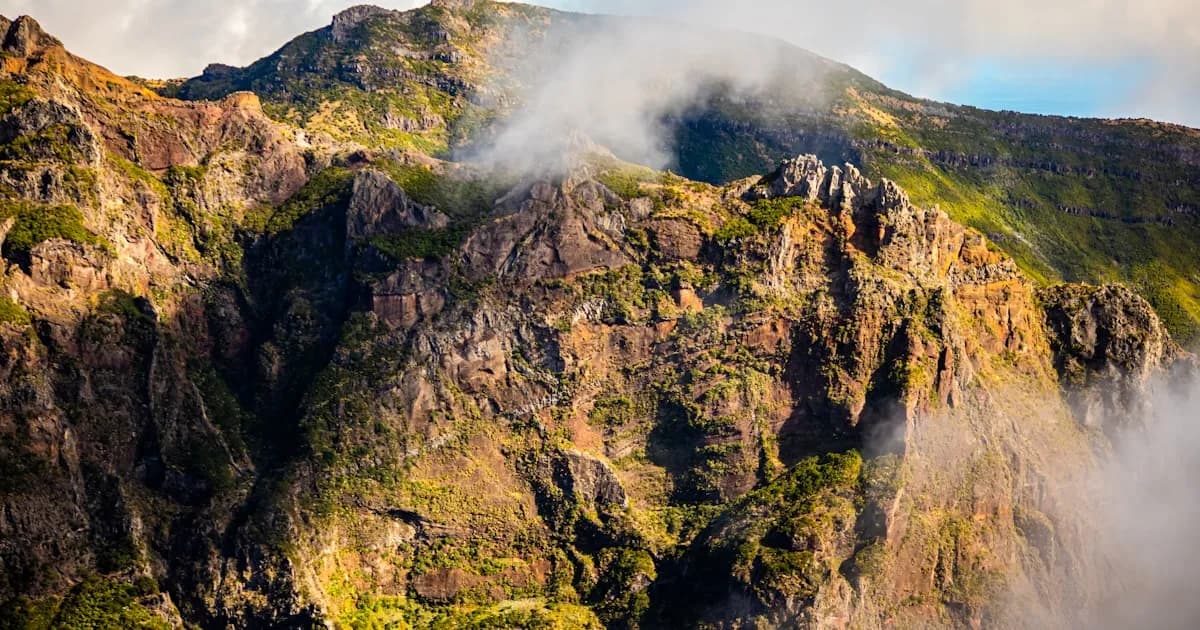
Ribeira Brava sits on Madeira's sunny south coast, roughly 30 minutes west of Funchal. The name — meaning "wild river" — hints at the deep valley that slices through the town and climbs straight into the island's mountainous interior. For centuries this was the crossing point between Madeira's south and north coasts, and it still feels like a place where two worlds meet: the warm, laid-back seafront on one side and the dramatic peaks of the central mountain range on the other.
Most visitors drive through Ribeira Brava on their way somewhere else. That is a mistake. The town has genuine character, a handful of sights worth your time, and — crucially — it sits at the start of one of the most spectacular mountain roads in Europe.
São Bento Church (Igreja de São Bento)
The Igreja de São Bento dominates the centre of town. Built in the late 15th century and expanded over the following centuries, it is one of the oldest churches on the island. The interior is far richer than the modest exterior suggests — Flemish paintings, gilded woodwork, a striking baptismal font in Manueline style, and azulejo panels that reward a slow look. Entry is free, and the church is usually quiet outside of Sunday morning mass.
The small square in front of the church is a pleasant spot to sit and watch town life unfold. There is a couple of cafés here serving bica (espresso) and pastéis de nata for under €2.
Ethnographic Museum of Madeira (Museu Etnográfico da Madeira)
Housed in a restored 19th-century building on Rua de São Francisco, this museum traces daily life in rural Madeira from the 16th century onward. Exhibits cover fishing, weaving, winemaking, sugar cane processing, and traditional transport — including a replica of the ox-drawn sleds that once served as taxis in Funchal. It is a compact museum, easily visited in 45 minutes to an hour, and offers useful context for everything you will see around the island.
Admission: around €3. Closed on Sundays and public holidays.
The Promenade and Beach
Ribeira Brava's seafront promenade stretches along a wide pebble beach backed by palm trees. The beach itself is made of dark volcanic pebbles — not the most comfortable for sunbathing, but the water is clean and calm on most days. A small sea wall creates a sheltered swimming area, and there are free showers and changing facilities nearby.
The promenade is the social heart of the town, particularly in the late afternoon and early evening. Locals stroll, children play, and the cafés along the front fill up. It is an excellent place to pause for a poncha — Madeira's signature drink made with aguardente, honey, and citrus juice — while watching the sun sink toward the horizon.
Saturday Market
Every Saturday morning, Ribeira Brava hosts a lively municipal market. Local producers sell seasonal fruit, vegetables, flowers, honey, and homemade bread. You will find tropical fruits that grow nowhere else in Europe — anona (custard apple), pitanga, tamarillo, and passion fruit in half a dozen varieties. The market is busiest between 8:00 and 11:00 and offers a more authentic, less crowded alternative to the famous Funchal Mercado dos Lavradores.
Pick up some fresh fruit and local cheese for a picnic — you are going to want supplies for the mountain drive ahead.
The Encumeada Pass Road — One of Europe's Great Drives
This is the main reason to make Ribeira Brava a deliberate stop rather than a passing blur. The ER228 road climbs from the town's valley floor up to the Encumeada pass at around 1,000 metres above sea level. The drive takes about 25 minutes, but you will want to stop constantly.
As you climb, the landscape transforms. Banana plantations and terraced vineyards give way to eucalyptus forest, then to dense laurel woodland, and finally to open heath with views that stretch to both coasts of the island simultaneously. On a clear day, from the Encumeada viewpoint you can see the south coast behind you and the north coast ahead — a view that makes Madeira's geography suddenly, viscerally comprehensible.
The pass sits on the saddle between Madeira's two highest peaks — Pico Ruivo (1,862 m) and Pico do Arieiro (1,818 m). Several hiking trails depart from here, including routes toward both peaks. Even if you do not hike, the viewpoint alone justifies the detour.
Tip: The Encumeada area frequently sits in cloud. Morning tends to be clearer than afternoon, so aim to arrive before noon. If cloud rolls in, wait 15 minutes — conditions change rapidly at this altitude.
Levada do Norte
The Levada do Norte is one of Madeira's major irrigation channels, running along the hillside above Ribeira Brava. Several sections are walkable and offer a gentler alternative to the island's more famous (and more crowded) levada trails. The path follows the water channel through terraced farmland and patches of forest, with views down to the coast and across the valley.
A popular section runs from Ribeira Brava toward Campanário (roughly 5 km one way), mostly flat and well-maintained. It is suitable for families and anyone who wants the levada experience without the exposed cliff edges found on some northern routes.
What to bring: comfortable shoes with grip, water, and a light layer — the levada path can be shaded and cool even when the coast is hot.
Where to Eat
Ribeira Brava has a handful of honest, locally focused restaurants that are not aimed at tourists — which is exactly what makes them good.
- Restaurante Borda d'Água — right on the seafront, serving fresh grilled fish, limpets (lapas), and espetada (Madeiran beef skewers on a laurel stick). Portions are generous and prices reasonable.
- Snack Bar Mercado — near the market, popular with locals for hearty daily specials. Think grilled tuna steak with fried milho (cornmeal), or stewed black scabbard fish.
- Pastelaria Central — good for a quick coffee and a bolo de mel (Madeiran honey cake) before hitting the road.
Expect to spend €10–15 per person for a full meal with drink at any of the local spots.
Drive to Porto Moniz via the North Coast
From the Encumeada pass, the road descends steeply to the north coast village of São Vicente. From there, the ER101 coastal road heads west toward Porto Moniz — one of the most dramatic stretches of road on the island. The route hugs sheer basalt cliffs, ducks through short tunnels blasted from the rock, and passes waterfalls that cascade directly onto the roadside.
The drive from São Vicente to Porto Moniz takes about 30 minutes and delivers some of the finest coastal scenery in the Atlantic. Once you arrive in Porto Moniz, you can cool off in the famous volcanic natural pools — or take your day to the next level with the Adrenaline Adventures zipline, soaring above the coastline at speeds up to 110 km/h.
The combination of Ribeira Brava, the Encumeada pass, the north coast drive, and Porto Moniz makes for one of the best full-day itineraries on the island. If you have a rental car, this is the day to use it.
Check Prices and Book Your Porto Moniz AdventurePractical Information
- Getting there: Ribeira Brava is 30 minutes west of Funchal via the VE1 expressway. Regular public buses (Rodoeste lines 4, 7, and 142) also connect the two towns in about 45 minutes.
- Parking: Free parking is available along the seafront and near the market. On Saturdays the market area fills up early, so arrive before 9:00 or park slightly further out.
- Best time to visit: The Saturday market makes that day ideal. For the Encumeada drive, aim for a clear morning — check the webcams at the mountain passes before setting off.
- How long to spend: Half a day for the town itself; a full day if you combine it with the Encumeada pass and the drive to Porto Moniz.
Frequently Asked Questions
How many days do I need in Madeira?
A minimum of 5-7 days to see the highlights. Two weeks lets you explore every corner at a relaxed pace.
Do I need a car to get around?
A rental car gives you the most freedom, especially for the north coast and mountains. Funchal is walkable, and buses connect major towns.
What is the best area to stay?
Funchal for first-timers with the most restaurants and nightlife. Porto Moniz or Ponta do Sol for nature lovers seeking quiet.
Is Madeira expensive?
Madeira offers excellent value compared to other European islands. Budget travellers can manage on €40-60 per day.
Read Also
- 25 Best Things to Do in Madeira — The complete activity guide covering every corner of the island.
- Madeira Car Rental Guide — Everything you need to know about renting a car and driving on the island.
- Best Day Trips from Funchal — Eight unforgettable adventures within easy reach of the capital.