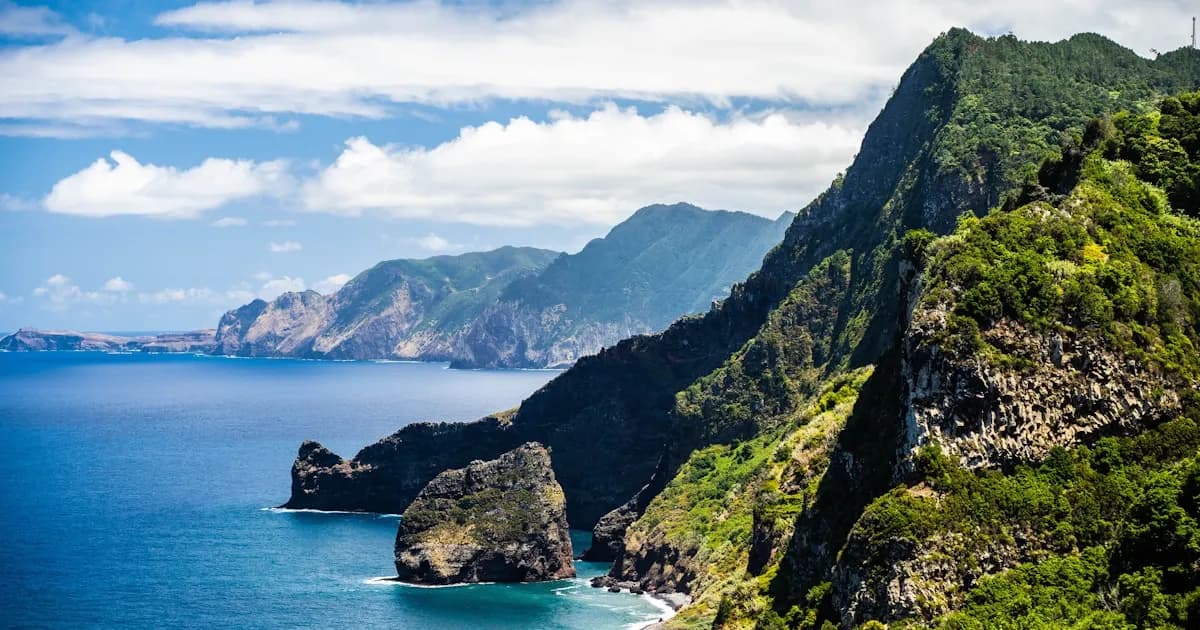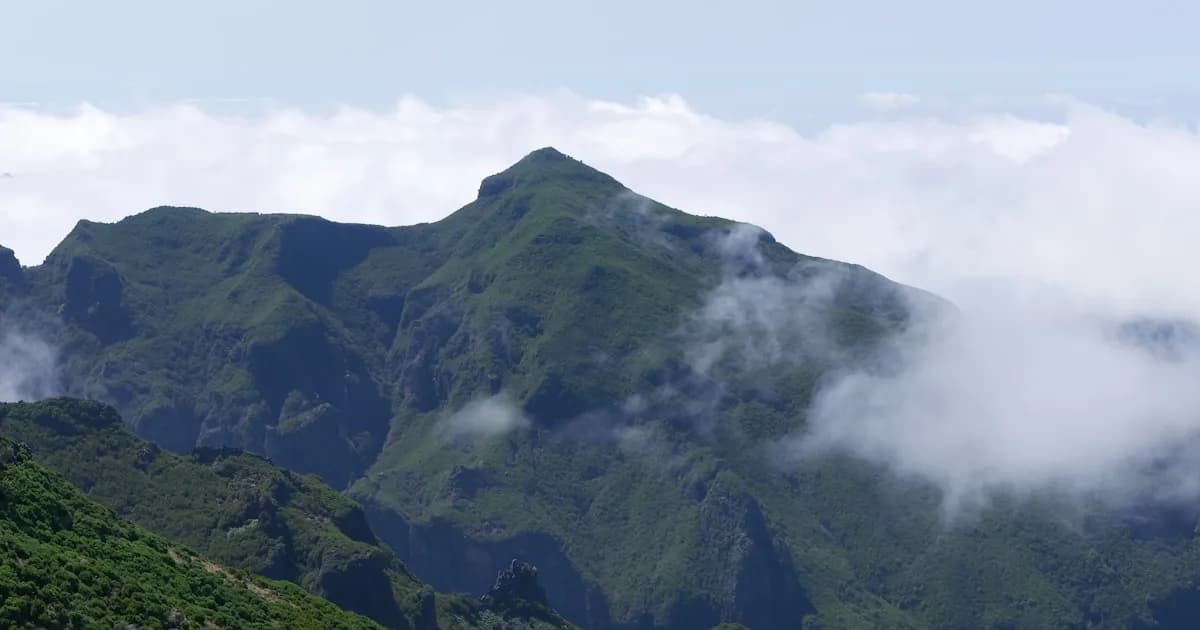
Madeira is famous for its dramatic landscapes and outdoor adventures, but the island holds a cultural depth that catches many visitors off guard. Centuries of Atlantic trade, Portuguese colonialism, and a unique subtropical climate have produced a collection of museums and gardens that would be impressive for a city ten times Funchal's size.
The best part? You can combine a morning wandering through world-class botanical gardens with an afternoon of adrenaline-fuelled adventure — and still have time for a poncha at sunset. Here is your guide to Madeira's finest museums and gardens, and how to weave them into an unforgettable trip.
The Gardens
Monte Palace Tropical Garden
Perched high above Funchal in the hillside village of Monte, the Monte Palace Tropical Garden is arguably the single most impressive attraction on the island. Spread across 70,000 square metres of a former hotel estate, this garden is a staggering collision of art, nature, and history.
The garden cascades down the hillside through themed areas filled with exotic plants from every continent — cycads from South Africa, heather trees from the Azores, orchids from Asia, and ancient ferns that predate the dinosaurs. Winding paths lead past koi-filled lakes, oriental pagodas, African sculpture collections, and one of Europe's finest displays of Portuguese azulejo tile panels, some dating back to the 15th century.
What makes Monte Palace extraordinary is that it never feels like a museum pretending to be a garden, or vice versa. The art and the plants complement each other perfectly, and every turn reveals something unexpected — a mineral collection in a grotto, a contemporary sculpture half-hidden in the foliage, or a viewpoint over Funchal that stops you in your tracks.
Getting there: Take the Teleférico do Funchal cable car from the city centre — the 15-minute ride over the red rooftops is an experience in itself. At the top, the garden entrance is a two-minute walk from the cable car station.
Cost: Around €15 entry. Allow at least two hours.
Tip: Combine with the famous Monte toboggan ride back down the hill for the full experience.
Jardim Botânico (Botanical Garden)
Funchal's Botanical Garden sits on a sun-drenched hillside with panoramic views over the city and harbour, and houses over 2,000 plant species from around the world. Established in 1960 on the estate of the Reid family (of Belmond Reid's Palace fame), the garden is organised into themed sections — subtropical flora, medicinal and aromatic plants, succulents, indigenous Madeiran species, and a stunning central parterre of geometric flower beds that look almost too perfect to be real.
The bird of paradise flowers (Strelitzia) are everywhere, alongside proteas, orchids, anthuriums, and the island's famous hydrangeas. There is also a natural history museum on the grounds and an aviary with parrots and tropical birds that children adore.
Unlike Monte Palace, the Botanical Garden has a more scientific, educational feel — though the views alone are worth the visit. On a clear day, you can see all the way to the Desertas Islands.
Getting there: Bus lines 29 and 31 from Funchal city centre, or take the cable car from Monte (if you are visiting both gardens in one day, this is the smart route).
Cost: Around €6 entry.
Blandy's Garden (Quinta do Palheiro)
If Monte Palace is the showstopper and the Botanical Garden is the classroom, Quinta do Palheiro — known locally as Blandy's Garden — is the quiet masterpiece. Located about 10 minutes east of Funchal by car, this 500-year-old estate has been in the Blandy family (of Madeira wine fame) since 1885, and its gardens blend English landscape design with Madeiran subtropical exuberance in a way that feels effortlessly elegant.
The garden covers around 14 hectares and includes a sunken garden, a baroque chapel, a long border of perennials that would make an English country house jealous, a camellia collection with over 200 varieties, and a remarkable collection of tropical and subtropical trees. The old estate grounds are also home to a 200-year-old plane tree and a jacaranda-lined avenue that turns purple in spring.
Palheiro receives far fewer visitors than Monte Palace or the Botanical Garden, which means you can wander its paths in near-silence, with only birdsong and the rustle of wind through the bamboo for company.
Getting there: By car or taxi (about 10 minutes from Funchal). Bus 37 also runs to the area.
Cost: Around €12 entry. Allow one to two hours.
The Museums
CR7 Museum (Museu CR7)
Love football or not, the CR7 Museum is one of Funchal's most visited attractions, and for good reason. Cristiano Ronaldo was born in Funchal's Santo António parish, and this waterfront museum near the marina tells the story of his journey from a kid kicking a ball in the streets of Madeira to the most decorated footballer in history.
The collection includes every major trophy — multiple Ballon d'Or awards, Champions League medals, league titles from four different countries, and international honours with Portugal. Interactive displays, match-worn shirts, and personal memorabilia trace the timeline of his career. The museum updates regularly as new milestones are reached.
Outside, a bronze statue of Ronaldo has become one of the most photographed spots in Funchal — the polished areas tell you exactly where tourists place their hands.
Cost: Around €5 entry. Allow 45 minutes to an hour.
Sacred Art Museum (Museu de Arte Sacra)
Housed in the former Bishop's Palace in central Funchal, the Sacred Art Museum holds one of Portugal's most important collections of Flemish painting from the 15th and 16th centuries. This collection exists because of sugar. During Madeira's golden age as a sugar-producing powerhouse, wealthy merchants used their fortunes to commission religious works from the finest Flemish masters — and many of those pieces ended up in Madeiran churches before being brought together in this museum.
The paintings are genuinely extraordinary, with works attributed to the circles of Jan van Eyck and Gerard David. Beyond the Flemish collection, the museum displays gold and silver liturgical objects, textiles, carved wooden sculptures, and religious vestments spanning several centuries.
The building itself — a graceful 17th-century palace — adds to the experience. This is a museum that rewards slow, attentive looking.
Cost: Around €3 entry. Allow one hour.
Frederico de Freitas Museum
A lesser-known gem tucked into Funchal's old town, the Frederico de Freitas Museum occupies a beautiful historic house and showcases an eclectic private collection of decorative arts. The highlight is the extraordinary collection of azulejo tiles — Portuguese hand-painted ceramic tiles spanning centuries of design, from geometric Moorish patterns to elaborate baroque scenes.
The museum also displays furniture, engravings, ceramics, sacred art, and photography, all arranged within the period rooms of the original house. The courtyard garden, with its fountain and subtropical plants, is a peaceful retreat from the city streets.
It is the kind of museum that feels more like visiting a very cultured friend's home than walking through a formal institution. You will likely have it almost to yourself.
Cost: Around €3 entry. Allow 45 minutes.
Electricity Museum (Casa da Luz)
This is one of Funchal's most underrated attractions. Installed in the city's former thermal power station — a handsome early 20th-century industrial building on Rua da Casa da Luz — the Electricity Museum traces the story of Madeira's electrification through original machinery, hands-on exhibits, and historical displays.
The enormous generators and turbines have been beautifully preserved, and the exhibits explain how this small Atlantic island brought electrical power to its people. For families, the interactive science exhibits make this a surprisingly engaging stop — children can experiment with circuits, generators, and renewable energy displays.
The industrial architecture of the building is worth the visit alone — soaring ceilings, riveted steel, and the satisfying aesthetic of early 20th-century engineering.
Cost: Free. Allow 45 minutes to an hour.
Building Your Culture and Nature Day
The beauty of Madeira's museums and gardens is that they are concentrated enough to combine several in a single day, with time left over for adventure. Here are two suggested itineraries:
Morning Gardens, Afternoon Culture
- 09:00 — Take the cable car to Monte and spend the morning at Monte Palace Tropical Garden
- 11:30 — Toboggan ride down, or take the connecting cable car to the Botanical Garden
- 13:00 — Lunch in Funchal's old town
- 14:30 — Visit the Sacred Art Museum and the Frederico de Freitas Museum (both in the old town, a five-minute walk apart)
- 16:30 — Finish with a poncha at a terrace bar
Quiet Day at Palheiro + Funchal Museums
- 09:30 — Drive to Quinta do Palheiro for a peaceful morning in Blandy's Garden
- 12:00 — Return to Funchal for lunch near the marina
- 13:30 — Visit the CR7 Museum on the waterfront
- 15:00 — Explore the Electricity Museum
- 16:30 — Stroll through the old town and the painted doors of Rua Santa Maria
Combine Culture with Adventure
A day of gardens and museums pairs perfectly with a day of pure adrenaline. After soaking in centuries of art and subtropical beauty, head to Porto Moniz on the north coast and experience Madeira from an entirely different angle — soaring over valleys on a zipline, swinging from cliff edges, or tearing through mountain trails on a UTV.
The contrast is what makes a Madeira holiday so memorable. One day you are standing in front of a 15th-century Flemish masterpiece; the next, you are flying across a gorge at 60 km/h with the Atlantic stretching to the horizon.
Check Prices and Book Your AdventurePractical Tips
- Best time to visit gardens: Spring (March to May) is peak bloom season, but Madeira's subtropical climate means gardens are spectacular year-round. Autumn offers warm weather with fewer crowds.
- Combine cable cars: If visiting both Monte Palace and the Botanical Garden, take the Funchal cable car up, walk between gardens, and take the Botanical Garden cable car down.
- Museum passes: Some Funchal museums offer combined tickets — ask at the first museum you visit.
- Rainy day plan: Every museum and garden on this list works beautifully on overcast or drizzly days. Monte Palace in the mist is particularly atmospheric.
- Photography: All gardens allow photography. Most museums allow it without flash.
Frequently Asked Questions
What is Madeira's biggest event?
The New Year's Eve fireworks display is Guinness-certified as one of the world's largest, visible from across Funchal's amphitheatre bay.
Are festivals free to attend?
Most festivals have free outdoor events including parades, concerts, and street performances. Some venues charge for premium viewing.
When is the Flower Festival?
Usually late April to mid-May. The highlight is the allegorical flower parade along Avenida Arriaga in Funchal.
Is there nightlife in Madeira?
Funchal's Zona Velha (Old Town) has lively bars and restaurants. It is charming rather than wild — think poncha bars and live music, not clubs.
Read Also
- Best Things to Do in Funchal — Museums, markets, restaurants and hidden gems in Madeira's capital.
- 25 Best Things to Do in Madeira — The ultimate guide to every activity worth your time on the island.
- Rainy Days in Madeira: Indoor Activities — 15 indoor alternatives for when the weather turns.