Forget Rio for a moment. Every February or March, the streets of Funchal erupt into one of Europe's most spectacular — and most underrated — carnival celebrations. Madeira Carnival blends Portuguese tradition, Brazilian samba energy, and the island's own irreverent sense of humour into a week of parades, music, costumes, and street food that rivals anything on the continent.
Whether you are planning your first trip to Madeira or looking for something beyond the usual levada walks, this guide covers everything you need to know about Carnaval da Madeira: dates, parade routes, what to eat, where to stand, and how to combine the festivities with the island's best adventure activities.
A Brief History of Carnival on Madeira
Carnival has been celebrated on Madeira since at least the 16th century, when Portuguese settlers brought the tradition of pre-Lenten revelry to the island. In those early days, celebrations were simple — masked balls, street pranks, and the throwing of eggs and flour at unsuspecting neighbours.
By the 19th century, the wealthy British and German communities on Madeira added a layer of sophistication. Formal costume balls in Reid's Palace and other grand hotels became social highlights. Meanwhile, the working-class neighbourhoods of Funchal kept the rawer, more irreverent spirit alive.
The modern Madeira Carnival as we know it took shape in the 1970s, when the regional government began investing in organised parades and events. Today it is one of the top carnivals in Europe, drawing tens of thousands of visitors and featuring professional samba schools, elaborate floats, and a uniquely Madeiran satirical parade that you will not find anywhere else.
The Two Main Parades
Cortejo Trapalhão — The Satirical Parade
The Cortejo Trapalhão (roughly translated as "the parade of mischief-makers") is the heart and soul of Madeira Carnival. Held on the Tuesday (Shrove Tuesday), this is where the island's true personality shines through.
Unlike the polished samba parade, the Cortejo Trapalhão is a grassroots affair. Groups of friends, families, neighbourhood associations, and local clubs spend months crafting costumes and floats that satirise politicians, celebrities, current events, and social trends. The humour is sharp, inventive, and occasionally savage. If there has been a scandal in Portuguese politics or a bizarre news story, you can guarantee someone will turn it into a costume.
What makes it special:
- Raw creativity — costumes are handmade and often brilliantly witty
- Community spirit — entire neighbourhoods participate together
- Genuine laughter — this is comedy, not just spectacle
- Inclusivity — anyone can join in, and many visitors do
The Allegorical Parade (Cortejo Alegórico)
The main Cortejo Alegórico takes place on the Saturday evening before Shrove Tuesday and is the glamorous centrepiece of the celebrations. This is Madeira's answer to Rio: elaborate floats covered in feathers, flowers, and lights; samba dancers in dazzling costumes; drumming groups that make the ground vibrate beneath your feet.
Professional and semi-professional samba schools prepare year-round for this single evening. Each school presents a themed routine with choreographed dancing, original music, and floats that can reach several metres in height. The parade winds through the streets of central Funchal along Avenida do Mar, with the Atlantic Ocean as a dramatic backdrop.
What to expect:
- 2–3 hours of continuous entertainment
- Samba schools competing for top honours
- Thousands of costumed performers
- An atmosphere that is electric and infectious
- Music that you will hear in your head for days afterwards
Carnival Dates
Madeira Carnival dates change each year because they are tied to Easter. The celebrations typically span a full week, from the Friday before Shrove Tuesday to Ash Wednesday.
Typical schedule:
- Friday: Official opening ceremony and street entertainment
- Saturday evening: Allegorical Parade (Cortejo Alegórico) — the big samba parade
- Sunday – Monday: Street entertainment, live music, DJ sets in Praça do Município
- Shrove Tuesday (Terça-Feira Gorda): Cortejo Trapalhão — the satirical parade
- Ash Wednesday: Final events, winding down
For reference, recent and upcoming dates:
- 2026: 12–18 February
- 2027: 4–10 February
- 2028: 24 February – 1 March
The Saturday night Allegorical Parade is the most popular event and draws the largest crowds. If you prefer a more authentic, local experience, prioritise the Tuesday Cortejo Trapalhão — it is smaller, funnier, and gives you a much better feel for Madeiran culture.
Carnival Events Calendar
Beyond the two main parades, Madeira Carnival fills the week with events:
- Children's Carnival Parade: A daytime parade on Saturday featuring schools and youth groups. Sweet, colourful, and a great option for families
- Open-air Concerts: Live music stages set up in Praça do Município and along the waterfront, featuring local and national artists
- DJ Sets and Dance Parties: Evening entertainment in the city centre, particularly around Rua de Santa Maria in the Old Town
- Fancy Dress Competitions: Various categories, from best individual costume to best group
- Street Food Markets: Extended food stalls along the parade route and in the main squares
- Neighbourhood Celebrations: Each bairro (neighbourhood) in Funchal hosts its own smaller events, often with better food and more authentic atmosphere
Costumes and Music
Costumes
The costumes at Madeira Carnival fall into two distinct categories. The Allegorical Parade features costumes that rival Rio's — feathered headdresses, sequined bodysuits, elaborate wings and trains. These are made by professional ateliers and can cost thousands of euros.
The Cortejo Trapalhão costumes are an entirely different proposition. Think cardboard, duct tape, paint, and raw ingenuity. A group might dress as a famous political scandal, a viral internet meme, or a commentary on local housing prices. The creativity is remarkable considering many costumes are made on a shoestring budget.
As a visitor, you are welcome — even encouraged — to dress up. Popular choices include:
- Full carnival costumes (available in Funchal shops during the season)
- Simple masks and accessories
- Face paint and colourful clothing
- Group themes with friends
Music
The soundtrack of Madeira Carnival is dominated by samba rhythms, reflecting the strong cultural connection between Madeira and Brazil (thousands of Madeirans emigrated to Brazil, and the influence flows both ways). Batucada drumming groups provide the heartbeat of the parades, and you will hear samba, marchinha, and axé music throughout the week.
Local Madeiran musical traditions also feature, particularly during the Cortejo Trapalhão. Portuguese folk music, fado-influenced melodies, and original songs composed specifically for the carnival add a distinctly Madeiran flavour.
Best Viewing Spots
For the Allegorical Parade
The Saturday night parade follows a route along Avenida do Mar (the seafront road) through central Funchal. The best spots:
- Near Praça da Autonomia — excellent vantage point at the start of the route where performers are fresh and energetic
- Along Avenida do Mar (central section) — the widest part of the route, giving you the best views of the floats
- Near the Sé Cathedral — the end of the route, where you can catch performers relaxing and often interact with them
- Hotel balconies — several hotels along the route offer special carnival packages with balcony viewing. Book well in advance
Practical tips:
- Arrive at least 1.5 hours before the parade starts to secure a front-row spot
- Bring a small stool or cushion if you plan to sit on the kerb
- The parade typically starts at 21:00 — dress warmly, as February evenings are cool (14–17°C)
For the Cortejo Trapalhão
The Tuesday parade follows a similar route but is more compact and accessible. You can usually find a good spot by arriving 30–45 minutes beforehand. The atmosphere is more relaxed, and you can move along the route to follow groups that catch your eye.
Food During Carnival
Carnival season brings its own culinary traditions to Madeira. Look out for:
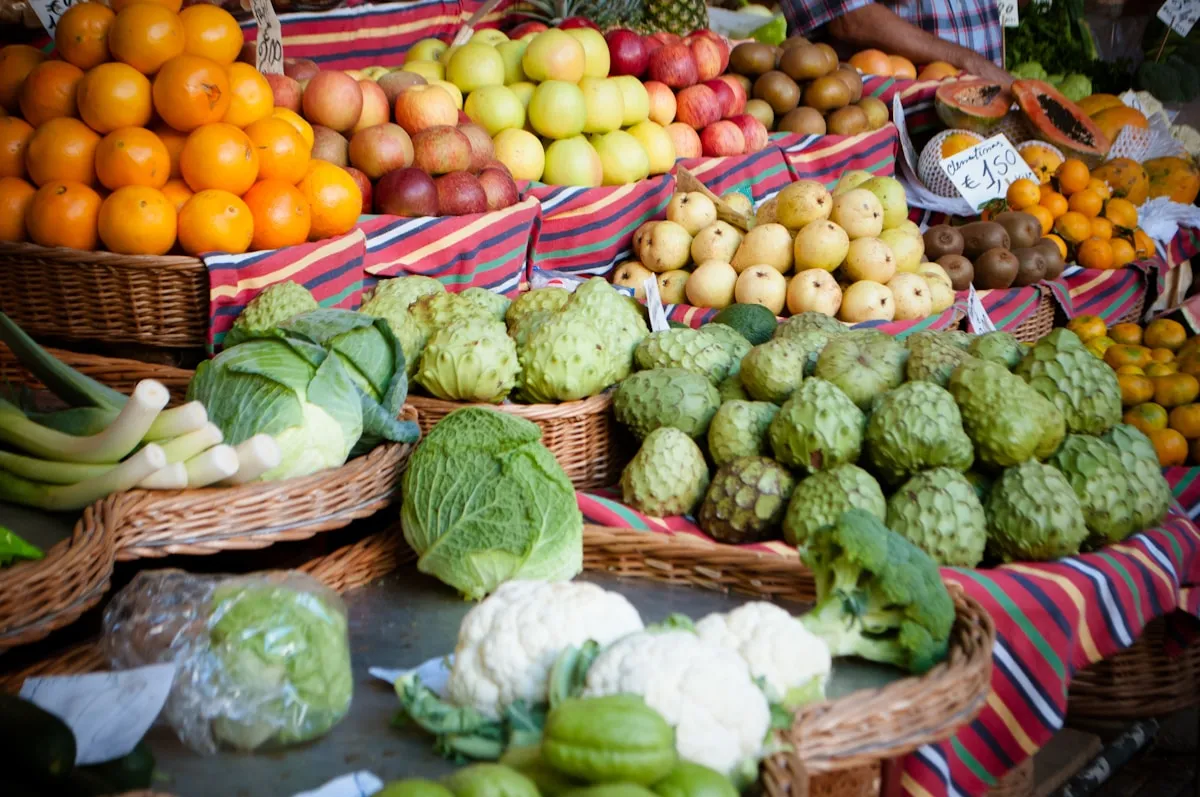
- Malasadas: The undisputed star of Carnival food. These are deep-fried dough balls, dusted with sugar and cinnamon, and eaten warm from the fryer. Every bakery and street stall serves them during Carnival week. They are simple, addictive, and utterly delicious
- Carne de Vinha d'Alhos: Marinated pork, traditionally prepared on the days before Lent. Cubes of pork marinated in wine, garlic, and bay leaves, then fried until crispy. Rich, flavourful, and the perfect fuel for a night of dancing
- Sonhos: Similar to malasadas but lighter and sometimes filled with custard or chocolate
- Poncha: Madeira's iconic drink — aguardente (sugar cane rum), honey, lemon juice, and sugar. During Carnival, poncha stalls appear on every corner. Try the traditional lemon version or the orange and passion fruit variations
- Espetada: Beef skewers grilled on bay laurel sticks, a Madeiran classic that features prominently at Carnival food stalls
For the best malasadas, skip the tourist stalls on the main parade route and duck into one of the traditional bakeries in the side streets — Padaria Funchalense and Penha d'Águia are local favourites.
Combine Carnival with Adventure Activities
One of the great advantages of visiting Madeira for Carnival is that the island offers far more than just the festivities. The parades and main events happen in the evenings, which leaves your days completely free for exploration and adventure.
Here is how to plan the perfect carnival-and-adventure itinerary:
- Morning: Head to Porto Moniz on the north coast for a session on the Adrenaline Adventures zipline — soaring above the Atlantic cliffs is the ultimate way to start a carnival day
- Afternoon: Explore the natural pools of Porto Moniz or drive back through the stunning mountain roads
- Evening: Return to Funchal for carnival events, street food, and parades
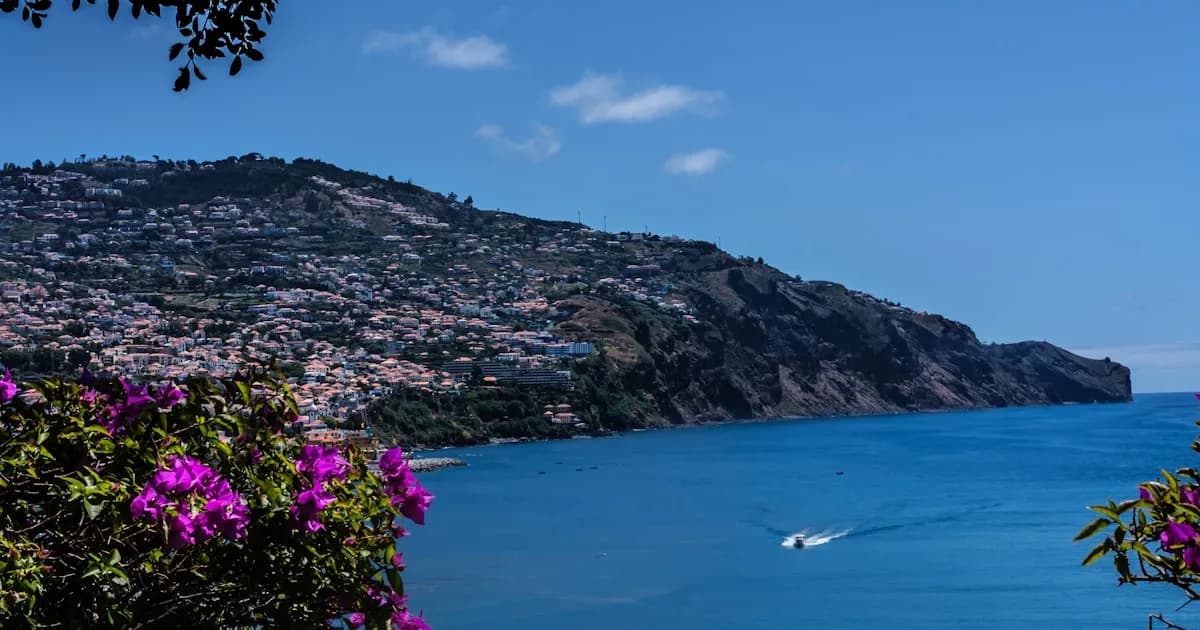
The drive from Funchal to Porto Moniz takes roughly 90 minutes, and the scenery along the way — through mountain tunnels, past banana plantations, and along dramatic coastline — is spectacular.
If you prefer something closer to Funchal, the giant swing (Baloiço) offers a rush of adrenaline that pairs perfectly with the evening carnival energy.
Book Your Carnival Week AdventurePractical Tips for Madeira Carnival
- Accommodation: Book at least 2–3 months in advance. Hotels in central Funchal fill up quickly during Carnival week, and prices increase significantly
- Transport: The centre of Funchal is closed to traffic during parade events. Walk, take a bus, or use a taxi to the edge of the restricted zone
- Weather: February on Madeira is mild (15–18°C daytime, 12–15°C evenings) but rain is possible. Bring layers and a light waterproof jacket
- Money: Street food stalls and poncha bars are mostly cash-only. Have euros on you
- Photography: The parades offer incredible photo opportunities. A good smartphone is sufficient, but if you have a camera, a fast lens for low-light conditions will capture the evening parades beautifully
- Safety: Madeira Carnival is remarkably safe and family-friendly. Normal urban common sense applies — watch your belongings in crowds — but violent incidents are essentially unheard of
Frequently Asked Questions
Is Madeira Carnival worth visiting?
Absolutely. It is one of Europe's best carnival celebrations and far less crowded than alternatives like Venice, Tenerife, or Nice. The combination of the satirical Cortejo Trapalhão and the samba Allegorical Parade gives you both authentic local culture and world-class spectacle.
Can families enjoy Madeira Carnival?
Yes. The daytime events and Children's Parade are specifically designed for families. Even the evening parades are family-friendly — there is very little of the excess you might associate with other carnivals. The atmosphere is festive and welcoming.
How long should I stay for Carnival?
A minimum of three nights (Friday to Monday) covers the main Allegorical Parade and gives you time to explore. For the full experience including the Cortejo Trapalhão on Tuesday, plan five nights. This also leaves time for adventure activities during the daytime.
Is it expensive during Carnival?
Hotel prices increase during Carnival week, but Madeira remains excellent value compared to other European carnival destinations. Street food, poncha, and many events are very affordable. The parades themselves are free to watch.
Frequently Asked Questions
What is Madeira's biggest event?
The New Year's Eve fireworks display is Guinness-certified as one of the world's largest, visible from across Funchal's amphitheatre bay.
Are festivals free to attend?
Most festivals have free outdoor events including parades, concerts, and street performances. Some venues charge for premium viewing.
When is the Flower Festival?
Usually late April to mid-May. The highlight is the allegorical flower parade along Avenida Arriaga in Funchal.
Is there nightlife in Madeira?
Funchal's Zona Velha (Old Town) has lively bars and restaurants. It is charming rather than wild — think poncha bars and live music, not clubs.
Read Also
- Things to Do in Madeira: Ultimate Guide — The complete guide to the best activities and experiences on the island.
- Madeira Festivals and Events 2026 — Full calendar of all festivals, events, and celebrations on Madeira in 2026.
- Madeira Nightlife Guide — The best bars, clubs, and evening experiences across the island.