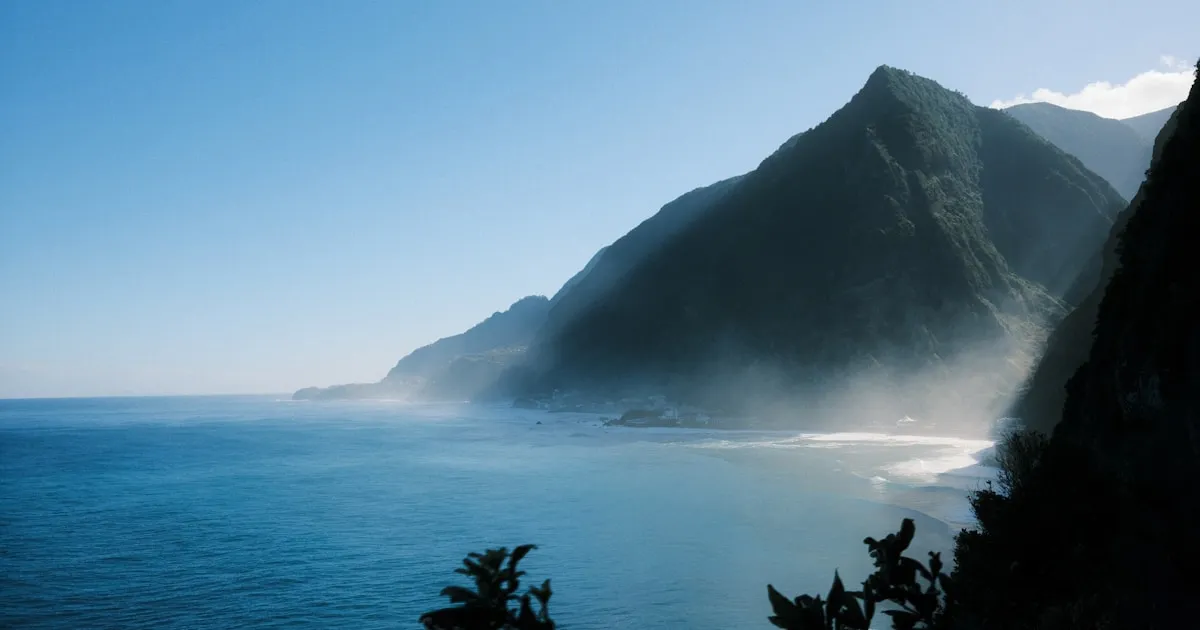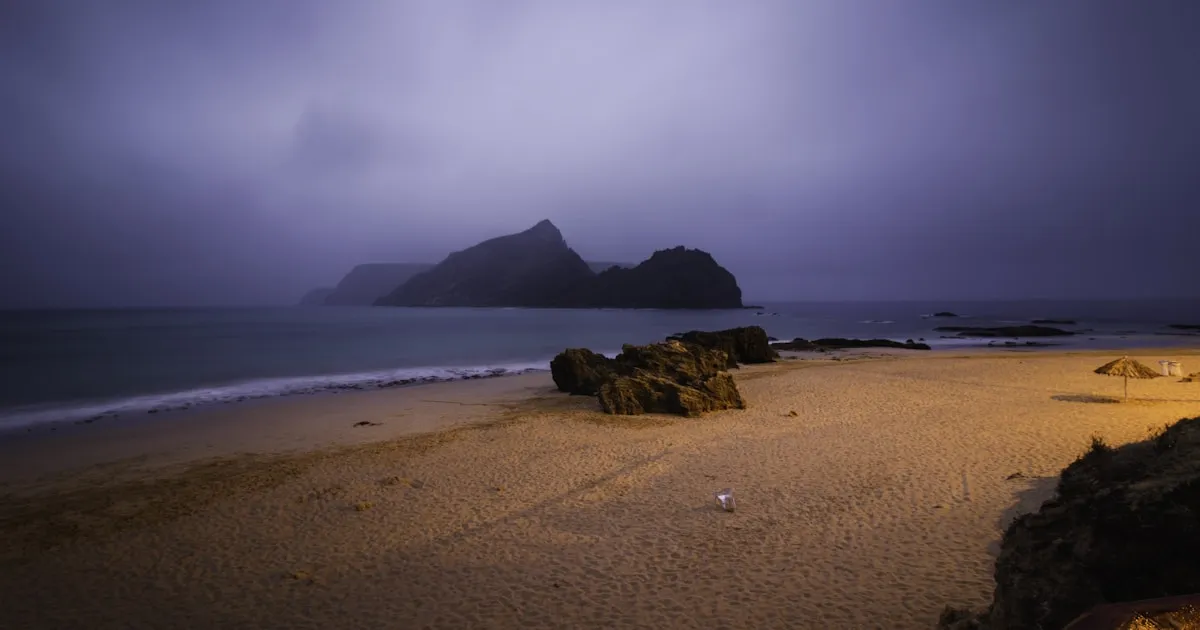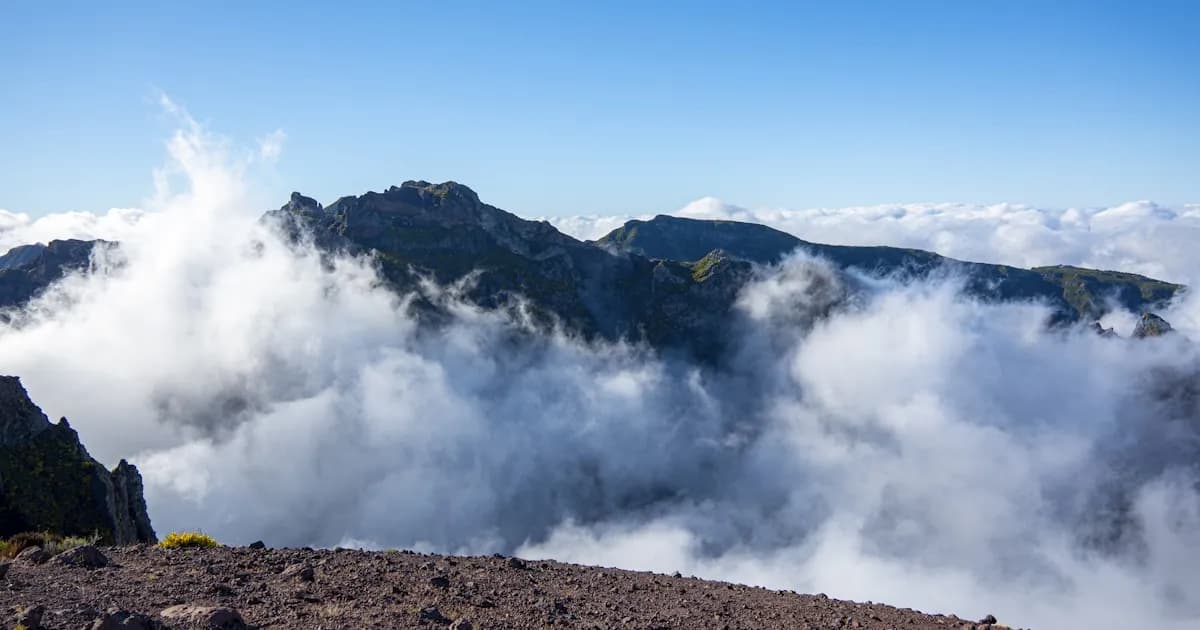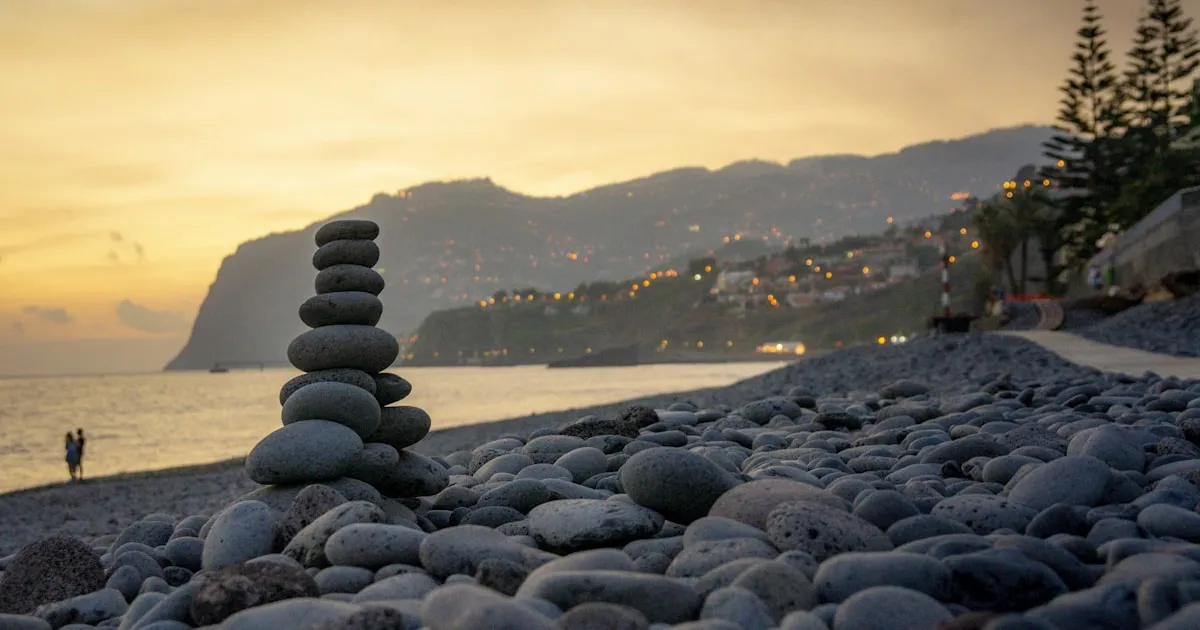
Madeira has been called the greenest island in Europe, and it is not just a marketing slogan. From its ancient laurel forests — older than human civilisation — to its ambitious renewable energy targets and marine conservation zones, this Atlantic archipelago is quietly proving that tourism and environmental stewardship can work hand in hand. If you are planning a trip and want to leave the lightest footprint possible, Madeira makes it remarkably easy.
The Laurisilva Forest — A UNESCO Living Treasure
The Laurisilva of Madeira is the largest surviving laurel forest in the world. Designated a UNESCO World Heritage Site in 1999, this subtropical rainforest covers roughly 15,000 hectares — about 20 per cent of the island — and contains plant and animal species found nowhere else on Earth.
Walking through the Laurisilva feels like stepping into a different geological era. The forest dates back to the Tertiary period, over 20 million years ago, when similar forests covered much of southern Europe. As the continent dried and cooled, they vanished — except here on Madeira, where the Atlantic climate preserved them in near-perfect condition.
The best way to experience the Laurisilva is along the levada trails that wind through its heart. The Levada do Caldeirão Verde and Levada das 25 Fontes are the most popular routes, but dozens of quieter paths offer equally stunning immersion without the crowds.
The forest is also a critical carbon sink, absorbing significant quantities of CO2 while regulating the island's water supply. The levada irrigation system — those famous channels that double as hiking trails — was engineered centuries ago to distribute the water the Laurisilva captures from Atlantic cloud banks. It is one of the most elegant examples of humans working with nature rather than against it.
Renewable Energy: Madeira's Clean Power Ambitions
Madeira has set itself one of the most ambitious energy targets of any European island. The regional government's roadmap aims to generate 50 per cent of its electricity from renewable sources by 2030, with a long-term vision of full energy independence from fossil fuels.
The island already operates several wind farms along its mountain ridges, a network of hydroelectric stations fed by its abundant rainfall, and a growing number of solar installations. The Calheta pumped-storage hydroelectric plant is particularly innovative — it uses excess wind and solar energy to pump water uphill during low-demand periods, then releases it to generate electricity during peak hours. This addresses one of the biggest challenges in renewable energy: storage.
For visitors, the impact is tangible. Electric vehicle charging stations are appearing across the island, many hotels are powered partially or fully by renewables, and the grid that lights your accommodation at night is increasingly clean.
Sustainable Accommodation on the Island
Madeira's hotel and guesthouse sector has embraced sustainability with genuine commitment, not just token gestures. Several properties have earned EU Ecolabel or Green Key certification, meeting strict criteria for energy efficiency, waste reduction, water conservation, and local sourcing.
What to look for when booking:
- Eco-certified properties — Look for the EU Ecolabel, Green Key, or Travelife certifications
- Quintas and rural guesthouses — Traditional Madeiran estates often use solar heating, grow their own produce, and operate on a smaller, lower-impact scale
- Energy transparency — Some hotels now publish their energy mix and carbon offset programmes on their websites
- Local ownership — Staying at locally owned accommodations keeps more of your money in the island's economy
Even if you opt for a larger hotel, many of Funchal's established properties have invested significantly in LED lighting, water recycling systems, and food waste reduction programmes. Ask at reception — most are happy to explain their sustainability practices.
Responsible Hiking: Leave No Trace on Madeira's Trails
Madeira's trail network is its greatest natural asset, and keeping it pristine requires conscious effort from every visitor. The Leave No Trace principles apply with particular force here, given the fragility of the Laurisilva ecosystem and the narrowness of many levada paths.
Practical guidelines for responsible hiking in Madeira:
- Stay on marked trails. The vegetation beside levada paths is often rare and fragile. Shortcutting damages root systems and causes erosion.
- Carry out everything you carry in. There are no bins on most trails. Pack a bag for your rubbish and take it back to town.
- Do not pick plants or disturb wildlife. Many species in the Laurisilva are endemic — they exist only here. Removing even a small plant can have outsized consequences.
- Avoid overcrowded routes at peak times. Starting early or choosing less popular levadas reduces pressure on the most visited trails and gives you a better experience.
- Use refillable water bottles. Madeira's tap water is safe to drink, so there is no need for single-use plastic on the trail.
The Madeira Trail programme maintains and monitors over 30 official hiking routes across the island. Sticking to these marked trails ensures you are on paths designed to handle foot traffic while protecting the surrounding ecosystem.
Local Food: Eating Sustainably in Madeira
One of the easiest ways to reduce your travel footprint is to eat local, and in Madeira this also happens to be the most delicious option. The island has a deep food culture rooted in what the land and sea provide.
What to seek out:
- Espetada — Traditional beef skewers grilled on laurel wood sticks, typically using locally raised cattle
- Bolo do caco — Flatbread baked on basalt stone, a staple of Madeiran cuisine made with local sweet potato flour
- Fresh fish — Black scabbardfish (espada) and tuna are caught by local fishermen using sustainable line methods rather than industrial trawling
- Poncha — The island's signature drink, made with locally distilled sugarcane rum, honey from Madeiran bees, and citrus from island orchards
- Farmers' markets — The Mercado dos Lavradores in Funchal and smaller village markets sell produce grown on the island's terraced hillsides
Madeira's geography naturally limits food miles. The steep terrain favours small-scale farming over industrial agriculture, and the fishing fleet operates close to shore using traditional methods. When you eat at a family-run tasca or buy fruit from a market stall, your meal has likely travelled less than 30 kilometres from farm to plate.
Marine Conservation Around Madeira
Madeira's waters are among the most biodiverse in the North Atlantic, and the regional government has established several protected areas to keep them that way.
The Garajau Nature Reserve, created in 1986, was one of the first marine protected areas in Portugal. It covers 376 hectares of coastline and seabed southeast of Funchal, where fishing is restricted and marine life has flourished. Divers report significantly higher concentrations of grouper, barracuda, and other species inside the reserve compared to unprotected waters.
The Desertas Islands Natural Reserve protects the habitat of the critically endangered Mediterranean monk seal — one of the rarest marine mammals in the world, with a population of around 800 globally. Madeira's colony, one of the healthiest, depends on the strict protection these uninhabited islands receive.
More recently, the Selvagens Islands — technically part of the Madeira archipelago — gained recognition as the largest fully protected marine reserve in Europe, covering nearly 2,700 square kilometres. It is a significant commitment to ocean conservation from a small island territory.
How visitors can help:
- Choose whale and dolphin watching operators that follow the Code of Conduct for cetacean observation
- Avoid touching or standing on coral and marine organisms when swimming or diving
- Use reef-safe sunscreen — conventional sunscreens contain chemicals harmful to marine ecosystems
- Report any sightings of injured marine animals to local authorities
Eco-Certified Adventures with Adrenaline Adventures
At Adrenaline Adventures, sustainability is built into how we operate, not bolted on as an afterthought. Our zipline and giant swing experiences in Porto Moniz are designed to work with the landscape, not against it.
Our sustainability practices include:
- Minimal terrain disruption — Our installations use existing geological features and require no significant excavation or deforestation
- UTV transfers — Our transfer vehicles follow designated routes to avoid disturbing surrounding vegetation and wildlife
- Waste management — All operational waste is sorted and recycled. We maintain a strict zero-litter policy across all our sites
- Local employment — Our team is drawn from the local community, ensuring that tourism revenue stays on the island
- Environmental education — Our guides share information about the local ecosystem during every experience, helping visitors understand and appreciate the environment they are flying through
Adventure tourism and environmental responsibility are not contradictions. When done right — and in the right setting — adrenaline activities can deepen people's connection to nature and strengthen the economic case for protecting wild landscapes.
Book an Eco-Friendly Adventure in Porto MonizGetting Around Sustainably: Public Transport in Madeira
Madeira has a reliable public bus network operated by Horários do Funchal (urban) and SAM/Rodoeste (island-wide) that connects all major towns and many trailheads. For eco-conscious travellers, the bus system is a genuine alternative to renting a car.
Practical tips:
- Funchal to Porto Moniz — Direct bus routes run daily, taking approximately 2.5 hours along the spectacular north coast road
- Airport transfers — The Aerobus connects Funchal to the airport, eliminating the need for a taxi or rental car on arrival
- Bus passes — Multi-day passes are available and significantly reduce the per-trip cost
- Ride-sharing — Bolt operates in Funchal and surrounding areas for shorter trips
- E-bikes and electric scooters — Increasingly available for rent in Funchal and offering a zero-emission way to explore the city and nearby areas
If you do rent a car, consider an electric or hybrid vehicle. Charging stations are expanding across the island, and Madeira's compact size — you can drive from Funchal to Porto Moniz in under two hours — means range anxiety is rarely an issue.
Reduce Plastic: Small Actions, Big Impact
Madeira is making progress on plastic reduction, but visitors play a crucial role. The island's small size means that waste management capacity is limited, and every piece of single-use plastic you avoid keeps pressure off local systems.
How to cut plastic during your stay:
- Bring a refillable water bottle. Tap water is safe throughout the island.
- Carry a reusable shopping bag. Portugal has charged for plastic bags since 2015, so this is practical as well as environmental.
- Skip hotel toiletry miniatures. Many eco-certified hotels have switched to refillable dispensers — if yours has not, bring your own.
- Choose glass-bottled poncha. When buying drinks, opt for glass over plastic whenever possible.
- Support beach clean-up initiatives. Several local organisations run regular coastal clean-ups that welcome volunteers.
A Destination That Rewards Responsible Travel
Madeira's greatest asset is its natural environment, and the island knows it. From the protected Laurisilva to the marine reserves, from wind farms on mountain ridges to family farms on terraced hillsides, there is a genuine, island-wide commitment to keeping this place extraordinary for generations to come.
As a visitor, travelling sustainably in Madeira does not mean sacrificing comfort or missing out. It means hiking ancient forests instead of sitting by a hotel pool, eating freshly caught fish instead of imported fast food, and choosing experiences — like a zipline flight over a wild Atlantic landscape — that celebrate the environment rather than consume it.
The greenest island in Europe is ready for you. The question is whether you are ready to explore it the right way.
Plan Your Sustainable Madeira AdventureFrequently Asked Questions
Is Madeira suitable for families?
Yes, Madeira is very family-friendly. The panoramic zipline has no minimum age — anyone weighing 35 kg to 120 kg can ride, and there are easy levada walks suitable for all ages.
Is Madeira good for solo travellers?
Excellent. It is one of Europe's safest destinations with a growing digital nomad community, especially in Ponta do Sol.
Can seniors enjoy Madeira?
Absolutely. The mild climate, gentle levada walks, cultural attractions, and excellent healthcare make it ideal for over-50s.
Is Madeira romantic?
Very. Sunset boat cruises, cliff-top restaurants, tandem zipline experiences, and wine tastings make it perfect for couples.
Read Also
- 25 Best Things to Do in Madeira — The ultimate activity guide covering everything the island has to offer.
- Best Hikes and Levada Walks in Madeira — Detailed trail guides through the Laurisilva and beyond.
- Whale Watching in Madeira — Species, seasons, and responsible tour operators for cetacean encounters.